
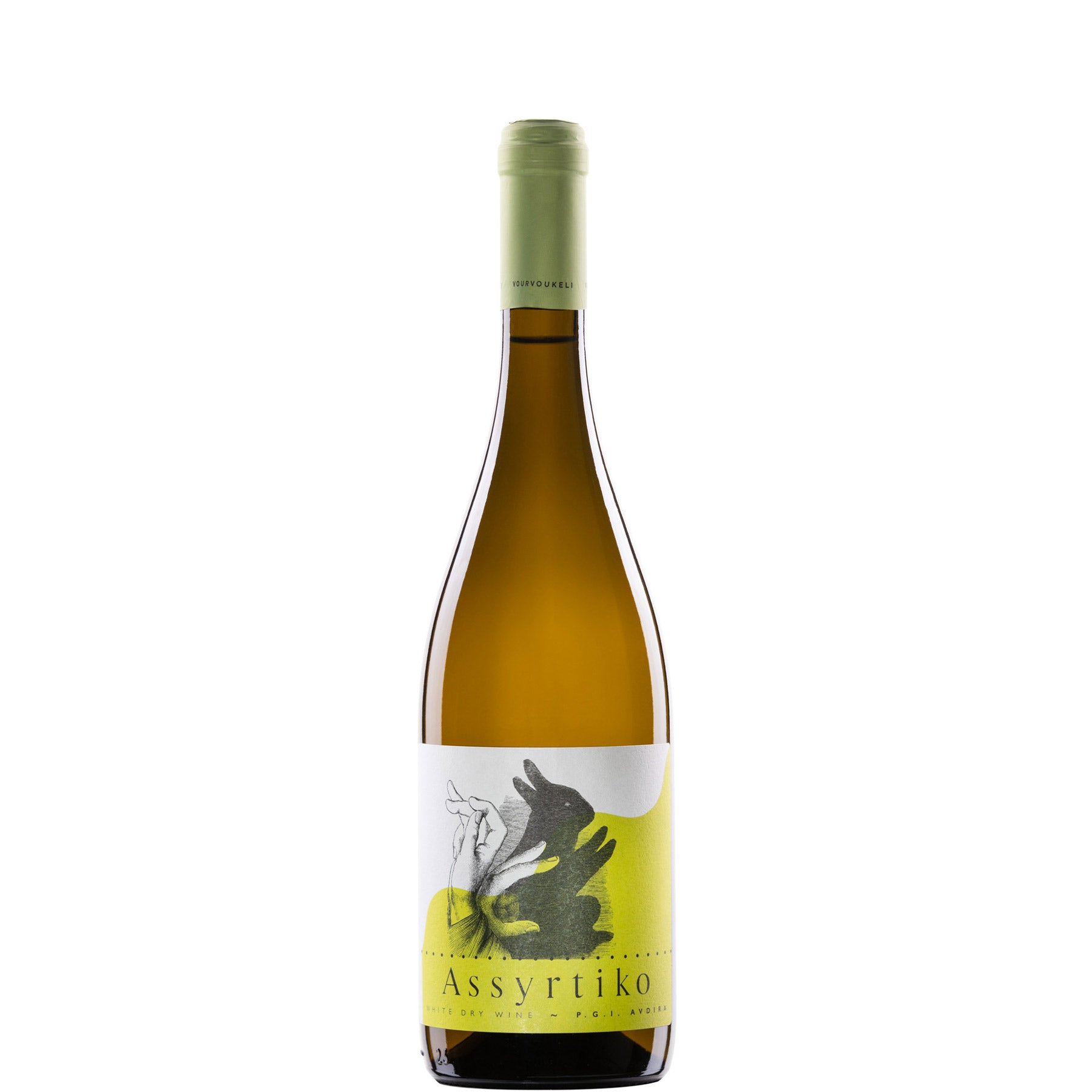
Vourvoukelis, Assyrtiko, 2023
Vourvoukelis, Assyrtiko, 2023
- 75cl
- 13%
- White Still
- Assyrtiko
Couldn't load pickup availability

Optimal drinking window: 2026 - 2029
Vourvoukelis Assyrtiko 2023 is a bright and refreshing expression of Greece’s iconic white grape, grown in the cooler climate of Thrace in northern Greece. While Assyrtiko is best known for its roots in Santorini, this version brings a slightly different perspective—crisp, mineral-driven, but with a rounder, fruit-forward edge thanks to its mainland terroir.
The palate is clean and zippy, with vibrant acidity and a chalky minerality that gives it structure and lift. There's a nice balance between citrusy brightness and a touch of stone fruit richness, making it both refreshing and food-friendly.
This 2023 vintage is a great example of how Assyrtiko thrives beyond the Aegean islands, delivering clarity, energy, and a modern take on a classic Greek varietal. Perfect for seafood, salads, or just a sunny afternoon.
This 2023 vintage is drinking beautifully now and will continue to show well for the next couple of years. The primary citrus and stone fruit flavours are at their peak, supported by that characteristic Assyrtiko minerality. Over the next year or two, expect the fruit to integrate further while the mineral backbone becomes more pronounced. Unlike age-worthy Santorini Assyrtiko, this mainland expression is designed for earlier drinking – by 2029, the fresh fruit energy that makes it so appealing will start to fade. Drink it while that zippy acidity is still singing.
Tasting Notes
AppearancePale gold with green highlights, crystal clear and bright.
NoseFresh citrus zest leads, followed by white peach and a hint of wet stone. There's a subtle herbal note that adds complexity without overwhelming the fruit. Clean and inviting with no oak influence.
PalateThe attack is crisp and lively, with lemony acidity driving the wine forward. Stone fruit flavours emerge in the mid-palate—white peach and nectarine—balanced by that signature Assyrtiko minerality. The texture is clean and focused, with enough weight to carry the flavours but never heavy.
FinishMedium length with citrus pith and chalky minerals lingering pleasantly.
Overall impressionA modern, refreshing expression of Assyrtiko that's immediately appealing and perfectly food-friendly.
Food Pairings
In Thrace, this would pair beautifully with the region's famous seafood from the Aegean coast, particularly grilled sea bream or octopus salad dressed with local olive oil. The local preference for mezze-style eating suits the wine perfectly: think fresh cheese pies, herb-crusted lamb, and the abundant vegetables that thrive in this fertile region. The Turkish influence in local cuisine means dishes with subtle spice and yoghurt-based sauces find perfect harmony with the wine's mineral backbone.
We think this wine would go well with
Serve well-chilled at 8-10°C to highlight that crisp, mineral character. No need for decanting – this wine is all about immediate freshness and energy. Use a standard white wine glass rather than anything too large, as you want to concentrate those clean citrus and mineral aromas. Chill the bottle properly rather than relying on ice buckets, as consistent cold temperature brings out the best in Assyrtiko's natural acidity.
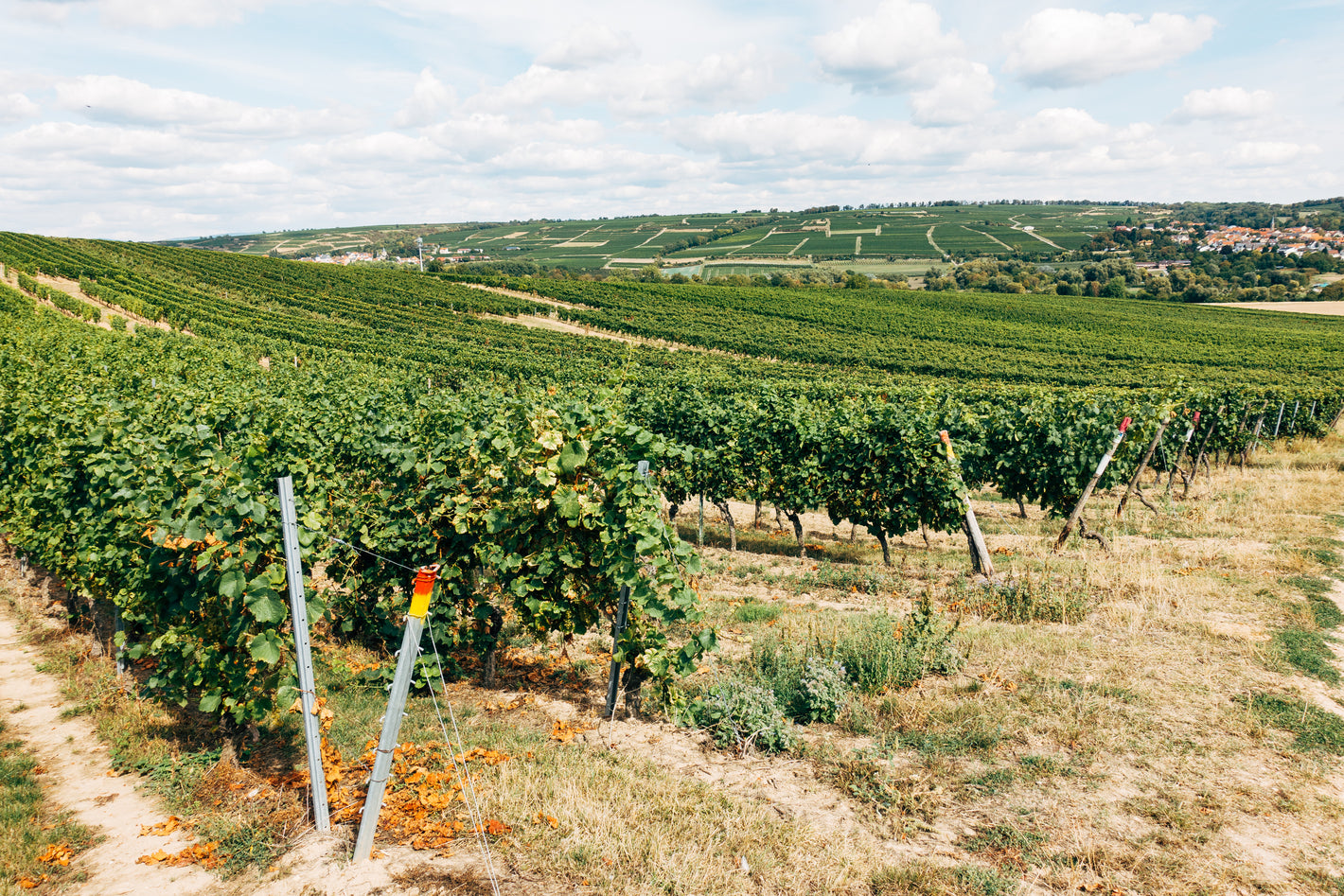
Thrace's continental climate is markedly different from Assyrtiko's famous Santorini home. The cooler temperatures and higher rainfall preserve acidity while allowing more generous fruit development. The soils here are less volcanic but still mineral-rich, contributing to the wine's chalky texture. This mainland terroir produces a rounder, more approachable style of Assyrtiko whilst maintaining the grape's characteristic precision.
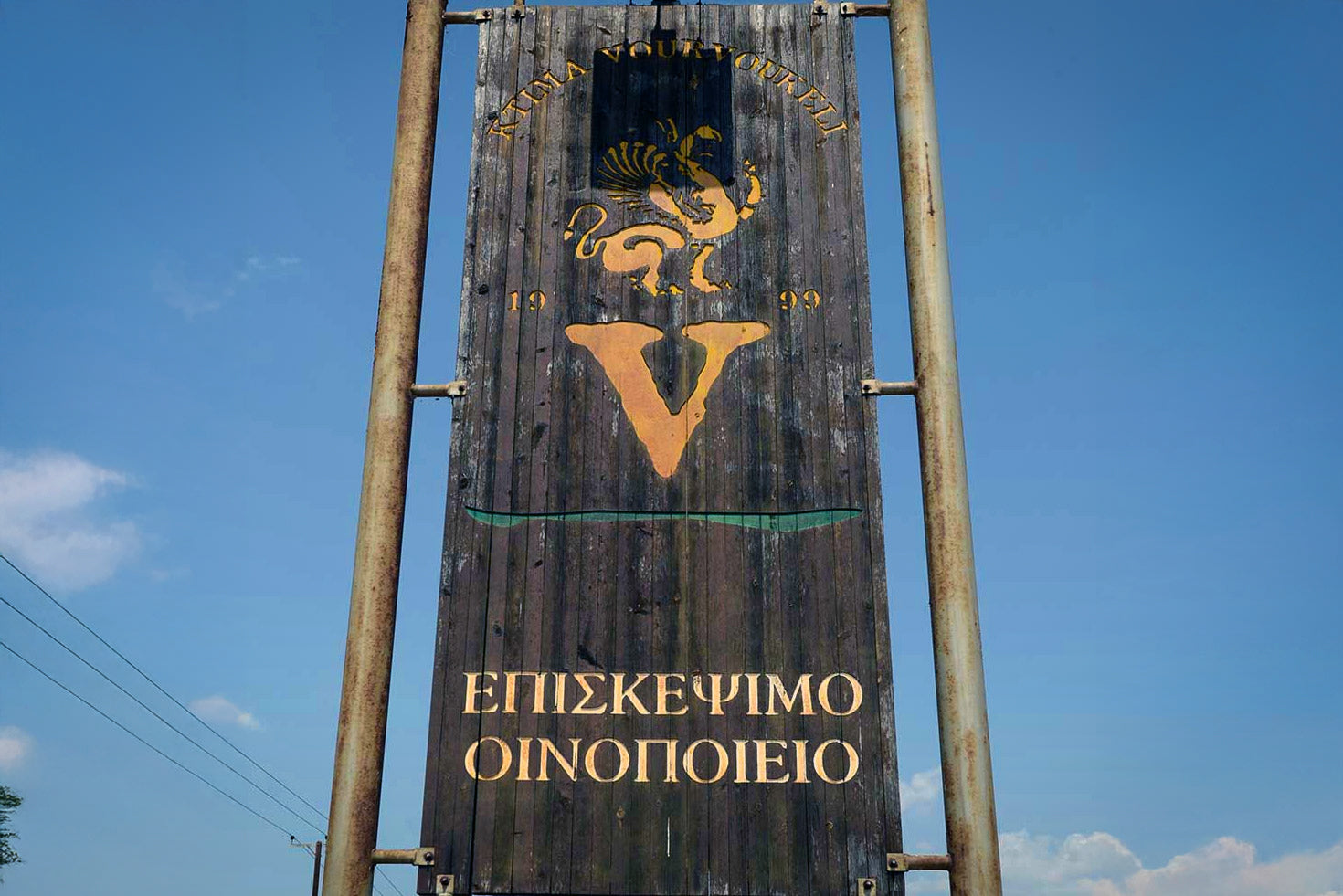
Thrace sits in northern Greece, bordering Turkey and Bulgaria, with a more continental climate than the Aegean islands. It's an emerging region for quality wine production, particularly suited to varieties that benefit from cooler conditions and longer growing seasons. The area is less regulated than Greece's traditional appellations, giving producers like Vourvoukelis freedom to explore how classic Greek grapes perform in this different environment.
The 2023 vintage in Thrace arrived as a welcome return to form after the challenging conditions winemakers faced in recent years. The growing season delivered the kind of steady, predictable rhythm that allows both vine and winemaker to breathe easily. Spring brought sufficient rainfall to replenish water reserves, whilst summer settled into a pattern of warm days and cool nights that kept the grapes developing at an even pace. The harvest stretched comfortably into October, giving producers the luxury of picking each parcel at optimal ripeness without the frantic rush that marks more volatile years.
What emerged from the cellars shows Thrace at its most expressive, with wines that capture the region's distinctive character without the hard edges or green notes that can mark difficult vintages. The indigenous varieties like Mavrud and Rubin have produced wines with genuine depth and colour, whilst international plantings show the kind of integration with terroir that comes only when everything clicks into place. We find these 2023s drinking beautifully now, offering immediate pleasure whilst promising to develop further complexity over the next five to eight years for those with patience.
FAQs
What does this wine taste like?
Crisp and refreshing with bright citrus flavours, a touch of stone fruit richness, and a distinctive chalky minerality that gives it structure and character.
How is this different from Santorini Assyrtiko?
This mainland version is rounder and more fruit-forward thanks to Thrace's cooler climate, while still maintaining Assyrtiko's signature mineral precision and vibrant acidity.
When should I drink this wine?
It's perfect now and over the next 2-3 years while the fresh citrus energy is at its peak – this style is designed for early drinking rather than cellaring.
What food pairs well with this wine?
Excellent with seafood, particularly grilled fish, Greek salads, fresh cheese, and Mediterranean mezze – the mineral acidity cuts through rich foods beautifully.
How should I serve this wine?
Serve well-chilled at 8-10°C in a standard white wine glass to concentrate the clean citrus and mineral aromas – no need for decanting.
Is this wine worth cellaring?
No, this is designed for immediate enjoyment – drink it over the next few years while the fresh fruit character is still vibrant and energetic.


What are you looking for tonight? Tell me the occasion, a grape, a region — or just try a suggestion below.
Your recommendations will appear here.
-
-
Speak to one of our Wine Gurus
Speak to a Wine GuruWith years of experience, our team can help you with all your wine buying and selling needs