

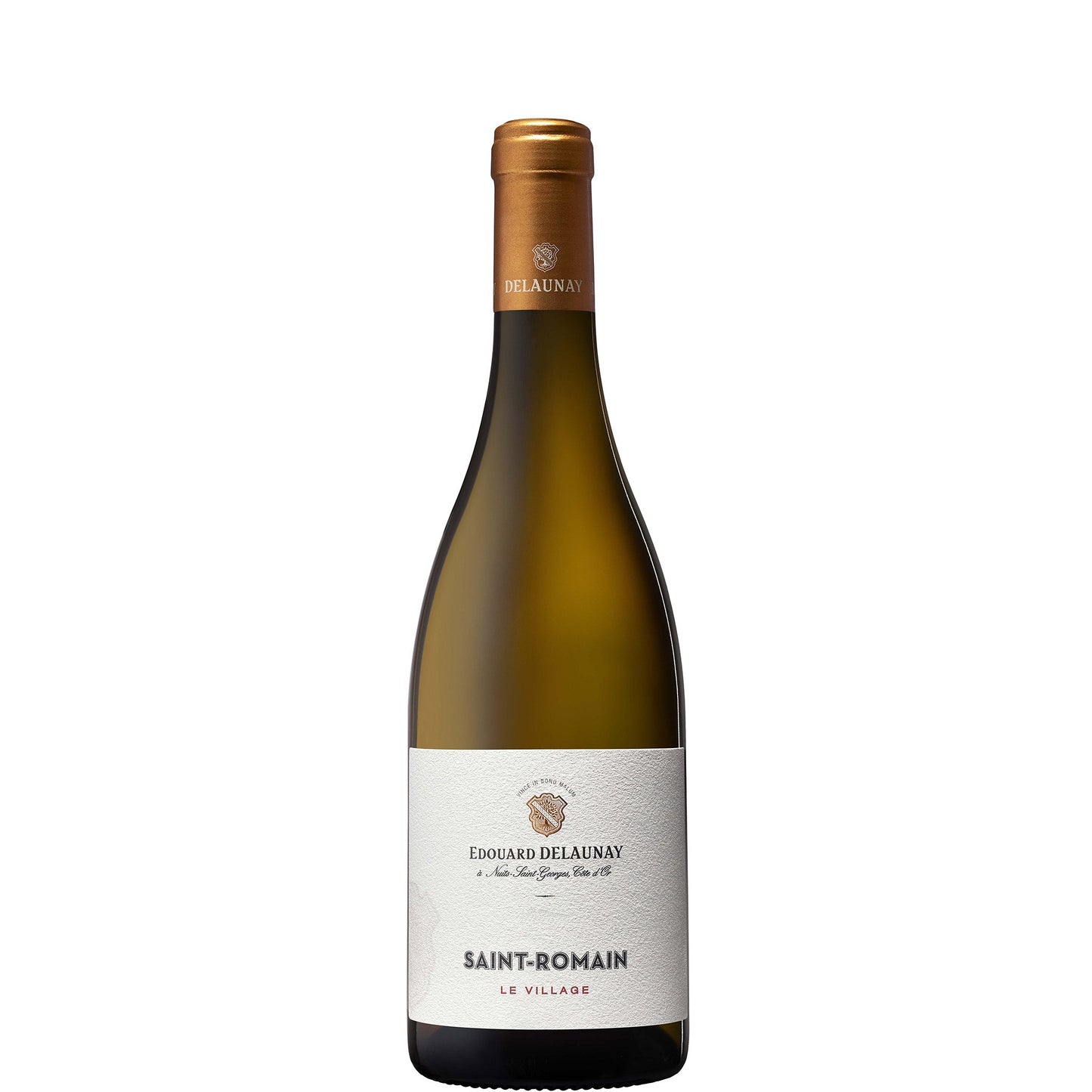
Saint-Romain 'Le Village', Edouard Delaunay, 2023
Saint-Romain 'Le Village', Edouard Delaunay, 2023
- 75cl
- 14%
- White Still
- Chardonnay
Couldn't load pickup availability

Optimal drinking window: 2026 - 2030
The 2023 white wines from Delaunay are beautifully drinkable, offering an easy elegance. Unlike the larger, richer 2022 vintage, 2023 returns to a classic size with a well-balanced acidity, not too high or low. This vintage avoided the intense heat of 2020 and 2022, allowing for a more natural acidity that didn’t degrade during ripening. With record-high yields in both red and white, the wines display a lighter but more elegant profile compared to the previous year's concentration. In particular, the whites show an impressive balance of fresh acidity and racy minerality, with no chaptalisation needed.
"A wine that expresses the freshness of higher altitudes (320-360 meters) with its limestone and small rock minerality. Aged in 30% new oak for 9 months, this wine is round, concentrated, and shows firm pear notes with a hint of vanilla. A wine that immediately speaks of its terroir."
Our note
Overall, the 2023 vintage is a welcome surprise, offering a balance of power and elegance. With a focus on terroir expression, the wines show great ageing potential and freshness, with no over-ripeness or dilution. The whites are bright, fresh, and pure, while the reds show refinement and elegance, with a good structure for future ageing. While some of the wines are still developing, there is much to look forward to in the coming years.
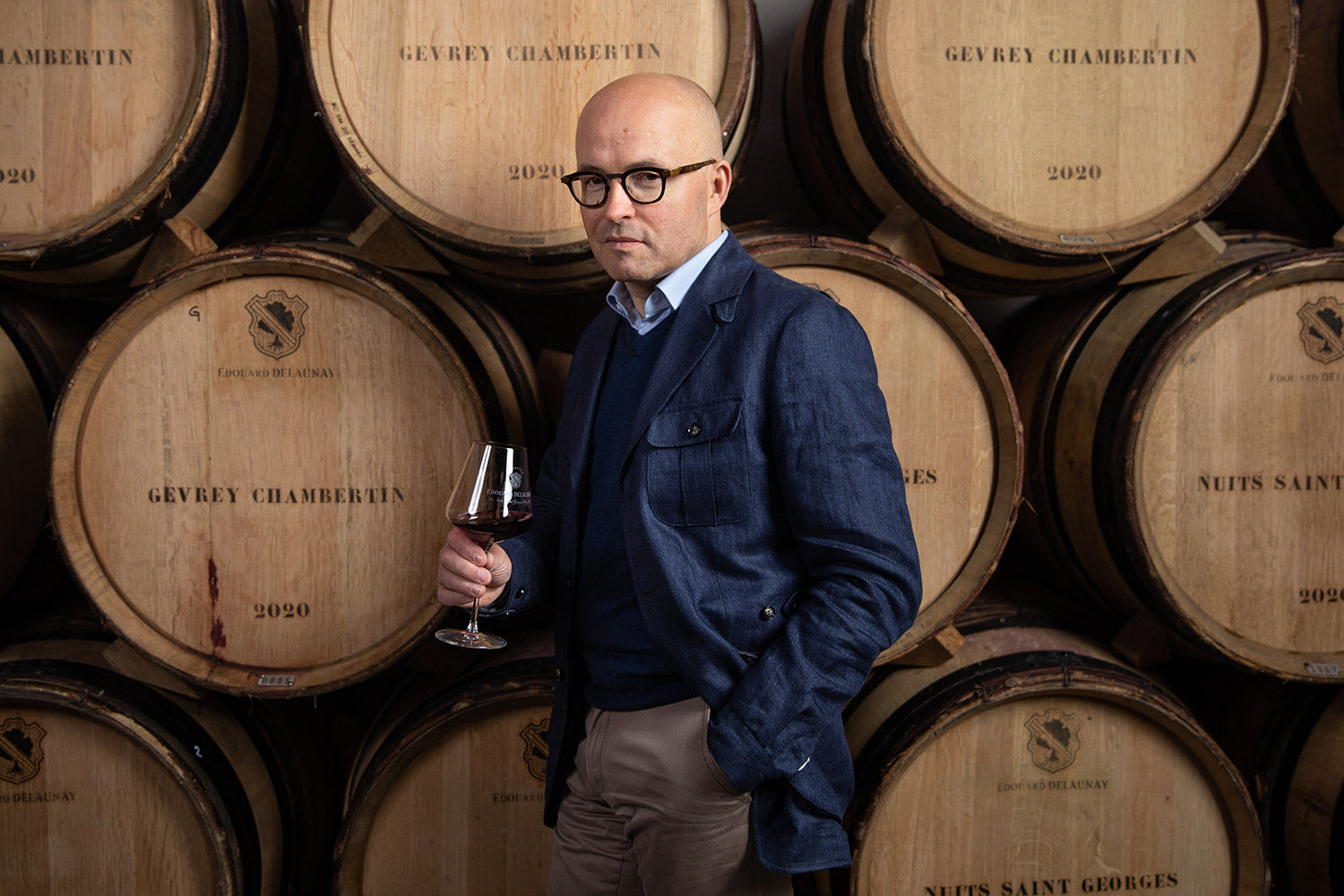
Delaunay features as one of the Top 15 Négociants & Cooperatives in Tim Atkin's Burgundy 2023 Special Report.
Currently showing its primary fruit character with crisp apple and citrus leading the way. Over the next year, expect greater integration between oak and fruit, with honeyed notes emerging alongside the mineral core. The wine should reach its sweet spot in 2027-2028, when secondary complexity balances the fresh fruit without overwhelming it.
What the critics say:
"Crisp apple, crisp sandalwood. It's like walking into my grandfather's Hermanus workshop on a warm, bright day: shafts of sunlight spinning with wood shavings, a Cape-grown apple half-crunched in my hand, the scent of wood and sea salt and warm skin, a cup of rooibos tea on the bench, fynbos fragrance blowing in on the restless Cape Doctor wind. I know that burgundy should not taste like a childhood memory of the South African Cape, but this one just does."
"Blended from two plots, La Perière and En Poillanges. 10 barrels, 3 of them new. Mid lemon yellow. There is a touch of honeysuckle on top of an austere limestone white fruit. The ripeness has been very nicely judged on the palate, with some interesting ripe citrus notes, yet good tension behind. Drink from 2026-2029. Tasted Nov 2024 ****"
Tasting Notes
AppearanceBright, mid-lemon yellow with crystalline clarity.
NoseCrisp green apple and limestone dust open to reveal honeysuckle and subtle wood spice. There's something almost workshop-like about the aromatic blend of wood shavings and bright fruit. Clean and lifted, with just enough complexity to keep you coming back.
PalateThe altitude shows immediately in the wine's taut, mineral frame. Ripe citrus and pear flesh are held in perfect tension by limestone acidity and a hint of sea salt. Oak provides structure rather than flavour, letting the fruit and mineral elements sing in harmony.
FinishClean and persistent, with mineral notes lingering long after the fruit has faded.
Overall impressionThis is Saint-Romain showing its alpine character with perfect balance and no unnecessary frills.
Food Pairings
In Burgundy's hill villages, this style of Chardonnay traditionally accompanies the local freshwater fish from the region's rivers and ponds. Escargots de Bourgogne with garlic and parsley butter make a classic pairing, as does jambon persillé, the local ham and parsley terrine. The wine's mineral backbone also complements Chaource, the soft, creamy cheese from nearby Champagne, or a simple omelette aux fines herbes made with eggs from free-range Bresse chickens.
We think this wine would go well with
Serve well-chilled at 10-12°C in proper Burgundy glasses to concentrate the delicate aromatics. No need to decant, but do let it warm slightly in the glass to reveal the full spectrum of limestone minerality. Open 30 minutes before serving to allow the oak to integrate fully with the fruit.
Saint-Romain's vineyards sit at 320-360 metres altitude on limestone-rich soils with scattered small rocks, giving the wines their characteristic mineral backbone. The elevation brings cooler nights and longer hang time, preserving natural acidity even in warmer vintages. This higher altitude terroir delivers a taut, alpine quality that distinguishes Saint-Romain from its more famous Côte de Beaune neighbours.
Saint-Romain sits behind the more famous villages of Meursault and Auxey-Duresses, tucked into the hills where Burgundy's limestone backbone is most exposed. The appellation covers both red and white wines, though the whites shine brightest on these elevated, limestone-rich slopes. Often called the 'best value in white Burgundy', Saint-Romain delivers authentic Chardonnay character without the premium attached to front-line villages.
The 2023 growing season in Burgundy unfolded like a cautionary tale about climate change, then pulled off a last-minute redemption that left everyone rather stunned. After a warm, early spring pushed budbreak ahead of schedule, the vines endured a thoroughly miserable summer of persistent rain and cool temperatures that had growers muttering darkly about rot and dilution. Just when things looked dire, September arrived with glorious sunshine and dry winds that concentrated the fruit and saved the harvest—though not without some frantic sorting in the cellars.
What emerged from this meteorological rollercoaster are wines that wear their vintage on their sleeve: Pinot Noirs with bright, singing acidity and red fruit that feels almost crystalline in its purity, whilst the Chardonnays show remarkable tension and mineral drive. The reds are drinking beautifully now if you fancy immediate pleasure, but we suspect the better villages and premiers crus will reward patience over the next decade. It's not a powerhouse vintage, but there's something genuinely charming about these wines—they remind us why we fell for Burgundy in the first place.
FAQs
What does this wine taste like?
Crisp and mineral-driven, with green apple, pear, and limestone character. Think alpine freshness with subtle oak spice and a clean, saline finish.
When should I drink this wine?
Perfect to drink now and over the next couple of years while it retains its signature freshness and bright acidity.
What food pairs well with this wine?
Excellent with shellfish, roast chicken, soft cheeses like Chaource, or classic Burgundian dishes like escargots or jambon persillé.
How should I serve this wine?
Serve well-chilled at 10-12°C in proper Burgundy glasses. No need to decant, but allow 30 minutes in glass to warm slightly.
Is this wine worth cellaring?
Drink within the next few years while the fresh, mineral character is at its peak. This style rewards immediate enjoyment over long-term cellaring.
How does this compare to other white Burgundies?
Saint-Romain offers authentic Burgundian character at a fraction of the price of famous villages, with distinctive alpine minerality that sets it apart from richer Côte de Beaune whites.
Explore related wines


What are you looking for tonight? Tell me the occasion, a grape, a region — or just try a suggestion below.
Your recommendations will appear here.
-
-
Speak to one of our Wine Gurus
Speak to a Wine GuruWith years of experience, our team can help you with all your wine buying and selling needs