
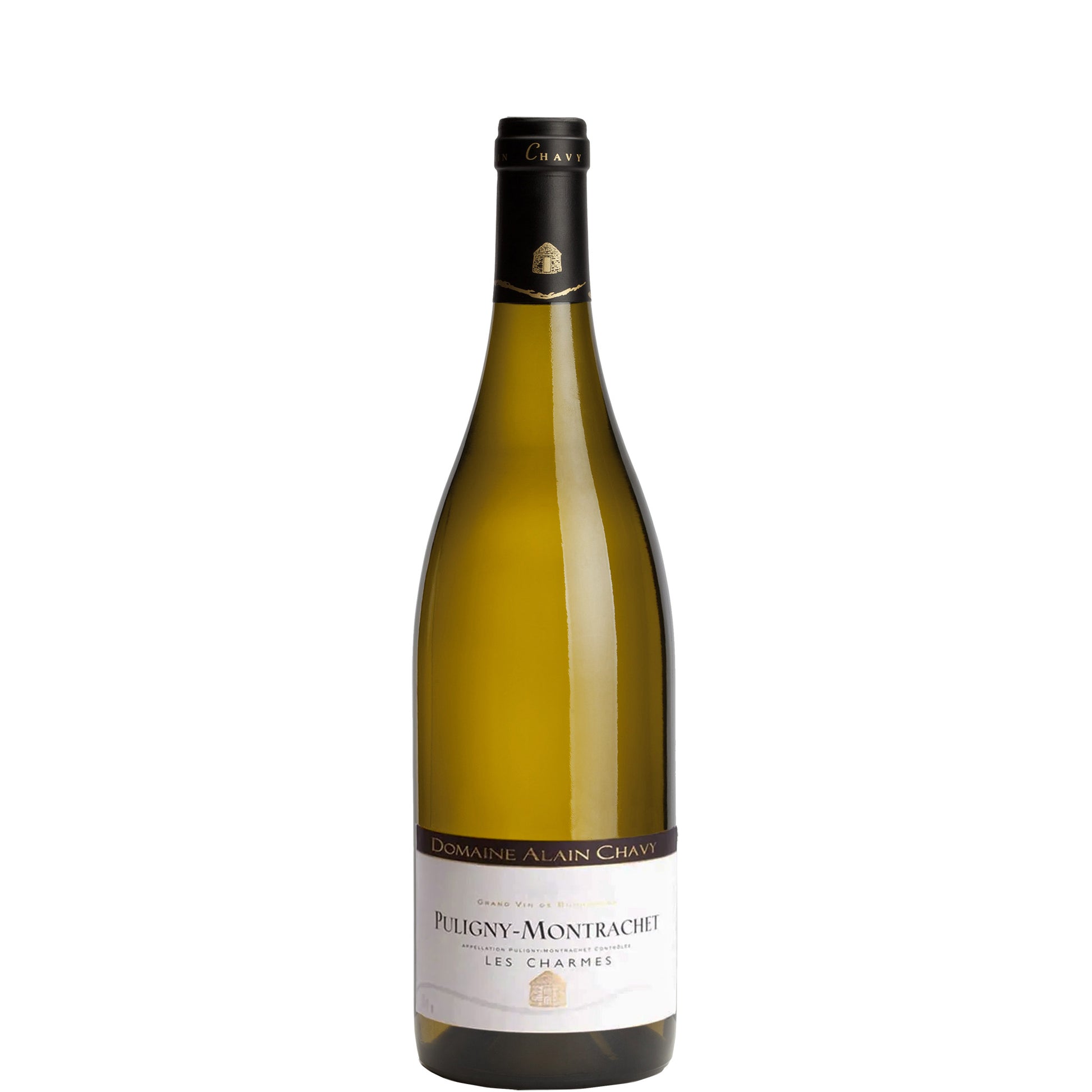
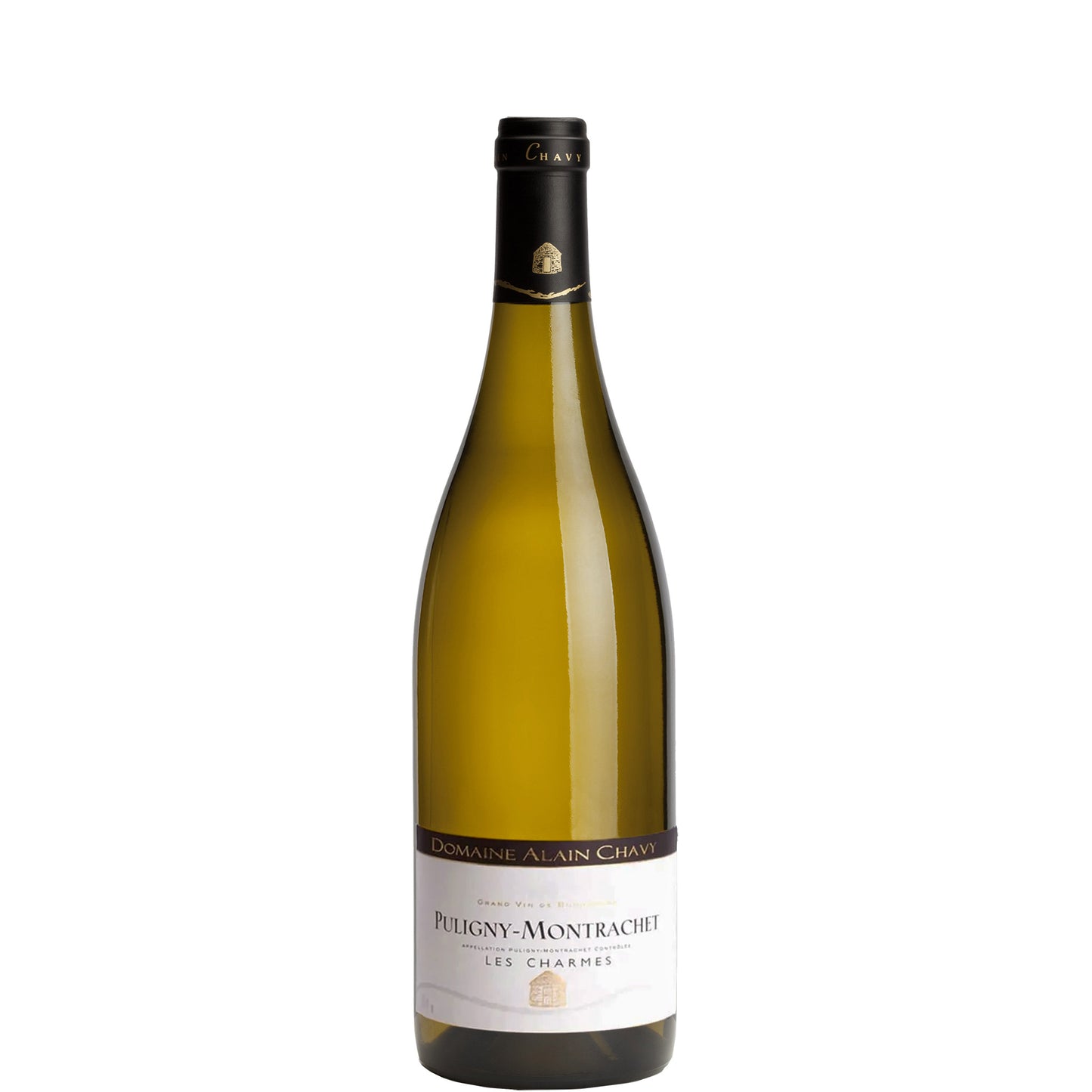
Puligny-Montrachet Les Charmes, Domaine Alain Chavy, 2021
Puligny-Montrachet Les Charmes, Domaine Alain Chavy, 2021
- 75cl
- 13%
- White Still
- Chardonnay
Couldn't load pickup availability

Optimal drinking window: Now - 2035
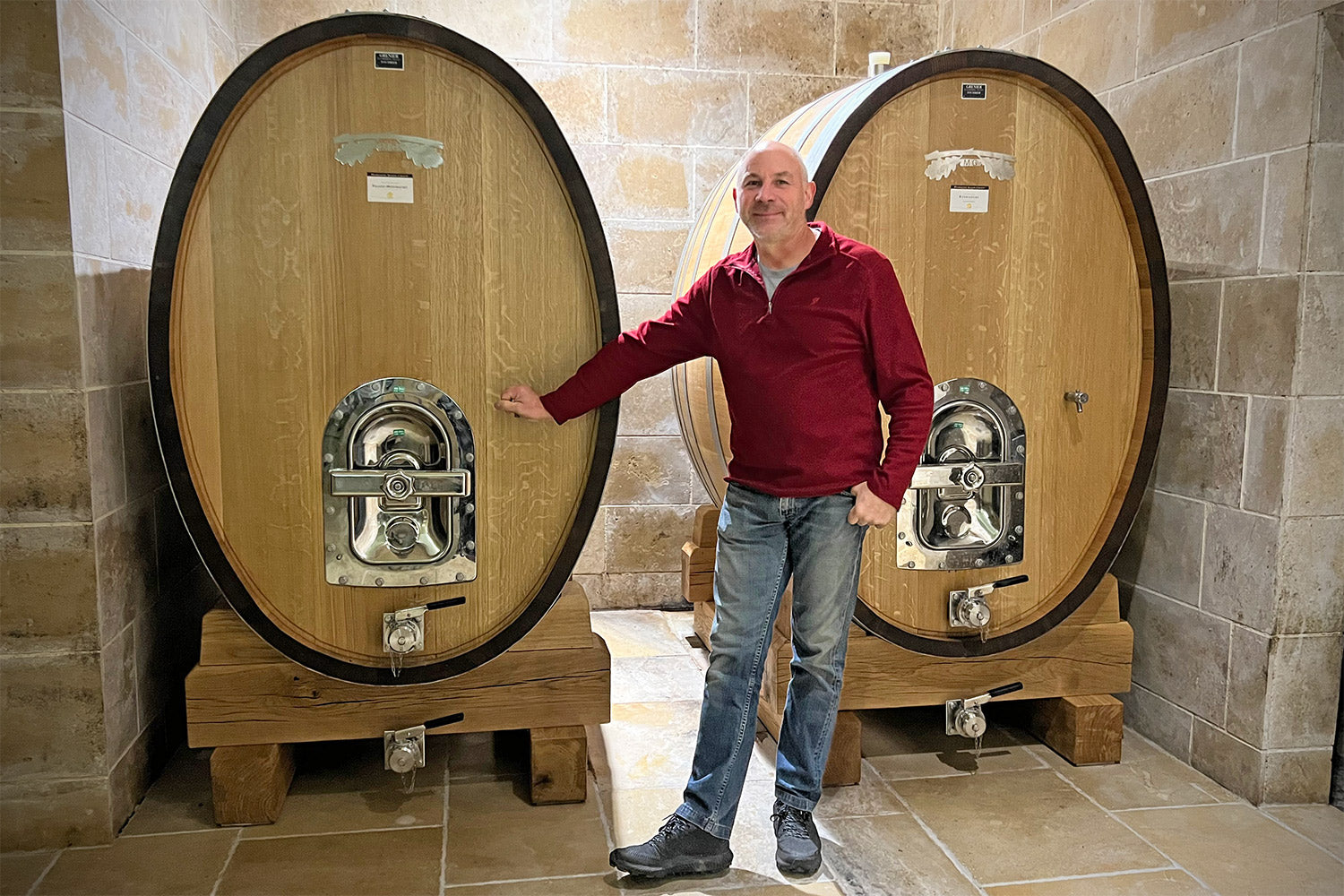
The Chavy family has been rooted in Puligny for nearly 200 years, but their modern legacy began in 1976 when Gérard Chavy chose to stop selling grapes to négociants and started bottling wine under his own label.
In 2003, Gérard's sons, Alain and Jean-Louis, parted ways due to differing winemaking philosophies, each establishing their own domaines. Alain Chavy now cultivates 7 hectares, including some of Puligny's most prestigious Premier Cru vineyards. Known for his restrained style, Alain’s focus on purity of fruit has quickly elevated his domaine to a gem within the appellation.
With a minimal intervention approach and an emphasis on freshness, Alain crafts wines defined by purity, precision, and tension. His vineyards are sustainably farmed, with all cuvées hand-harvested and barrel-fermented at low temperatures—Alain’s secret to preserving depth, complexity, and energy in his wines.
The 2021 vintage across Burgundy produced wines with excellent natural acidity, which gives Les Charmes the backbone to hold comfortably until 2035 before any gentle decline sets in.
What the critics say:
"Much more obviously oak-influenced aroma than on the straight Puligny. Spicy and toasty oatmeal. But that oak is really lovely on the palate because the crisp citrus and fresh-pear flavours are in perfect balance with the oak polish. Needs a little more time."
Tasting Notes
AppearancePale gold with a faint green edge, clear and bright in the glass.
NoseThe oak announces itself first — toasted oatmeal, a gentle spice, something lightly biscuity — but there's real fruit beneath it: crisp pear and lemon zest with a flinty undercurrent. It's more obviously oak-influenced than Alain's straight Puligny, which is worth knowing upfront, but nothing here is gratuitous.
PalateWhere the nose leads with oak, the palate corrects the balance entirely. Fresh citrus and firm pear push through cleanly, and the barrel influence settles into a polished, creamy texture rather than weight or warmth. The acidity is very much alive — this has genuine tension running through it.
FinishLong, mineral, and clean, with a flinty, chalk-edged persistence that lingers well after the fruit fades.
Overall impressionA Puligny Premier Cru in the process of finding its feet — the components are all excellent, but the best is still ahead of it.
Food Pairings
In the villages around Puligny, this kind of wine ends up on the table with whatever the Burgundian kitchen does best: a classic poulet à la crème, the chicken cooked down with white wine and finished with crème fraîche until the sauce coats a spoon. It's equally at home alongside a brochet au beurre blanc from further north in the Loire tradition — pike quenelles are another local favourite. On a simpler evening, a wedge of Époisses or a good Comté aged past six months does the job rather brilliantly. The wine's acidity and mineral edge mean it won't be steamrolled by rich dishes; it holds its own.
We think this wine would go well with
Serve at 11-13°C — cold enough to preserve freshness, but not so cold that it shuts the nose down before you've had a chance to enjoy it. No need to decant, though 20-30 minutes in the glass will open things up considerably. A large-bowled white Burgundy glass — Zalto Burgundy or the Riedel equivalent — gives the wine the room it needs to unwind.
Les Charmes sits on the eastern-facing slopes of Puligny-Montrachet, where the soils are a mix of limestone-rich clay and chalky marl — the kind of geology that keeps white Burgundy honest, pulling freshness and mineral bite from the earth even in warmer vintages. The vines are at around 250 metres, high enough to hold onto acidity without losing ripeness. This combination of cool subsoil drainage and good sun exposure is what gives Les Charmes its characteristic finesse alongside genuine substance.
Puligny-Montrachet is the white wine capital of Burgundy, if not the world — a small village on the Côte de Beaune responsible for some of the most sought-after and imitated Chardonnay on the planet. Its Premier Crus sit on the mid-slope between village-level vineyards below and the Grand Crus — Le Montrachet, Bâtard, Chevalier — above. The appellation rules require 100% Chardonnay, with relatively low yields and mandatory hand-harvesting from the better producers. Compared to its neighbour Meursault, Puligny tends toward precision and lift rather than richness and weight; there's a tautness here that Meursault rarely matches.
The 2021 growing season in Burgundy started badly and got worse before pulling off one of wine's great escapes. Spring frost in April devastated vineyards across the Côte d'Or, followed by a summer that alternated between biblical downpours and scorching heat. Many producers lost 50% or more of their crop to the frost alone, then watched hail batter what remained in some unlucky villages. By August, with rot creeping through rain-soaked vineyards, even the most optimistic vignerons were writing off the vintage.
What emerged from this chaos surprised everyone: wines with remarkable freshness and purity, if you can find them. The tiny yields meant those grapes that survived were intensely concentrated, while the September sunshine saved the day with perfect ripening conditions. We find the reds show beautiful fruit clarity without heaviness, drinking with an immediacy that makes them irresistible now but promising a decade or more of evolution. The whites are particularly stunning, with a mineral intensity that cuts through their richness. Yes, there's not much 2021 Burgundy about, and yes, it's expensive, but this is one of those vintages where disaster bred greatness.
FAQs
What does this wine taste like?
Crisp pear and citrus are at the heart of it, with a creamy, oak-polished texture and a firm mineral edge on the finish. The barrel influence is present on the nose — toasted oatmeal, a little spice — but the palate keeps everything fresh and precise. It's a wine defined by tension rather than richness.
How long will this wine keep?
Comfortably until 2035. The 2021 vintage produced wines with excellent natural acidity across Burgundy, and that gives Les Charmes real staying power. We'd expect the sweet spot to be somewhere between 2026 and 2032.
What food should I serve with this?
Rich poultry dishes work particularly well — poulet à la crème, roast chicken with tarragon butter, or a good fish dish with a butter sauce. Aged Comté or a washed-rind cheese like Époisses are also very good matches. The wine's acidity means it handles richer cooking without disappearing.
How should I serve it?
Serve at 11-13°C in a large-bowled white Burgundy glass. No need to decant, but give it 20-30 minutes in the glass to open up — it repays a little patience at the table as much as in the cellar.
How does Alain Chavy compare to other Puligny producers?
Alain sits firmly in the precision and purity camp — his wines are less obviously rich than some négociant Pulignys and more focused on freshness and mineral clarity. Since splitting from his brother Jean-Louis in 2003, he's built a quietly excellent domaine across 7 hectares, and Les Charmes is one of the vineyards where that restrained, fruit-first philosophy really shows what it can do.
Explore related wines


What are you looking for tonight? Tell me the occasion, a grape, a region — or just try a suggestion below.
Your recommendations will appear here.
-
-
Speak to one of our Wine Gurus
Speak to a Wine GuruWith years of experience, our team can help you with all your wine buying and selling needs