

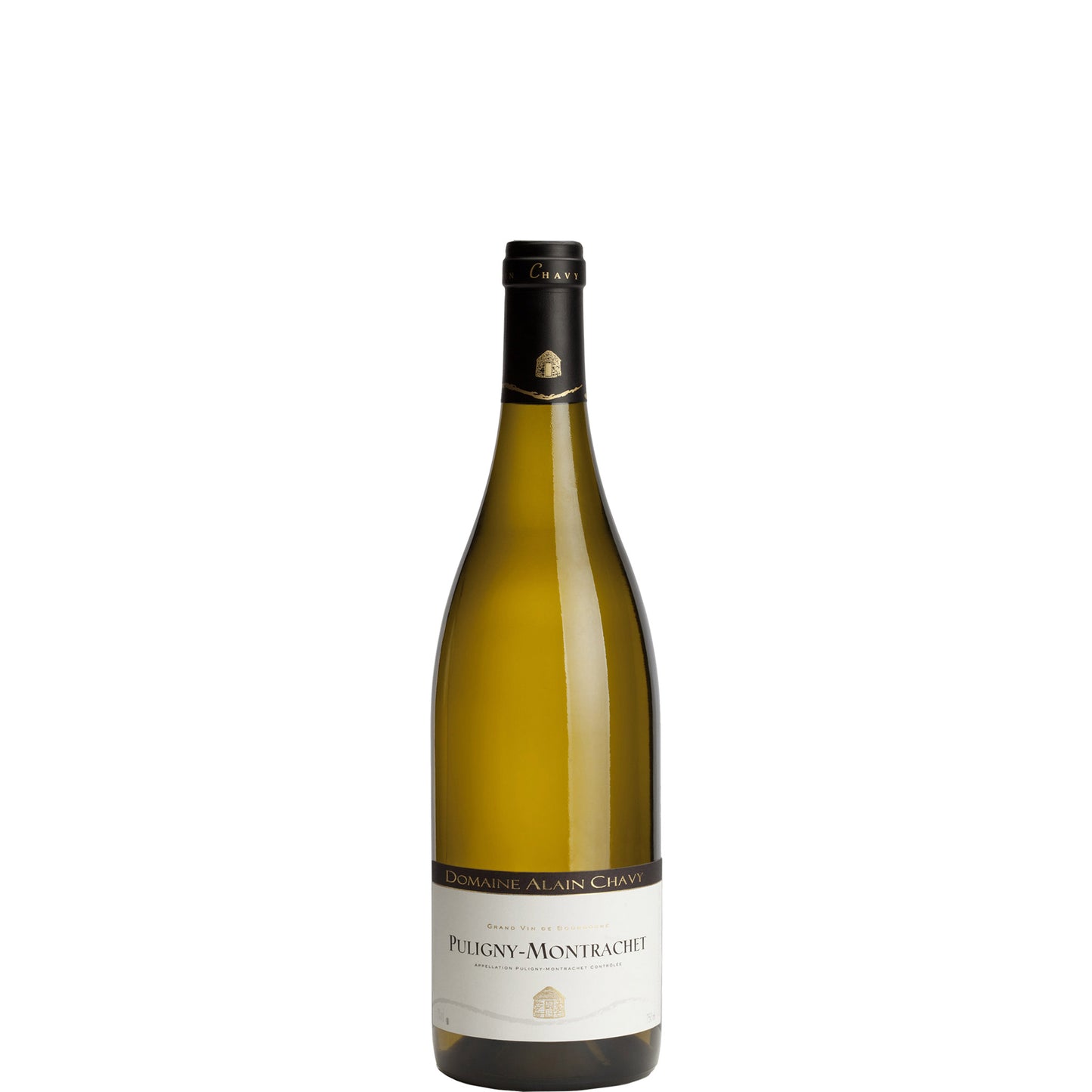
Puligny-Montrachet, Domaine Alain Chavy, 2019
Puligny-Montrachet, Domaine Alain Chavy, 2019
- 75cl
- 13%
- White Still
- Chardonnay
Couldn't load pickup availability

Optimal drinking window: Now - 2032
Alain Chavy's wines are celebrated for their remarkable freshness, precision, and tension, embodying the essence of Puligny with elegance and finesse. Today, Domaine Alain Chavy is regarded as a gem at the heart of this iconic appellation.
The Chavy family has deep roots in Puligny, dating back nearly 200 years, but the modern chapter began in 1976 when Gérard Chavy took a bold step by ceasing to sell his grapes to négociants and instead bottling wine under his own label.
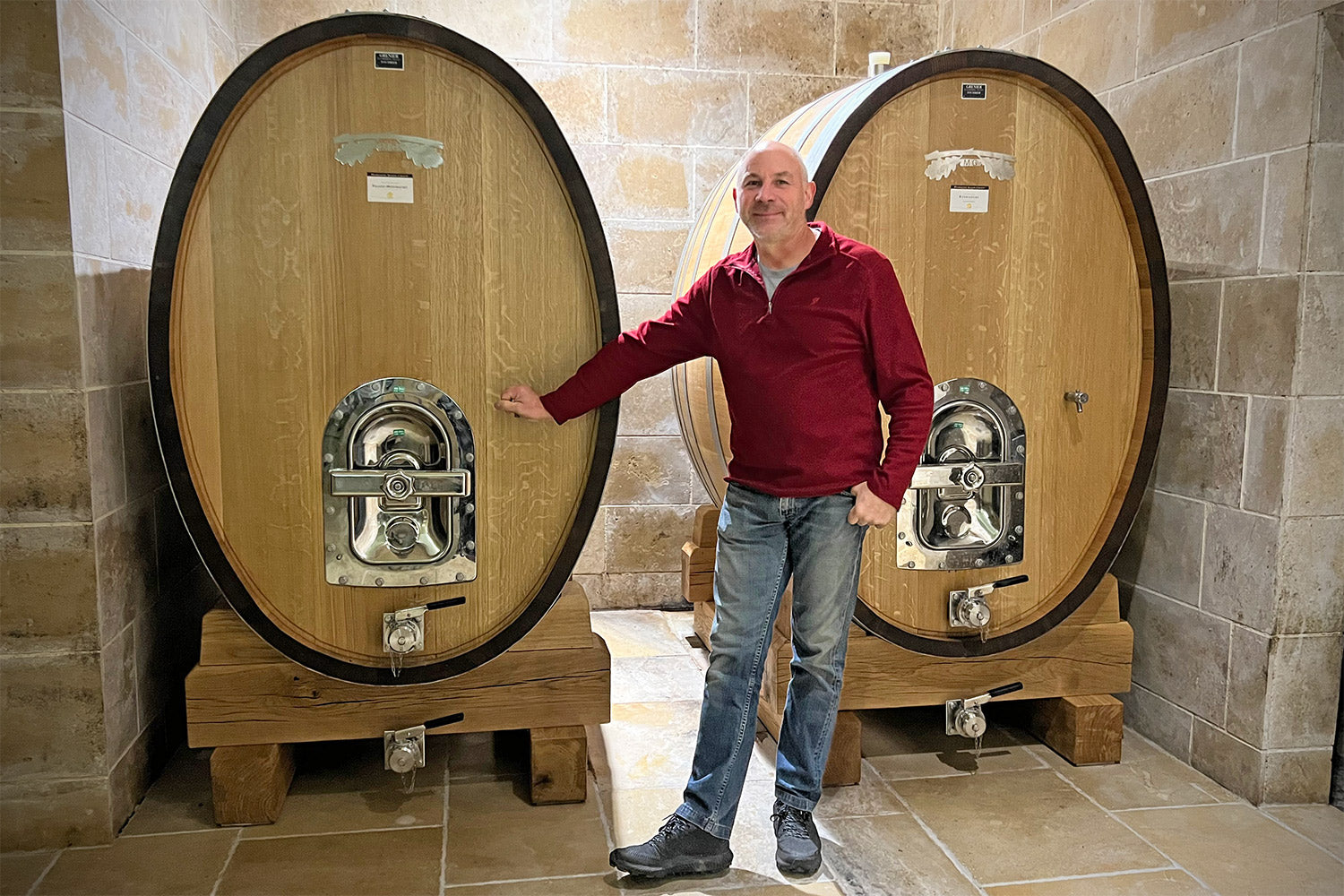
In 2003, Gérard’s sons, Alain and Jean-Louis, amicably divided the estate to pursue their own visions, each establishing a domaine. Alain Chavy now stewards 7 hectares, including some of Puligny-Montrachet’s most prestigious Premier Crus. Renowned for his restrained winemaking style, Alain prioritises purity of fruit and a minimalist approach, allowing the terroir to shine.
The 2019 vintage is showing generously now, and village-level Puligny from Chavy is already in a good place to drink. Over the next two to three years, the primary peach and citrus fruit will begin to integrate more fully with the wine's mineral core, adding a layer of complexity — think toasted almond, beeswax, and richer stone fruits. The mid-2020s represent a likely sweet spot, when the wine's tension and developing secondary character align most convincingly. By 2030 or so it may begin to lose some of that vibrant freshness, though the best-stored bottles could hold to 2032. It is not a wine to squirrel away for a decade; the pleasure is in its precision, and that is at its best relatively early.
Tasting Notes
AppearancePale gold with a bright, greenish rim and excellent clarity.
NoseCool and precise from the outset, with white peach, ripe lemon, and a distinct note of wet chalk or freshly struck flint. A faint suggestion of hazelnut and light toasted oak sits quietly in the background without crowding the fruit.
PalateMedium-bodied with a tight, focused entry and lovely tension between the 2019 vintage's natural ripeness and the wine's inherent mineral spine. White pear and citrus pith are the dominant flavours, supported by a saline, chalky texture that carries through the mid-palate. The acidity is the engine here — bright, clean, and persistent.
FinishLong and mineral, with lemon zest and a flinty, stony dryness that lingers well after the glass is empty.
Overall impressionA genuinely characterful village Puligny that earns its address — precise, poised, and built around tension rather than generosity.
Food Pairings
In Burgundy, a wine like this would almost certainly appear alongside a classic poulet à la crème, where the dish's richness needs the wine's acidity to cut through and reset the palate. Locally caught pike or perch from the Saône, served with a beurre blanc, is another natural match — the buttery sauce meeting the wine's stone-fruit character without overwhelming its precision. A simple platter of Époisses or Comté, both made just a short drive away, works brilliantly too, particularly with a few years on the wine. In the village itself, you might find it poured alongside escargots in garlic and parsley butter, a combination that makes perfect sense once you've tried it.
We think this wine would go well with
Serve at 11-13°C — cold enough to preserve the wine's precision and mineral edge, but not so cold that it shuts down the fruit. No need to decant; simply open the bottle fifteen minutes before serving to let it breathe. A wide-bowled white Burgundy glass, such as a Burgundy Grand Cru or similar, will give the aromas room to open without dissipating too quickly.
Puligny-Montrachet's vineyards sit on a slope of Jurassic limestone overlaid with thin, stony soils rich in active chalk and clay, which lend the wines their characteristic mineral tension and bright acidity. The village-level vines sit at roughly 250-280 metres on a gentle east-facing incline that benefits from morning sun and cooling afternoon breezes off the higher slopes. This combination of poor, well-drained soils and a moderate continental climate keeps yields modest and concentration natural, producing wines of focus rather than weight.
Puligny-Montrachet is one of Burgundy's most prestigious white wine villages, sitting on the Côte de Beaune between Meursault to the north and Chassagne-Montrachet to the south. The appellation produces exclusively white wine from Chardonnay, with a hierarchy that runs from village-level up through seventeen Premier Crus and two Grand Crus — Le Montrachet and Bâtard-Montrachet — shared with Chassagne. Compared to Meursault, Puligny tends toward greater precision and mineral austerity; next to Chassagne, it is generally more delicate and linear. Village-level wines like this one must meet strict yield limits and express the appellation's hallmark combination of stony minerality and clean, focused fruit.
The 2019 vintage in Burgundy delivered exactly what vignerons needed after a string of challenging years: a textbook growing season that let the grapes ripen slowly and evenly. Spring arrived gently, summer stayed warm without punishing heat spikes, and crucially, September brought those cool nights that preserve acidity whilst allowing full phenolic ripeness. We find ourselves talking about 2019 as one of those vintages where nature simply cooperated, giving winemakers healthy fruit with natural balance rather than forcing them to correct for extremes in the cellar.
What emerged are Burgundies with remarkable freshness married to genuine depth—the Pinot Noirs show that silky texture and bright red fruit character that makes great Burgundy so compelling, whilst the Chardonnays have both the mineral backbone and subtle richness that age beautifully. The quality runs impressively deep across all appellations, from village wines that drink like premier crus to grand crus that remind you why Burgundy commands such devotion. These wines are drinking beautifully now if you fancy them young and vibrant, though we suspect the better bottles will reward patience well into the 2030s.
FAQs
What does this wine taste like?
Think precision over generosity. White peach, lemon zest, and a firm chalky minerality run through it, with a bright, clean acidity that keeps everything focused. It has the ripeness of the 2019 vintage without losing the linear tension that makes Puligny worth drinking in the first place.
When is the best time to drink this wine?
It is drinking well now and has been since around 2024. The sweet spot is probably 2025 to 2029, when the primary fruit has settled and a little more secondary complexity has emerged. We would not push it much beyond 2032 — this is a wine defined by its freshness, and that will not last forever.
What food should I pair this with?
Classic white Burgundy pairings work beautifully here: roast chicken with cream sauce, pan-fried sea bass, grilled scallops, or a simple plate of Comté. The wine's acidity means it can handle some richness in the dish without being overwhelmed. Avoid anything too strongly spiced or acidic, which would flatten the wine's mineral character.
How should I serve this wine?
Serve between 11 and 13°C in a wide-bowled white Burgundy glass. No need to decant — just open the bottle a few minutes before pouring. If it comes straight from the fridge, give it ten to fifteen minutes in the glass before you really dig in.
Is this worth cellaring?
It has the structure to develop over the next few years and will reward patience until around 2029 or so. That said, it is already giving a lot of pleasure now, and village-level Burgundy from a warm vintage like 2019 does not necessarily improve dramatically with extended ageing. If you have more than one bottle, we would drink one now and save the rest for 2027 or 2028.
How does this compare to other Puligny-Montrachet producers?
Alain Chavy sits comfortably in the serious, quality-focused tier of the village — comparable in style to producers like Chartron or Leflaive in its restraint, though at a more accessible price point. His wines are known for precision and purity rather than the richer, oakier style you might find elsewhere, which makes them honest expressions of what Puligny actually tastes like at its best.
Explore related wines


What are you looking for tonight? Tell me the occasion, a grape, a region — or just try a suggestion below.
Your recommendations will appear here.
-
-
Speak to one of our Wine Gurus
Speak to a Wine GuruWith years of experience, our team can help you with all your wine buying and selling needs