

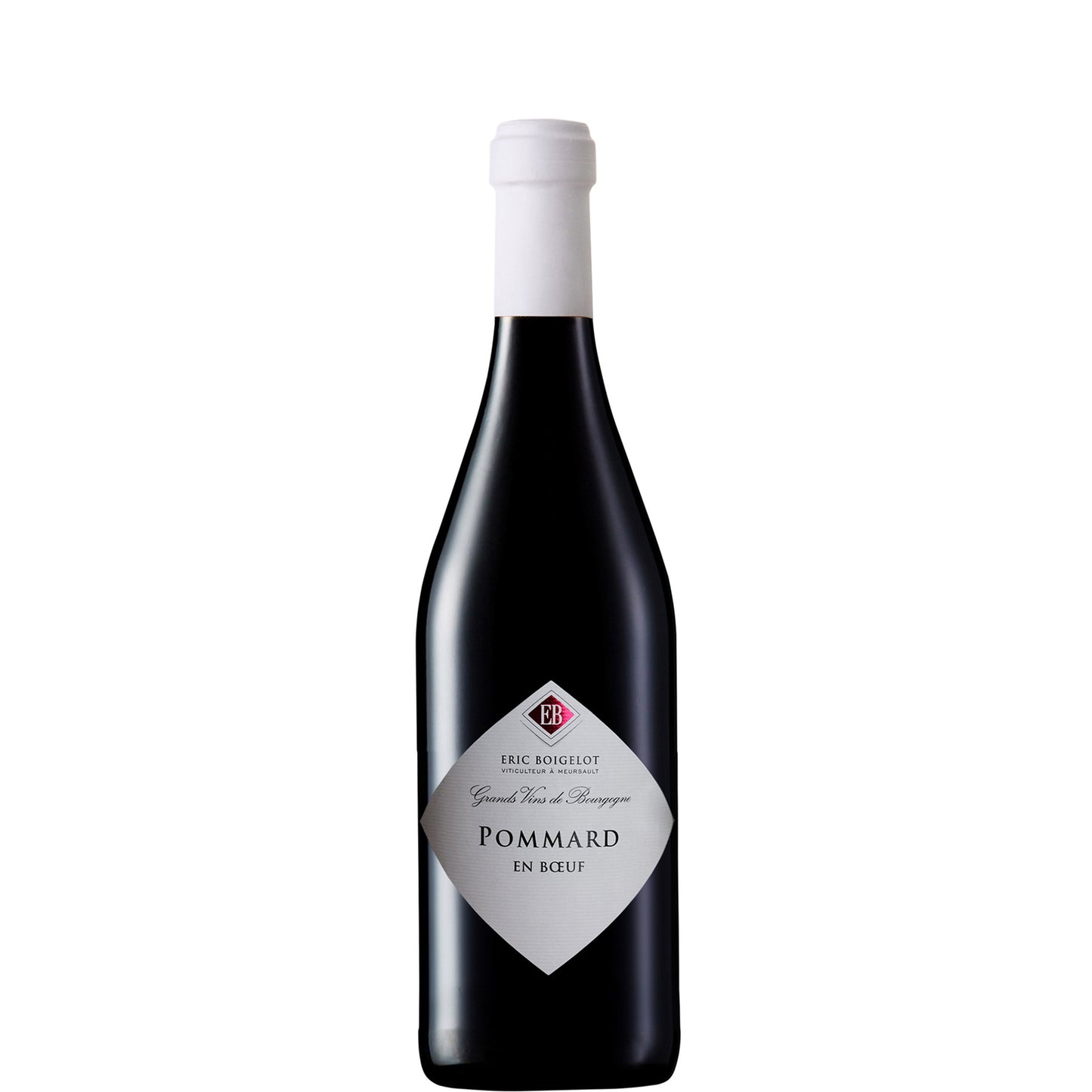
Pommard En Boeuf, Domaine Éric Boigelot, 2019
Pommard En Boeuf, Domaine Éric Boigelot, 2019
- 75cl
- 13%
- Red Still
- Pinot Noir
Couldn't load pickup availability

Optimal drinking window: Now - 2038
The Pommard appellation in the Côte de Beaune is renowned for its powerful and structured Pinot Noir wines. Éric's 2019 "En Boeuf" has excellent aging potential; enjoy it now for its vibrant fruit and robust structure, and as it ages, the tannins will soften, and the wine will develop more complex, tertiary notes of dried fruit, underbrush, and savoury nuances.
Enjoy it with rich and hearty dishes such as beef bourguignon, roasted lamb, duck breast, venison, and mushroom-based dishes.
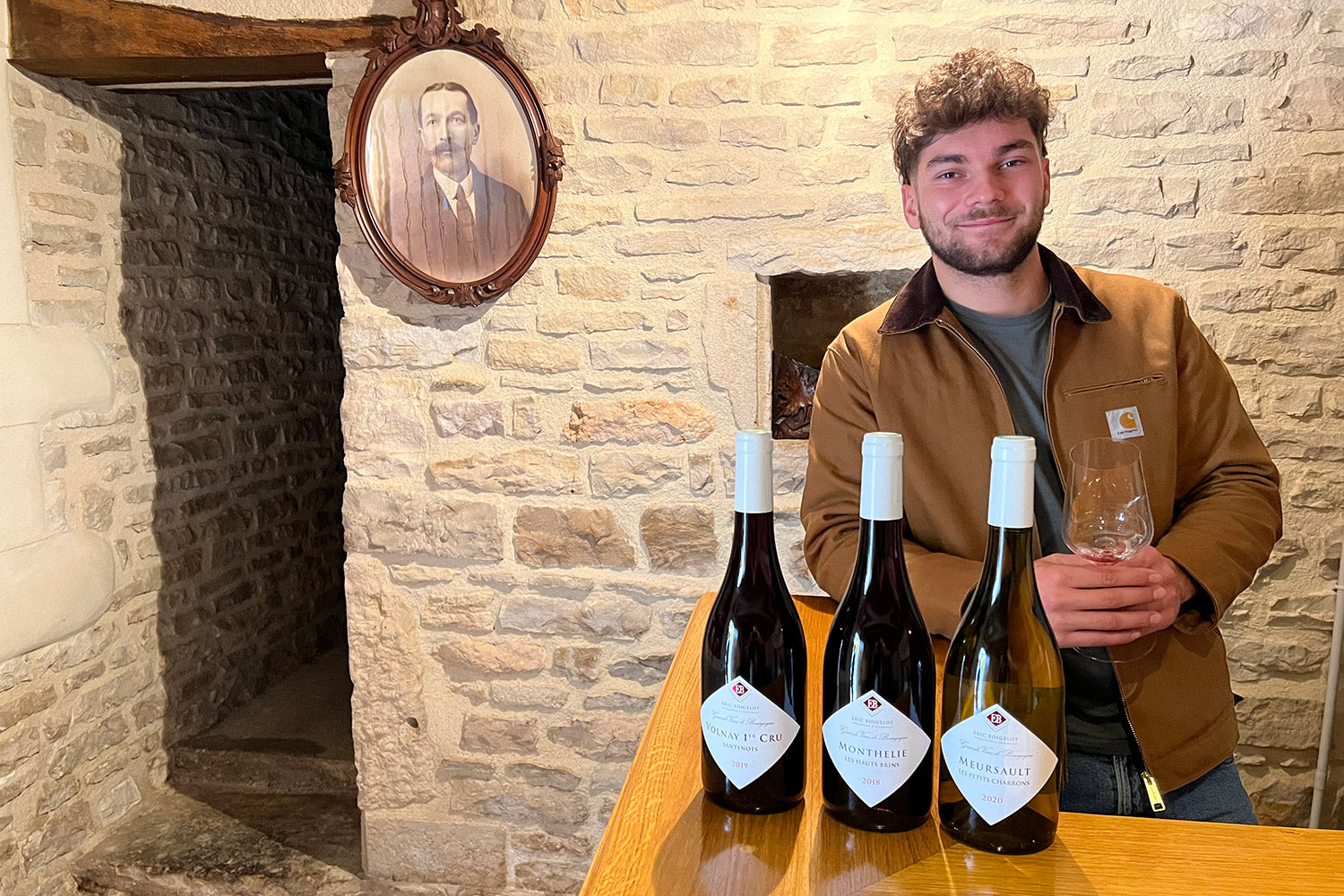
We're always keeping our eyes peeled for top value producers in Burgundy, and certainly Éric Boigelot is one of the most exciting we've found to date.
The domaine is next door to Raphael Coche Dury - to whom Éric is selling grapes, including all his Narvaux (sadly!). Coche no longer writes domaine on the label because of the need to source fruit externally – an amount of which comes from Éric. If it's good enough for Coche, it's good enough for you should be the strapline here...
Right now, En Boeuf 2019 is in an interesting middle phase — the primary fruit is still vivid and appealing, but the tannins have enough grip to suggest the best is ahead. By 2028-2029, we'd expect the structure to start softening meaningfully, and the wine to develop those savoury, tertiary layers — dried fruit, forest floor, iron, a hint of leather — that make mature Pommard so compelling. The peak window is probably 2029-2036, when fruit and complexity are in balance. Beyond 2038 or so, the wine may start to lean into dried and earthy notes at the expense of freshness, though in a good cellar it will hold longer than that.
Tasting Notes
AppearanceDeep ruby with a concentrated, almost inky core and a bright garnet rim.
NoseDark cherry, black plum, and wild bramble with an earthy undercurrent of damp soil and iron. There's a subtle lift of dried rose petal and a touch of warm spice from the oak — present but not dominant. Give it air and something wilder and more mineral starts to emerge.
PalateFull-bodied and firmly structured, with the kind of tannins that grip the gums in a way that promises rather than threatens. The fruit is generous — ripe black cherry and damson — but the wine's real character is in that iron-flecked, savoury spine running through to the finish. The 2019 warmth gives it flesh, but Pommard's clay keeps it honest.
FinishLong and persistent, with a mineral, almost bloody edge that lingers well after the fruit has faded.
Overall impressionA serious village Pommard from a producer who clearly has nothing to prove — and everything to deliver.
Food Pairings
In Burgundy, this kind of wine has one natural home on the table: beef. Boeuf bourguignon, slow-braised in local Pinot Noir with lardons and pearl onions, is practically a geographical inevitability. But the Burgundians are equally happy pairing it with roast lamb studded with garlic and thyme, or a leg of venison with a sauce made from the pan drippings. In autumn, the local habit of serving Pommard alongside a rich mushroom tart — cèpes, ideally, from the forest floor not far away — makes complete sense once you taste how the wine's earthy character mirrors what's on the plate.
We think this wine would go well with
Serve at around 16-17°C — cool enough to keep the fruit lively, warm enough to let the tannins relax. In 2026, we'd recommend decanting for at least 45 minutes to an hour; the wine is still finding its feet and benefits from the air. A large-bowled Burgundy glass will give the nose room to open up and let you catch those more elusive earthy and mineral nuances as it breathes.
En Boeuf is a lieu-dit within Pommard, sitting on the village's characteristic iron-rich clay and limestone soils — the kind that give Pommard its muscle. The slope provides good drainage, keeping yields in check and concentrating the fruit. In a warm year like 2019, that combination of heat and well-drained clay produced grapes with exceptional ripeness and structure, without sacrificing the firm backbone the appellation is known for.
Pommard is one of the Côte de Beaune's most recognisable names, producing exclusively red wine from Pinot Noir — and making no secret of its ambitions. Where its neighbour Volnay tends towards elegance and perfume, Pommard goes the other way: darker, denser, more tannic. It has no Grands Crus, but its best Premier Cru sites — Rugiens and Épenots chief among them — produce wines that age every bit as impressively. En Boeuf is a village-level lieu-dit, but in the right hands it punches well above that classification.
The 2019 vintage in Burgundy delivered exactly what vignerons needed after a string of challenging years: a textbook growing season that let the grapes ripen slowly and evenly. Spring arrived gently, summer stayed warm without punishing heat spikes, and crucially, September brought those cool nights that preserve acidity whilst allowing full phenolic ripeness. We find ourselves talking about 2019 as one of those vintages where nature simply cooperated, giving winemakers healthy fruit with natural balance rather than forcing them to correct for extremes in the cellar.
What emerged are Burgundies with remarkable freshness married to genuine depth—the Pinot Noirs show that silky texture and bright red fruit character that makes great Burgundy so compelling, whilst the Chardonnays have both the mineral backbone and subtle richness that age beautifully. The quality runs impressively deep across all appellations, from village wines that drink like premier crus to grand crus that remind you why Burgundy commands such devotion. These wines are drinking beautifully now if you fancy them young and vibrant, though we suspect the better bottles will reward patience well into the 2030s.
FAQs
What does En Boeuf taste like?
Dark cherry and black plum with an earthy, iron-edged character that's distinctly Pommard. The 2019 vintage gives it generous, ripe fruit, but the wine's grip and structure are what define it. It's not about easy pleasure — it's about substance.
When is the best time to drink this wine?
You can open it now with an hour's decanting and enjoy the vibrant fruit. But it will genuinely reward patience. The sweet spot is probably 2029 to 2036, when the tannins have softened and the wine develops those savoury, tertiary layers that make mature Burgundy so special.
What food should I pair with it?
Think rich, slow-cooked meat. Beef bourguignon is the obvious call — and not just because of the lieu-dit name. Roast lamb, venison, duck breast, or anything with a mushroom-heavy sauce will work beautifully. This is a wine that wants something on the plate to push against.
Why is Éric Boigelot worth knowing about?
He's one of the quietly exceptional producers in Burgundy — the kind the trade knows about before the wider world catches on. The fact that Raphael Coche Dury sources fruit from his vineyards tells you everything you need to know. If your grapes are good enough for Coche, the bar is set very high indeed.
Should I cellar this wine?
Yes, if you have the patience. The 2019 vintage is structured enough to reward at least five to ten more years in the cellar. Buy a case, open one now to see where it is, and leave the rest alone until 2030.
How should I serve it?
Serve at around 16-17°C and decant for at least 45 minutes to an hour. The wine is still a little closed and benefits from air. Use a large Burgundy glass to give the nose room to open up as it warms in the glass.
Explore related wines


What are you looking for tonight? Tell me the occasion, a grape, a region — or just try a suggestion below.
Your recommendations will appear here.
-
-
Speak to one of our Wine Gurus
Speak to a Wine GuruWith years of experience, our team can help you with all your wine buying and selling needs