

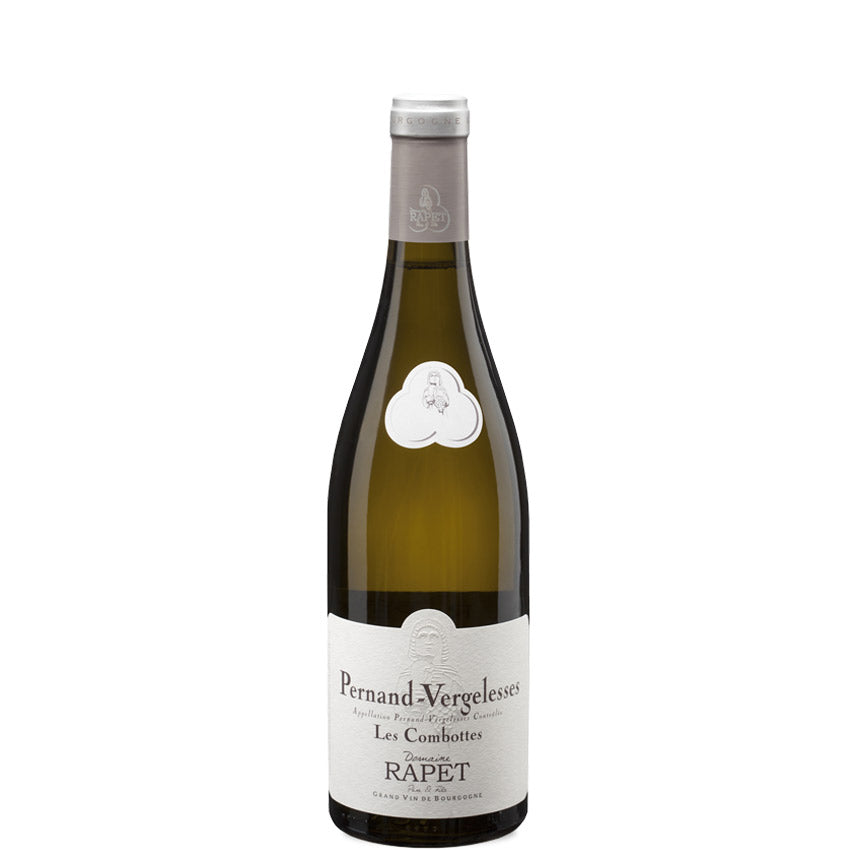
Pernand-Vergelesses Blanc, Les Combottes Rapet, Domaine Rapet, 2020
Pernand-Vergelesses Blanc, Les Combottes Rapet, Domaine Rapet, 2020
- 75cl
- 13.5%
- White Still
- Chardonnay
Couldn't load pickup availability

Optimal drinking window: Now - 2035
About Pernand-Vergelesses Blanc, Les Combottes Rapet, Domaine Rapet, 2020
Domaine Rapet Père et Fils boasts a rich heritage dating back to at least 1765, as evidenced by a cherished silver tastevin passed down through generations.
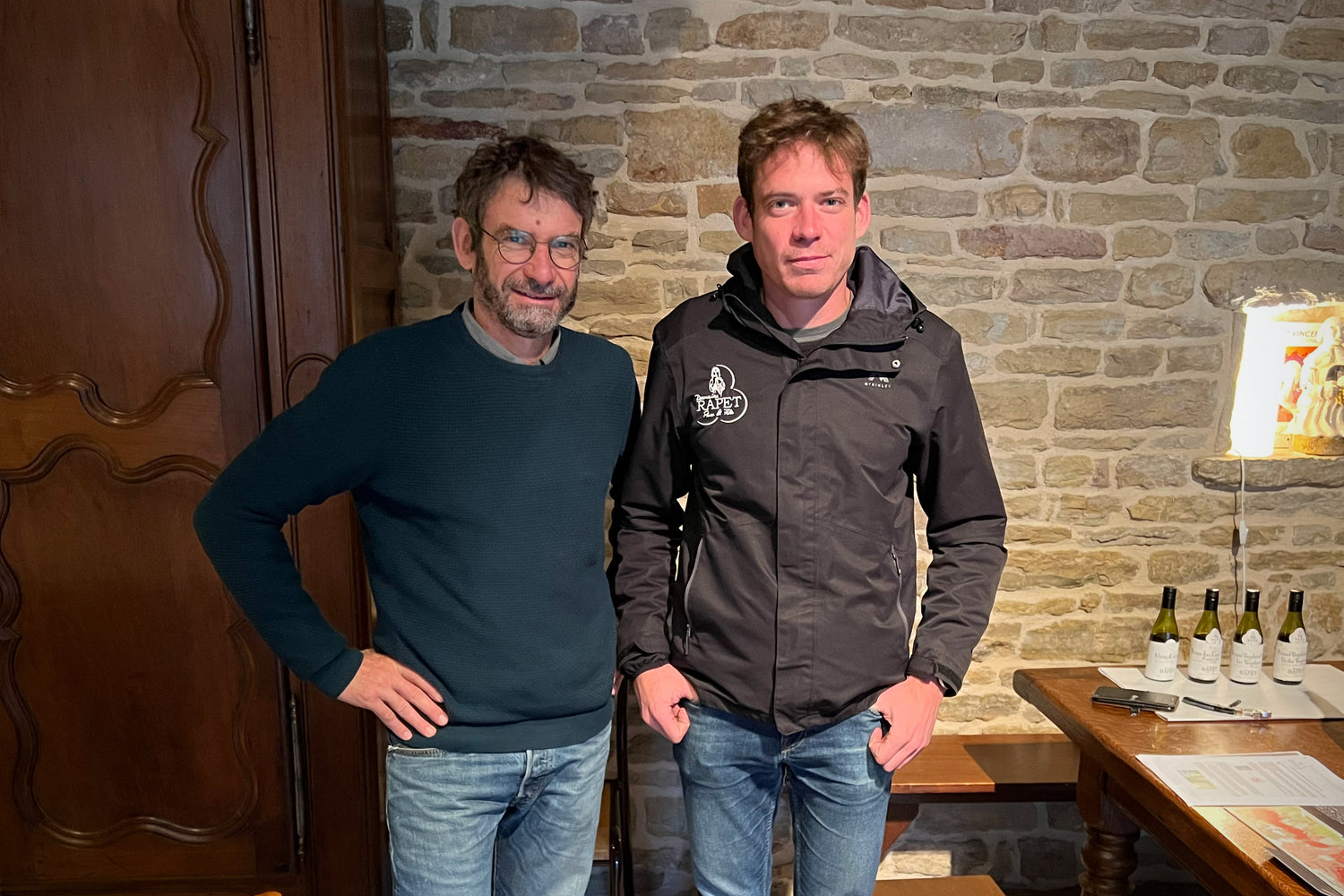
As one of the oldest families in the Côte d’Or, the estate is now expertly managed by Vincent Rapet and his wife Sylvette, who oversee 20 hectares with a deep respect for nature. Located in the village of Pernand-Vergelesses, Domaine Rapet’s vineyards are situated on and around the renowned hill of Corton.
In 2026, the 2020 is still in a slightly closed, primary phase — the fruit is present but the wine's best qualities, that limestone-driven mineral tension and latent complexity, are not yet fully on display. By 2027-2028, the oak will have fully integrated and the stony, saline character should come into sharper focus alongside more developed stone fruit. We would expect it to reach its plateau somewhere around 2029-2032, at which point the acidity, fruit, and mineral structure will be working as one. After 2033 or so, the freshness will begin to soften; drink before 2035 to catch it at its best rather than in gentle decline.
Tasting Notes
AppearancePale gold with a greenish tinge and good clarity, catching the light with a cool luminosity.
NoseCool and precise, with white peach, green apple, and lemon zest over a chalky, struck-flint character that feels distinctly of the limestone hillside. There is a subtle hazelnut quality from the oak, but it sits well behind the fruit rather than leading it. With air, a little beeswax and white flowers emerge.
PalateLean and focused, with an incisive acidity that gives real shape and direction to the wine. The fruit is there — poached pear, citrus peel, a touch of almond — but the dominant impression is one of mineral clarity, a dry, stony quality that runs from front to back. The texture is fine rather than broad, with just enough weight to feel complete.
FinishLong and flinty, with a clean citrus lift that keeps it refreshing well after the glass is down.
Overall impressionA composed, mineral-driven village Burgundy that earns its keep through precision, not power.
Food Pairings
In Burgundy, a wine like this would naturally find itself alongside a jambon persillé — the classic Burgundian terrine of ham set in parsley jelly — where its acidity cuts cleanly through the richness. Locally caught freshwater pike prepared as quenelles de brochet with a cream sauce is a classic match, the wine's leanness balancing the indulgence of the dish. A simple roast chicken from the nearby Bresse, perhaps with a little tarragon butter, is the kind of pairing that makes you wonder why you'd ever drink anything else. Époisses, the pungent washed-rind cheese of the region, is a bolder move but one the locals would not think twice about.
We think this wine would go well with
Serve at around 11-12°C — cool enough to keep the acidity bright, but not so cold you shut down the mineral complexity. This wine does not need decanting; a wide-bowled white Burgundy glass will do all the work of opening it up over the first 10-15 minutes in the glass. If anything, let it warm very slightly in the hand before the first sip and it will give you considerably more to think about.
Les Combottes sits on the cooler, north-facing flanks of the hill of Corton, just above the village of Pernand-Vergelesses. The soils are a mix of limestone and white marl, with good depth and drainage that keeps the vines working for their water. This cooler exposure preserves acidity and prolongs the growing season, giving the wine its characteristic tension and mineral edge rather than the rounder, more generous character you find on the south-facing slopes. The altitude adds freshness; these are wines of nerve as much as weight.
Pernand-Vergelesses is one of Burgundy's quieter villages, tucked behind the hill of Corton where the Côte de Beaune turns inland. It is often overlooked in favour of its grander neighbours — Aloxe-Corton to the south, Savigny-lès-Beaune to the north — which is precisely what makes it interesting for those paying attention. The white wines, made from Chardonnay, tend toward the leaner, more mineral end of the Côte de Beaune spectrum: less opulent than Meursault, less racily electric than Puligny, but with a quiet, stony quality that rewards the patient drinker. Village and premier cru whites here represent some of the Côte de Beaune's better-kept secrets.
We'll be honest: 2020 in Burgundy was a vintage that kept everyone on their toes. A warm, dry spring brought early budbreak, then summer turned properly scorching with temperatures hitting 40°C in August. The saving grace came from perfectly timed August rains that rescued the vines from serious drought stress, followed by ideal September weather that allowed for unhurried picking. Yields were mercifully normal after several years of frost-ravaged harvests, and crucially, the heat never tipped into the jammy territory that can plague warmer vintages here.
What emerged were wines with surprising freshness despite the heat, showing ripe fruit balanced by good acidity and lovely mineral precision. The reds have more immediate charm than the structured 2019s, with silky tannins and generous Pinot Noir character, whilst the whites display beautiful richness without losing that crystalline Burgundian tension we adore. This isn't a legendary vintage like 2005 or 2010, but it's thoroughly delicious and more approachable in youth than many Burgundy vintages. The village wines are drinking beautifully now, Premier Crus are just hitting their stride, and the Grands Crus will reward patience for another five to ten years.
FAQs
What does this wine taste like?
Lean, focused, and mineral-driven — think white peach, lemon zest, and a cool, chalky stoniness that runs through the whole wine. It is more about precision and tension than richness or weight, which is what makes it distinctive among Côte de Beaune whites.
When is the best time to drink this wine?
It is approachable now but slightly closed. We think 2027-2028 is when it will hit its stride, with the mineral complexity fully integrated and the fruit at its most expressive. Drink until around 2033-2035 for the best experience.
Is it worth cellaring?
Yes, if you have the patience. The high acidity and limestone-driven structure give it real ageing potential. This is not a wine to crack open tonight expecting instant gratification — give it another year or two and it will reward you considerably more.
What food should I serve with this wine?
It is a natural fit for roast chicken, white fish in cream sauce, or simply prepared shellfish. In Burgundy, it would go alongside quenelles de brochet or jambon persillé without a second thought. Avoid anything too richly spiced — the wine's character is built on subtlety.
How should I serve it?
Serve at around 11-12°C in a wide-bowled white Burgundy glass. No need to decant; just give it 10-15 minutes in the glass to open up. Avoid serving it too cold or you will miss the mineral complexity that makes it interesting.
How does Pernand-Vergelesses compare to better-known white Burgundy villages?
It sits in a quieter corner of the Côte de Beaune, behind the hill of Corton, and is genuinely underappreciated. The whites are leaner and more mineral than Meursault, less electric than Puligny-Montrachet, but they have a stony, composed quality that is entirely their own. The value relative to those more famous appellations is hard to argue with.
Explore related wines


What are you looking for tonight? Tell me the occasion, a grape, a region — or just try a suggestion below.
Your recommendations will appear here.
-
-
Speak to one of our Wine Gurus
Speak to a Wine GuruWith years of experience, our team can help you with all your wine buying and selling needs