

Mâcon-Péronne, Domaine Du Bicheron, 2023
Mâcon-Péronne, Domaine Du Bicheron, 2023
- 75cl
- 13%
- White Still
- Chardonnay
Couldn't load pickup availability

Optimal drinking window: 2026 - 2029
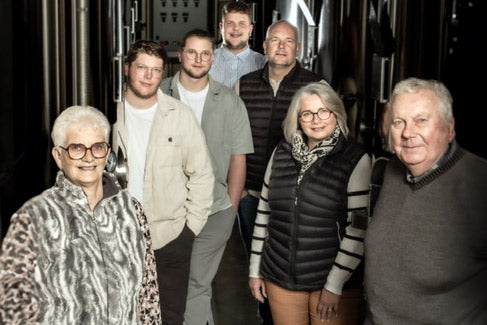
Domaine du Bicheron sits in the village of Péronne itself, which gives this Mâcon its name and a sense of genuine place. The domaine takes its name from the Le Bicheron stream that runs through the property; a quietly poetic detail that suits a wine this focused on freshness and clarity.
The 2023 vintage brought warmth without excess across the Mâconnais, and the result here is a Chardonnay that feels properly ripe without losing its nerve: white peach, lemon curd, white blossom, and a clean mineral line.
What sets this apart from the broader Mâcon-Villages crowd is exactly what the best village-level Burgundy should do; it avoids both the flabbiness that comes from underachieving fruit and the blunt force of over-oaked winemaking. This is a wine for drinking with pleasure and attention, ideally with something good on the table.
The 2023 is drinking well right now, with its primary fruit bright and expressive. Over the next year or two, the citrus edge will soften slightly and the stone fruit will become rounder and more integrated.
Tasting Notes
AppearancePale gold with a bright, silver-tinged rim and excellent clarity.
NoseWhite peach, lemon curd, and a lift of white blossom come first, then a subtle chalky quality that adds focus. There is nothing showy here — this is a nose about precision rather than generosity.
PalateGentle weight for a Mâcon, with ripe stone fruit balanced by lively citrus acidity and a clean mineral thread running through to the finish. The oak influence is imperceptible, which is exactly as it should be.
FinishCrisp and lingering, with a faint saline quality that keeps you reaching for the glass.
Overall impressionA focused, honest Mâconnais Chardonnay that earns its village name.
Food Pairings
In the Mâconnais, this is the kind of wine poured alongside a plate of jambon persillé — that gorgeous Burgundian pressed ham set in parsley jelly — or a simple gratin de queues d'écrevisses, the region's classic freshwater crayfish dish. Locally produced goat's cheese, particularly a young Mâconnais chèvre, is an effortless match for the wine's citrus acidity. On a more everyday level, a roast chicken with tarragon cream sauce is the sort of thing the locals would reach for without a second thought. The wine's freshness also makes it an excellent partner for white fish, simply prepared with butter and herbs.
We think this wine would go well with
Serve at around 10-12°C — cold enough to keep the freshness lively, but not so cold that you lose the stone fruit character. No decanting needed; just pour and enjoy. A standard white Burgundy tulip glass works perfectly, giving the wine enough room to open without dissipating its delicate aromas.
The vineyards around Péronne sit on limestone and clay soils typical of the southern Burgundy hills, which provide good drainage and the kind of mineral backbone that lifts white Burgundy out of the ordinary. The Mâconnais enjoys a slightly warmer, more continental climate than the Côte d'Or to the north, meaning Chardonnay ripens reliably while retaining freshness when yields are kept in check. At this latitude, the limestone subsoil is the key to the wine's definition — it is what gives Mâcon-Péronne its edge over more southerly, flatter appellations.
Mâcon-Villages covers a wide swathe of the southern Burgundy hills, but wines labelled with a specific village name — like Mâcon-Péronne — represent a step up in accountability and, usually, in quality. Producers using the village suffix must source from that commune and typically have stronger connections to the land they are naming. Compared to the generic Mâcon blanc, village wines tend to show more definition and a clearer sense of origin. Péronne sits comfortably in the northern part of the Mâconnais, not far from Pouilly-Fuissé, and shares some of that appellation's limestone character without the price tag.
FAQs
What does this Mâcon-Péronne taste like?
Think white peach, lemon curd, and white blossom, with a clean mineral edge and gentle weight on the palate. It is fresh, focused, and free of any heavy oak influence — precisely what good village-level Mâconnais Chardonnay should be.
When should I drink this wine?
It is drinking well now and will continue to do so until around 2029. This is not a wine that needs cellaring — it is made for near-term pleasure, and its freshness is its greatest asset. Drink it while that is still intact.
What food does it pair well with?
It is a natural match for roast chicken with tarragon cream, simply cooked white fish, or a young goat's cheese. In the Mâconnais tradition, jambon persillé or freshwater crayfish dishes are the classic local pairing.
How should I serve it?
Serve at around 10-12°C in a standard white Burgundy tulip glass. No decanting required — just open, pour, and enjoy. Getting it too cold will mute the stone fruit character, so resist the temptation to serve it straight from the fridge.
How does Mâcon-Péronne differ from other Mâcon wines?
The village suffix matters. Wines labelled with a specific village name are held to a higher standard of origin than generic Mâcon-Villages, and the best examples — like this one from Bicheron — show a clarity and definition that the broader appellation often lacks. Péronne's limestone soils give the wine its mineral edge and keep it from going soft.
Is this wine worth buying in quantity?
For near-term drinking, absolutely. If you enjoy it with dinner once, you will want a few more bottles on hand. Just do not over-buy with the intention of cellaring — this is at its best in the next two to three years.

Explore related wines


What are you looking for tonight? Tell me the occasion, a grape, a region — or just try a suggestion below.
Your recommendations will appear here.
-
-
Speak to one of our Wine Gurus
Speak to a Wine GuruWith years of experience, our team can help you with all your wine buying and selling needs