

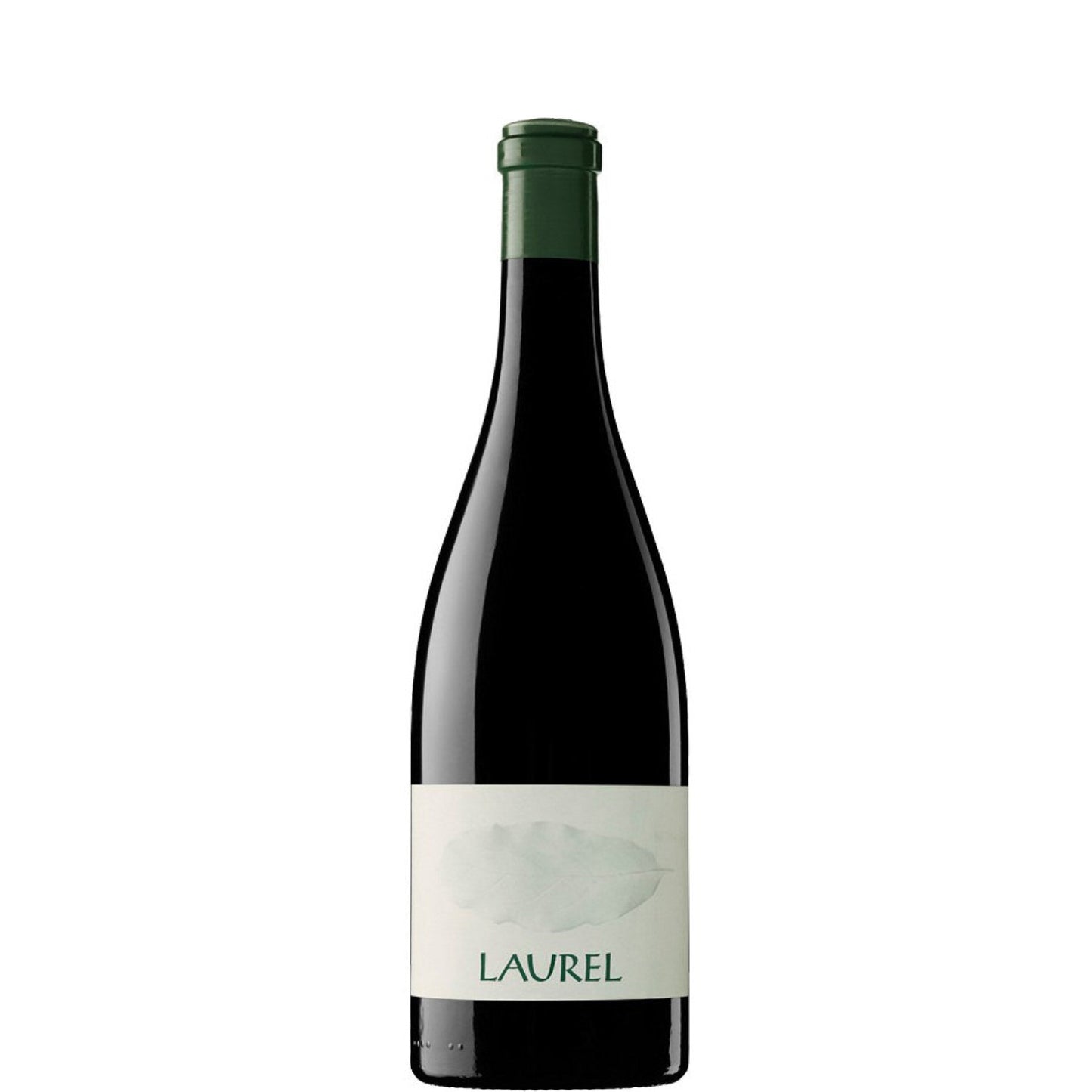
Laurel, Clos I Terrasses, 2021
Laurel, Clos I Terrasses, 2021
- 75cl
- 14.5%
- Red Still
- Grenache, Syrah
- Organic
- Vegetarian
- Vegan
Couldn't load pickup availability

Optimal drinking window: Now - 2031
About Laurel, Clos I Terrasses, 2021
The Laurel - the second, younger vine wine from Clos I Terrasses - is a fabulous wine in its own right.
The warm soils of Gratallops and a blend of mostly Grenache and a little Syrah (with decreasing amounts of Cabernet) means we’ve previously called it “a Latin-tinged Chateauneuf-du-Pape.”
Currently showing beautifully integrated oak despite its youth, suggesting excellent winemaking and balance. The primary fruit will remain vibrant for the next 3-4 years before beginning to integrate with emerging secondary complexity around 2030. We expect the wine to develop classic Priorat leather and spice notes whilst maintaining its elegant character through its peak drinking years of 2030-2038. The excellent structure suggests it will age gracefully until 2040, with the mineral backbone providing longevity even as the fruit begins to fade.
What the critics say:
"The 2021 Laurel, the second wine from Clos Erasmus was produced with grapes from younger vines, between five and 40 years old, and is a blend of 80% Garnacha, 11% Syrah and 9% Cabernet Sauvignon. The grapes were cooled down for 24 hours before sorting and destemming and then put in the vat where they warmed up and started fermenting naturally. They did a soft vinification with short pumping overs to avoid extraction, and the fermentation lasted two to three weeks followed by four weeks of maceration. The wine matured in oak vat, barrel and amphorae for 18 months. It's super aromatic, floral and expressive, clean and elegant, delicate and ethereal. It has a velvety palate that is nicely textured, seamless, elegant and balanced and with a focused, clean, long finish. I see the meaty side of Syrah here. It has 14.5% alcohol with a pH of 3.3. The oak is completely integrated despite the fact that the wine is very young. 28,000 bottles produced. It was bottled in May 2023."
Tasting Notes
AppearanceDeep ruby with violet highlights, showing impressive concentration without opacity.
NoseImmediately striking for its floral lift - violet and lavender dancing above darker notes of blackberry and olive tapenade. The Syrah contributes a meaty, almost charcuterie-like complexity, whilst the Grenache provides that signature herbal garrigue character. There's a mineral thread running through everything, pure Priorat slate.
PalateVelvety texture that feels almost contradictory given the wine's obvious concentration and structure. The fruit is ripe but restrained, with blackberry and dark plum supported by perfectly integrated tannins. That meaty Syrah character becomes more prominent on the palate, adding savoury depth without overwhelming the wine's essential elegance.
FinishLong and focused, with the slate minerality providing a clean, precise conclusion that lingers beautifully.
Overall impressionThis is Priorat with manners - all the power and mineral intensity you expect, delivered with uncommon grace.
Food Pairings
In Priorat and the wider Catalonia region, this would traditionally accompany hearty mountain fare like wild boar stewed with herbs, or the local specialty of lamb cooked over vine cuttings. The Catalans would also pair it with their famous escalivada - roasted peppers, aubergines and onions dressed with olive oil - or with aged Manchego cheese and membrillo quince paste. The wine's combination of power and elegance makes it perfect for the region's robust cuisine that balances rustic ingredients with sophisticated preparation.
We think this wine would go well with
Serve at 16-18°C to allow the floral aromatics to shine whilst maintaining the wine's structural integrity. A brief decanting of 30-45 minutes will help integrate the components, though it's drinking beautifully straight from the bottle. Use large Burgundy bowls rather than Bordeaux glasses to capture those ethereal aromatics that make this wine so distinctive.
The vineyards sit on Priorat's signature llicorella soils - a mixture of black slate and quartz that absorbs heat during the day and releases it at night, creating ideal ripening conditions. The warm, well-draining soils of Gratallops village, combined with the region's steep terraced slopes and continental climate with Mediterranean influences, produce grapes of exceptional concentration. These ancient schist soils impart a distinctive mineral backbone that runs through every bottle.
Priorat, or Priorato in Spanish, is one of only two Spanish regions to hold DOQ status, the country's highest classification. The region was virtually abandoned until the late 1980s when a group of pioneering winemakers recognised the potential of its ancient llicorella slate soils and extreme terraced vineyards. Known for producing some of Spain's most powerful and mineral-driven wines, Priorat sits inland from the Mediterranean in Catalonia, where old Grenache and Carignan vines thrive on impossibly steep slopes.
The 2021 vintage in Catalonia turned out to be one of those years that kept everyone guessing until the very end. Spring brought irregular rainfall patterns that had producers watching the skies with particular intensity, whilst summer heat arrived in waves rather than the steady build many were expecting. The harvest itself stretched longer than usual, with different zones and varieties ripening at their own pace, demanding careful selection and multiple picking passes from the most conscientious producers.
What emerged from all this uncertainty are wines with a particular freshness that sets them apart from the riper, more immediate vintages of recent memory. The Garnacha and Cariñena from the older vine sites show real backbone and minerality, whilst the Tempranillo-based blends carry more obvious fruit but with underlying tension that suggests they'll reward patience. We find ourselves drawn to the way these wines balance ripeness with acidity, though they're showing a bit reserved in their youth. Give them until 2025 to really hit their stride, though the whites are drinking beautifully now.
FAQs
What does this wine taste like?
Floral and elegant with blackberry fruit, meaty Syrah depth, and distinctive slate minerality. Think Châteauneuf-du-Pape with extra finesse and Priorat's signature mineral backbone.
When should I drink this wine?
Drinking beautifully now through 2040. It's approachable in its youth but will develop greater complexity over the next decade whilst maintaining its essential elegance.
What food pairs well with this wine?
Excellent with roasted lamb, wild boar, or aged Manchego cheese. The wine's combination of power and elegance works beautifully with both rustic and refined preparations.
How should I serve this wine?
Serve at 16-18°C in large Burgundy bowls. A brief 30-45 minute decant will help, though it's gorgeous straight from the bottle.
Is this wine worth cellaring?
Absolutely. While delicious now, it will reward patience with developing secondary complexity whilst maintaining its distinctive elegance through its drinking window until 2040.
How does this compare to other Priorat wines?
This is Priorat with unusual grace - all the mineral intensity and power you expect from the region, but delivered with uncommon elegance and floral lift that sets it apart from more muscular expressions.


What are you looking for tonight? Tell me the occasion, a grape, a region — or just try a suggestion below.
Your recommendations will appear here.
-
-
Speak to one of our Wine Gurus
Speak to a Wine GuruWith years of experience, our team can help you with all your wine buying and selling needs