

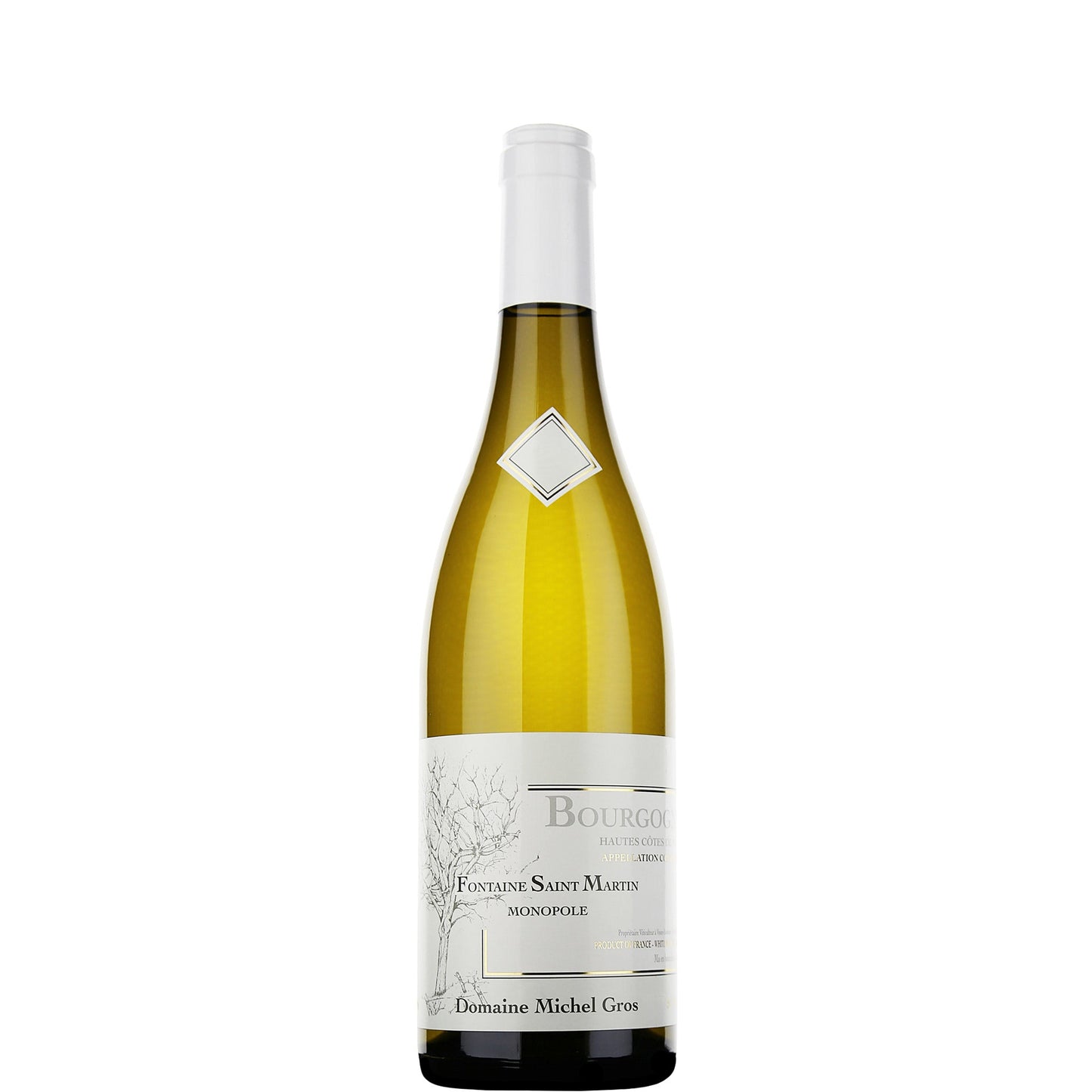
Hautes Côtes de Nuits, Fontaine Saint Martin Blanc, Domaine Michel Gros, 2020
Hautes Côtes de Nuits, Fontaine Saint Martin Blanc, Domaine Michel Gros, 2020
- 75cl
- 13.5%
- White Still
- Chardonnay
Couldn't load pickup availability

Optimal drinking window: Now - 2030
"Fontaine St Martin has 3 of the seven hectares planted with Chardonnay. This is fresh, clean and elegant with floral notes and orange and yellow citrus notes."
Our note
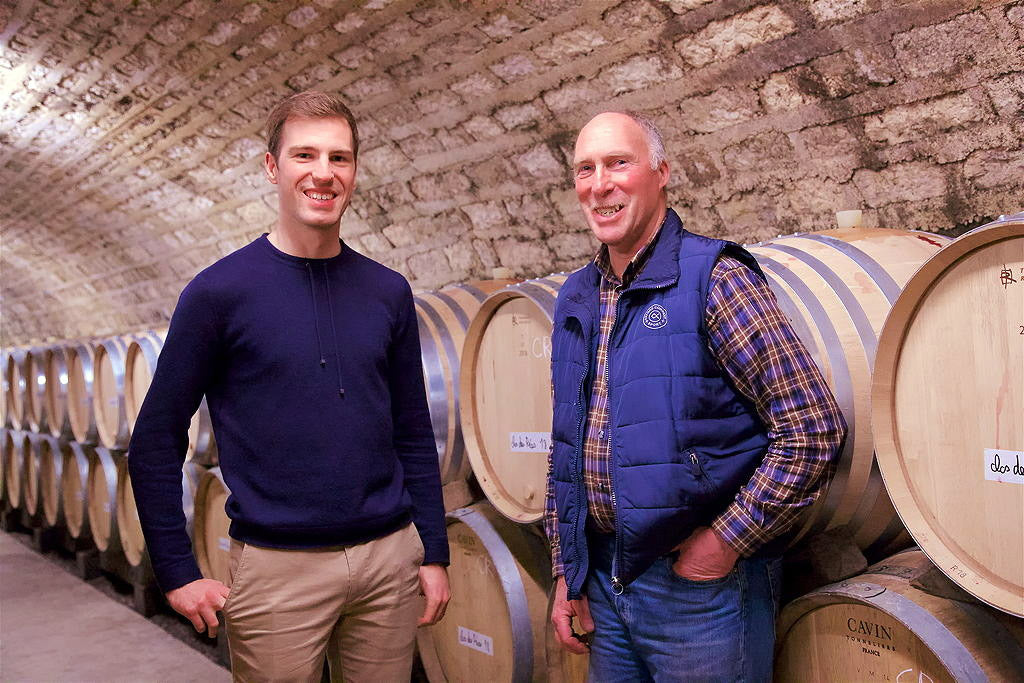
The Gros family have been a dominant presence in Vosne-Romanée since 1830 and Michel, alongside sisters Anne and Anne-Francoise and brother Bernard, all of whom have eponymous domaines, represents the sixth generation.
This 2020 is currently showing its primary fruit and floral characteristics at their peak, with bright acidity providing excellent balance. Over the next two years, we expect the citrus elements to integrate further while developing subtle honeyed notes and increased textural complexity. The wine should hold its freshness and mineral backbone through 2030, though the primary fruit will gradually give way to more secondary, nutty characteristics. After 2030, the wine may lose some of its vibrant acidity and begin to show signs of maturity, making the current drinking window optimal for enjoying its intended style.
Tasting Notes
AppearancePale gold with green highlights, crystal clear and bright.
NoseDelicate white flowers and acacia blossom lead, followed by lemon zest and orange peel. There's a subtle mineral thread running underneath, like wet limestone after rain. With time in the glass, hints of green apple and pear emerge.
PalateMedium-bodied with excellent balance between fruit and acidity. Clean citrus flavours dominate the mid-palate, while the limestone soils contribute a lovely chalky texture. The wine feels precise and focused, with no excessive oak to mask the fruit. Fresh and energetic throughout.
FinishClean and mineral-driven with lingering citrus and a touch of salinity.
Overall impressionAn elegant expression of Hautes Côtes Chardonnay that showcases purity and finesse over power.
Food Pairings
In Burgundy, this style of fresh Chardonnay would traditionally accompany the region's river fish, particularly trout from the Saône or pike-perch in a light cream sauce. Local chefs pair it with escargots de Bourgogne, where the wine's acidity cuts through the garlic and parsley butter, or with the region's soft goat cheeses like Chaource. Coq au vin blanc, made with the same wine, creates a perfect marriage of local ingredients. The wine's mineral character also complements jambon persillé, the traditional Easter terrine of ham and parsley in aspic.
We think this wine would go well with
Serve well-chilled at 10-12°C to preserve its fresh, mineral character. No need to decant, but do allow it to warm slightly in the glass to reveal its full aromatic range. Use a medium-sized white Burgundy glass with a slightly tapered bowl to concentrate the delicate floral aromatics. Open just before serving as this wine is best enjoyed for its immediate freshness and precision.
The Fontaine Saint Martin vineyard sits in the Hautes Côtes de Nuits, where higher altitude and cooler temperatures create ideal conditions for elegant white wines. The limestone-rich soils provide excellent drainage while retaining enough moisture to sustain the vines through dry spells. This elevation results in slower ripening and better acid retention, producing Chardonnay with natural freshness and mineral precision. The continental climate brings significant diurnal temperature variation, preserving aromatic intensity while developing full flavour maturity.
Hautes Côtes de Nuits covers the hillside vineyards west of the famous Côte d'Or, at elevations between 280-400 metres. Created in 1961, this appellation allows both red and white wines, though it's particularly suited to Chardonnay due to the cooler climate. The wines here offer exceptional value compared to their prestigious neighbours on the main slope, while often displaying similar elegance and mineral character. Many top Côte d'Or producers maintain vineyards here, recognising the quality potential of these higher sites.
We'll be honest: 2020 in Burgundy was a vintage that kept everyone on their toes. A warm, dry spring brought early budbreak, then summer turned properly scorching with temperatures hitting 40°C in August. The saving grace came from perfectly timed August rains that rescued the vines from serious drought stress, followed by ideal September weather that allowed for unhurried picking. Yields were mercifully normal after several years of frost-ravaged harvests, and crucially, the heat never tipped into the jammy territory that can plague warmer vintages here.
What emerged were wines with surprising freshness despite the heat, showing ripe fruit balanced by good acidity and lovely mineral precision. The reds have more immediate charm than the structured 2019s, with silky tannins and generous Pinot Noir character, whilst the whites display beautiful richness without losing that crystalline Burgundian tension we adore. This isn't a legendary vintage like 2005 or 2010, but it's thoroughly delicious and more approachable in youth than many Burgundy vintages. The village wines are drinking beautifully now, Premier Crus are just hitting their stride, and the Grands Crus will reward patience for another five to ten years.
FAQs
What does this Hautes Côtes de Nuits blanc taste like?
Clean and elegant with floral aromatics, bright citrus flavours, and a mineral backbone from the limestone soils. It's fresh and precise rather than rich or oaky.
When should I drink this 2020 vintage?
It's drinking beautifully now and will remain at its best until 2030. We'd recommend enjoying it within the next few years to capture its vibrant freshness.
What food pairs well with this white Burgundy?
Excellent with seafood, particularly shellfish and river fish. Also lovely with goat cheese, light poultry dishes, or classic Burgundian preparations like escargots.
How should I serve this wine?
Serve well-chilled at 10-12°C in a white Burgundy glass. No need to decant, just open and pour. Let it warm slightly in the glass to reveal its full aromatic complexity.
Is this wine worth cellaring?
While it will develop some complexity over the next few years, this wine is designed for relatively early drinking. We'd recommend enjoying it by 2030 to appreciate its intended fresh, mineral style.
How does this compare to other white Burgundies?
This offers excellent value compared to Côte d'Or whites, with similar elegance and mineral character at a fraction of the price. It's more restrained and less powerful than Meursault, closer in style to Chablis.
Explore related wines


What are you looking for tonight? Tell me the occasion, a grape, a region — or just try a suggestion below.
Your recommendations will appear here.
-
-
Speak to one of our Wine Gurus
Speak to a Wine GuruWith years of experience, our team can help you with all your wine buying and selling needs