

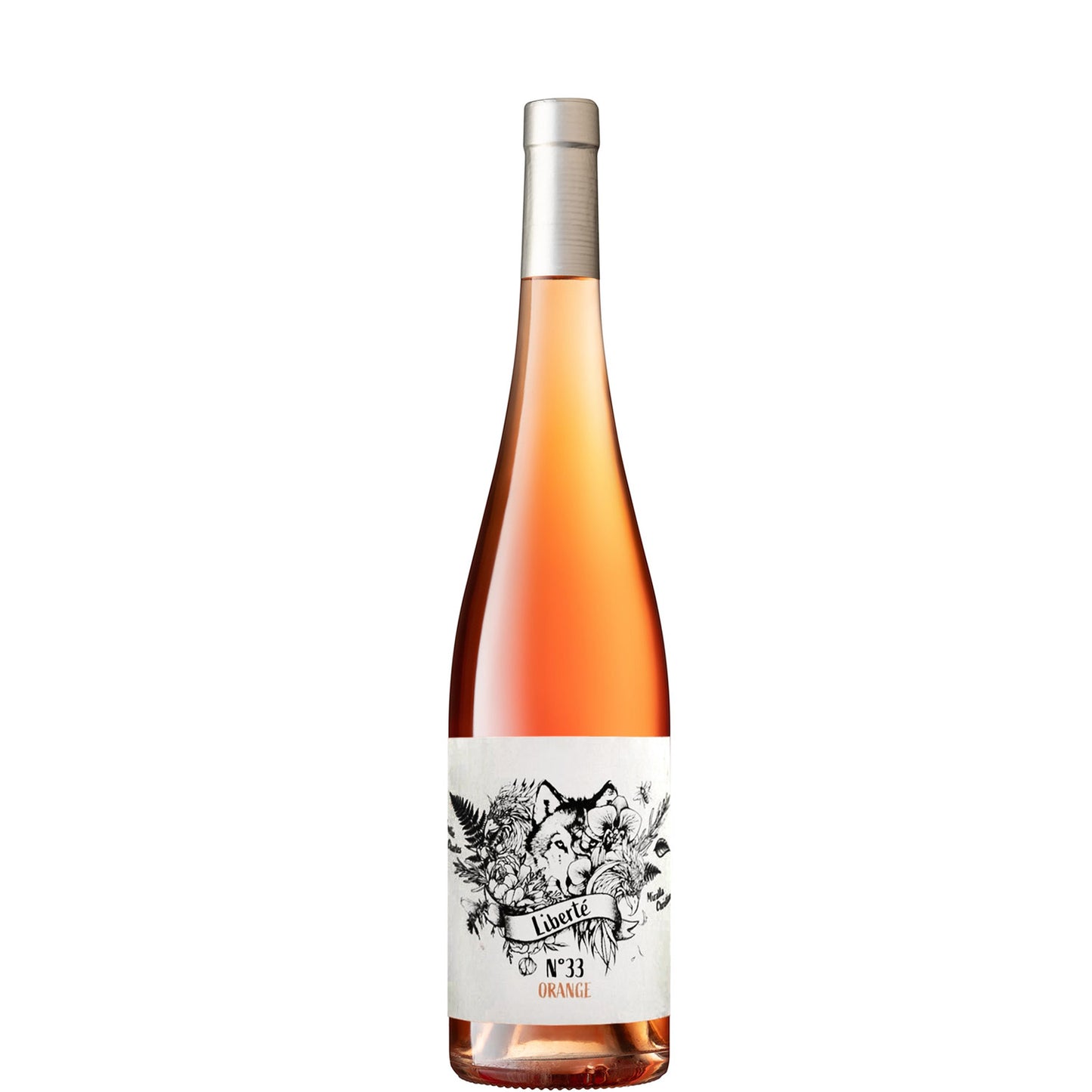
Domaine Amelie et Charles Sparr, Vin Orange 'Liberté', 2022
Domaine Amelie et Charles Sparr, Vin Orange 'Liberté', 2022
- 75cl
- 13%
- White Still
- Gewürztraminer, Pinot Gris, Riesling
- Organic
- Biodynamic
Couldn't load pickup availability

Optimal drinking window: 2026 - 2030
Special Offer: Spend £250 or more for a 10% discount
Amélie and Charles Sparr are part of Alsace's new wave, turning tradition on its head with their skin-contact orange wine 'Liberté'. Made from a blend of Gewürztraminer, Pinot Gris, and Riesling, this sees extended maceration that transforms familiar Alsatian grapes into something altogether more wild and textural.
We find this 2022 vintage beautifully balanced between the aromatics that made Alsace famous and the grippy, savoury complexity that defines serious orange wine. The result feels both rooted in place and gloriously free from convention. Drink now until 2030 while the fruit still sings against those structured tannins.
This 2022 is drinking beautifully now, with primary fruit still vibrant against the phenolic structure. Over the next two years, we expect the tannins to soften slightly whilst secondary honeyed notes develop. The aromatics will likely become more integrated rather than separate, creating a more seamless whole. Unlike age-worthy Alsace Rieslings, this style is built for medium-term drinking - enjoy it while the fruit-tannin tension remains lively rather than waiting for tertiary development that may never come.
What the critics say:
"This orange wine has a slight haze in the copper-tinged deep straw color. Excellent balance of rather fine tannins, with orange blossom and orange peel character, plus a discreet bitterness on the medium-bodied palate. Restrained tannic power in the long finish. From biodynamically grown grapes with Demeter certification. Drink now. Glass stopper."
Tasting Notes
AppearanceDeep amber-orange with a slight haze, looking more like aged Chenin than typical Alsace white.
NoseDried apricot and orange peel dominate, with classic Gewürztraminer rose petals underneath. There's a savoury undertone of toasted nuts and fresh bread that speaks to the skin contact. Clean and intense rather than funky.
PalateThe texture grabs you first - grippy tannins from the extended maceration give real structure to what could have been just another aromatic white. Stone fruit sweetness balances the phenolic grip, whilst a mineral backbone keeps everything focused. More serious than playful.
FinishLong and slightly bitter in the best way, with orange zest and almond skin lingering.
Overall impressionThis is orange wine that doesn't forget it's from Alsace - structured, aromatic, and thoroughly convincing.
Food Pairings
In Alsace, skin-contact wines like this would pair beautifully with the region's rich, Germanic-influenced cuisine. Think choucroute garnie with its fermented cabbage and various sausages, or baeckeoffe, the slow-cooked casserole of lamb, pork, and potatoes. The wine's texture and tannins can handle münster cheese, whilst its aromatic complexity complements tarte flambée topped with crème fraîche and lardons. Local cooks might also serve it alongside wild boar or venison from the Vosges forests, where the wine's earthy undertones would shine.
We think this wine would go well with
Serve at 12-14°C, slightly warmer than typical Alsace whites to let the texture and complexity shine. No need to decant, but do let it breathe in the glass for 10-15 minutes after pouring. Use a medium-sized white wine glass rather than anything too large - you want to concentrate those aromatics whilst giving the wine enough room to show its structure.
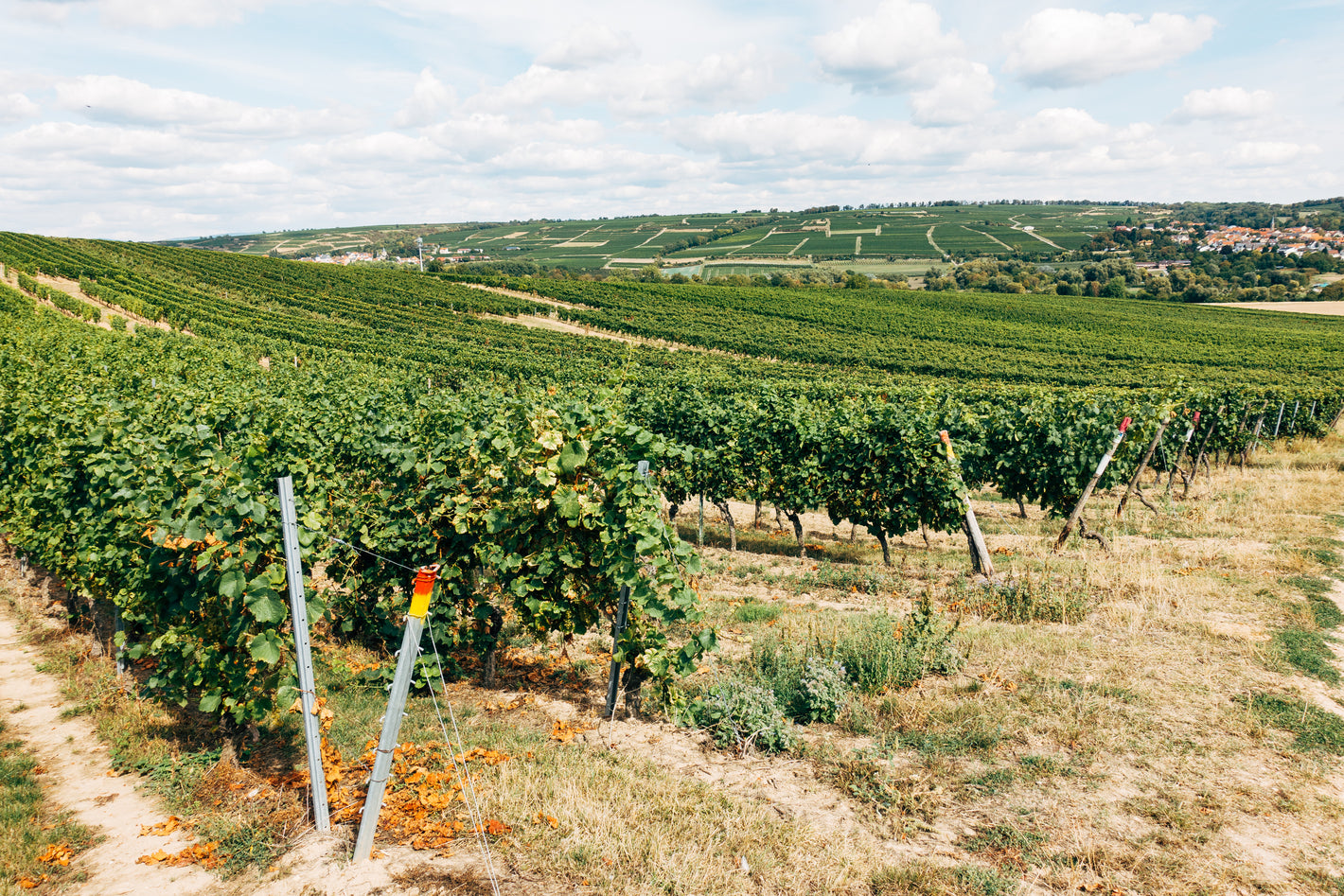
The Sparr vineyards sit on Alsace's classic mix of limestone, clay, and granite soils in the foothills of the Vosges mountains. The continental climate provides warm, dry summers perfect for extended ripening, whilst the varied soil types add complexity to their blends. The well-drained slopes allow for the precise harvest timing essential for successful skin-contact wines, where grape health is paramount.
Alsace sits in France's far northeast, protected by the Vosges mountains from Atlantic weather systems. Unlike most French regions, Alsace labels wines by grape variety rather than place, though terroir remains crucial. The region's German influence shows in its focus on aromatic whites, but innovative producers like the Sparrs are expanding the playbook with techniques like skin contact that create orange wines whilst maintaining Alsace's essential character.
The 2022 growing season in Alsace kicked off with a warm, dry spring that had vines racing ahead of schedule, only for a late frost in early April to deliver a sharp reminder about counting chickens. Summer brought the kind of heat and drought that had growers reaching for their irrigation permits, with temperatures soaring well above average and rainfall scarce until welcome September showers arrived just as harvest began. The combination of stress and relief created fruit with tremendous concentration, though yields dropped significantly across the region.
What emerged from this challenging vintage are wines with real backbone and intensity. The Rieslings show brilliant acidity despite the heat, with that trademark Alsatian mineral spine intact and fruit that's more citrus-driven than tropical. Gewürztraminer and Pinot Gris developed beautiful richness without falling into flabbiness, whilst the Pinot Noirs surprised everyone with their depth of colour and structure. These wines are drinking beautifully now for early pleasure, but the better examples have the concentration to develop until 2030 and beyond.
FAQs
What does orange wine taste like?
Think of your favourite Alsace white but with more texture and grip - you get the familiar stone fruit and floral aromatics but with tannins that make it feel more like a light red wine.
How is orange wine made?
The grapes are fermented with their skins on, just like red wine, which gives the orange colour and adds tannins and complexity that normal white wine doesn't have.
What food pairs well with this wine?
Its structure means it can handle richer foods than typical white wines - try it with roast chicken, pork dishes, or strong cheeses that would overwhelm a normal Riesling.
Should I age this wine?
No, drink it within the next few years while the fruit is still vibrant - orange wines like this are made for drinking young rather than long cellaring.
Is this wine natural or organic?
The Sparrs use low-intervention methods typical of natural wine producers, though we don't have certification details - the clean, focused character suggests careful winemaking rather than completely hands-off approach.
How should I serve this wine?
Serve it slightly warmer than normal white wine, around 12-14°C, and let it breathe in the glass - the extra texture and complexity reward a bit more attention than typical Alsace whites.
Explore related wines


What are you looking for tonight? Tell me the occasion, a grape, a region — or just try a suggestion below.
Your recommendations will appear here.
-
-
Speak to one of our Wine Gurus
Speak to a Wine GuruWith years of experience, our team can help you with all your wine buying and selling needs