

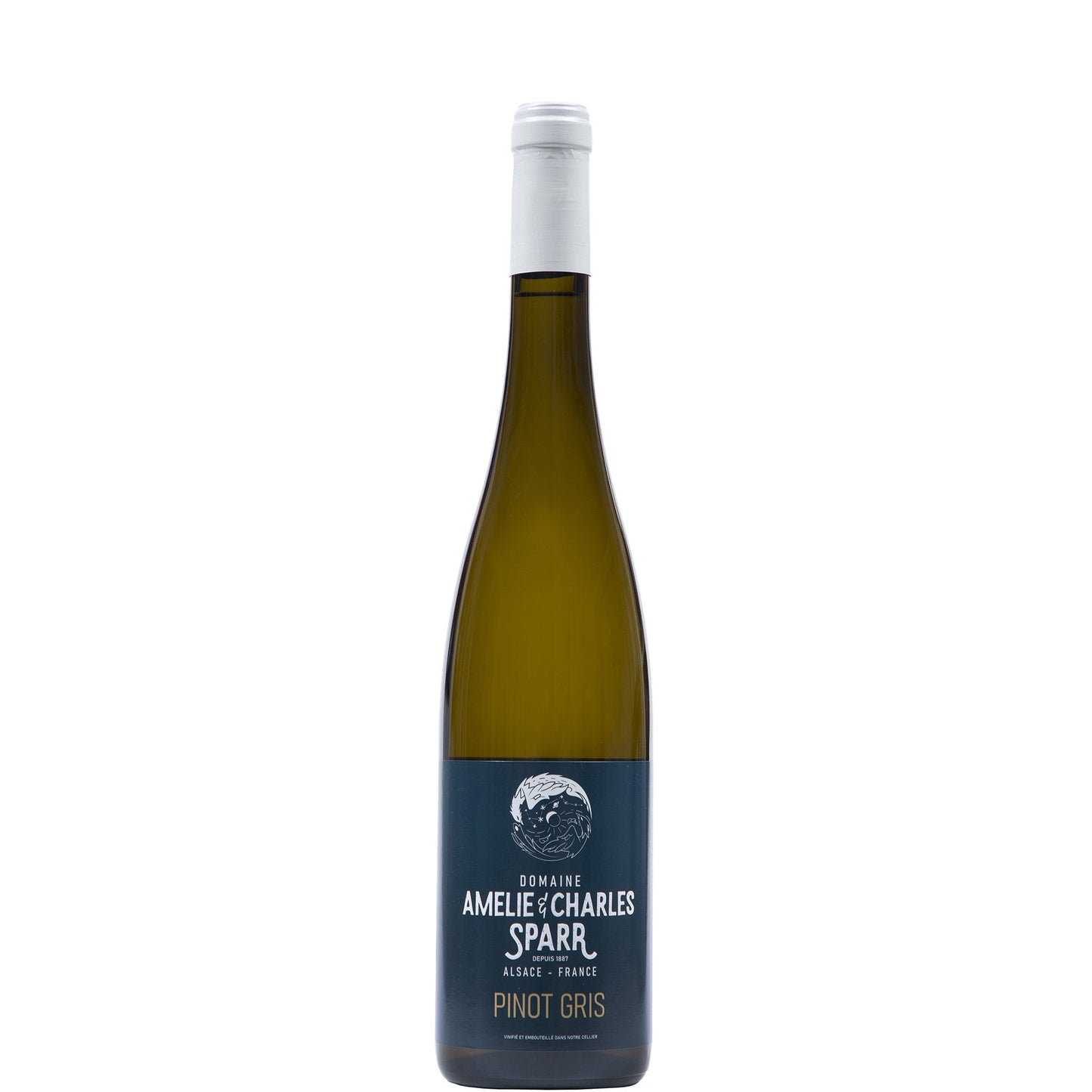
Domaine Amelie et Charles Sparr, Surmaturite La Benediction Pinot Gris Precieux Vt, 2009
Domaine Amelie et Charles Sparr, Surmaturite La Benediction Pinot Gris Precieux Vt, 2009
- 75cl
- 13%
- White Still
- Pinot Gris
- Organic
- Biodynamic
Couldn't load pickup availability

Optimal drinking window: 2026 - 2035
About Domaine Amelie et Charles Sparr, Surmaturite La Benediction Pinot Gris Precieux Vt, 2009
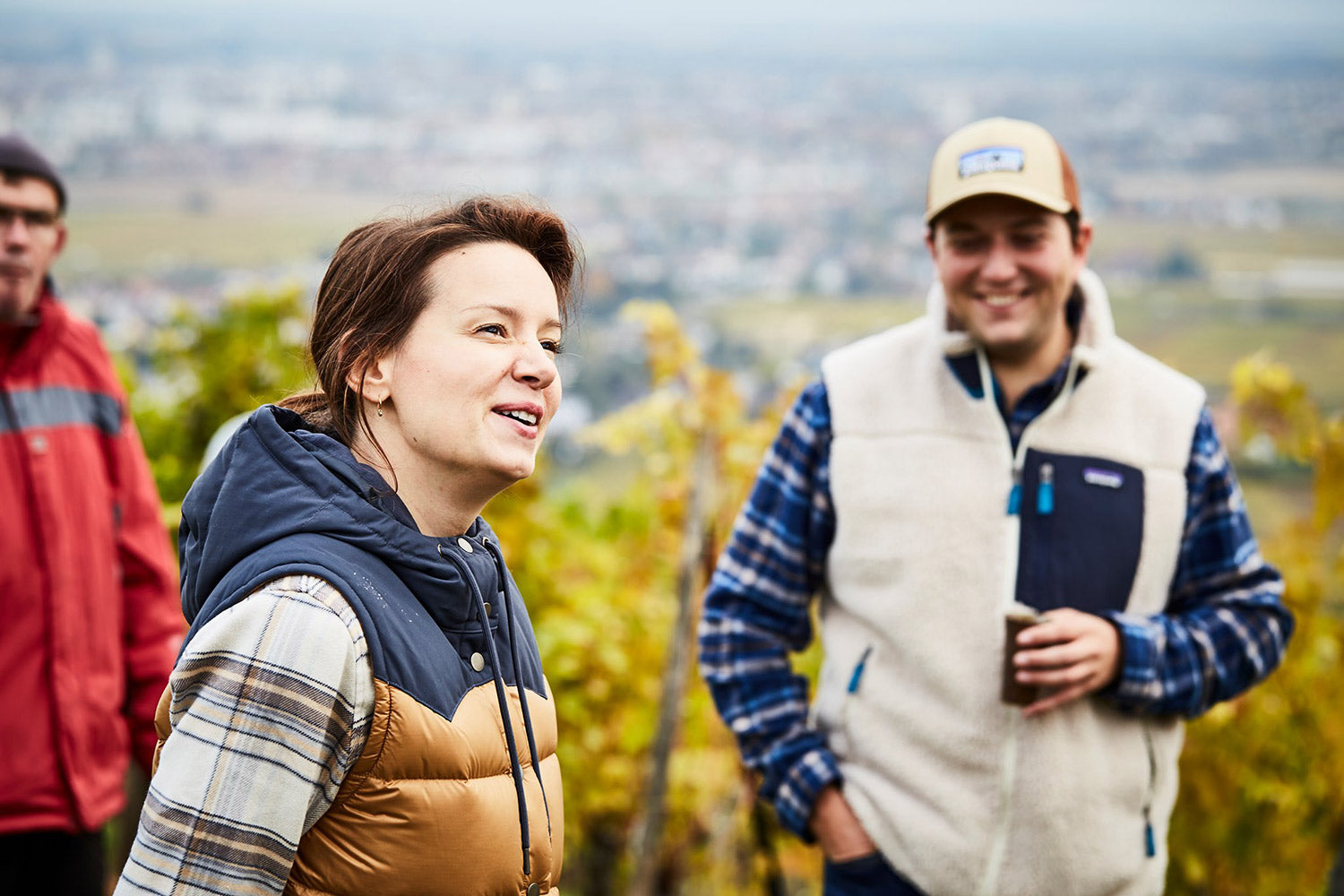
Husband and wife team, both raised in classic wine families, are now crafting biodynamic wines that carry the deep traditions of Alsace whilst remaining exciting and forward-looking.
The vineyards are a combination of both leased and owned however all are run with biodynamic practices and hold ‘eco-cert’ certification. Thanks to generational experience and support, Charles and Amelie carefully manage their vineyards to ensure each varietal and terroir are maximise their potential.
At seventeen years old, this wine is already well into its secondary phase — the primary fruit has long since evolved into dried and candied forms, and the honeyed, waxy, smoky characteristics that define mature Pinot Gris VT are fully present. We're likely at or very close to the plateau right now, which makes this a genuinely exciting moment to open a bottle. It will hold comfortably until around 2030, and bottles stored in ideal conditions may reward patience until 2035, when the dried fruit and spice notes will have intensified further.
Tasting Notes
AppearanceDeep burnished gold with amber glints at the rim — this wine wears its age openly and confidently.
NoseBeeswax, dried apricot, and quince right at the front, with a smoky, almost volcanic undercurrent that's the hallmark of mature Alsatian Pinot Gris. Candied orange peel and a whisper of ginger emerge with time in the glass.
PalateRichly textured and weighty, with concentrated stone fruit and honey offset by a spine of acidity that stops it feeling heavy. The sweetness is generous but not cloying — there's real tension here, a push and pull between sugar and grip that keeps you coming back.
FinishLong and warming, with saffron, dried fig, and a faint salinity that lingers well after the glass is empty.
Overall impressionA serious, evolved late-harvest Pinot Gris with the concentration to justify its age and the structure to carry it further still.
Food Pairings
In Alsace, this style of wine has always had a natural home alongside foie gras — either a simple terrine with brioche or a pan-seared lobe with a fruit reduction. Munster cheese, pungent and washed-rind, is the region's classic match for Pinot Gris at any ripeness level, and at this richness it works beautifully with an aged version. Locals would also reach for this with a tarte Tatin, or alongside roasted duck with mirabelle plum sauce — the kind of Sunday lunch that lasts four hours. For the more adventurous, a blue cheese like Roquefort handles the sweetness with authority.
We think this wine would go well with
Serve cool but not cold — around 10 to 12°C brings out the aromatic complexity without dulling the texture. No need to decant, though pouring into a larger white Burgundy-style glass gives the wine the room it needs to open up. If you're serving it with food, pull it from the fridge about 20 minutes before pouring.
Alsace's vineyards run along the eastern foothills of the Vosges mountains, sheltered from Atlantic rain and enjoying some of France's sunniest, driest growing conditions north of the Rhône. For late-harvest Pinot Gris at this level of ripeness, that long, dry autumnal warmth is everything — it allows grapes to reach extreme sugar concentrations while retaining enough natural acidity to prevent the wine from collapsing into syrup. The specific soils of the Sparr parcels vary, but granite and clay-limestone are common across the central Alsace plains, contributing both the mineral edge and the textural weight that define this style.
Alsace AOC covers the full stretch of vineyards along the eastern edge of the Vosges from Marlenheim to Thann, and is unusual in France for labelling wines primarily by grape variety rather than geography. Vendange Tardive is a legally defined category requiring minimum must weights depending on variety — for Pinot Gris, that threshold is high, placing it among the richest late-harvest whites in France. The 'Surmaturité' designation used here is the producer's own indication of grapes picked beyond even the VT minimum, placing this wine in extraordinary company. Unlike Sauternes, where botrytis is the mechanism, Alsatian VT relies more on natural over-ripening on the vine.
Alsace 2009 was shaped by a warm, dry growing season that gave producers ripe, generous fruit across almost every variety. The summer heat built steadily rather than arriving in brutal spikes, which meant the vines had time to adjust and the resulting wines carry their ripeness with some composure. Botrytis played a role in certain plots, giving those hunting Vendange Tardive and SGN material plenty to work with, but the dry conditions kept yields respectable and concentration high for the dry wines too.
The vintage has something of a voluptuous reputation, and it earns it: Pinot Gris and Gewurztraminer came through with real weight and aromatic intensity, while Riesling from the better sites — particularly the Grands Crus — retained enough acidity to stay lively rather than just fat. We find the top Rieslings and Pinot Gris are in a sweet spot right now, with the finest examples carrying comfortably until 2025 to 2030. This is a vintage for drinking with pleasure rather than hoarding indefinitely.
FAQs
What does this wine taste like?
Rich and concentrated, with beeswax, dried apricot, quince, and a smoky mineral undercurrent that's classic mature Alsatian Pinot Gris. The sweetness is generous but balanced by real acidity and grip — this is not a simple pudding wine.
How sweet is Vendange Tardive Pinot Gris?
Very sweet by most standards, though the precise level varies by producer and vintage. The legal minimum must weight for Pinot Gris VT in Alsace is among the highest for any French late-harvest category. This 'Surmaturité' example sits at the richer end of that spectrum, closer in style and concentration to a Sélection de Grains Nobles than a standard VT.
When should I drink this wine?
Now, honestly. It is fully evolved and sitting at its plateau, with all the complexity of secondary maturity on show. It will hold until around 2030 without difficulty, and well-stored bottles may reward patience until 2035, but there is no reason to wait.
What food should I serve with it?
Foie gras terrine is the classic Alsatian match, but aged Munster cheese, roasted duck with fruit sauce, or a good blue cheese all work brilliantly. If you want to keep it simple, a slice of tarte Tatin does the job with great pleasure.
How should I serve it?
Around 10 to 12°C — cool but not straight from the fridge. A large white Burgundy-style glass gives it enough room to open up. No need to decant; just pour and give it five minutes in the glass.
What makes this wine different from a standard Alsace Pinot Gris?
The 'Surmaturité' designation is the producer's way of flagging that these grapes were picked at extreme ripeness, well beyond even the Vendange Tardive legal minimum. Combined with seventeen years of bottle age and biodynamic farming, the result is a wine of unusual depth and complexity that has very little in common with an everyday Alsace Pinot Gris.
Explore related wines


What are you looking for tonight? Tell me the occasion, a grape, a region — or just try a suggestion below.
Your recommendations will appear here.
-
-
Speak to one of our Wine Gurus
Speak to a Wine GuruWith years of experience, our team can help you with all your wine buying and selling needs