

Domaine Amelie et Charles Sparr, Sensation Pinot Gris, 2022
Domaine Amelie et Charles Sparr, Sensation Pinot Gris, 2022
- 75cl
- 13.5%
- White Still
- Pinot Gris
- Organic
- Biodynamic
Couldn't load pickup availability

Optimal drinking window: 2026 - 2030
Special Offer: Spend £250 or more for a 10% discount
The Sparr family have been making wine in Alsace since 1680, and this Sensation Pinot Gris shows exactly why they've lasted so long. From vineyards around Riquewihr, this is Alsace Pinot Gris as it should be: rich without being heavy, expressive without losing its elegant backbone.
The 2022 vintage delivers ripe pear and white peach flavours with that characteristic Alsatian mineral edge that keeps everything in balance. We love how this sits somewhere between a crisp aperitif wine and something substantial enough for your main course. Drink now until 2030.
This 2022 is drinking beautifully now, showing primary fruit flavours at their peak freshness and intensity. Over the next two years, we expect the stone fruit to integrate further with the subtle spice notes, creating more complexity while the wine retains its vivacious character. The mineral backbone should become more pronounced as the wine settles, adding depth without sacrificing the approachable fruit that makes it so appealing. Unlike the region's late-harvest wines or Grand Cru bottlings, this style of Pinot Gris is designed for relatively early consumption and will likely plateau around 2028-2029 before beginning a gentle decline. Best enjoyed while the fruit still has its youthful vibrancy.
What the critics say:
"A wonderfully atypical wine for this grape. Roses and sandalwood pour from the glass of this rich but dry pinot gris. Wonderfully smooth texture on the well-structured medium- to full-bodied palate. The hints of tannin and bitterness in the finish add to the length. From biodynamically grown grapes with Demeter certification. Drink or hold."
Tasting Notes
AppearancePale gold with brilliant clarity and good viscosity that hints at the wine's texture.
NoseRipe pear and white peach dominate, backed by subtle honey and a whisper of warming spice. There's an underlying mineral note that speaks to the limestone soils, plus just a hint of orange blossom that adds lift. The aromatics are generous but not overpowering, with good definition between the different elements.
PalateFull-bodied but not heavy, with excellent balance between the wine's natural richness and its fresh acidity. The stone fruit flavours from the nose carry through beautifully, joined by subtle honey and a touch of ginger spice on the mid-palate. The texture is satisfying without being oily, and there's a lovely mineral tension that runs through the wine from start to finish.
FinishClean and persistent with lingering stone fruit and a final flourish of mineral precision.
Overall impressionClassic Alsace Pinot Gris that delivers richness with elegance and would suit both casual drinking and serious food pairing.
Food Pairings
In Alsace, this style of Pinot Gris is the natural partner for the region's hearty, Germanic-influenced cuisine. Think choucroute garnie - that magnificent pile of sauerkraut, sausages, and pork that needs a wine with both richness and acidity to cut through the fat. It's equally at home with tarte flambée, the Alsatian answer to pizza with its thin crust topped with crème fraîche, onions, and lardons. The wine's weight and texture also make it perfect for coq au Riesling, where chicken is braised in white wine with mushrooms and cream. Local chefs often reach for Pinot Gris when serving river fish like pike or trout, especially when prepared with the region's famous munster cheese.
We think this wine would go well with
Serve well-chilled at 8-10°C to emphasise the wine's freshness and prevent the richness from becoming overwhelming. No need to decant - this wine is ready to drink straight from the bottle. Use a medium-sized white wine glass with a slightly broader bowl than you'd use for Riesling, as this allows the wine's generous aromatics to develop properly. If you're drinking it with food, you can let it warm up slightly in the glass to around 12°C, which will bring out more of the honeyed, spicy notes.
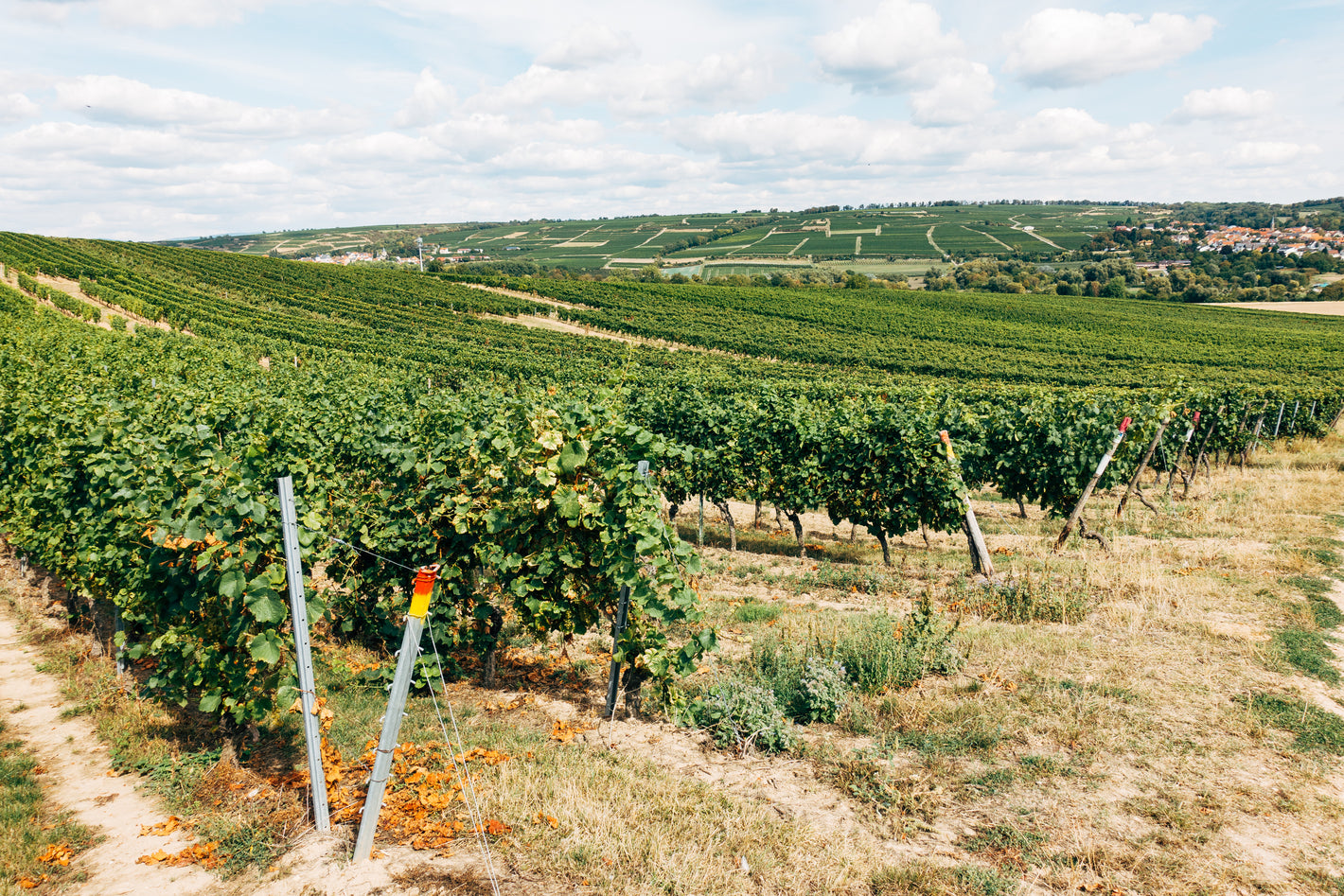
The vineyards around Riquewihr and Sigolsheim benefit from Alsace's unique rain-shadow climate, protected by the Vosges mountains to the west. The soils here are a complex mix of limestone, marl, and sandstone, with excellent drainage that forces the vines to dig deep. This geological diversity gives Pinot Gris both the richness it's known for and the mineral backbone that prevents it from becoming flabby. The continental climate with its long, dry autumns allows for extended hang time, concentrating flavours while preserving natural acidity.
Alsace AOC is one of France's most distinctive wine regions, where German grape varieties meet French winemaking philosophy. Unlike most French appellations, Alsace labels wines by grape variety rather than place, though the best sites earn Grand Cru status. The region's unique history - passing between France and Germany multiple times - created a winemaking culture that prizes purity of fruit expression above all else. Pinot Gris here is typically richer and more textural than its Italian Pinot Grigio cousins, but maintains more elegance than similar wines from warmer climates.
The 2022 growing season in Alsace kicked off with a warm, dry spring that had vines racing ahead of schedule, only for a late frost in early April to deliver a sharp reminder about counting chickens. Summer brought the kind of heat and drought that had growers reaching for their irrigation permits, with temperatures soaring well above average and rainfall scarce until welcome September showers arrived just as harvest began. The combination of stress and relief created fruit with tremendous concentration, though yields dropped significantly across the region.
What emerged from this challenging vintage are wines with real backbone and intensity. The Rieslings show brilliant acidity despite the heat, with that trademark Alsatian mineral spine intact and fruit that's more citrus-driven than tropical. Gewürztraminer and Pinot Gris developed beautiful richness without falling into flabbiness, whilst the Pinot Noirs surprised everyone with their depth of colour and structure. These wines are drinking beautifully now for early pleasure, but the better examples have the concentration to develop until 2030 and beyond.
FAQs
What does this Pinot Gris taste like?
Rich and textural with ripe pear and white peach flavours, subtle honey notes, and a clean mineral finish. It's more substantial than Italian Pinot Grigio but maintains lovely freshness.
When should I drink this wine?
It's drinking beautifully now and will continue to develop complexity over the next 3-4 years. We'd suggest enjoying it by 2030 while the fruit is still vibrant.
What food pairs well with Alsace Pinot Gris?
Perfect with rich fish dishes, roast pork, or creamy poultry. In Alsace they'd serve it with choucroute garnie or tarte flambée, but it also works brilliantly with Asian cuisine or mature cheeses.
How should I serve this wine?
Serve well-chilled at 8-10°C in a medium white wine glass. No need to decant - just open and pour. Let it warm slightly if pairing with food to bring out the honeyed complexity.
Is this wine worth cellaring?
This style is designed for drinking rather than long-term cellaring. While it will hold well for 3-4 years, the appeal is in its fresh fruit character, so we'd recommend enjoying it sooner rather than later.
How does this compare to other Pinot Gris styles?
More substantial and richer than Italian Pinot Grigio, but more elegant than New World versions. It captures that distinctive Alsatian balance of German grape richness with French finesse.

Explore related wines


What are you looking for tonight? Tell me the occasion, a grape, a region — or just try a suggestion below.
Your recommendations will appear here.
-
-
Speak to one of our Wine Gurus
Speak to a Wine GuruWith years of experience, our team can help you with all your wine buying and selling needs