

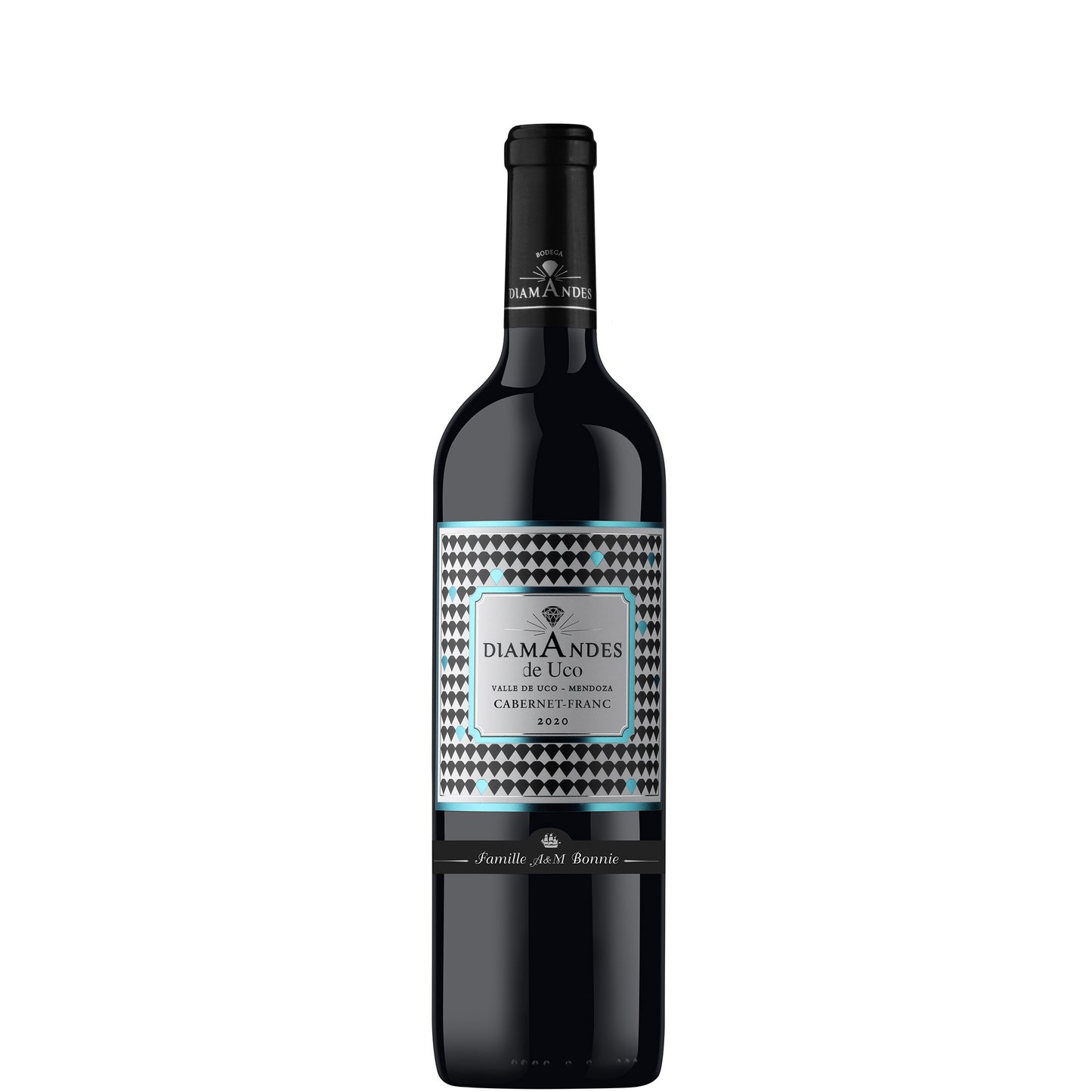
DiamAndes de Uco Cabernet Franc, 2020
DiamAndes de Uco Cabernet Franc, 2020
- 75cl
- 14%
- Red Still
- Cabernet Franc
- Organic
- Vegetarian
- Vegan
Couldn't load pickup availability

Optimal drinking window: 2026 - 2034
In the heart of Clos de los Siete, Bodega DiamAndes stands as a winemaking haven, producing wines that resonate with intensity and finesse from their beautiful vineyards high up in Argentina's Uco Valley.
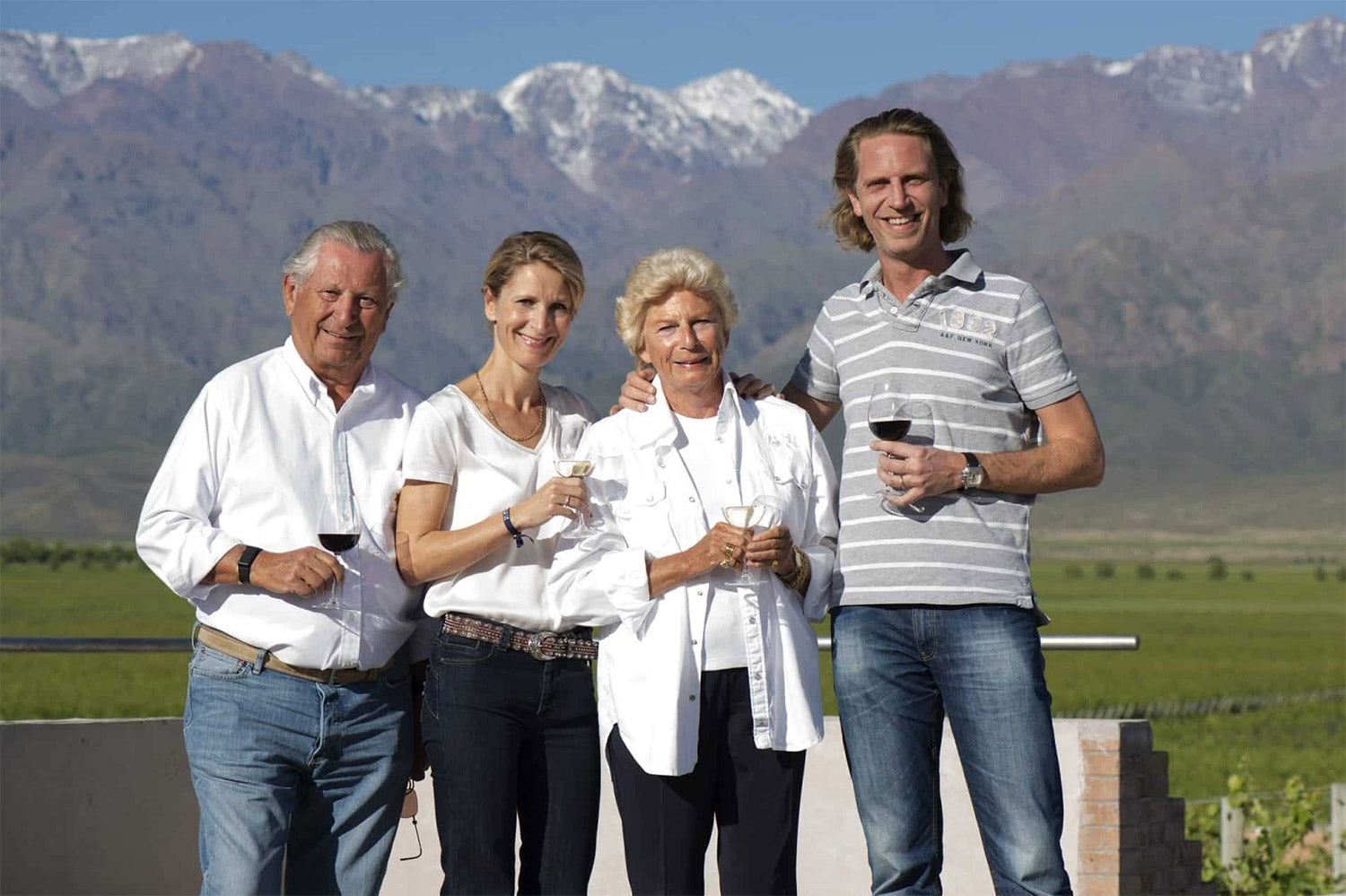
Set up in 2005 by the esteemed Bonnie Family (the famous name behind Malartic Lagraviere & Gazin Rocquencourt), this is another very successful project from an established Bordeaux dynasty.
Currently showing beautiful primary fruit character with those distinctive blackberry and olive notes at their peak intensity. Over the next 2-3 years, we expect the herbal elements to integrate further while secondary notes of leather and tobacco begin to emerge. The wine should reach its plateau around 2028-2030, where it will hold beautifully for several years before the fruit begins its gradual fade. The excellent structure suggests it will age gracefully rather than dramatically, developing nuance while retaining its essential character.
What the critics say:
"Black beans, dark olives, grilled herbs, blackberries and cedar wood on the nose, following through to a full-bodied palate with dark olives and blackberries and very creamy, polished tannins. Fresh, with medium acidity and a lingering finish. Bravo! Vegan. Drinkable now, but better after 2023."
Tasting Notes
AppearanceDeep ruby-purple with an almost inky core that speaks to the wine's mountain concentration.
NoseBlack olives and grilled herbs lead, followed by ripe blackberries and cedar wood. There's a distinctive Cabernet Franc leafiness that adds complexity rather than greenness. The altitude shows in the wine's focus and clarity of aromatics.
PalateFull-bodied but never heavy, with dark olive and blackberry flavours supported by remarkably creamy, polished tannins. The mountain terroir provides backbone without harshness, while medium acidity keeps everything fresh and food-friendly. Cedar spice builds through the mid-palate.
FinishLong and lingering, with dark fruit persistence and a subtle herbal note that's pure Cabernet Franc.
Overall impressionThis is Cabernet Franc with serious intent, showing both the power of Argentine sun and the elegance of Bordeaux heritage.
Food Pairings
In Argentina, this would naturally accompany a perfectly grilled bife de chorizo, the country's beloved sirloin cut, cooked over glowing embers and served with chimichurri's bright herbs. Locals might also pair it with cordero patagónico - slow-roasted Patagonian lamb rubbed with wild herbs and garlic. The wine's savoury edge makes it perfect with Argentina's famous empanadas, particularly those filled with spiced beef and hard-boiled egg. For a more refined approach, consider it alongside matambre relleno, the stuffed flank steak that's a Sunday favourite across the country.
We think this wine would go well with
Serve at 16-17°C to allow the fruit to shine while preserving the wine's natural freshness. A brief decant of 30-45 minutes will help integrate the components, though it's perfectly approachable straight from the bottle. Use Bordeaux-style glasses with a generous bowl to concentrate the complex aromatics. If you're opening it now, give it some air - this wine rewards a bit of breathing space.
The vineyards sit high in the Uco Valley at over 1,000 metres elevation, where the dramatic temperature swings between scorching days and cool nights preserve natural acidity while concentrating flavours. The soils are primarily alluvial deposits over limestone bedrock, providing excellent drainage essential for Cabernet Franc. The Andes' proximity creates a rain shadow effect, ensuring dry conditions that force vines to dig deep, while the altitude moderates what could otherwise be overwhelming heat.
Uco Valley represents the quality pinnacle of Argentine winemaking, sitting at the foot of the Andes in Mendoza's Tupungato department. Unlike the warmer, flatter areas of Mendoza, Uco Valley's high-altitude sites produce wines with natural freshness and complexity. The region has attracted investment from prestigious international producers precisely because it can deliver both power and elegance. It's particularly suited to Bordeaux varieties like Cabernet Franc, which benefit from the long, slow ripening season.
Nobody will confuse 2020 with a boring vintage in Mendoza. The growing season brought everything from late spring frost scares to a mercifully cool summer that kept the grapes hanging longer than usual, building flavour without the punishing heat that can bake the life out of Argentine reds. When harvest finally arrived, it stretched later into April for many producers, giving them time to pick with precision rather than panic.
The result is a vintage that feels both powerful and controlled—Malbec shows real depth without the jammy weight that sometimes plagues warmer years, whilst Cabernet Sauvignon and Cabernet Franc have a freshness that makes them sing in the glass. We're drinking the wines now with genuine pleasure, though the best examples have the structure to reward patience over the next decade. This is one of those vintages where the extra time on the vine paid dividends in wines that taste like they know exactly what they want to be.
FAQs
What does this Cabernet Franc taste like?
Think blackberries and dark olives with grilled herbs, supported by creamy tannins and cedar spice. It's distinctly savoury with beautiful fruit concentration.
When should I drink this wine?
It's drinking beautifully now and will continue to develop complexity over the next decade. Peak drinking is likely 2028-2032.
What food pairs well with this wine?
Grilled Argentine beef is the natural match, but it also works brilliantly with herb-crusted lamb, empanadas, or any dish with savoury, earthy flavours.
Should I decant this wine?
A brief 30-45 minute decant will help, but it's not essential. The wine is approachable straight from the bottle.
How does this compare to French Cabernet Franc?
It's more generous and fruit-forward than Loire Valley examples, but retains that characteristic herbal complexity. Think Loire meets Argentine sunshine.
Is this wine worth cellaring?
Absolutely. The structure and balance suggest it will develop beautifully over the next 8-10 years, gaining complexity while retaining its fruit character.
Explore related wines


What are you looking for tonight? Tell me the occasion, a grape, a region — or just try a suggestion below.
Your recommendations will appear here.
-
-
Speak to one of our Wine Gurus
Speak to a Wine GuruWith years of experience, our team can help you with all your wine buying and selling needs