
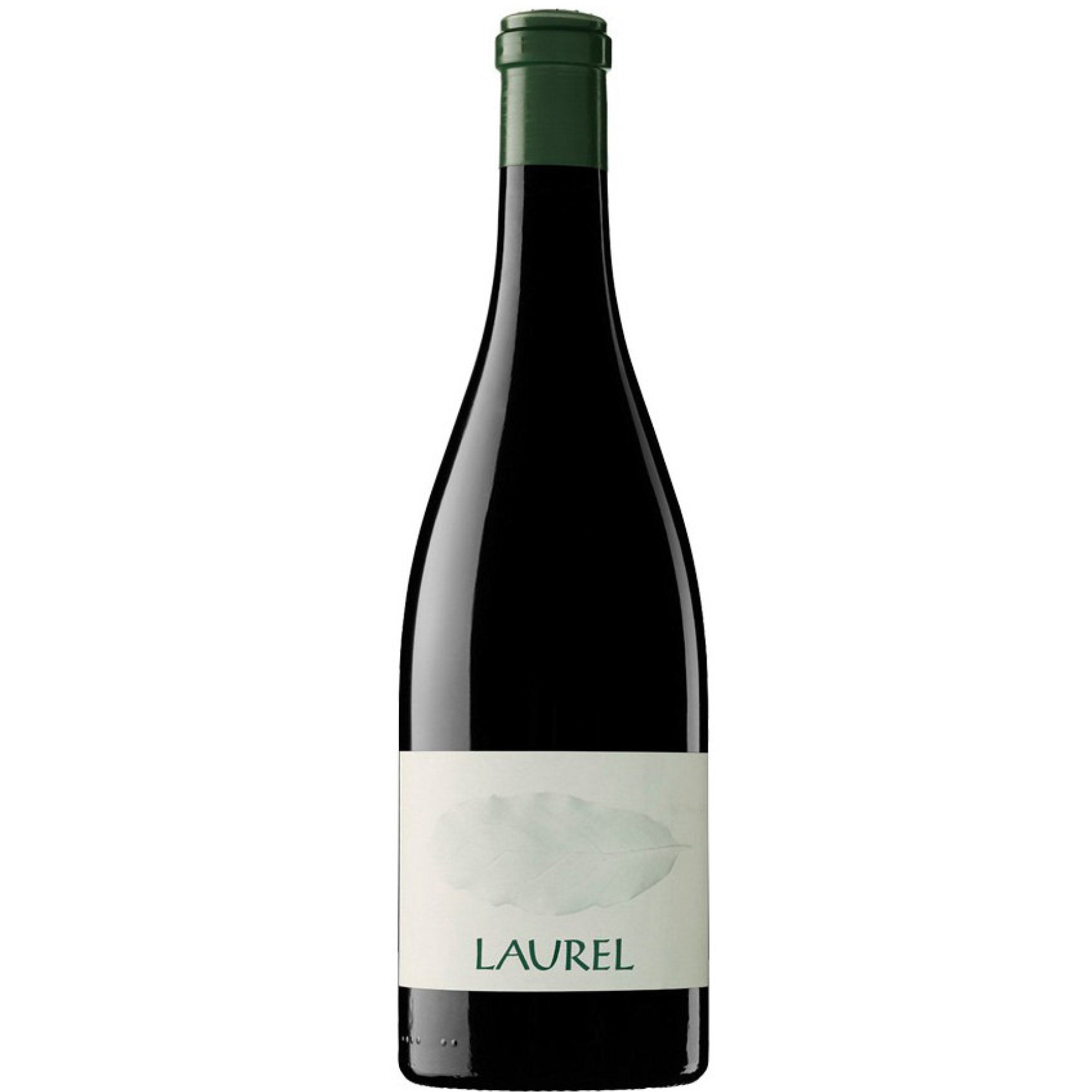
Clos I Terrasses, Laurel, 2020 - Magnum
Clos I Terrasses, Laurel, 2020 - Magnum
- 150cl
- 14%
- Red Still
- Grenache, Syrah, Cabernet Sauvignon
- Organic
- Vegetarian
- Vegan
Couldn't load pickup availability

Optimal drinking window: Now - 2034
The Laurel - the second, younger vine wine from Clos I Terrasses - is a fabulous wine in its own right.
The warm soils of Gratallops and a blend of mostly Grenache and a little Syrah (with decreasing amounts of Cabernet) means we’ve previously called it “a Latin-tinged Chateauneuf-du-Pape.” Pair with grilled meats, hearty stews, or aged cheeses to allow its complex flavours to shine.
Currently showing primary fruit with that lactic touch from recent bottling, this wine will integrate beautifully over the next 2-3 years as the components marry. The elegant tannins should soften further by 2028-2030, when secondary complexity will emerge alongside the fruit. Peak drinking will likely be 2030-2032, with the wine maintaining its charm until 2035. The magnum format will extend this timeline, developing more slowly and gracefully.
What the critics say:
"2020 was a challenging year that gave them a lot of work in the vineyard, but it it paid off. The 2020 Laurel feels very elegant, balanced and fresh, a little lighter perhaps, with perfectly ripe tannins, a little in line with 2016 or 2013. It might be a little unusual for the house style or perhaps a slight change, as they are gradually going for softer vinifications; you don't really need to extract in Priorat, because the wines are powerful enough on their own. It's still extremely young and has a lactic touch (that blows off with a bit of time in the glass); it was only bottled at the end of May 2022, three months before I tasted it. Even if it's the second wine here, it's a wine that needs a little bit of time and improves in the bottle. Having said that, the 2020s feel more open, expressive and approachable than the 2019s, which are more tannic and powerful while the 2020s feel a little more Burgundian if you like. This has to be one of the finest vintages of Laurel so far. After some time in the glass, the aromatics of the Syrah (which was perhaps a little more this year, some 12% versus 8% in 2019) made an appearance—violets, smoked bacon. Daphne Glorian told me that everything was easy, that the wine was expressive and open from day one and that the fermentations were smooth."
Tasting Notes
AppearanceDeep ruby-purple with vibrant clarity, showing the wine's youthful energy.
NoseViolet aromatics lead, followed by smoky bacon and dark berry fruit. A lactic touch from recent bottling blows off with time in the glass. The Syrah component adds compelling complexity without overwhelming the Grenache base.
PalateElegantly balanced with perfectly ripe tannins that feel silky rather than extracted. Fresh acidity keeps the concentrated fruit in check, while the warm Gratallops terroir provides underlying richness. More approachable than the powerful 2019s, showing a Burgundian refinement.
FinishLong and harmonious, with mineral precision from the licorella soils lingering alongside the fruit.
Overall impressionA wine that perfectly captures Priorat's evolution towards elegance without sacrificing its essential character.
Food Pairings
In Priorat, this would accompany the robust Catalan cooking that matches the region's powerful wines. Think slow-braised wild boar with herbs from the garrigue, grilled lamb chops with romesco sauce made from local hazelnuts and peppers, or hearty cassoulet-style bean stews with chorizo. The smoky bacon notes in the wine echo the region's love of grilled meats cooked over vine prunings. Aged Manchego or local goat cheeses from the surrounding hills would complete the picture perfectly.
We think this wine would go well with
Serve at 16-18°C to allow the elegant tannins to show at their best. Decant for at least an hour to let the wine open up fully - it was only recently bottled and benefits from air. Use large Burgundy bowls rather than Bordeaux glasses to capture the violet aromatics and show off the wine's more refined character.
The vineyards sit on the warm soils of Gratallops in Priorat's heart, where the famous licorella - crumbling slate and quartz - forces vines to dig deep for nutrients. This challenging terrain naturally limits yields while concentrating flavours. The Mediterranean climate provides intense sunshine tempered by cooling mountain influences, creating wines of both power and elegance.
Priorat is Spain's most prestigious wine region outside Rioja, elevated to DOCa status in 2009. The ancient monastery lands were virtually abandoned until the 1980s revival led by pioneers like René Barbier and Alvaro Palacios. Strict rules govern vineyard practices and yields, while the unique licorella slate soils create wines of unmistakable mineral intensity that rival the world's greatest reds.
The 2020 vintage in Catalonia arrived with its own dramatic script. After a mild winter, spring brought welcome rainfall that replenished water reserves across the region's varied terroirs, from the coastal plains to the mountainous inland zones. Summer heat waves tested the vines, but crucially arrived after véraison, allowing grapes to ripen without the stress that can shut down photosynthesis entirely. We find this timing created wines with surprising freshness alongside the expected concentration.
What emerged was a vintage of real character rather than easy charm. The reds from Priorat show tremendous intensity without the sometimes brutal tannins of hotter years, whilst Penedès delivered whites with both richness and underlying tension. Garnacha and Cariñena particularly thrived, producing wines with deep colour and spice that feel more structured than the softer 2019s. Most 2020 Catalans are drinking beautifully now, though the best reds will reward patience until 2027 and beyond.
FAQs
What does this wine taste like?
Elegant and balanced with violet aromatics, smoky bacon notes from the Syrah, and perfectly ripe tannins. Think of a refined Châteauneuf-du-Pape with Spanish flair.
When should I drink this wine?
It's approachable now but will reward patience. Peak drinking will be 2030-2033, with the magnum format developing slowly until 2035.
What food pairs well with this wine?
Grilled meats, hearty stews, and aged cheeses work brilliantly. The smoky notes make it perfect with barbecued lamb or slow-braised game dishes.
Should I decant this wine?
Yes, decant for at least an hour. It was recently bottled and benefits from air to show its full aromatic complexity.
How does this compare to the top Priorat wines?
As a second wine from a founding estate, it offers excellent value while showcasing Priorat's evolution towards elegance. Wine Advocate gave it 96 points, calling it one of the finest Laurel vintages.
Why is this vintage special?
The challenging 2020 vintage required extra vineyard work but produced more elegant, approachable wines than the powerful 2019s. The style shows a Burgundian refinement while keeping Priorat's essential character.


What are you looking for tonight? Tell me the occasion, a grape, a region — or just try a suggestion below.
Your recommendations will appear here.
-
-
Speak to one of our Wine Gurus
Speak to a Wine GuruWith years of experience, our team can help you with all your wine buying and selling needs