

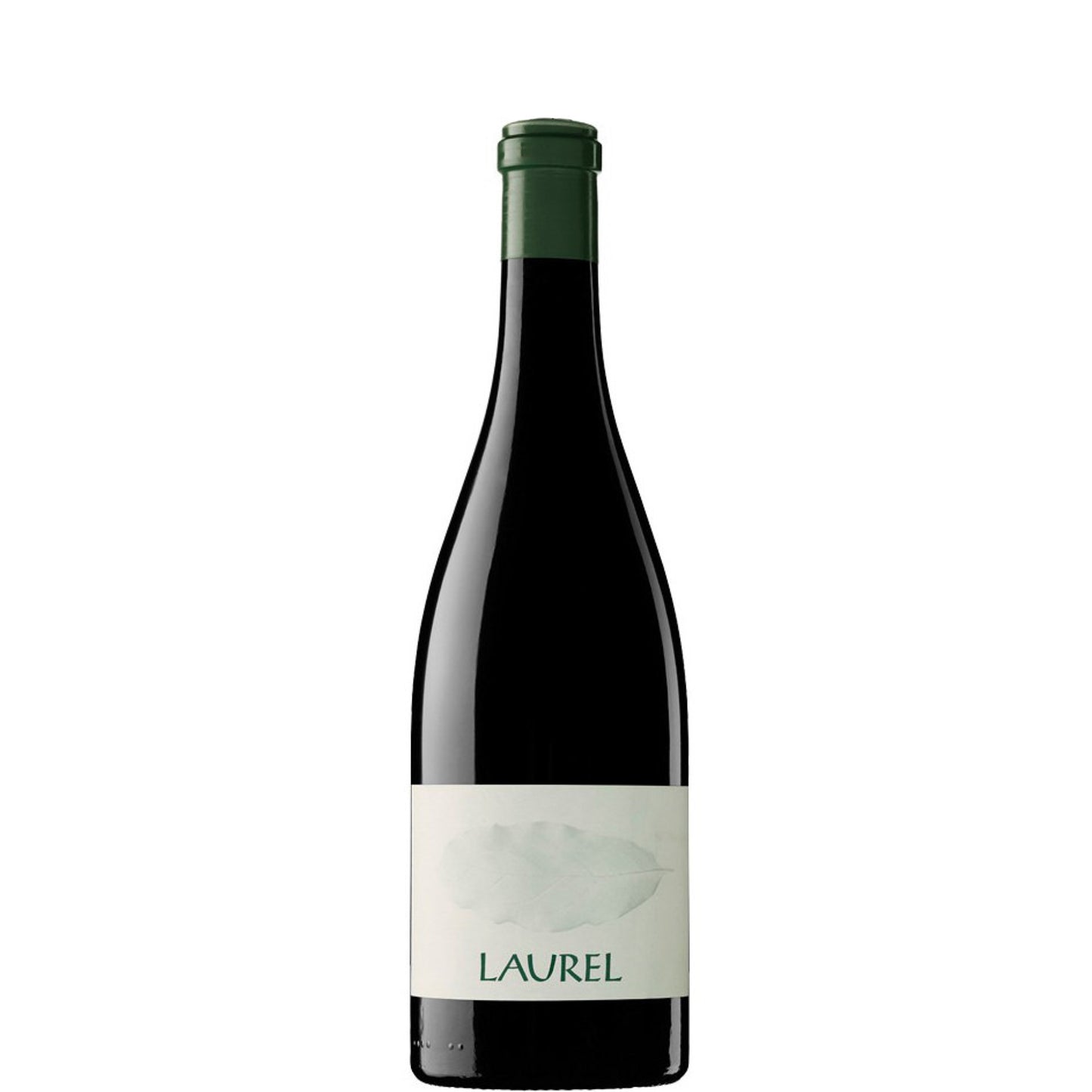
Clos I Terrasses, Laurel, 2020
Clos I Terrasses, Laurel, 2020
- 75cl
- 14%
- Red Still
- Grenache, Syrah, Cabernet Sauvignon
- Organic
- Vegetarian
- Vegan
Couldn't load pickup availability

Optimal drinking window: Now - 2032
The Laurel - the second, younger vine wine from Clos I Terrasses - is a fabulous wine in its own right.
The warm soils of Gratallops and a blend of mostly Grenache and a little Syrah (with decreasing amounts of Cabernet) means we’ve previously called it “a Latin-tinged Châteauneuf-du-Pape.” Pair with grilled meats, hearty stews, or aged cheeses to allow its complex flavours to shine.
Currently showing primary fruit with that signature violet and herb complexity, but the 2020's natural elegance makes it approachable now. Over the next 3-4 years, the Syrah's bacon and spice elements will integrate further with the Grenache's warmth. The wine should reach its peak around 2028-2030, when the mineral backbone fully harmonises with the fruit. Unlike the more tannic 2019s, this vintage's softer structure suggests it will drink beautifully throughout its evolution rather than requiring extended cellaring.
What the critics say:
"2020 was a challenging year that gave them a lot of work in the vineyard, but it it paid off. The 2020 Laurel feels very elegant, balanced and fresh, a little lighter perhaps, with perfectly ripe tannins, a little in line with 2016 or 2013. It might be a little unusual for the house style or perhaps a slight change, as they are gradually going for softer vinifications; you don't really need to extract in Priorat, because the wines are powerful enough on their own. It's still extremely young and has a lactic touch (that blows off with a bit of time in the glass); it was only bottled at the end of May 2022, three months before I tasted it. Even if it's the second wine here, it's a wine that needs a little bit of time and improves in the bottle. Having said that, the 2020s feel more open, expressive and approachable than the 2019s, which are more tannic and powerful while the 2020s feel a little more Burgundian if you like. This has to be one of the finest vintages of Laurel so far. After some time in the glass, the aromatics of the Syrah (which was perhaps a little more this year, some 12% versus 8% in 2019) made an appearance—violets, smoked bacon. Daphne Glorian told me that everything was easy, that the wine was expressive and open from day one and that the fermentations were smooth."
Tasting Notes
AppearanceDeep garnet with a bright rim suggesting elegance over power.
NoseViolets and crushed herbs lead, followed by smoked bacon and black olive tapenade. There's a mineral backbone of wet slate that speaks to the llicorella terroir. The Syrah component brings lift and perfume to the Grenache's warmth.
PalateSurprisingly graceful for young Priorat, with silky tannins that coat rather than grip. Red and black fruits merge with garrigue herbs and a saline minerality. The texture feels almost Burgundian in its finesse, showing how the challenging 2020 vintage refined the wine's natural power.
FinishLong and mineral-driven with echoes of violet and black pepper.
Overall impressionElegant Priorat that favours finesse over raw power.
Food Pairings
In Catalonia, this would accompany grilled lamb with rosemary, slow-cooked rabbit with wild mushrooms, or the region's famous escalivada — roasted peppers and aubergine dressed with good olive oil. The local fuet sausages and aged Manchego provide perfect matches for the wine's savoury complexity. During winter, it would be poured alongside cassoulet-style bean stews enriched with pork and game.
We think this wine would go well with
Serve at 16-17°C to preserve its elegant character. Decant for 30-45 minutes to allow the wine to open fully — the critic noted it improved significantly with air. Use large Burgundy bowls rather than Bordeaux glasses to capture the wine's perfumed Syrah component and mineral complexity.
The vineyards cling to steep terraces of llicorella — the distinctive reddish-black slate that defines Priorat. These ancient schist soils retain little water, forcing vines to dig deep and concentrate their fruit. The altitude and rocky terrain create dramatic day-night temperature swings, preserving acidity whilst allowing full phenolic ripeness in varieties like Grenache and Syrah.
Priorat DOQ represents one of Spain's most extreme winemaking environments, where yields are naturally tiny and concentration is everything. The llicorella slate creates wines of exceptional mineral intensity and ageing potential. Unlike neighbouring regions, Priorat's steep terraces and challenging conditions mean only the most committed producers survive, resulting in consistently high quality across the appellation.
The 2020 vintage in Catalonia arrived with its own dramatic script. After a mild winter, spring brought welcome rainfall that replenished water reserves across the region's varied terroirs, from the coastal plains to the mountainous inland zones. Summer heat waves tested the vines, but crucially arrived after véraison, allowing grapes to ripen without the stress that can shut down photosynthesis entirely. We find this timing created wines with surprising freshness alongside the expected concentration.
What emerged was a vintage of real character rather than easy charm. The reds from Priorat show tremendous intensity without the sometimes brutal tannins of hotter years, whilst Penedès delivered whites with both richness and underlying tension. Garnacha and Cariñena particularly thrived, producing wines with deep colour and spice that feel more structured than the softer 2019s. Most 2020 Catalans are drinking beautifully now, though the best reds will reward patience until 2027 and beyond.
FAQs
What does this wine taste like?
Elegant and refined with violet, smoked bacon, and mineral slate character. Think of a graceful Priorat with Burgundian finesse rather than raw power.
When should I drink this wine?
It's drinking beautifully now but will reward patience. Peak drinking is likely 2028-2030, though it will remain excellent until 2035.
What food pairs well with this wine?
Grilled lamb with herbs, aged Manchego, or hearty stews. The wine's elegance makes it versatile with both rustic and refined dishes.
Should I decant this wine?
Yes, decant for 30-45 minutes. The wine opens significantly with air and the aromatics become much more expressive.
How does this compare to other Priorat wines?
More elegant and approachable than typical Priorat, with silky tannins and Burgundian finesse rather than the region's usual power and grip.
Is this worth cellaring?
Absolutely. While approachable now, it will develop greater complexity over the next 5-8 years as the fruit integrates with the mineral backbone.


What are you looking for tonight? Tell me the occasion, a grape, a region — or just try a suggestion below.
Your recommendations will appear here.
-
-
Speak to one of our Wine Gurus
Speak to a Wine GuruWith years of experience, our team can help you with all your wine buying and selling needs