

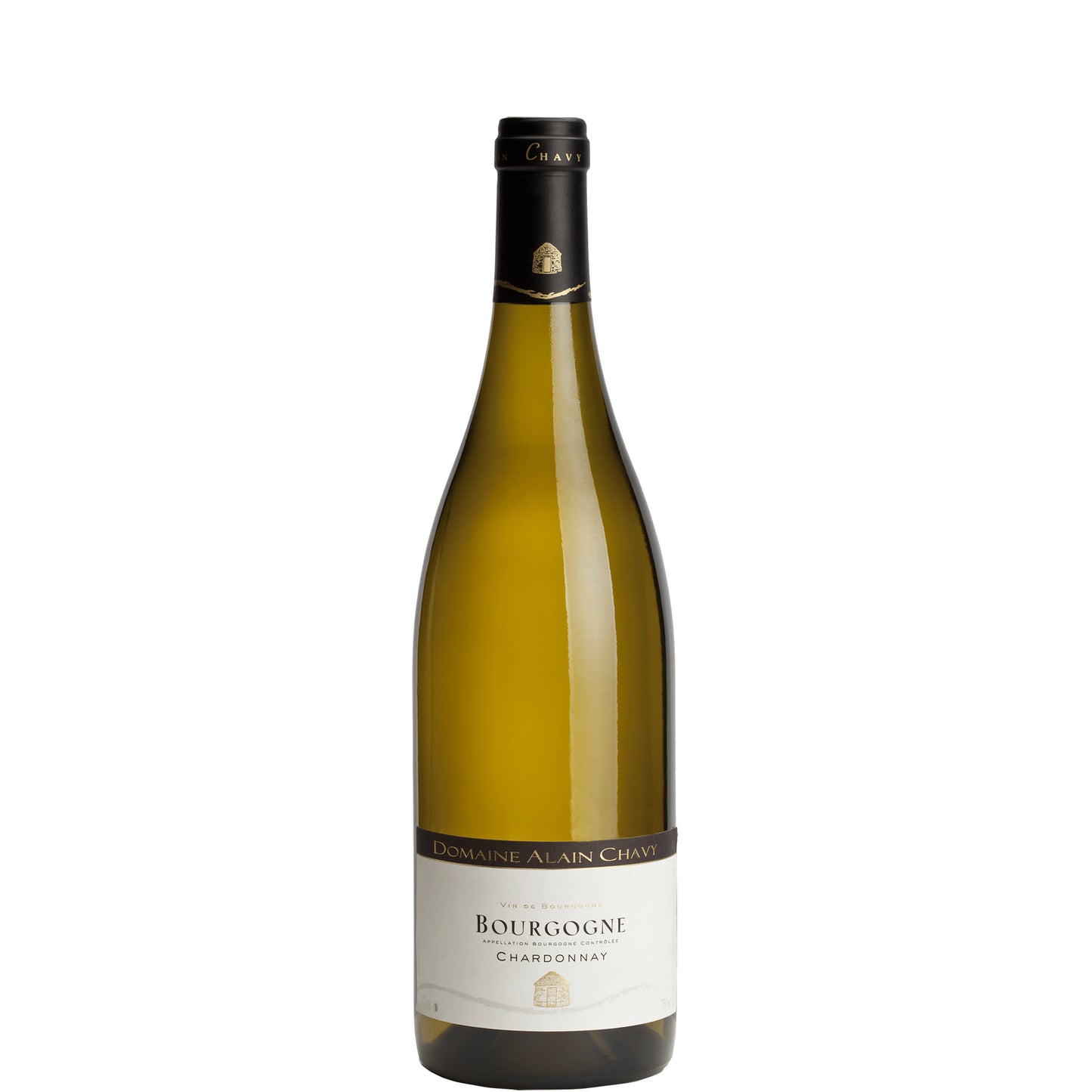
Bourgogne Chardonnay, Domaine Alain Chavy, 2020
Bourgogne Chardonnay, Domaine Alain Chavy, 2020
- 75cl
- 13%
- White Still
- Chardonnay
Couldn't load pickup availability

Optimal drinking window: Now - 2028
About Bourgogne Chardonnay, Domaine Alain Chavy, 2020
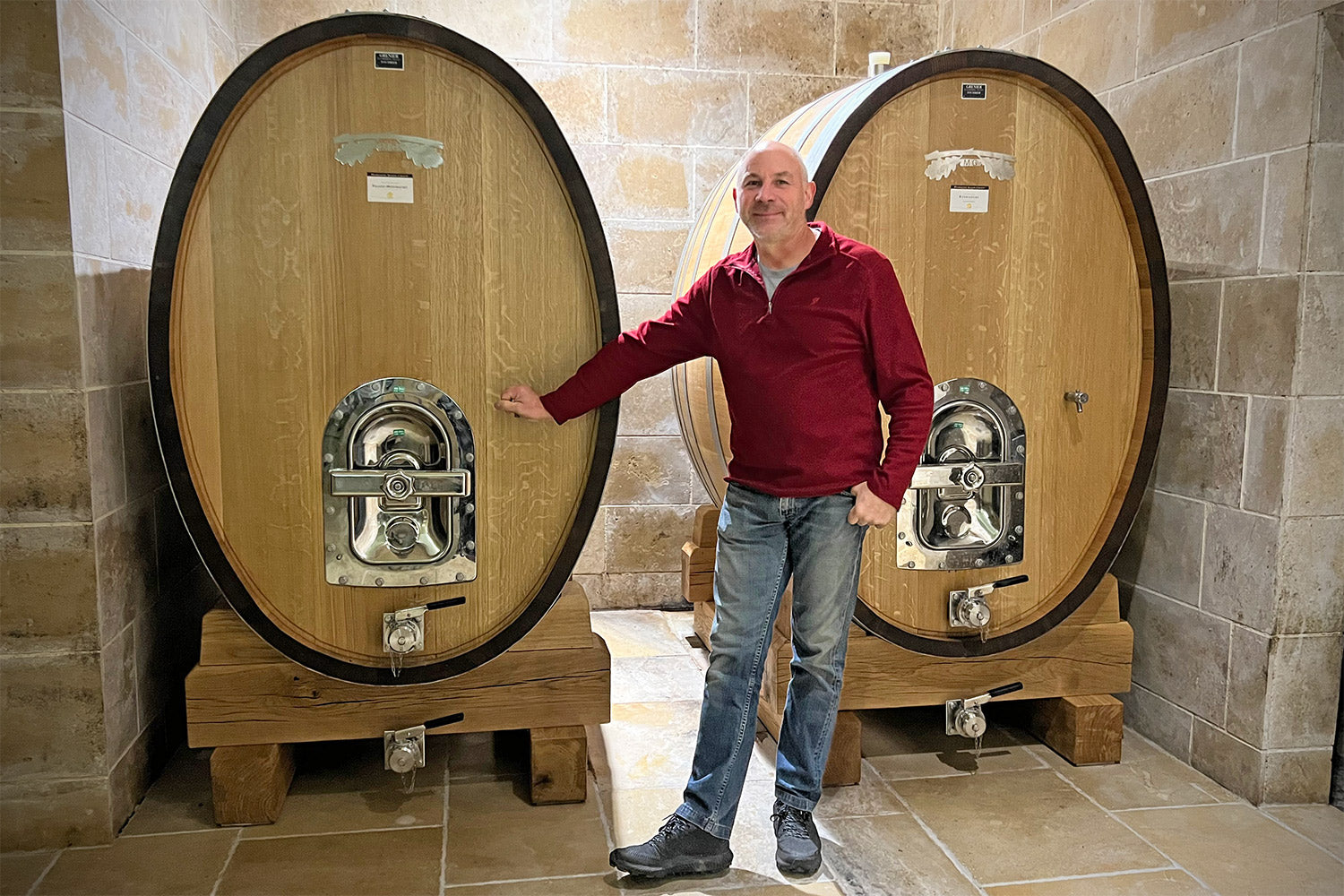
The Chavy family has been rooted in Puligny for nearly 200 years, but their modern story truly begins in 1976 when Gérard Chavy chose to stop selling his grapes to négociants and began bottling wines under his own label.
In 2003, Gérard’s sons, Alain and Jean-Louis, parted ways due to creative differences and established their own Domaines. Alain Chavy now manages 7 hectares, including some of Puligny's most esteemed Premier Crus. Known for his restrained winemaking style that emphasises purity of fruit, Alain has quickly made a name for himself in the appellation. With a minimal intervention approach and a focus on freshness, his wines are celebrated for their purity, precision, and tension.
This 2020 is drinking beautifully now, showing the primary fruit character that makes young Burgundian Chardonnay so appealing. Over the next year or two, the apple and peach flavours will integrate further with the mineral backbone, developing subtle honeyed complexity while retaining freshness. The wine will reach its optimal drinking window around 2027-2028, when fruit and minerality achieve perfect balance. Beyond 2030, the primary fruit will begin to fade, though the wine's natural acidity should keep it pleasurable for several more years, albeit with less vibrancy.
Food Pairings
In Burgundy, this style of Chardonnay would traditionally accompany the region's famous escargots de Bourgogne, where the wine's acidity cuts through the garlic and parsley butter. Local cooks would also pair it with pike-perch from the Saône River, simply prepared with beurre blanc, or the creamy regional favourite, oeufs en meurette - poached eggs in a light red wine sauce. The wine's mineral backbone makes it perfect alongside the local Chaource cheese, while its fresh acidity complements jambon persillé, the region's traditional parsley-studded ham terrine.
We think this wine would go well with
Serve well-chilled at 10-12°C to preserve the wine's natural freshness and mineral precision. No decanting required - this wine is all about immediate purity and charm. Pour into medium-sized white wine glasses that will concentrate the delicate aromatics without overwhelming them. Open just before serving, as the wine shows best when its vibrant fruit character is at its most expressive.
The vineyards lie on limestone-rich soils with clay subsoils typical of Burgundy's Côte d'Or. This combination provides excellent drainage while retaining enough moisture to sustain the vines through dry spells. The cooler climate here demands careful vineyard management to achieve full ripeness, but rewards patience with wines of remarkable purity and mineral precision. These conditions naturally favour Chardonnay's expression of place over power.
Bourgogne Chardonnay represents the entry point to Burgundy's white wine hierarchy, sourced from vineyards across the region that don't qualify for village or Premier Cru status. Despite its regional classification, the appellation can produce wines of genuine class when handled by skilled producers like Alain Chavy. The regulations permit yields up to 68 hectolitres per hectare, though quality-minded producers typically harvest far less. At its best, Bourgogne Chardonnay offers a glimpse of Burgundy's signature combination of fruit purity and mineral backbone without the premium pricing of more prestigious appellations.
We'll be honest: 2020 in Burgundy was a vintage that kept everyone on their toes. A warm, dry spring brought early budbreak, then summer turned properly scorching with temperatures hitting 40°C in August. The saving grace came from perfectly timed August rains that rescued the vines from serious drought stress, followed by ideal September weather that allowed for unhurried picking. Yields were mercifully normal after several years of frost-ravaged harvests, and crucially, the heat never tipped into the jammy territory that can plague warmer vintages here.
What emerged were wines with surprising freshness despite the heat, showing ripe fruit balanced by good acidity and lovely mineral precision. The reds have more immediate charm than the structured 2019s, with silky tannins and generous Pinot Noir character, whilst the whites display beautiful richness without losing that crystalline Burgundian tension we adore. This isn't a legendary vintage like 2005 or 2010, but it's thoroughly delicious and more approachable in youth than many Burgundy vintages. The village wines are drinking beautifully now, Premier Crus are just hitting their stride, and the Grands Crus will reward patience for another five to ten years.
FAQs
What does this Burgundy Chardonnay taste like?
Fresh and mineral-driven, with crisp apple and white peach flavours balanced by chalky limestone notes and bright acidity.
When should I drink this wine?
It's drinking beautifully now and will be at its peak between 2027-2030, though it will remain enjoyable through the early 2030s.
What food pairs well with this wine?
Classic matches include oysters, grilled fish, roast chicken, and soft cheeses like Brie or Camembert. Its acidity also makes it excellent with cream-based dishes.
How should I serve this wine?
Serve well-chilled at 10-12°C in medium-sized white wine glasses. No decanting needed - just open and pour.
Is this wine worth cellaring?
While it will develop nicely over the next few years, this is designed for relatively early drinking rather than long-term cellaring. Enjoy it within 5-7 years of vintage.
How does this compare to village-level Burgundy?
This regional Bourgogne offers excellent value, showing classic Burgundian character at a fraction of the price of village appellations like Meursault or Puligny-Montrachet.
Explore related wines


-
-
Speak to one of our Wine Gurus
Speak to a Wine GuruWith years of experience, our team can help you with all your wine buying and selling needs