

Bodega El Maestro Sierra, Pedro Ximénez Sherry, Nv
Bodega El Maestro Sierra, Pedro Ximénez Sherry, Nv
- 75cl
- 15%
- Fortified
- Pedro Ximenez
Couldn't load pickup availability

Optimal drinking window: 2026 - 2040
Bodega El Maestro Sierra’s Pedro Ximénez is pure indulgence in a glass. Deep mahogany in colour, it pours almost like syrup and bursts with aromas of raisins, figs, dates, and molasses, wrapped in warm notes of toffee, cocoa, and spice. On the palate it’s lusciously sweet yet beautifully balanced, coating the mouth with layers of dried fruit and caramel before finishing long and silky.
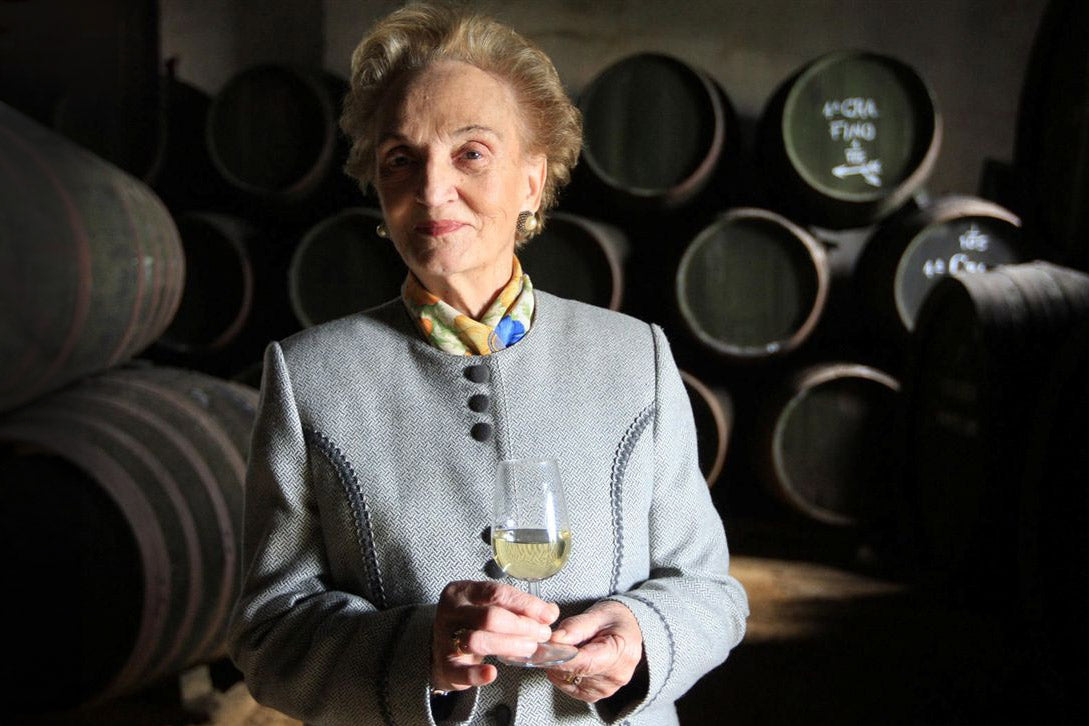
Founded in 1830 and still family-owned, El Maestro Sierra is one of the most traditional bodegas in Jerez, known for its meticulous ageing in old American oak casks and for keeping alive the heritage of classic sherry styles. This PX is a shining example of their craft, perfect with blue cheese, rich chocolate desserts, or simply sipped slowly on its own.
As a non-vintage solera wine, El Maestro Sierra's PX is already at a stable point of maturity when released, which means there's very little waiting required. The dried fruit and toffee character is fully formed now and will remain consistent for many years, deepening very gradually towards more concentrated fig and dark treacle notes as time passes. It won't decline sharply — the high sugar and fortification are natural preservatives — but neither will it transform dramatically in bottle in the way that vintage Port or old Sauternes might. Drinking it any time between now and 2040 will give you a wine at or near its best; beyond that, quality will be maintained but further evolution is unlikely.
What the critics say:
"Another step up is the non-vintage Pedro Ximinez from a 15-year-old solera. It is brown amber in color with aromas of orange peel and English toffee. It is thick and rich on the palate and very long."
Tasting Notes
AppearanceDeep mahogany, almost opaque at the centre, with a warm amber rim — it coats the glass slowly, like treacle.
NoseRaisins and dried figs lead, with English toffee and orange peel threading through and stopping the whole thing from feeling one-dimensional. There's a quiet warmth underneath — cocoa, old oak, a faint suggestion of molasses — that only comes from years in the solera.
PalateThick and rich as you'd expect, but not without lift — there's enough acidity to keep the sweetness in check and ensure the wine moves across the palate rather than sitting heavily on it. Caramel, dried fruit, and a soft spice unfurl in layers, with cocoa and toffee deepening towards the centre.
FinishLong and silky, with toffee and dried fruit that linger well after the glass is empty.
Overall impressionA PX of genuine depth and old-school integrity — indulgent, but never out of control.
Food Pairings
In Jerez and across Andalusia, PX is the traditional partner for postres — local desserts like torrijas (a kind of Spanish French toast soaked in wine and honey), polvorones (crumbling almond shortbreads), and tocino de cielo, an intensely sweet egg-yolk custard that mirrors the wine's own richness perfectly. A wedge of aged Manchego or Payoyo cheese — both salty, both nutty — creates a classic sweet-salt contrast that locals have been exploiting for centuries. Strong dark chocolate is another natural companion, as is a scoop of good vanilla ice cream with a generous pour straight over the top, which is practically a regional institution in its own right.
We think this wine would go well with
Serve lightly chilled, around 12-14°C — slightly cooler than room temperature, which keeps the sweetness feeling fresh rather than heavy. No need to decant; the wine is ready as poured and won't benefit from significant air. A small dessert wine glass or a copita works well, focusing the aromas and keeping portions to a sensible measure — this is a wine to savour slowly, not to rush.
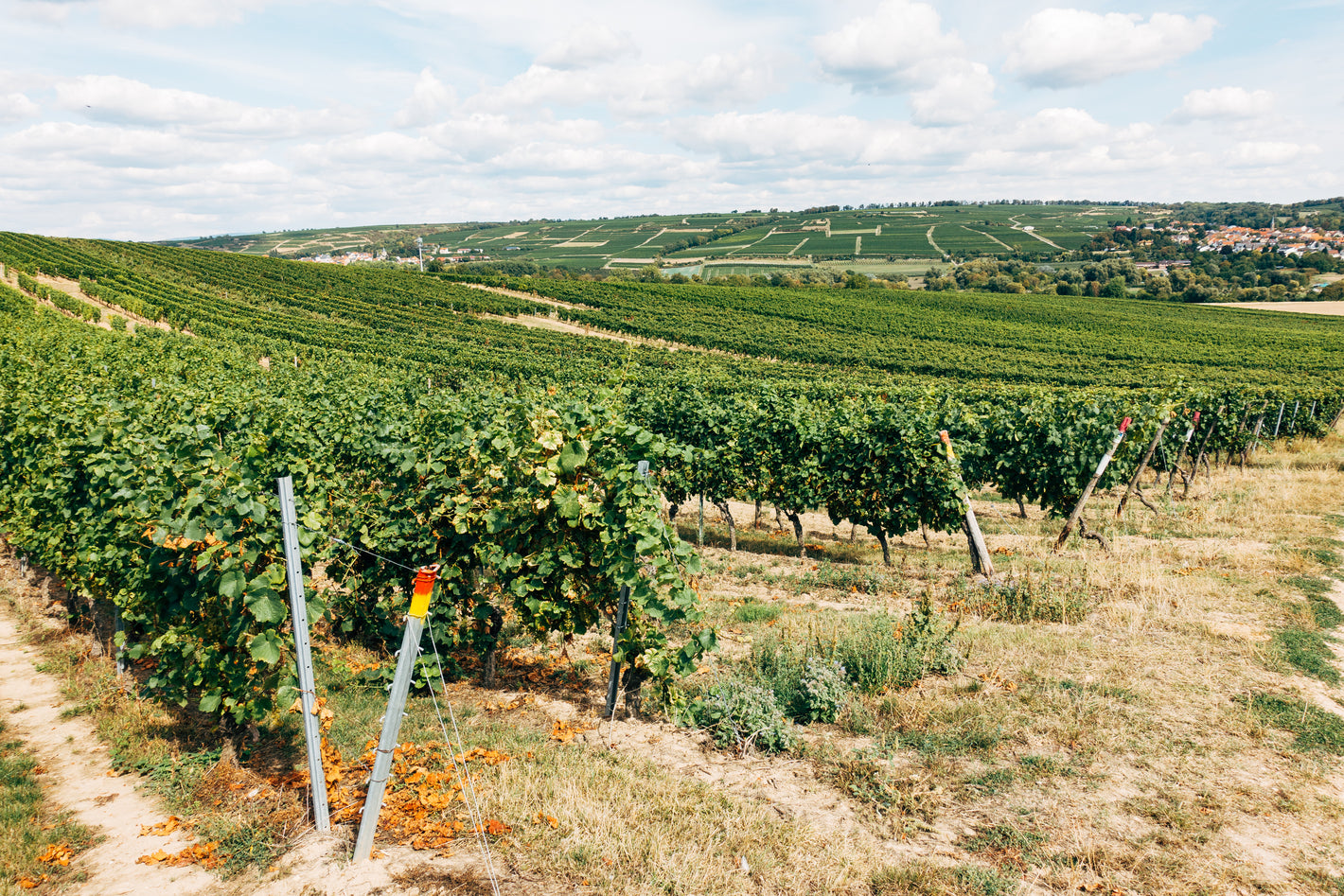
Pedro Ximénez grapes used in Jerez PX production are typically sourced from the Montilla-Moriles region to the north-east, where the extreme Andalusian heat drives natural sugar concentration. The grapes are then sun-dried on esparto grass mats after harvest, further intensifying sweetness before pressing. In El Maestro Sierra's case, the subsequent solera ageing in Jerez — with its distinctive warm, humid cellars — adds layers of oxidative complexity that raw fruit alone could never produce.
Jerez-Xérès-Sherry is one of Spain's oldest and most storied DO regions, centred on the city of Jerez de la Frontera in Andalusia. Pedro Ximénez produced here must be made from PX grapes that have been sun-dried to raisin-like concentration, then fermented partially and fortified with grape spirit to around 17% ABV before solera ageing. The style is markedly different from the dry, bone-pale Finos and Manzanillas Jerez is also famous for — PX sits at the other extreme, an unapologetically sweet, dark, and viscous wine that functions as much as a dessert as a drink.
FAQs
What does El Maestro Sierra's Pedro Ximénez taste like?
Rich, sweet, and viscous — think raisins, dried figs, toffee, cocoa, and a thread of orange peel that keeps it lively. It's full-bodied and coating, but the acidity means it doesn't feel cloying. The 15-year-old solera gives it a depth and complexity that younger PX wines rarely achieve.
When should I drink this wine?
Right now, and any time until around 2040. As a solera wine it's already at a mature, stable point — there's no need to wait, and it won't transform dramatically with further cellaring. That said, it will keep perfectly well if you want to hold a bottle back.
What food pairs well with it?
Dark chocolate and blue or aged hard cheeses are the classic partners — the salt and bitterness balance the sweetness brilliantly. It's also wonderful with rich desserts like crème brûlée, almond pastries, or simply poured over good vanilla ice cream. Just as good on its own after dinner.
How should I serve it?
Lightly chilled, around 12-14°C. A small copita or dessert wine glass works best. No need to decant — open and pour. Given the richness and sweetness, a small measure goes a long way.
Is Pedro Ximénez worth cellaring?
It will keep without any trouble — the sugar and fortification mean it's essentially indestructible in a good cellar. That said, it won't evolve in the way that a vintage Port or a great Sauternes does. You're not gaining much by waiting, so we'd say enjoy it sooner rather than later.
Who is Bodega El Maestro Sierra?
One of the most traditional and respected small bodegas in Jerez, founded in 1830 and still family-owned. They're known for meticulous solera ageing in old American oak casks and for keeping classic sherry styles alive at a time when much of the region has modernised. A name worth knowing if you're serious about sherry.

Explore related wines


What are you looking for tonight? Tell me the occasion, a grape, a region — or just try a suggestion below.
Your recommendations will appear here.
-
-
Speak to one of our Wine Gurus
Speak to a Wine GuruWith years of experience, our team can help you with all your wine buying and selling needs