
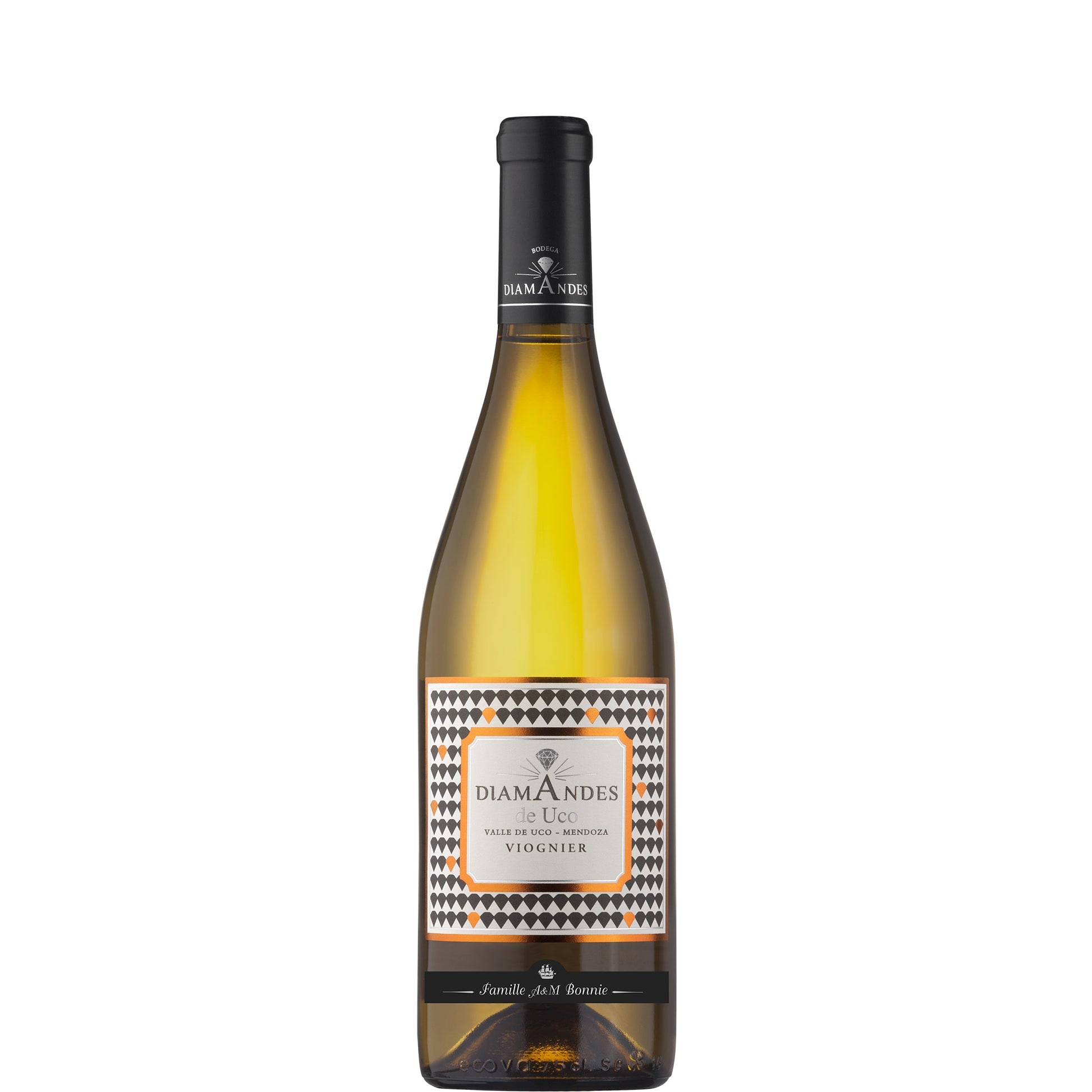
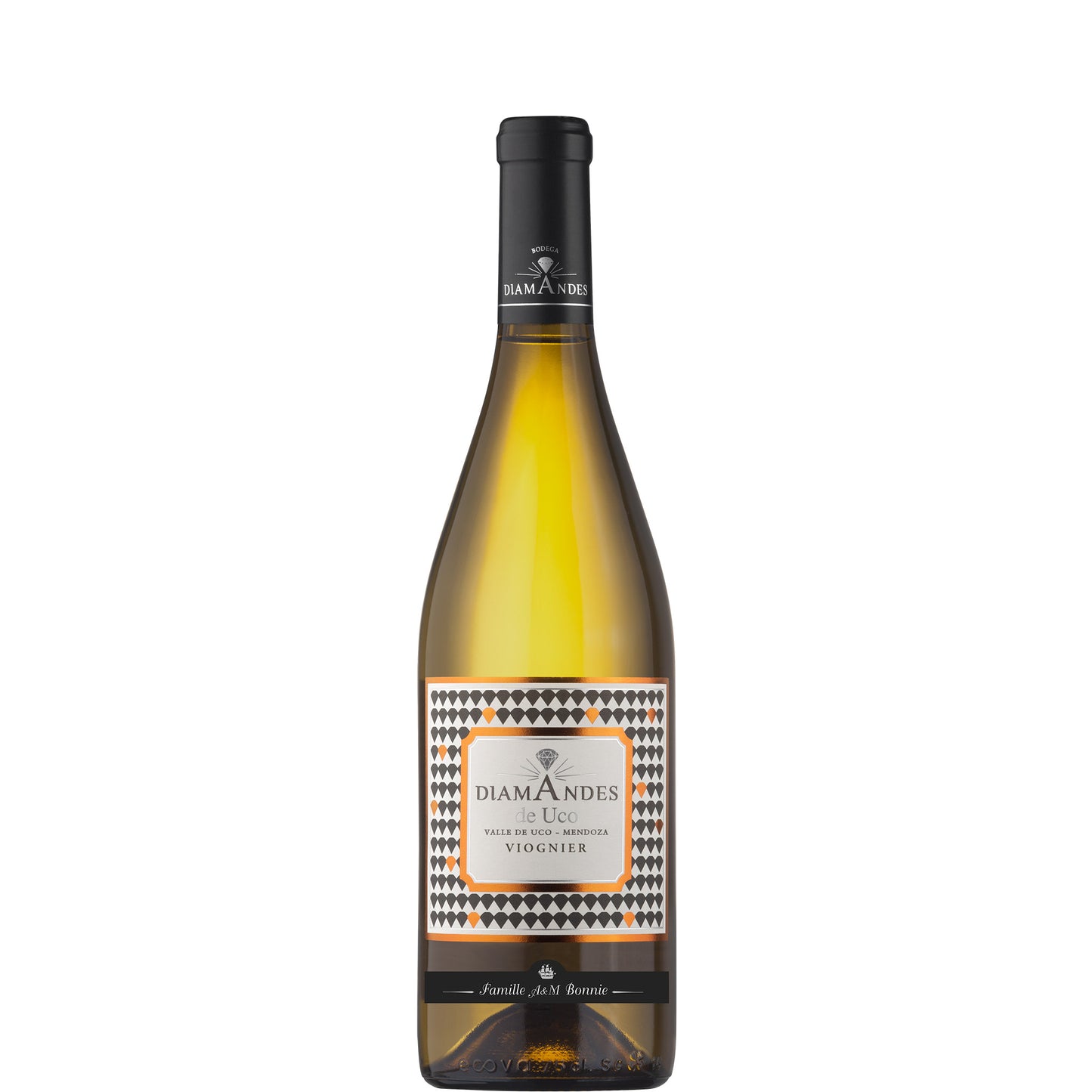
Bodega DiamAndes de Uco Viognier, 2021
Bodega DiamAndes de Uco Viognier, 2021
- 75cl
- 14%
- White Still
- Viognier
- Organic
- Vegetarian
- Vegan
Couldn't load pickup availability

Optimal drinking window: Now - 2028
About Bodega DiamAndes de Uco Viognier, 2021
Another stunner from DiamAndes, this Viognier has a wonderfully expressive nose of stone fruits and flowers, with a juicy, waxy palate that puts one in the mind of the Rhone. A superb example of Argentine Viognier!
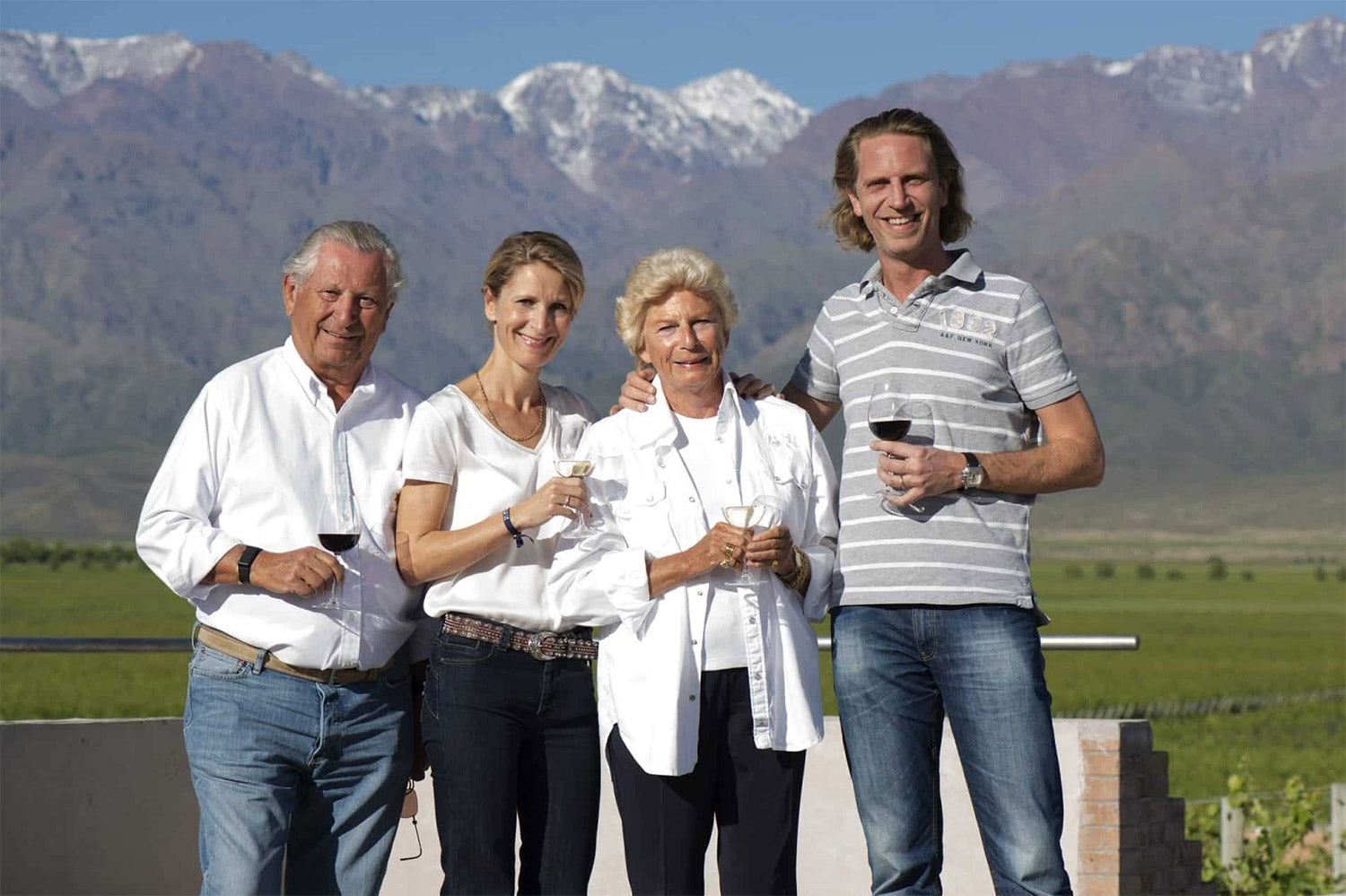
In the heart of Clos de los Siete, Bodega DiamAndes stands as a winemaking haven, producing wines that resonate with intensity and finesse from their beautiful vineyards high up in Argentina's Uco Valley. Set up in 2005 by the esteemed Bonnie Family (the famous name behind Malartic Lagraviere & Gazin Rocquencourt), this is another very successful project from an established Bordeaux dynasty.
A truly exceptional example of what Viognier can achieve in Argentina. Lovely floral notes combine with soft peaches and a hint of tropical fruits, still fresh but with a well rounded body and luxuriously long finish.
Will Hill, Wine Guru
This 2021 Viognier is drinking beautifully now, with its primary stone fruit and floral characters in perfect balance with the oak integration. Over the next two to three years, we expect the wine to develop more honeyed complexity whilst maintaining its fresh acidity. The tropical fruit notes may become more prominent, and the oak will continue to integrate, providing a silky backdrop rather than obvious vanilla flavours. By 2028, the wine will likely show more developed characteristics - think dried apricot and honey - but may start to lose some of its youthful vibrancy. This isn't a wine built for long aging; its charm lies in its exuberant fruit and aromatic intensity.
What the critics say:
"This has an attractive nose of salted pineapple, cream, apricots, honeysuckle and nutmeg. Medium- to full-bodied, with fresh acidity and creamy layers of fresh fruit. Spicy, too. Drink now."
"The 2021 DiamAndes ‘de Uco’ Viognier is made with similar care and attention. 100 per cent Viognier, it spends 10 months in French oak (30 per cent new) and although I found it rather mute on the nose, it has subtle peach and apricot notes in the mouth and a whisper of cream and citrus on the finish. A class act, it can more than hold its head up against the northern Rhône."
Tasting Notes
AppearancePale gold with green glints, catching the light with that waxy sheen good Viognier always has.
NoseOpens with salted pineapple and honeysuckle, then stone fruits emerge - ripe peach and apricot with a whisper of nutmeg. There's cream here too, though it takes a moment to show itself fully.
PalateMedium to full-bodied with that trademark Viognier texture - creamy layers wrapped around fresh acidity. The fruit is generous but controlled, with spice threading through and a hint of citrus lifting everything. French oak has added structure without overwhelming the fruit.
FinishLong and satisfying, with cream and citrus lingering alongside the stone fruit.
Overall impressionThis is Argentine Viognier with serious Rhône credentials - a class act that proves altitude can achieve what tradition does.
Food Pairings
In Argentina's Mendoza province, this style of wine would traditionally accompany empanadas filled with cheese and herbs, or grilled river trout with chimichurri. The locals might pair it with milanesas - breaded and fried veal or chicken cutlets - served with creamy mashed potatoes. During asado gatherings, whilst the men tend to red meat on the grill, the women often enjoy aromatic whites like this alongside fresh goat's cheese, crusty bread, and grilled vegetables. The wine's richness also complements Argentina's love affair with dulce de leche desserts.
We think this wine would go well with
Serve well-chilled at 10-12°C to preserve the wine's freshness and aromatic intensity. No need to decant - this wine is best enjoyed directly from the bottle to maintain its vibrant fruit character. Use a medium-sized white wine glass with a slightly tapered rim to concentrate the floral and stone fruit aromas. The wine will open up beautifully in the glass over 20-30 minutes, revealing its full aromatic complexity.
DiamAndes' vineyards sit at high altitude in the Uco Valley, where the continental climate brings warm days and cool nights that preserve acidity while allowing full ripeness. The alluvial soils, deposited by Andean streams over millennia, provide excellent drainage whilst retaining just enough water to sustain the vines through the dry growing season. This elevation and terroir combination creates wines with both intensity and freshness, allowing Viognier to express its aromatic potential without losing the tension that keeps it from becoming flabby.
The Uco Valley has emerged as one of Argentina's most prestigious wine regions, sitting at elevations between 900 and 1,500 metres in the foothills of the Andes. Unlike the warmer, lower-altitude regions of Mendoza, the Uco Valley's high-altitude sites produce wines with natural acidity and elegance. The area has attracted investment from established wine families worldwide, who recognise its potential for producing world-class wines that combine New World fruit intensity with Old World structure and finesse.
The 2021 vintage in Mendoza threw producers a proper curveball with late spring frosts that arrived just when everyone thought they were in the clear. Those chilly mornings in October knocked yields down across the region, particularly hitting Malbec vineyards in the higher-altitude sites of Luján de Cuyo and the Uco Valley. What followed was a growing season of extremes: searingly hot days tempered by those famous Andean temperature swings that keep acidity intact, then a mercifully cool March that allowed extended hang time without the grapes turning to jam.
The result is a vintage of surprising concentration and freshness, where less truly became more. We find the Malbecs show gorgeous depth without the sometimes overwhelming power of hotter years, whilst the high-altitude Cabernet Sauvignon and Petit Verdot positively shine with focused intensity. The best wines are drinking beautifully now but have the backbone to cellar well into the 2030s. Those lower yields meant producers had to be selective, but the quality from serious estates is genuinely impressive.
FAQs
What does this Viognier taste like?
Think ripe stone fruits - peaches and apricots - with floral honeysuckle notes and a lovely waxy texture. There's a creamy richness from oak aging, but bright acidity keeps it fresh and lively rather than heavy.
When should I drink this wine?
It's drinking beautifully right now and will continue to improve over the next 2-3 years. We'd suggest enjoying it by 2029 whilst it retains its vibrant fruit character.
What food pairs well with this wine?
Rich fish dishes, roast chicken with herbs, creamy pasta, or soft goat's cheese. The wine's richness can handle spiced cuisines too - try it with Thai or Indian dishes that aren't too fiery.
How should I serve this wine?
Serve well-chilled at 10-12°C in a medium-sized white wine glass. No need to decant - pour directly and let it warm slightly in the glass to release its full aromatic potential.
Is this wine worth cellaring?
This is more about immediate pleasure than long-term aging. Whilst it will develop honeyed complexity over 2-3 years, Viognier is best enjoyed for its youthful aromatic intensity rather than cellared for decades.
How does Argentine Viognier compare to French versions?
Argentine Viognier tends to be more fruit-forward and generous than its French cousins from Condrieu, with riper stone fruit flavours and often better value. This example shows impressive restraint and elegance for the variety.


What are you looking for tonight? Tell me the occasion, a grape, a region — or just try a suggestion below.
Your recommendations will appear here.
-
-
Speak to one of our Wine Gurus
Speak to a Wine GuruWith years of experience, our team can help you with all your wine buying and selling needs