

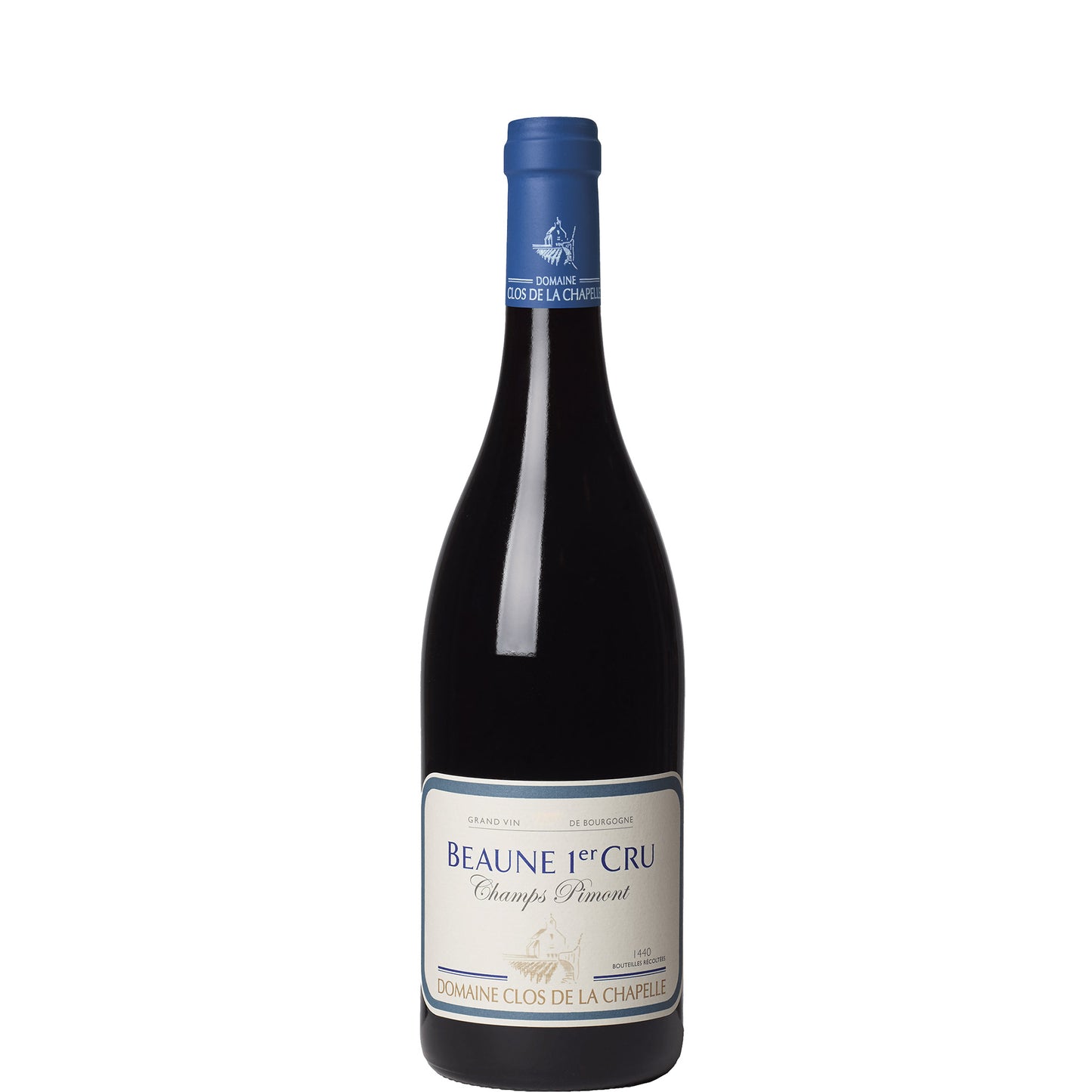
Beaune Premier Cru 'Champs Pimont', Domaine Clos de la Chapelle, 2022
Beaune Premier Cru 'Champs Pimont', Domaine Clos de la Chapelle, 2022
- 75cl
- 14%
- Red Still
- Pinot Noir
- Organic
- Biodynamic
Couldn't load pickup availability

Optimal drinking window: Now - 2035
About Beaune Premier Cru 'Champs Pimont', Domaine Clos de la Chapelle, 2022
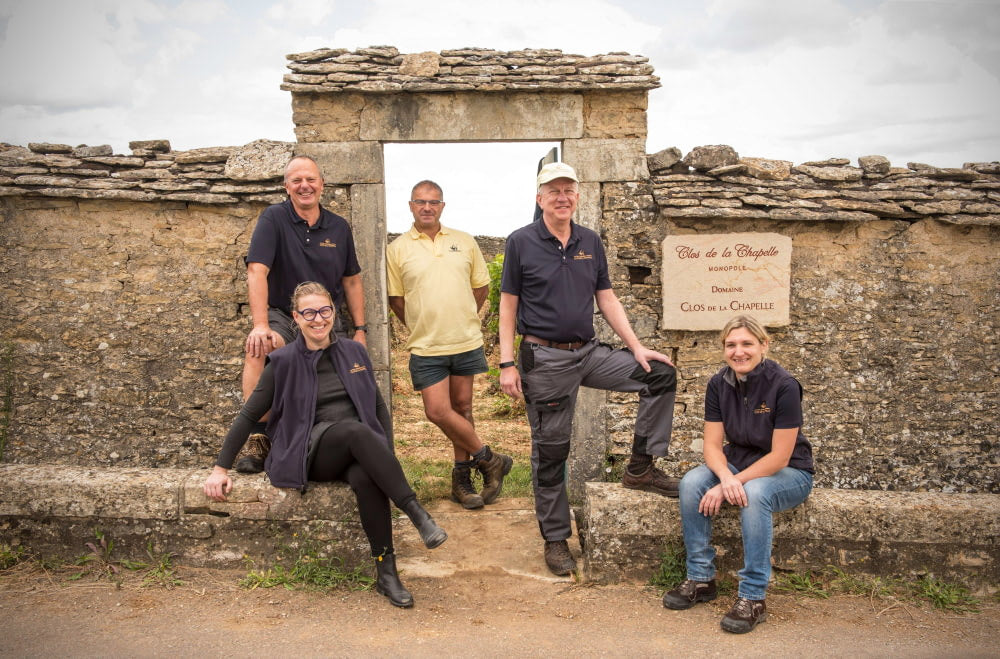
Resurrected by life-long Burgundy lover Mark O’Connell in 2011 and our dear friend Pierre Meurgey, Domaine Clos de la Chapelle is headquartered at the Chateau de Bligny, owned by Pierre and no less than Dominique Lafon. The talent behind the new Domaine is considerable.
We were so impressed by the wines after tasting the 2022s and were surprised to hear that they had little presence in the UK, so it is a real pleasure to offer these wines.
"Sweet red cherry pastille nose, cinnamon stick and star anise, cocoa, spiced plums and raspberry jam tarts, decidedly showy. More tension and focus on the attack, but still very succulent and juicy red and blue berry fruit mid-palate, with salted liquorice tannins and bright acids driving to the pleasingly crisp, tamarind-inflected finish."
Tom Harrow, Head Wine Guru
Currently in its primary phase, this 2022 shows exuberant fruit that will gradually integrate with the wine's mineral and spice elements over the next 2-3 years. From 2028, expect the sweet cherry pastille aromatics to develop more complex secondary characteristics, with forest floor, leather, and dried rose petals emerging alongside the fruit. The wine should reach its peak drinking window between 2030-2033, when the tension between fruit and earth creates perfect harmony. Beyond 2035, the wine will likely maintain its elegance but may begin to show signs of fading fruit intensity, though the mineral backbone should provide structure for several more years.
What the critics say:
"This is aromatically similar to the Les Teurons with the addition of a touch of kirsch. The slightly sleeker and finer medium weight flavors also conclude in a dusty, youthfully austere and slightly more complex finale that is also noticeably firmer. Lovely. Outstanding ♥"
Tasting Notes
AppearanceRich deep ruby with black purple highlights, showing the concentration that Jasper Morris noted.
NoseSweet red cherry pastille leads, followed by cinnamon stick and star anise that add exotic warmth. Underlying cocoa and spiced plums create depth, whilst a touch of kirsch adds lift and elegance. The aromatics are decidedly showy, as Allen Meadows observed, yet retain classical Burgundian restraint.
PalateThe attack shows real tension and focus, balancing the wine's natural generosity with mineral precision. Succulent red and blue berry fruit dominates the mid-palate, supported by salted liquorice tannins that provide structure without heaviness. Bright acidity drives the wine forward, whilst the slightly sleeker texture speaks to the vineyard's limestone influence.
FinishPleasingly crisp with tamarind inflections, the finale shows dusty, youthful austerity that promises excellent evolution.
Overall impressionA wine that marries immediate charm with serious structure, destined for a graceful decade in the cellar.
Food Pairings
In Beaune, this wine would grace tables alongside coq au vin made with the local Pinot Noir, the sauce echoing the wine's red fruit and spice. Boeuf bourguignon remains the classic pairing, the wine's acidity cutting through the rich, wine-braised beef whilst its earthy undertones complement wild mushrooms. Local cheeses like Époisses or aged Comté would highlight the wine's mineral structure, whilst the traditional escargots de Bourgogne, swimming in garlic and parsley butter, would play beautifully against the wine's herbal complexity. During harvest season, locals might enjoy this with simple roasted game birds or duck breast, allowing the wine's elegant fruit to shine.
We think this wine would go well with
Serve at 16-17°C to allow the wine's aromatic complexity to fully express itself. Given its current youthful austerity, we'd recommend decanting for 45 minutes to an hour, which will help soften those salted liquorice tannins whilst preserving the bright fruit character. Use generous Burgundy bowls rather than Bordeaux glasses to concentrate the delicate aromatics. The wine will benefit from this breathing time throughout its drinking window, though older bottles may need only 30 minutes of aeration.
Champs Pimont sits on the gentle slopes of Beaune's premier cru hillsides, where limestone-rich soils provide excellent drainage whilst retaining enough moisture for the vines. The vineyard's east-facing exposition captures morning sun, allowing for gradual ripening that preserves acidity whilst developing complex aromatics. These calcareous soils impart the mineral backbone and elegant structure that define this cuvée, whilst the slightly cooler microclimate ensures the wine retains its characteristic finesse.
Beaune Premier Cru represents some of Burgundy's most reliable and food-friendly wines, sitting between the more powerful Côte de Nuits and the delicate Côte de Beaune villages. The appellation encompasses 42 premier cru vineyards surrounding the historic wine capital, each offering subtle variations on Beaune's signature theme of elegance and accessibility. Unlike some Burgundy appellations that demand decades of patience, Beaune Premier Cru wines typically show beautifully after 5-7 years whilst continuing to evolve gracefully for 15-20 years.
The 2022 growing season in Burgundy began with a worryingly dry spring that had vignerons checking soil moisture levels weekly, followed by a summer that alternated between intense heat and welcome rainfall. The vines handled the stress remarkably well, producing smaller berries with concentrated flavours, though yields dropped significantly across both the Côte d'Or and Chablis. Harvest began earlier than usual, with many producers picking in late August under bright skies.
What emerged from the cellars shows a vintage of surprising finesse given the challenging conditions. The Pinot Noirs display vivid fruit and firm tannins without the jammy weight you might expect from a hot year, whilst the Chardonnays retained their mineral backbone alongside ripe stone fruit flavours. We're finding the village-level wines particularly compelling right now, drinking beautifully with just a year or two of bottle age, though the premier and grand crus will reward patience until the late 2020s.
FAQs
What does this wine taste like?
Think sweet red cherries with exotic spices like cinnamon and star anise, succulent berry fruit balanced by bright acidity and elegant mineral tannins. It's showy yet refined, with a distinctive tamarind-inflected finish.
When should I drink this wine?
The critics suggest drinking from 2028-2035, though we find young Burgundy often rewards earlier exploration. You could certainly try a bottle now with decanting, but patience will be rewarded with greater complexity.
What food pairs well with this wine?
Classic Burgundian dishes like coq au vin or boeuf bourguignon are natural partners, but it's versatile enough for roasted duck, game birds, or aged hard cheeses. The wine's acidity makes it brilliant with mushroom-based dishes.
Should I decant this wine?
Absolutely. Give it 45 minutes to an hour in a decanter to soften those youthful tannins and allow the aromatics to open up. Use a wide-bowled Burgundy glass rather than a narrow Bordeaux glass.
Is this wine worth cellaring?
Definitely. This is a wine built for evolution, with the structure and acidity to develop beautifully over the next decade. The combination of serious terroir and talented winemaking suggests excellent aging potential.
How does this compare to other Beaune wines?
This shows more exotic spice and concentration than typical Beaune, reflecting both the specific Champs Pimont terroir and the meticulous approach at Clos de la Chapelle. It's more structured than most Beaune but retains the appellation's signature elegance.
Explore related wines


What are you looking for tonight? Tell me the occasion, a grape, a region — or just try a suggestion below.
Your recommendations will appear here.
-
-
Speak to one of our Wine Gurus
Speak to a Wine GuruWith years of experience, our team can help you with all your wine buying and selling needs