

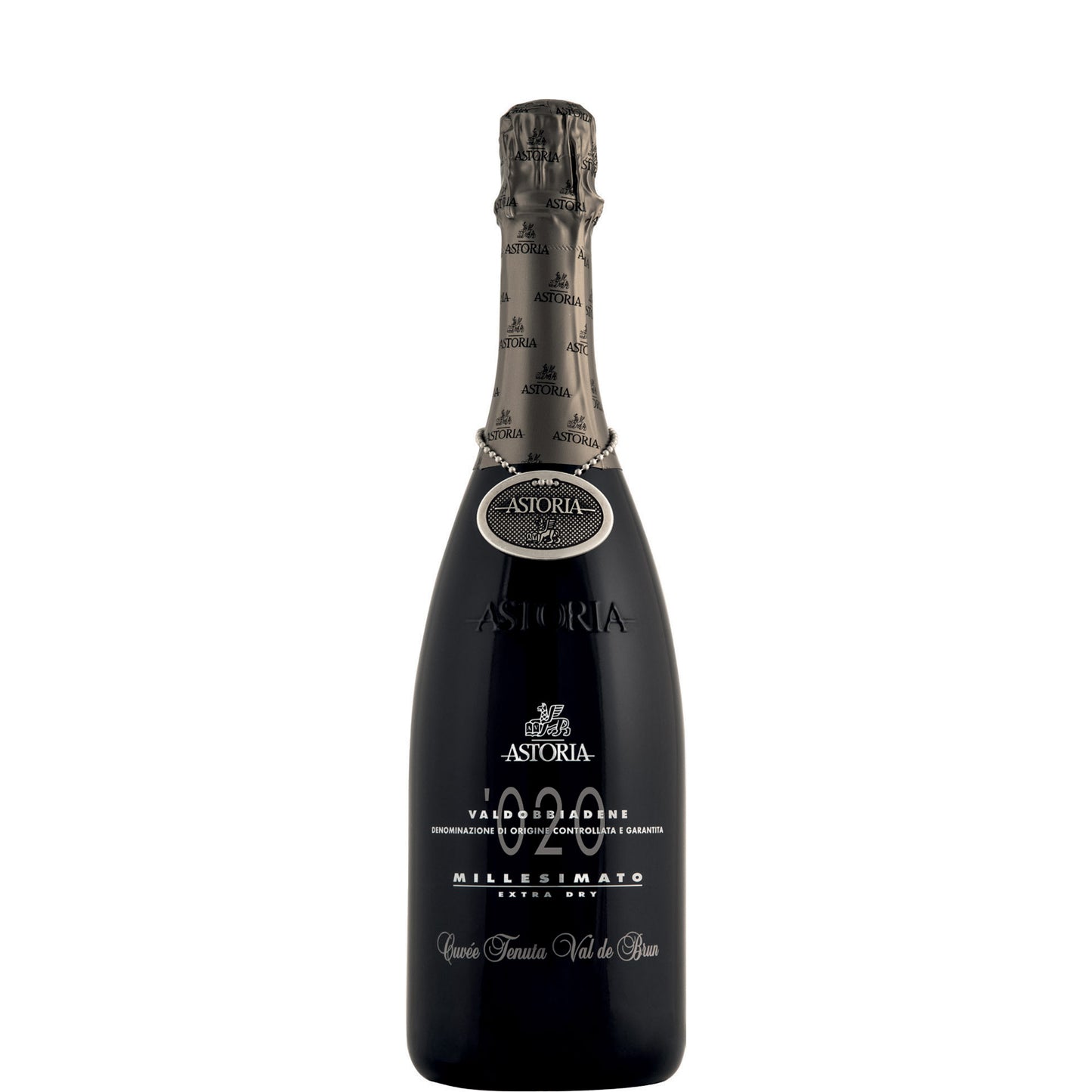
Astoria, Medaglia Millesimato Superiore, 2022
Astoria, Medaglia Millesimato Superiore, 2022
- 75cl
- 11.5%
- White Sparkling
- Glera
Couldn't load pickup availability

Optimal drinking window: 2026 - 2028
About Astoria, Medaglia Millesimato Superiore, 2022
Astoria Medaglia Millesimato Superiore is pale green-yellow in the glass with a fine, persistent bead. The nose is classic and inviting, showing white peach, melon and spring blossom, leading into a ripe, aromatic palate that’s long, balanced and very easy to enjoy.
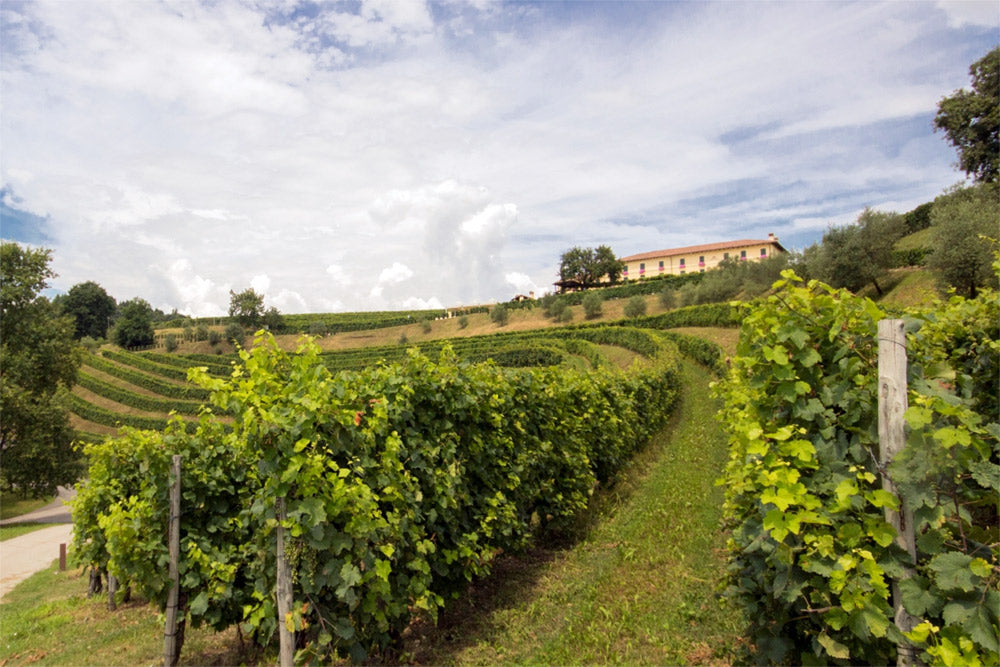
The fruit comes from hillside vineyards at around 150 metres above sea level. Glera grapes are hand-harvested in September at optimal ripeness, then gently pressed. Both primary and secondary fermentations take place in stainless steel, with a short period on lees to add a little extra texture and depth while keeping the wine fresh and fruit-driven.
This 2022 is drinking beautifully now, showing the primary peachy fruit at its most expressive. Over the next year, the fruit will integrate further with the mineral backbone, developing a subtle honeyed complexity while maintaining its essential freshness. By 2028, the wine will still be perfectly pleasant but may start to lose some of its youthful exuberance. This style is about capturing a moment rather than long development - drink it while that white peach character is singing.
Food Pairings
In the Veneto, this would be the natural partner for cicchetti - those perfect little bites served in Venetian bacari. Think baccalà mantecato on toasted polenta, sarde in saor with their sweet and sour onions, or simply excellent San Daniele prosciutto with fresh figs. The locals would also reach for this with risotto di prosecco e radicchio di Treviso, where the wine's acidity cuts through the creamy rice while echoing the flavours in the glass. During white asparagus season, nothing beats this pairing with the prized asparagus of Bassano del Grappa.
We think this wine would go well with
Serve well-chilled at 6-8°C in proper flutes or tulip glasses to concentrate the aromatics and show off that persistent mousse. No decanting required - this is about immediate pleasure and freshness. Open just before serving to preserve the fine bubbles, and don't be tempted to use those wide coupes that let all the lovely aromatics escape.
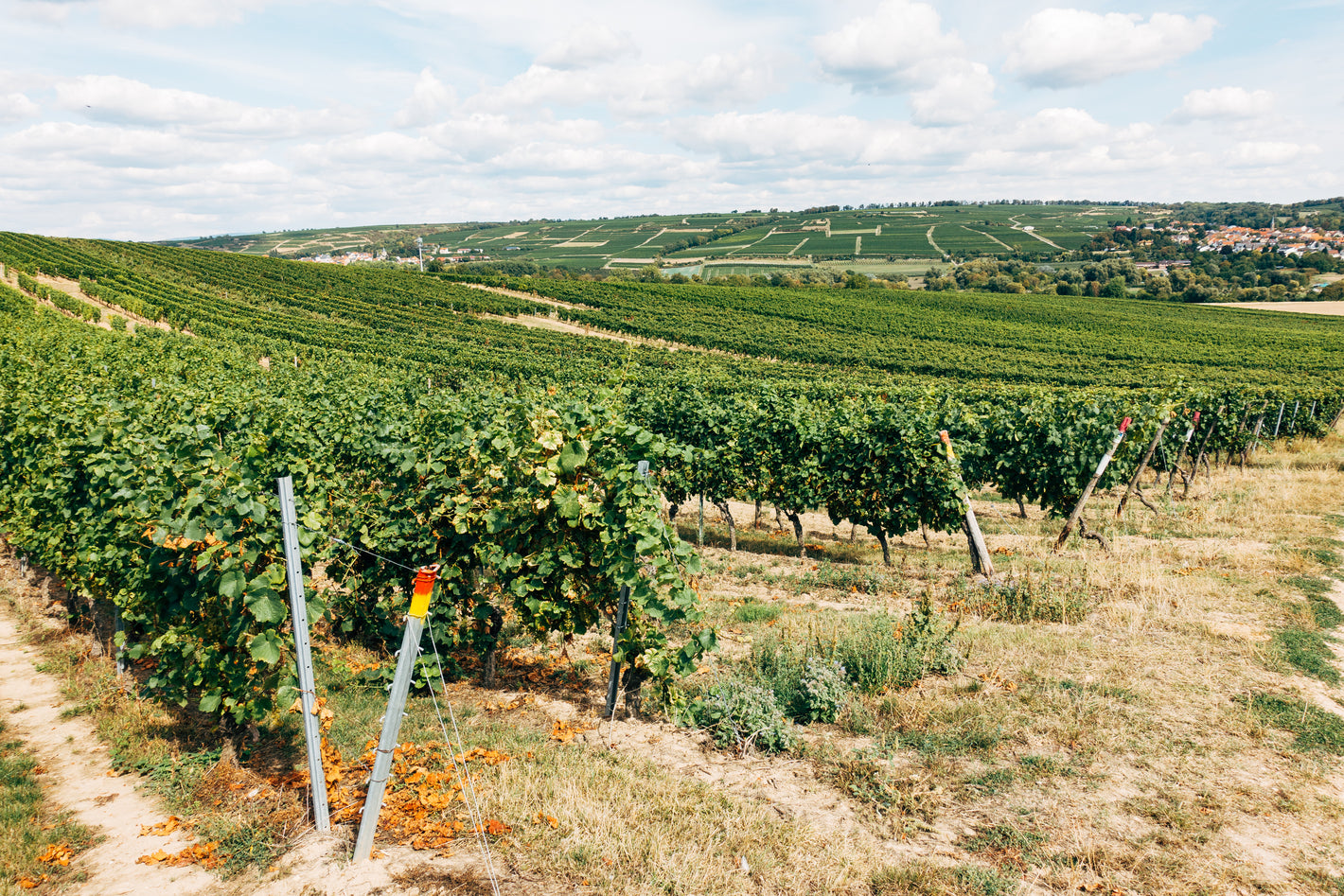
The vineyards sit at around 150 metres above sea level on the hillsides of Valdobbiadene, where the steep slopes and mineral-rich soils force the vines to work harder. The elevation provides crucial diurnal temperature variation, preserving acidity while allowing full flavour development. These clay and limestone soils, combined with the area's unique microclimate, create the tension between ripeness and freshness that defines great Prosecco Superiore.
Prosecco Superiore DOCG covers the historic heartland of Prosecco production in Valdobbiadene and Conegliano, where steep hillside vineyards and cooler conditions produce wines of greater finesse than the broader Prosecco DOC. The DOCG status, awarded in 2009, recognises both the superior terroir and stricter production standards, including lower yields and longer lees contact. These wines show more structure and complexity than their flatter cousins, with the minerality and precision that only come from proper hillside sites.
The 2022 vintage in Veneto started with a deceptively mild winter, followed by a spring that threw curveballs at every turn. Early budbreak looked promising until late frosts in April caught some vineyards off guard, particularly in the hillier zones around Soave and Valpolicella. Summer brought the real drama: scorching temperatures and prolonged drought stressed the vines something fierce, forcing growers to dig deep into their bag of tricks with strategic leaf management and whatever irrigation they could muster.
What emerged was a vintage of surprising concentration, though yields dropped considerably across the board. Garganega in Soave developed intense minerality alongside ripe stone fruit flavours, while Corvina and the Valpolicella blend gained serious structure without losing their characteristic bright acidity. The reds show more muscle than usual but retain their drinkability—think of them as the athletic cousin of a typical Veneto vintage. Most wines are drinking beautifully now, though the better Amarones will reward patience until 2028 and beyond.
FAQs
What does this Prosecco taste like?
Fresh and fruity with white peach, melon, and spring blossom, balanced by crisp acidity and a fine, persistent mousse.
When should I drink this wine?
It's perfect now and will remain at its peachy best until 2028, though it's most vibrant in its first couple of years.
What food pairs well with this Prosecco?
Excellent with Venetian cicchetti, prosciutto and figs, seafood risotto, or white asparagus - anything that benefits from crisp acidity and elegant bubbles.
How should I serve this wine?
Serve well-chilled at 6-8°C in flutes or tulip glasses to preserve the aromatics and show off the fine bubbles.
Is this worth cellaring?
This is about immediate pleasure rather than long-term development - drink it while the primary fruit is at its most expressive over the next couple of years.
What makes this different from regular Prosecco?
As a Prosecco Superiore DOCG from hillside vineyards, it shows more structure, minerality, and complexity than standard Prosecco, with hand-harvested fruit and stricter production standards.


What are you looking for tonight? Tell me the occasion, a grape, a region — or just try a suggestion below.
Your recommendations will appear here.
-
-
Speak to one of our Wine Gurus
Speak to a Wine GuruWith years of experience, our team can help you with all your wine buying and selling needs