

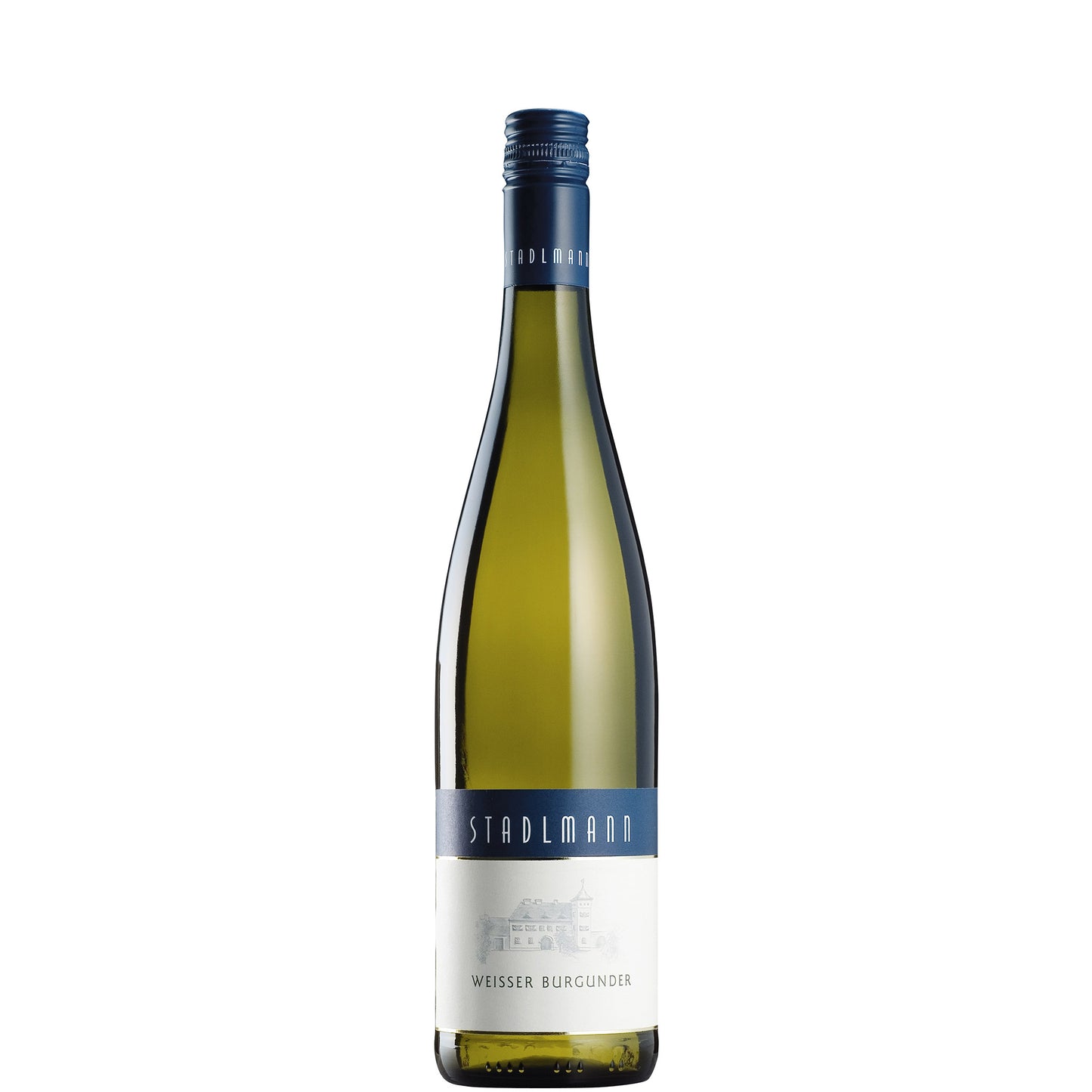
Weingut Stadlmann, Weisser Burgunder, 2018
Weingut Stadlmann, Weisser Burgunder, 2018
- 75cl
- 12.5%
- White Still
- Pinot Blanc
- Organic
Couldn't load pickup availability

Optimal drinking window: Now - 2028
About Weingut Stadlmann, Weisser Burgunder, 2018
This certified organic white from Austria’s Thermen region is an absolute treat, sourced from the Anninger vineyard. Bursting with juicy pear, ripe apricot, and tropical pineapple, it also has subtle hints of cherry, roasted chestnuts, and a touch of honey for extra depth.
Crisp, mineral-driven, and beautifully balanced, it has a lively acidity that makes it an ideal food-friendly wine. It pairs brilliantly with seafood pasta, Wiener Schnitzel (if you can find one!), or just enjoyed on its own.
This 2018 is drinking perfectly now, having reached that sweet spot where primary fruit has integrated beautifully with more complex, nutty secondary flavours. The tropical intensity has mellowed into perfect balance with the mineral backbone, while the acidity remains vibrant and food-friendly. Over the next one to two years, it will continue to show well, though the fresh fruit character will gradually give way to more honeyed, mature notes. Beyond 2028, it may start to lose some of its characteristic freshness, though quality Austrian Pinot Blanc can often surprise with its longevity.
Tasting Notes
AppearancePale gold with brilliant clarity and a slight green tinge around the rim.
NoseRipe pear and apricot dominate, with tropical pineapple adding brightness. Subtle hints of roasted chestnuts and a touch of honey provide depth, while mineral notes suggest the volcanic terroir beneath.
PalateMedium-bodied with excellent weight and texture, the fruit flavours carry through seamlessly from the nose. Crisp, mineral-driven acidity provides backbone without being sharp, while the organic farming shows in the wine's purity and focus.
FinishClean and persistent with mineral notes lingering alongside the fruit.
Overall impressionA textbook example of Austrian Pinot Blanc at its most food-friendly and expressive.
Food Pairings
In the Thermenregion, this style of Pinot Blanc would naturally accompany the local Wiener Schnitzel, where the wine's acidity cuts through the crisp coating while its fruit complements the delicate veal. Locals also pair it with Tafelspitz, Austria's famous boiled beef with apple horseradish sauce, or with the region's excellent freshwater fish from the Danube, simply prepared with herbs and butter. The wine's mineral backbone makes it perfect with Marchfeld asparagus in spring, while its tropical fruit notes work beautifully with the sweet-and-sour flavours of traditional Austrian cuisine.
We think this wine would go well with
Serve well-chilled at 8-10°C to showcase the crisp acidity and fresh fruit character. No need to decant, simply pour straight from the bottle into medium-sized white wine glasses that allow the aromatics to concentrate. If the wine has been stored in a cool place, it may benefit from 10-15 minutes in the glass to open up fully and reveal its subtle complexities.
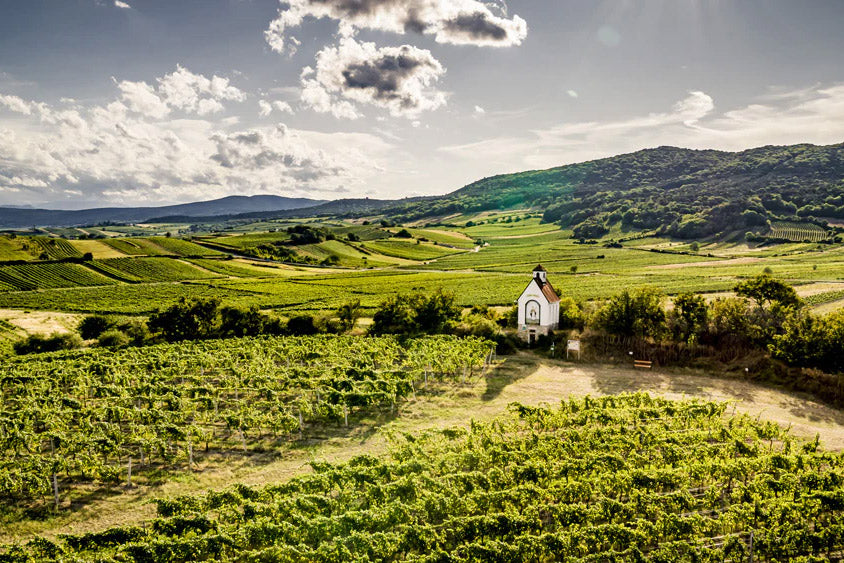
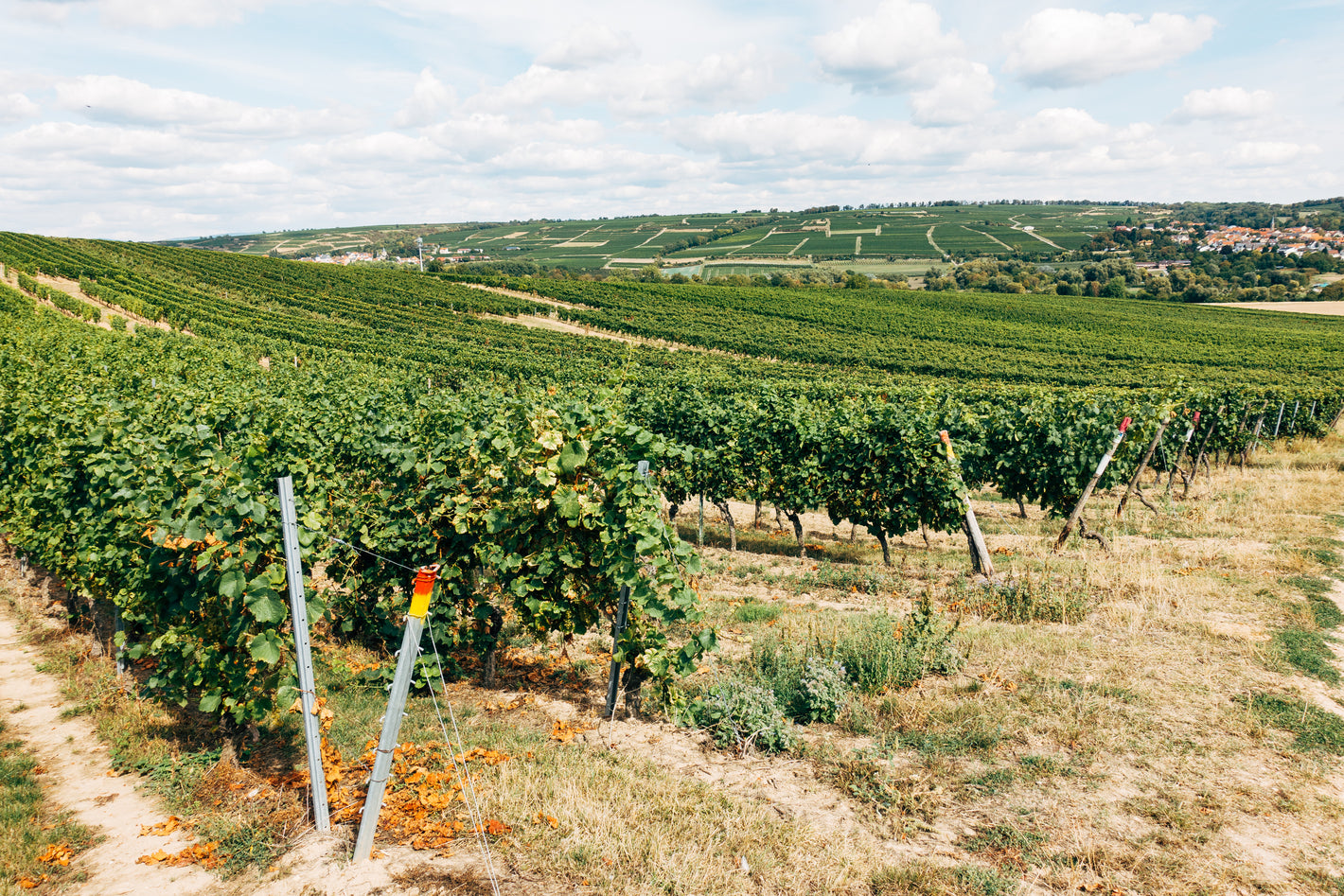
The Anninger vineyard sits in Austria's Thermenregion, south of Vienna, where the warm Pannonian climate meets cooling alpine influences. The soils here are predominantly limestone and clay, providing excellent drainage while retaining enough moisture for the vines during hot summers. This combination of warmth and mineral-rich soils gives Pinot Blanc the perfect conditions to develop both tropical fruit intensity and crisp acidity. The region's thermal springs, which give it its name, create beneficial microclimates that help preserve freshness even in ripe vintages.
The Thermenregion stretches south of Vienna along the eastern foothills of the Alps, named after its famous thermal springs. This DAC region specialises in both indigenous Austrian varieties like Zierfandler and international grapes like Pinot Blanc, which has found a particular home here. The warm, continental climate allows for full ripeness while the limestone soils and cooling breezes preserve acidity. Compared to the Wachau's steep terraces or Kamptal's primary rock, the Thermenregion offers a more generous, fruit-forward style of Austrian white wine.
The 2018 growing season in Thermenregion delivered exactly what Austria's winemakers had been hoping for after a string of challenging years. A warm, dry summer with well-timed rainfall kept the vines healthy without the disease pressure that can plague this humid region south of Vienna. The extended hang time allowed the indigenous varieties that make Thermenregion special—Zierfandler, Rotgipfler, and St. Laurent—to reach full physiological ripeness while retaining the zippy acidity that keeps these wines so food-friendly.
We find the 2018s show brilliant fruit concentration without the heaviness that can weigh down Austrian wines in very hot years. The Zierfandler has that lovely spiced pear character we love, whilst the Rotgipfler brings its trademark grapefruit pith and mineral backbone. St. Laurent, often Austria's answer to Pinot Noir, shows remarkable depth and silky tannins that make it dangerously drinkable already. Most 2018 Thermenregion whites are drinking beautifully now and will hold until 2028, whilst the reds are just hitting their stride and have years ahead of them.
FAQs
What does this Austrian Pinot Blanc taste like?
Juicy and generous with ripe pear, apricot and tropical pineapple, balanced by crisp mineral acidity and subtle nutty depth from bottle age.
When should I drink this 2018 vintage?
It's drinking beautifully right now and will continue to show well until 2029, though the fresh fruit character is at its peak currently.
What food pairs well with this wine?
Perfect with seafood pasta, Wiener Schnitzel, or grilled fish. The crisp acidity and generous fruit make it very food-friendly, especially with Austrian and Mediterranean cuisine.
How should I serve this wine?
Serve well-chilled at 8-10°C in medium white wine glasses. No need to decant, just pour and enjoy.
Is this wine worth cellaring?
While drinking perfectly now, it's best enjoyed over the next 2-3 years while the fresh fruit character remains vibrant. This style is made for drinking rather than long-term ageing.
What makes Austrian Pinot Blanc special?
Austria's continental climate and limestone soils give Pinot Blanc both tropical fruit intensity and crisp mineral structure, creating wines that are both generous and food-friendly.
OUR GROWERS
Weingut Stadlmann
Explore related wines


What are you looking for tonight? Tell me the occasion, a grape, a region — or just try a suggestion below.
Your recommendations will appear here.
-
-
Speak to one of our Wine Gurus
Speak to a Wine GuruWith years of experience, our team can help you with all your wine buying and selling needs