

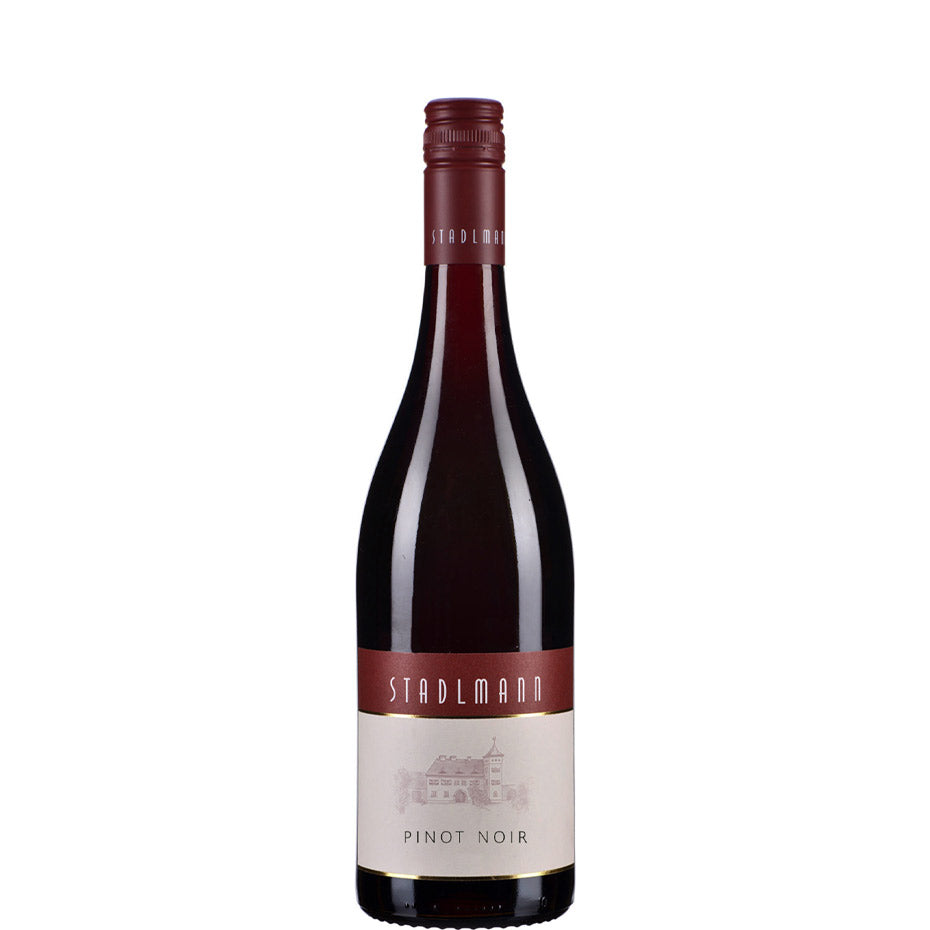
Weingut Stadlmann, Pinot Noir, Blauburgunder, 2018
Weingut Stadlmann, Pinot Noir, Blauburgunder, 2018
- 75cl
- 12.5%
- Red Still
- Pinot Noir
- Organic
Couldn't load pickup availability

Optimal drinking window: Now - 2028
Weingut Stadlmann's certified organic Pinot Noir is a sophisticated, elegant red. Its nose offers hints of cherry and raspberry, complemented by a delicate floral note.
On the palet, this velvety wine reveals its chalky minerality and robust structure. It's the perfect complement to a variety of red meats, from lamb to veal.
This 2018 is drinking beautifully now, having integrated its oak and developed secondary complexity whilst retaining primary fruit character. Over the next 2 years, the wine should plateau, maintaining its elegance whilst gaining additional savoury depth. Beyond 2028, the fruit may begin to fade, though the mineral structure should keep it interesting for dedicated Pinot lovers.
Tasting Notes
AppearanceTranslucent ruby with garnet highlights at the rim.
NoseFresh cherry and raspberry fruit leads, followed by delicate violet florals. There's a mineral edge that suggests the limestone beneath, with subtle hints of forest floor and dried herbs emerging as the wine opens.
PalateThe velvety texture immediately impresses, carrying red berry fruit across a framework of chalky minerality. The robust structure provides backbone without overwhelming the elegant fruit, while natural acidity keeps everything fresh and balanced.
FinishClean and mineral-driven with lingering red fruit and a touch of spice.
Overall impressionSophisticated Austrian Pinot that marries elegance with substance.
Food Pairings
In the Thermenregion, this Pinot Noir would accompany traditional Austrian dishes like Wiener Schnitzel or Tafelspitz, the boiled beef that's a national treasure. The wine's elegance pairs beautifully with roasted duck breast with red cabbage, or the region's famous asparagus dishes served with local ham. Alpine game like venison or wild boar also work magnificently, the wine's mineral backbone cutting through rich sauces whilst complementing the meat's earthy flavours.
We think this wine would go well with
Serve at 15-16°C to preserve the delicate aromatics whilst allowing the fruit to express itself fully. No need to decant this 2018, though opening an hour before serving will let the wine breathe and integrate. Use Burgundy glasses to concentrate the elegant aromatics and showcase the wine's finesse rather than power.
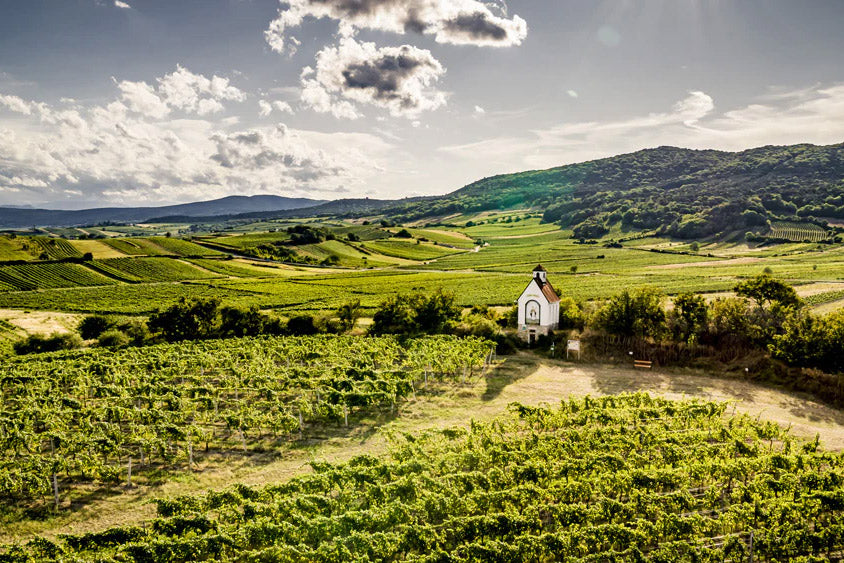
The Thermenregion's limestone and clay soils provide excellent drainage whilst retaining enough moisture for steady ripening. The continental climate brings warm days and cool nights, crucial for preserving acidity in Pinot Noir. These calcareous soils impart the chalky minerality that defines Stadlmann's wines, creating structure without heaviness.
The Thermenregion lies south of Vienna, known historically for its thermal springs and increasingly for elegant red wines. Unlike Austria's more famous Wachau or Burgenland regions, the Thermenregion specialises in both indigenous varieties and international grapes like Pinot Noir. The region's limestone terroir and moderate climate create wines with finesse rather than power, often compared favourably to Burgundy's cooler sites.
The 2018 growing season in Thermenregion delivered exactly what Austria's winemakers had been hoping for after a string of challenging years. A warm, dry summer with well-timed rainfall kept the vines healthy without the disease pressure that can plague this humid region south of Vienna. The extended hang time allowed the indigenous varieties that make Thermenregion special—Zierfandler, Rotgipfler, and St. Laurent—to reach full physiological ripeness while retaining the zippy acidity that keeps these wines so food-friendly.
We find the 2018s show brilliant fruit concentration without the heaviness that can weigh down Austrian wines in very hot years. The Zierfandler has that lovely spiced pear character we love, whilst the Rotgipfler brings its trademark grapefruit pith and mineral backbone. St. Laurent, often Austria's answer to Pinot Noir, shows remarkable depth and silky tannins that make it dangerously drinkable already. Most 2018 Thermenregion whites are drinking beautifully now and will hold until 2028, whilst the reds are just hitting their stride and have years ahead of them.
FAQs
What does this wine taste like?
Elegant and sophisticated, with cherry and raspberry fruit, delicate floral notes, and a distinctive chalky minerality from limestone soils.
When should I drink this wine?
It's drinking beautifully now and will remain at its best until 2032, showing lovely integration of fruit and terroir.
What food pairs well with this wine?
Perfect with lamb, veal, duck, or traditional Austrian dishes like Wiener Schnitzel. The mineral backbone also works brilliantly with game and rich, earthy flavours.
How should I serve this wine?
Serve at 15-16°C in Burgundy glasses. No need to decant, but opening an hour before serving allows the wine to show its best.
Is this wine worth cellaring?
It's drinking at peak now but will reward patience for another 4-6 years, developing more complex earthy and savoury characteristics whilst maintaining its elegant structure.
How does Austrian Pinot Noir compare to Burgundy?
Austrian Pinot often shows more immediate fruit character with distinctive mineral backbone from limestone soils, offering excellent value whilst maintaining the elegance and complexity that makes Pinot Noir special.
OUR GROWERS
Weingut Stadlmann
Explore related wines


What are you looking for tonight? Tell me the occasion, a grape, a region — or just try a suggestion below.
Your recommendations will appear here.
-
-
Speak to one of our Wine Gurus
Speak to a Wine GuruWith years of experience, our team can help you with all your wine buying and selling needs