

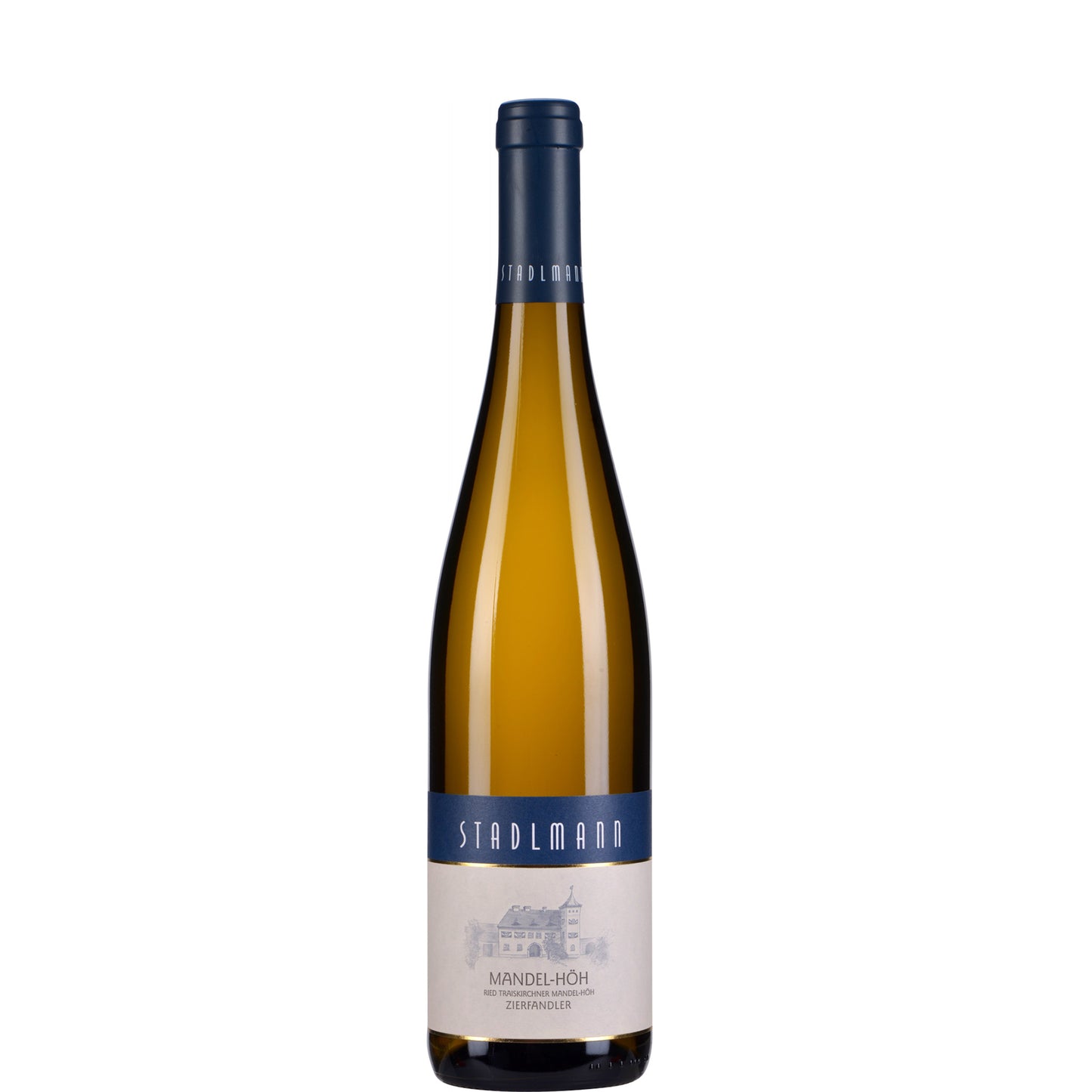
Weingut Stadlmann, Mandel-Höh Zierfandler, 2019
Weingut Stadlmann, Mandel-Höh Zierfandler, 2019
- 75cl
- 13%
- White Still
- Zierfandler
- Organic
Couldn't load pickup availability

Optimal drinking window: 2026 - 2034
The Mandel-Höh Zierfandler 2019 sits at the top of Stadlmann’s range and easily holds its own among the region’s finest wines. From a vineyard farmed by the family for more than 170 years, the 50-year-old vines yield fruit of remarkable character.
The nose shows quince, peach, lime, and grapefruit, with hints of pistachio and a touch of white pepper. The palate is generous and ripe, layered with honey and green tea notes, balanced by fine acidity and an elegant, taut structure. Though it carries just 5 grams of residual sugar, the wine feels almost off-dry thanks to its freshness and precision.
This is a versatile food wine, pairing beautifully with roast poultry like guinea fowl or duck, seafood in butter or cream sauces (think turbot or scallops), or Austrian classics such as Wiener schnitzel. It also works well with soft, creamy cheeses like Taleggio or washed-rind Alpine styles.
The 2019 is currently showing its primary fruit character beautifully, with the quince and peach aromatics at their peak intensity. Over the next 2-3 years, we expect the honey and green tea notes to become more prominent as the primary fruit integrates with the wine's mineral backbone. The limestone-driven structure suggests this wine will develop secondary complexity around 2029-2030, with subtle nutty and spice notes emerging. The wine should plateau in its mid-thirties, maintaining its elegance and food-friendliness until 2034, after which the fruit may begin to fade while the mineral elements persist.
Tasting Notes
AppearancePale gold with brilliant clarity and a slight green tinge at the rim.
NoseImmediate quince and ripe peach aromatics, followed by lime zest and grapefruit. Subtle pistachio and white pepper add complexity, with a faint herbal note emerging as the wine opens. The nose suggests both ripeness and restraint, typical of quality Zierfandler.
PalateGenerous and ripe on entry, with honey and green tea flavours layered over the fruit core. The 5 grams of residual sugar are beautifully integrated, adding texture without sweetness thanks to the wine's bright acidity. The structure is elegant and taut, with limestone minerality providing a firm backbone that carries through to the finish.
FinishLong and precise, with citrus zest and mineral notes lingering well after the last sip.
Overall impressionA sophisticated expression of Zierfandler that balances Austrian generosity with elegant restraint.
Food Pairings
In Thermenregion, this style of Zierfandler would traditionally accompany the hearty cuisine of eastern Austria. Think Wiener schnitzel with its crisp coating and rich texture, or roasted guinea fowl and duck, where the wine's body can stand up to the meat's richness. Local cooks would also pair it with freshwater fish from the Danube prepared in cream sauces, or the region's famous asparagus dishes during spring. The wine's elegant structure makes it perfect with Austria's Alpine cheeses, particularly the creamy, washed-rind varieties that complement Zierfandler's subtle complexity. These pairings reflect the Austrian preference for wines that enhance rather than compete with substantial, flavourful food.
We think this wine would go well with
Serve chilled at 10-12°C to preserve the wine's freshness while allowing its complexity to emerge. No decanting is necessary, but the wine benefits from 15-20 minutes in the glass to fully open up. Use a medium-sized white wine glass with a tulip shape to concentrate the aromatics while providing enough surface area for the wine to breathe. The wine can be enjoyed immediately upon opening but will show additional layers if allowed to warm slightly in the glass.
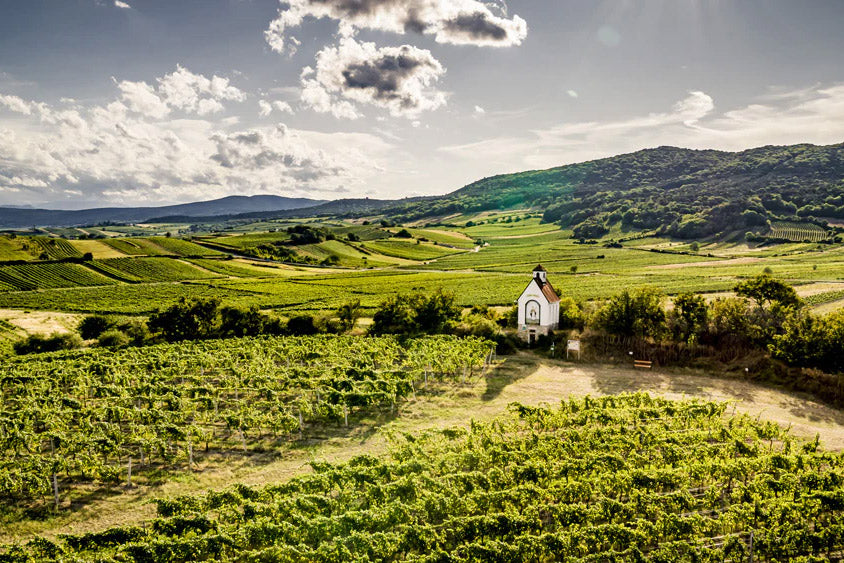
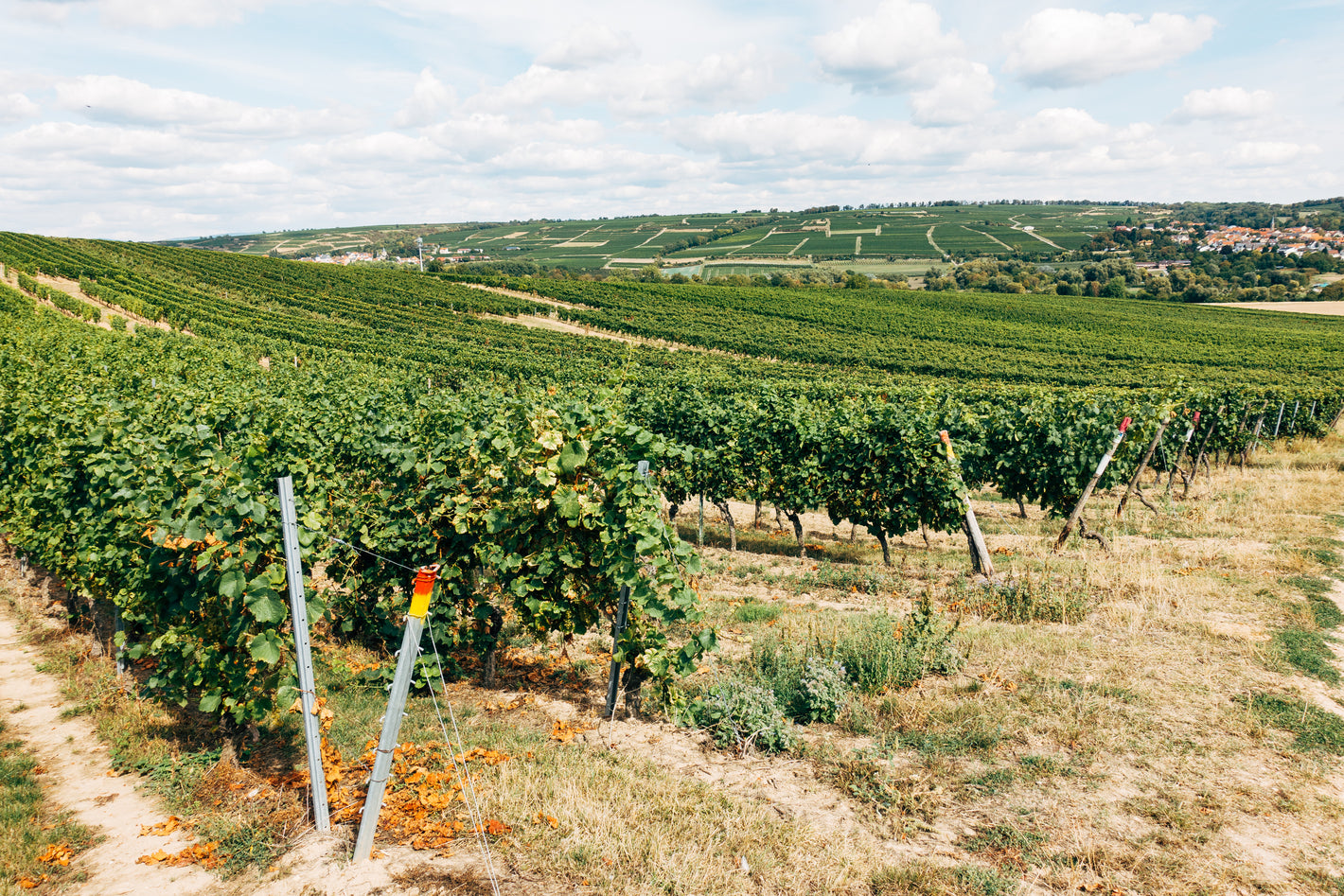
The Mandel-Höh vineyard sits on limestone-rich soils typical of Thermenregion, providing excellent drainage while retaining sufficient moisture for the vines. The region's warm, continental climate is moderated by cooling influences from the nearby Vienna Woods, creating ideal conditions for Zierfandler's long ripening cycle. These 50-year-old vines have deep root systems that access mineral-rich subsoils, contributing to the wine's distinctive structure and complexity. The limestone bedrock imparts the elegant, taut backbone that defines this bottling.
Thermenregion, south of Vienna, is Austria's heartland for indigenous white varieties Zierfandler and Rotgipfler, often blended together in the traditional 'Spätrot-Rotgipfler' cuvée. The region's warm climate and limestone soils create ideal conditions for these late-ripening varieties, which produce wines with more body and richness than Austria's cooler regions. Unlike the crisp, mineral styles of Wachau or Kamptal, Thermenregion whites tend towards generosity and food-friendliness, making them perfect partners for the hearty cuisine of eastern Austria. The appellation's focus on these unique local grapes sets it apart from Austria's other white wine regions.
The 2019 vintage in Niederösterreich's Thermenregion delivered one of those seasons that reminds you why Austrian winemaking has become so compelling. A warm, dry summer concentrated flavours beautifully, whilst sufficient spring rainfall kept the vines healthy through what could have been a punishing growing season. The volcanic soils that define this region proved their worth, retaining just enough moisture to allow steady ripening without the stress that plagued some neighbouring areas.
What emerged was a vintage with real intensity but none of the jammy heaviness you might expect from such conditions. The indigenous varieties that make Thermenregion special—Zierfandler and Rotgipfler—produced wines with more immediate appeal than usual, their characteristic mineral backbone softened by ripe fruit that never tips into sweetness. Pinot Noir from the better sites shows remarkable poise for such a warm year. These wines are drinking superbly now and should continue rewarding patience until 2028, though we'd not blame you for opening them whilst they're showing this exuberant.
FAQs
What does Zierfandler taste like?
Zierfandler produces generous, food-friendly wines with quince, peach, and citrus flavours, often with honey and herbal notes. It's riper and richer than Grüner Veltliner but more elegant than Chardonnay.
When should I drink this 2019?
The wine is drinking beautifully now and will continue to develop complexity until 2034. It's at its fruit-forward peak currently but will gain secondary complexity over the next few years.
What food pairs best with this wine?
This wine excels with roasted poultry, creamy seafood dishes, and Austrian classics like Wiener schnitzel. Its body and acidity also make it perfect with Alpine cheeses and asparagus preparations.
How should I serve this wine?
Serve chilled at 10-12°C in a medium white wine glass. No decanting needed, but allow 15-20 minutes in the glass for the aromatics to fully develop.
Is this wine worth cellaring?
Yes, this wine will develop additional complexity over 5-8 years, with honey and spice notes emerging alongside the fruit. The limestone-rich terroir provides the structure for graceful aging.
How does this compare to other Austrian whites?
Unlike the crisp minerality of Wachau Riesling or the herbaceous character of Grüner Veltliner, Zierfandler offers more body and richness while maintaining Austrian elegance and food-friendliness.
OUR GROWERS
Weingut Stadlmann
Explore related wines


What are you looking for tonight? Tell me the occasion, a grape, a region — or just try a suggestion below.
Your recommendations will appear here.
-
-
Speak to one of our Wine Gurus
Speak to a Wine GuruWith years of experience, our team can help you with all your wine buying and selling needs