
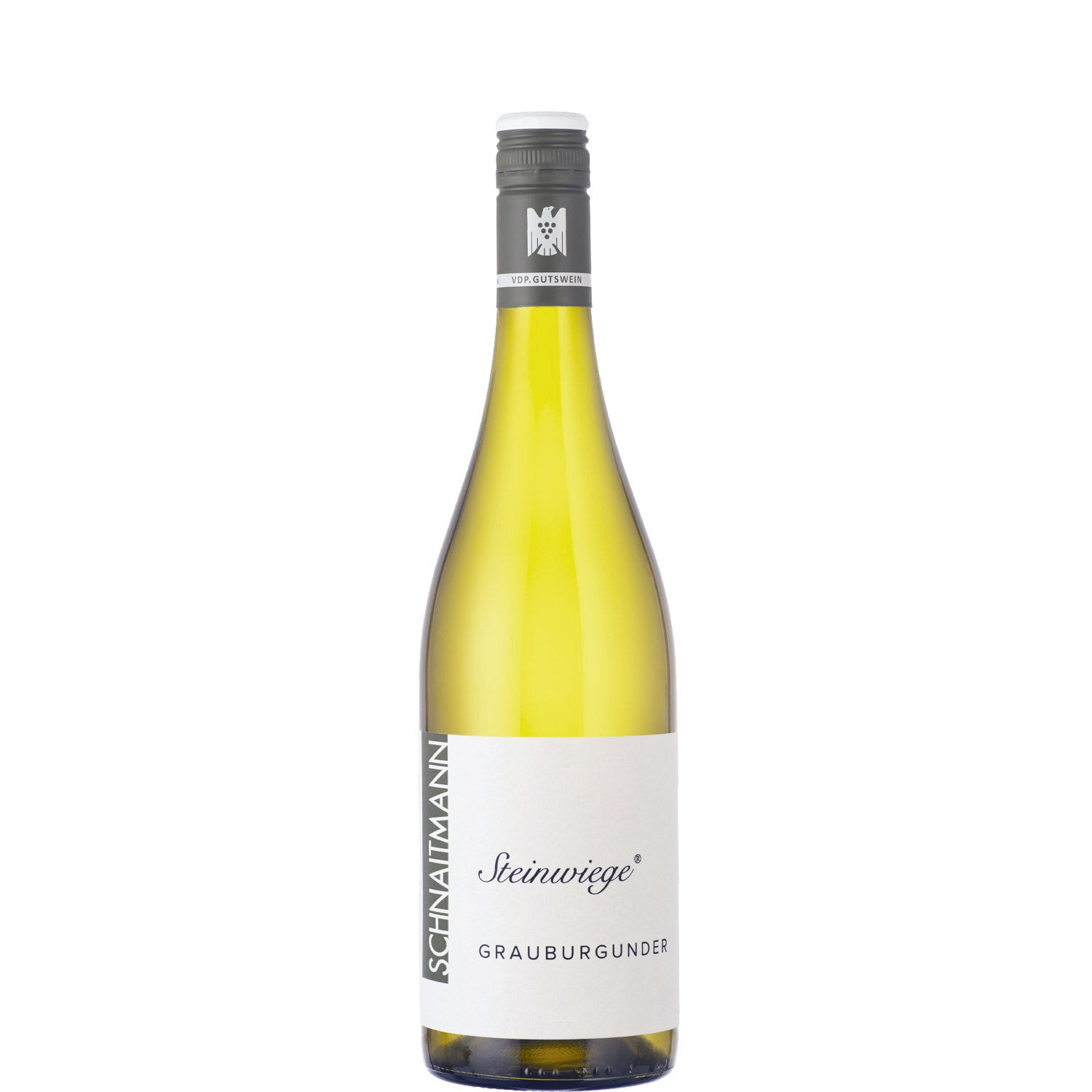
Weingut Schnaitmann, Steinwiege Grauburgunder Trocken, 2019
Weingut Schnaitmann, Steinwiege Grauburgunder Trocken, 2019
- 75cl
- 11.5%
- White Still
- Grauburgunder
- Organic
- Biodynamic
- Vegetarian
- Vegan
Couldn't load pickup availability

Optimal drinking window: Now - 2035
About Weingut Schnaitmann, Steinwiege Grauburgunder Trocken, 2019
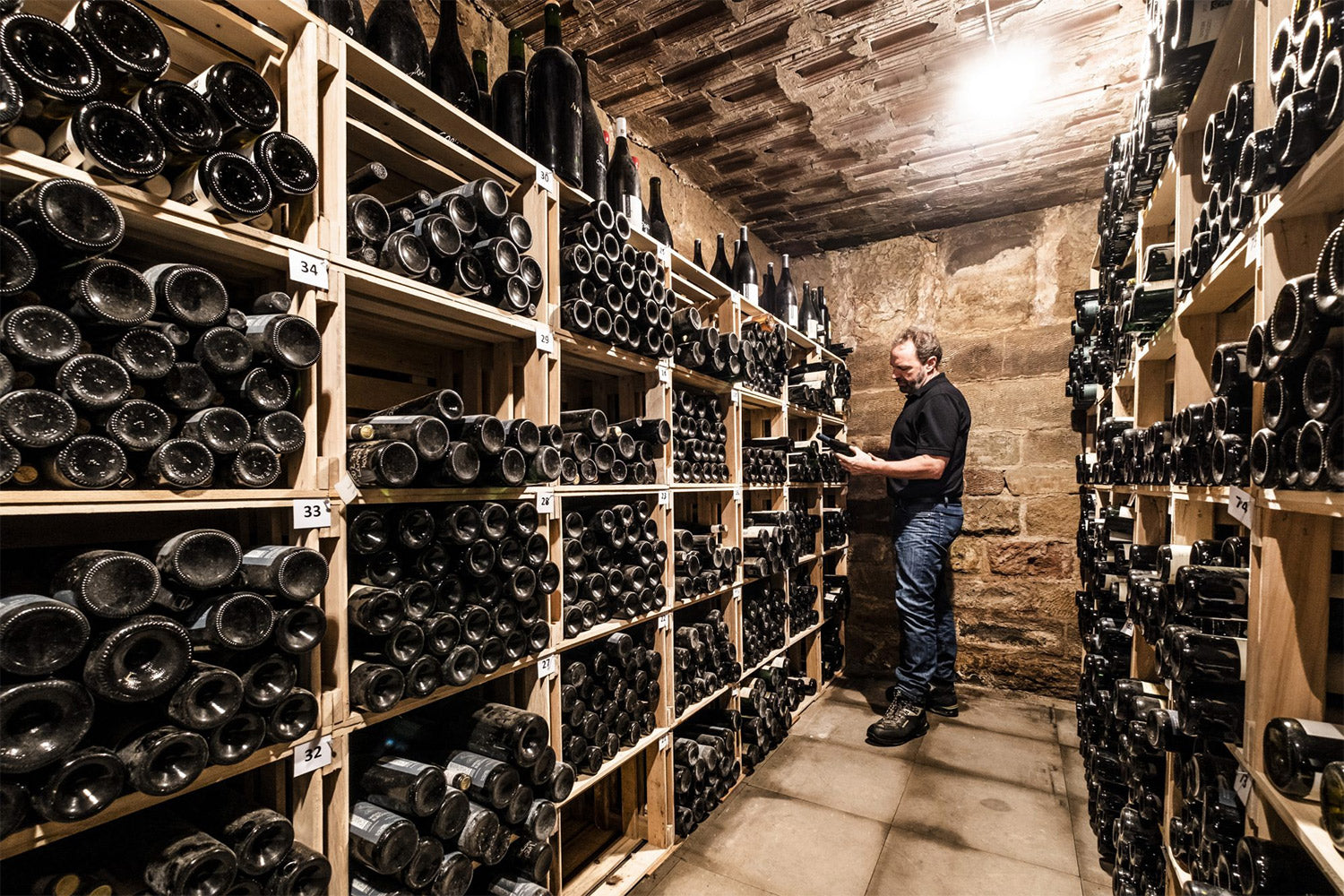
The Rems Valley near Stuttgart is an inspiring landscape and home to the vines of Schnaitmann – the highest rated organic winery in the country of Baden-Württemberg.
This Pinot Gris shines with golden yellow colour in the glass. It has a subtle fragrance of fresh fruits: yellow apples and pears, young peach, lemon, and grapefruit, accompanied by notes of almonds, anis, hay flower and sautéed fennel. The elegant, perfectly integrated acidity and moderate alcohol, in conjunction with the fine creaminess result in a balanced, complex taste with plenty of freshness. The slightly nutty structure sets accents.
Everyday and summer wine, pair perfectly with asparagus, stewed tuber vegetables, Risotto, mushrooms, dishes of light freshwater fish, sautéed veal or pork meat, poultry, Swabian Maultasche.
This 2019 is drinking at its peak now, showing the perfect integration of fruit, acidity, and that distinctive nutty character that defines the wine. After 2030, expect the primary fruit flavours to soften slightly whilst the mineral and herbal elements become more prominent. The wine's creamy texture will remain, but the bright citrus edge will gradually mellow into something more rounded.
Tasting Notes
AppearanceBright golden yellow with brilliant clarity.
NoseFresh orchard fruits lead with yellow apple and Conference pear, followed by white peach and citrus zest. Subtle almond and fennel add complexity, while a hint of hay flower brings countryside charm. There's an underlying mineral thread that speaks to the limestone soils.
PalateMedium-bodied with fine texture that carries both fruit and mineral elements gracefully. The acidity provides perfect balance to the wine's natural richness, while gentle nutty undertones add depth. Fresh grapefruit acidity keeps everything lively, leading to more complex fennel and almond flavours on the mid-palate.
FinishClean and persistent with lingering citrus and a subtle nutty echo.
Overall impressionA Pinot Gris that perfectly balances German precision with generous fruit character.
Food Pairings
In Württemberg, this Grauburgunder would naturally accompany the region's famous Maultaschen, those plump pasta parcels filled with meat, spinach, and herbs that locals call 'Swabian ravioli'. The wine's creamy texture and bright acidity make it perfect with the region's abundant asparagus dishes, particularly the white asparagus served with hollandaise that appears on every menu come spring. Local cooks would also pair it with freshwater fish from the Neckar River, simply prepared to let both wine and fish shine, or with the excellent pork and veal dishes that are staples of Swabian cuisine.
We think this wine would go well with
Serve well-chilled at 8-10°C to preserve the wine's fresh fruit character and crisp acidity. No need to decant, though opening 15-20 minutes before serving will allow the aromatics to fully express themselves. Use a medium-sized white wine glass with a slightly tapered rim to concentrate the delicate floral and nutty aromas. This style drinks best young and fresh, so don't overthink the service.
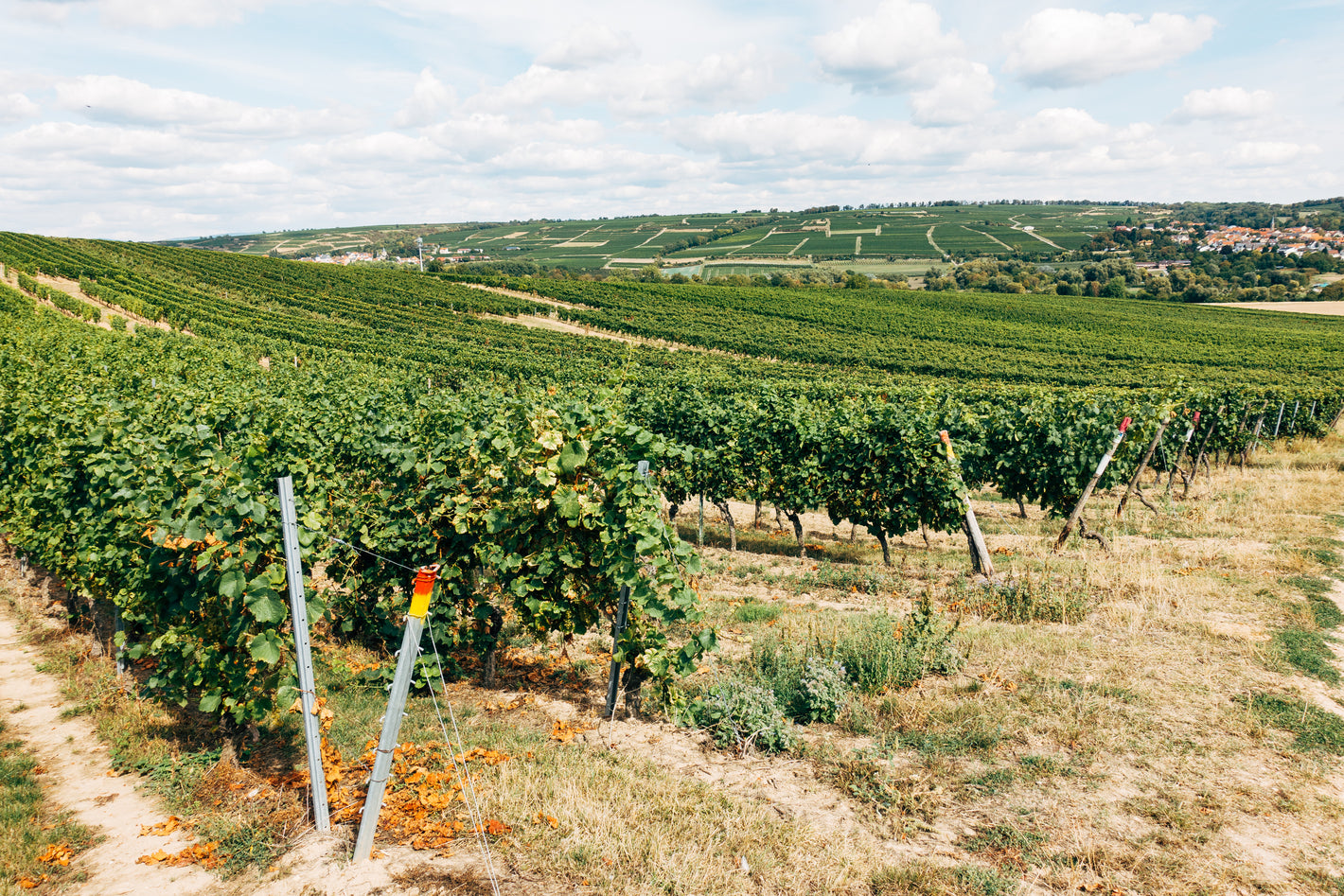
The Steinwiege vineyard sits in Württemberg's Rems Valley, where steep south-facing slopes catch maximum sunshine whilst benefiting from the cooling influence of the valley's elevation. The soils are predominantly limestone and marl, providing excellent drainage whilst retaining enough moisture for the vines during dry spells. This combination of warm exposure and mineral-rich soils gives the Grauburgunder its characteristic richness balanced by bright acidity and that distinctive nutty backbone.
Württemberg is Germany's fourth-largest wine region, centred around Stuttgart and the Neckar River valley. Unlike the Riesling-dominated regions to the north, Württemberg specialises in both reds and whites, with Pinot Gris thriving on the region's steep, sun-blessed slopes. The region's continental climate and limestone-rich soils produce wines with more body and richness than their northern counterparts, whilst maintaining the crisp acidity that defines German winemaking. Much of the production is consumed locally, making Württemberg wines something of a insider's secret.
The 2019 growing season in Württemberg delivered exactly what German winemakers dream about: a warm, dry summer that let the region's signature reds truly ripen. After a fairly typical spring, the heat arrived in June and stayed put, giving Trollinger and Lemberger the extended hang time they crave but rarely receive this far north. The drought was serious enough to stress older vines, but young plantings with modern trellising systems thrived, and crucially, cool nights in September preserved the acidity that keeps Württemberg's reds from turning flabby.
What emerged was perhaps the most successful red vintage we've seen from the region in recent memory. The Lemberger shows real depth and spice rather than the green tannins that can plague cooler years, while Trollinger achieved proper ripeness without losing its refreshing character. Even the whites benefited: Riesling from the better sites has genuine concentration alongside typical German precision. These wines are drinking beautifully now, with the reds showing particular charm in their youth, though the best Lemberger will reward cellaring until the late 2020s.
FAQs
What does this Grauburgunder taste like?
Golden and creamy with yellow apple, pear, and subtle almond flavours, balanced by bright acidity and a distinctive nutty finish.
When should I drink this wine?
It's drinking beautifully now and will remain at its best until 2029, though we'd recommend enjoying it sooner to capture its fresh vibrancy.
What food pairs well with this wine?
Excellent with asparagus, risotto, light fish dishes, and pork or veal. It's particularly good with German specialities like Maultaschen or creamy mushroom dishes.
How should I serve this wine?
Serve well-chilled at 8-10°C in medium white wine glasses. No need to decant, though opening 15-20 minutes early helps the aromatics develop.
Is this wine worth cellaring?
This style is best enjoyed young and fresh rather than aged. Drink it over the next three years to enjoy its vibrant fruit and crisp acidity at their peak.
What makes Württemberg wines special?
Württemberg combines German precision with more body and richness than northern regions, thanks to steep limestone slopes and a warmer climate around Stuttgart.
Explore related wines


What are you looking for tonight? Tell me the occasion, a grape, a region — or just try a suggestion below.
Your recommendations will appear here.
-
-
Speak to one of our Wine Gurus
Speak to a Wine GuruWith years of experience, our team can help you with all your wine buying and selling needs