

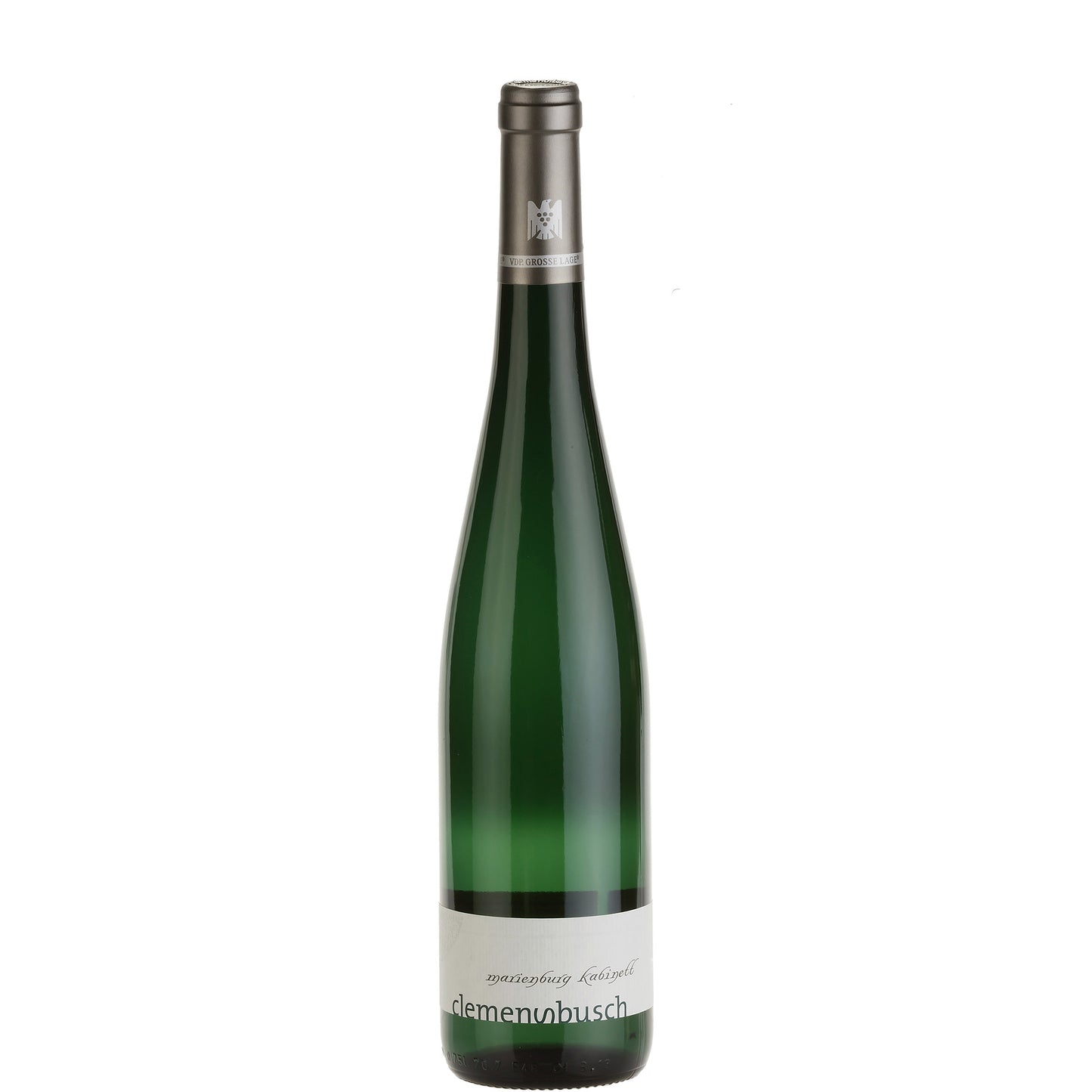
Weingut Clemens Busch, Riesling Kabinett, 2011
Weingut Clemens Busch, Riesling Kabinett, 2011
- 75cl
- 8.5%
- Dessert
- Riesling
- Organic
- Biodynamic
- Vegetarian
- Vegan
Couldn't load pickup availability

Optimal drinking window: Now - 2035
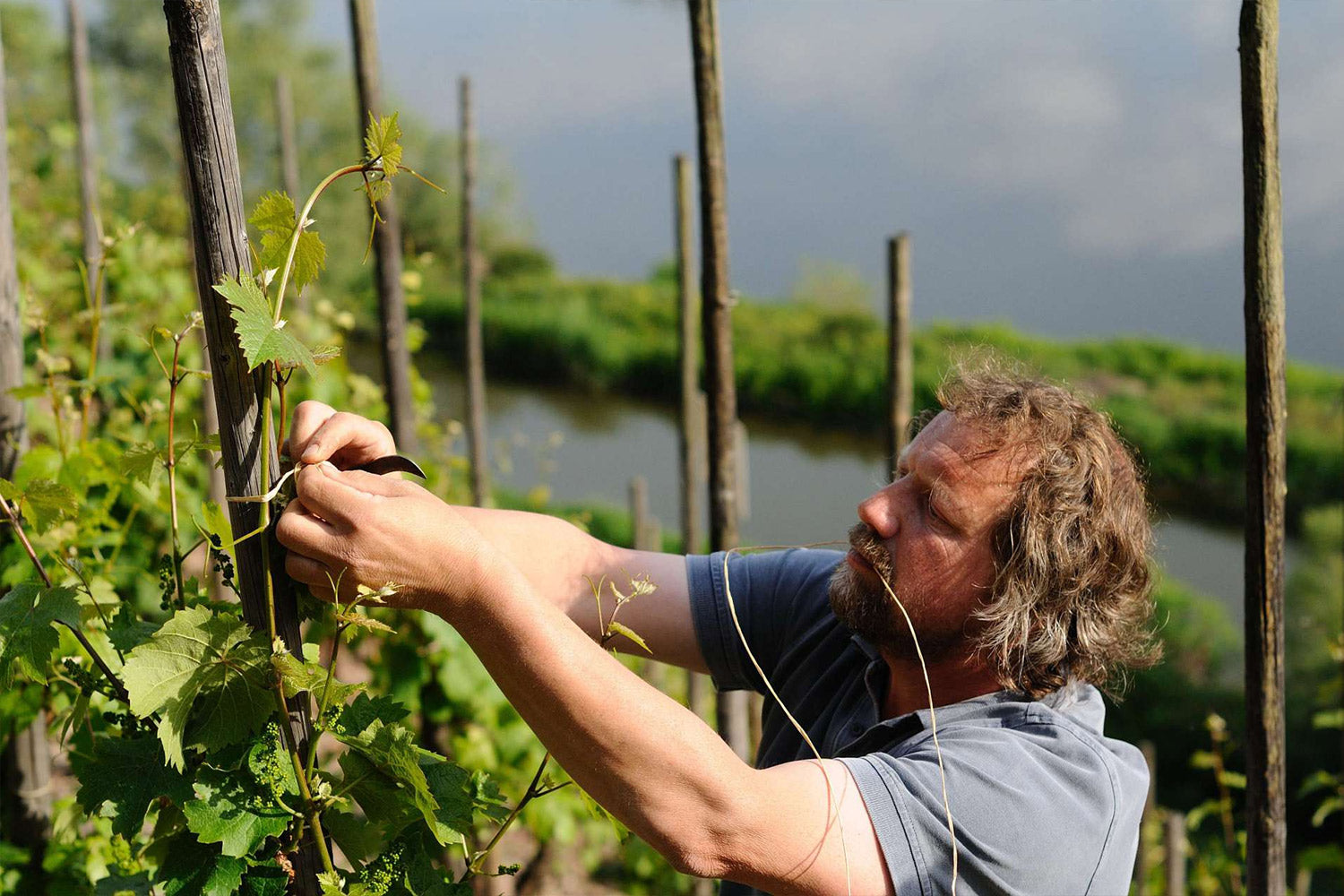
Clemens Busch crafts Riesling from the Mosel's steepest vineyards with a precision that makes other producers weep. This 2011 Kabinett comes from terraced sites so precipitous you'd need mountaineering gear to harvest them, and it shows in every sip.
Fifteen years have turned what was once zippy youth into something altogether more serious. The fruit has retreated, leaving behind pure mineral expression and that famous Mosel tension that makes your mouth water before you've even swallowed. Drink until 2040 with anything that needs a sharp, clean counterpoint.
This wine has already shed its primary fruit phase and entered its mineral-driven maturity, where it will remain for at least another decade. The acidity will continue to integrate whilst the slate-driven minerality becomes even more pronounced. Peak drinking is probably now through 2035, after which it will remain excellent but may start showing more tertiary petrol-like development typical of aged Riesling.
What the critics say:
"At 8.5% alcohol, a full point higher than last year’s installment, Busch’s 2011 Pundericher Riesling Kabinett – incorporating early-October pickings off of the Grosses Gewachs sites – still comes off as notably sweet, evoking fresh apple and limeade. It also displays invigorating and mouthwatering acidity such as one can hardly take for granted in this vintage, and that helps set up a delightful dynamic with stone and nut oils. Silken in texture and infectiously juicy, this should prove irresistible for solo enjoyment over the next half dozen years, and, as its sense of sweetness backs-off, probably has a longer and more useful life ahead of it at table."
Tasting Notes
AppearancePale gold with green highlights and brilliant clarity.
NoseWet slate dominates, followed by lime zest and white flowers. There's a flinty, almost gunpowder-like minerality that speaks of serious terroir. Time has stripped away the primary fruit, leaving behind pure geological expression.
PalateBone dry with razor-sharp acidity that cuts through everything in its path. The texture is almost weightless yet incredibly intense, with citrus pith and crushed stone defining the mid-palate. This is precision winemaking at its most unforgiving.
FinishEndless mineral persistence with a saline edge that lingers for minutes.
Overall impressionA masterclass in how great Kabinett ages into something profound and uncompromising.
Food Pairings
Along the Mosel, locals would pair this with freshly caught river trout simply grilled with herbs, or the region's famous Sauerbraten with its sweet-sour gravy that needs the wine's acidity to cut through the richness. Himmel un Ääd, the local mash of potatoes and apples topped with black pudding, creates a brilliant contrast with the wine's mineral precision. During asparagus season, white spears with hollandaise find their perfect match in Kabinett's clean lines.
We think this wine would go well with
Serve well-chilled at 8-10°C in proper Riesling glasses to concentrate the aromatics. No need to decant, but do let it warm slightly in the glass to reveal its full mineral complexity. The traditional tall, thin Mosel glasses aren't just for show - they help focus the wine's delicate but intense aromatics perfectly.
The vineyards cling to blue Devon slate slopes so steep that erosion is a constant battle, with inclinations reaching 70 degrees in places. This ancient slate reflects heat back to the vines whilst providing perfect drainage, forcing roots deep into fractured rock. The Mosel's cool climate and long growing season preserve acidity whilst the slate imparts that distinctive mineral spine that defines great Mosel Riesling.
Mosel Kabinett represents German Riesling at its most ethereal, with strict ripeness limits ensuring wines of delicacy and precision. The classification demands grapes picked at natural sugar levels that preserve the variety's inherent acidity and mineral expression. Unlike the sweeter Kabinetts of previous generations, modern producers like Busch often ferment to complete dryness, creating wines of startling purity and aging potential.
The 2011 vintage in Mosel arrived after a challenging growing season that tested even the most experienced growers. A warm, dry spring gave way to a cooler, wetter summer that slowed ripening and required careful canopy management to prevent disease pressure. When harvest finally began in October, those producers who had managed their vineyards meticulously were rewarded with healthy fruit, whilst others struggled with less than ideal conditions.
What emerged from the cellars was a vintage of surprising charm, though one that demanded patience from both winemaker and drinker. The Rieslings show that distinctive Mosel minerality with crystalline precision, but the cooler conditions produced wines with moderate alcohol levels and vivacious acidity that gives them real backbone. We find these wines drinking beautifully now, having developed lovely honeyed depth whilst retaining their youthful energy, and the best examples should cellar happily until 2030. This isn't a vintage that shouts from the rooftops, but rather one that whispers secrets to those who listen carefully.
FAQs
What does this wine taste like?
Intensely mineral and bone-dry, with lime zest and wet stone precision. The fruit has retreated after 15 years, leaving behind pure terroir expression.
When should I drink this wine?
Perfect now through 2040. It's already showing beautiful maturity but has plenty of life ahead thanks to that famous Mosel acidity.
What food pairs well with this Riesling?
Anything that needs a sharp, clean counterpoint - grilled fish, asparagus with hollandaise, or rich pork dishes. The acidity cuts through fat whilst the minerality complements delicate flavours.
How should I serve this wine?
Well-chilled at 8-10°C in proper Riesling glasses. Let it warm slightly in the glass to reveal the full mineral complexity.
Is this wine worth cellaring further?
Absolutely. Great Mosel Kabinett can age for decades, and this has at least another 15 years of excellent drinking ahead of it.
Why is this wine so dry when Kabinett is often sweet?
Modern German producers like Busch often ferment Kabinett to complete dryness to showcase pure terroir. The classification refers to ripeness at harvest, not sweetness in the bottle.


What are you looking for tonight? Tell me the occasion, a grape, a region — or just try a suggestion below.
Your recommendations will appear here.
-
-
Speak to one of our Wine Gurus
Speak to a Wine GuruWith years of experience, our team can help you with all your wine buying and selling needs