

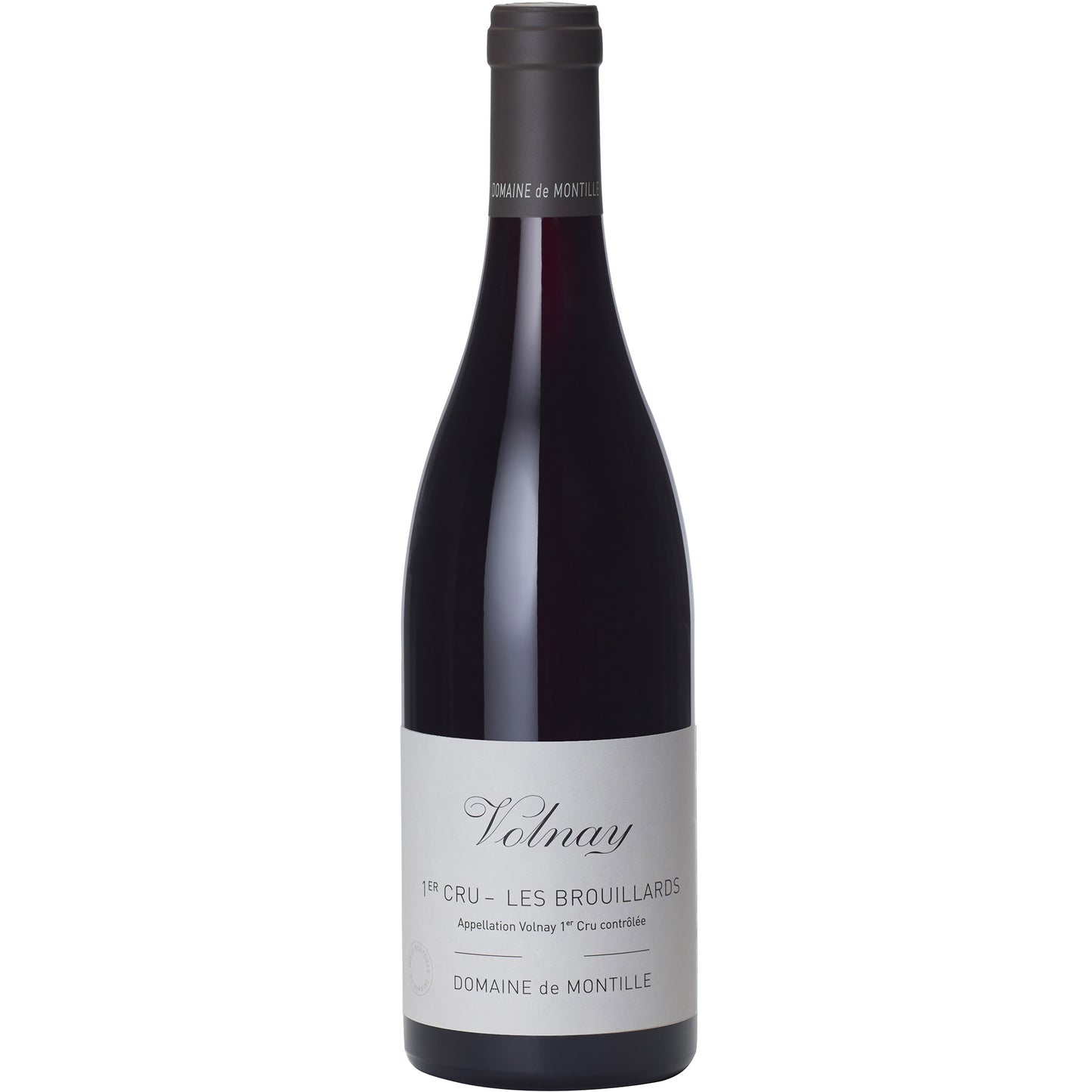
Volnay Premier Cru 'Les Brouillards', Domaine de Montille, 2020 - Magnum
Volnay Premier Cru 'Les Brouillards', Domaine de Montille, 2020 - Magnum
- 150cl
- 13%
- Red Still
- Pinot Noir
- Organic
- Biodynamic
- Kosher
Couldn't load pickup availability

Optimal drinking window: Now - 2043
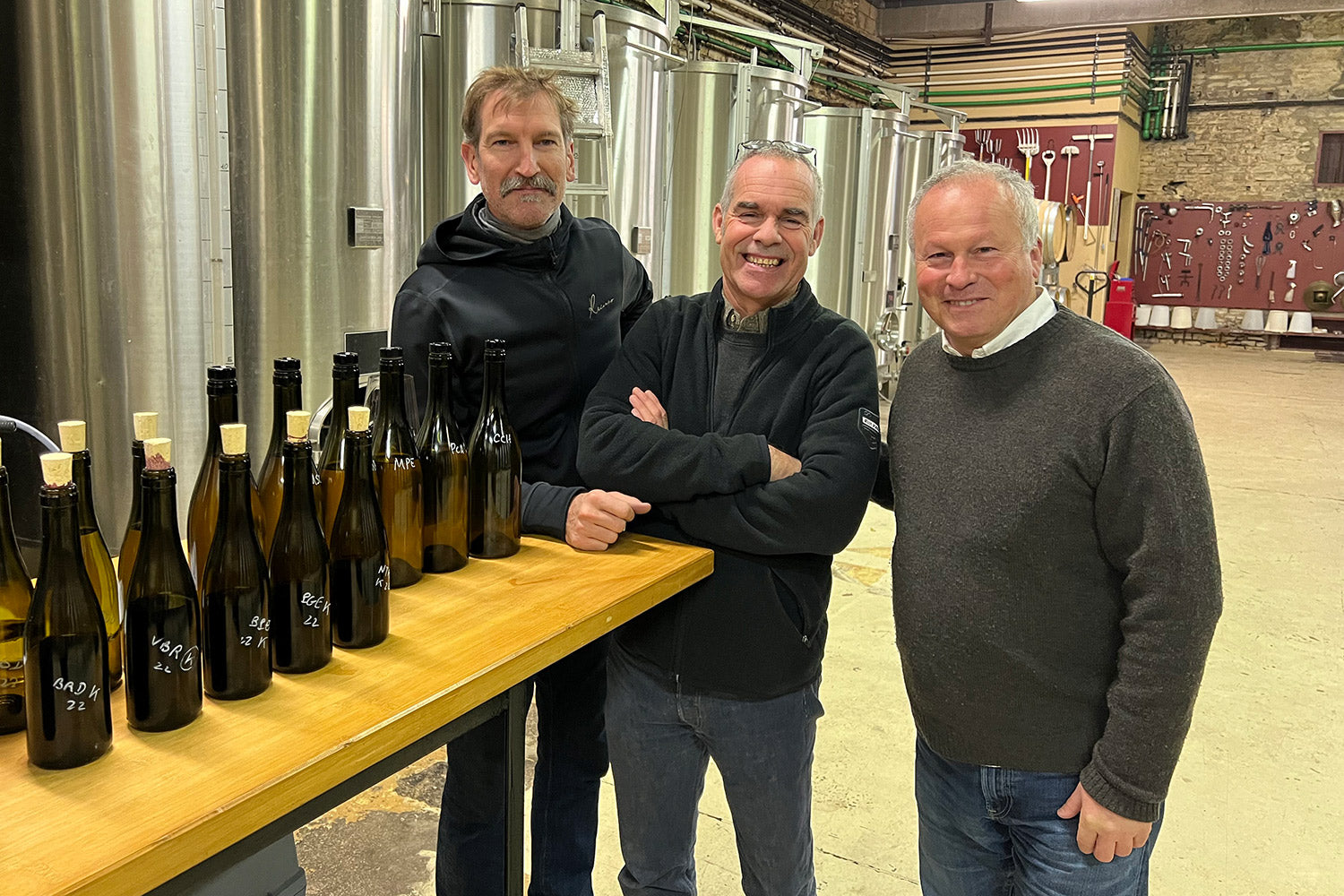
Domaine de Montille wanted their first kosher wines to set a new benchmark so chose prestigious, discrete-sized premier cru sites that are picked at around the same time and usually early which is a bonus in a forward vintage like 2020. The cuvees have not needed acidification or chaptalisation either and both reds are 100% whole cluster so minimal intervention is required to ensure quality. To ensure the barrels are kosher, they are filled up three times with water, left for 24-hrs each time and emptied, then refilled with fresh water and rinsed. The barrels are then inspected and approved. This process necessarily begins four days prior to harvest.
The domaine's wines are known for their great aromatic purity. They always favour balance and elegance over power and extraction. The wines are classic expressions of Burgundy, of their appellations in general and of their specific terroirs in particular. The farming methods they use contribute to this individual style, and their winemaking methods aim to avoid excessive outside influences in order to bring out the equilibrium that can be found naturally in Burgundian terroir.
The Domaine has practiced organic viticulture since 1995. Today, their wines are certified by Ecocert. Additionally, since 2005, biodynamic practices have been implemented.
Volnay is the stronghold of the family estate. This modestly-sized appellation of 207 hectares, entirely devoted to Pinot Noir, is nestled on the middle of the slopes and composed of a terroir dominated by clay, marl and limestone that long ago conquered the hearts of the dukes of Burgundy, who were proprietors of a portion of the vineyard.
"100% whole bunch, 50% new oak, picked 20th Aug, gentle extraction, cool fermentation. From 35-year old vines planted in sandy soil on top of limestone. Brouillards is a nice dry vineyard, so rot free. The polished nose shows sweet red plums and raspberries, and a little smoke and cedar. The palate is generous and svelte with plush but crunchy tannins, lots of plums and tight red cherries, a slight earthy note, very charming indeed"
Tom Harrow, Honest Grapes Wine Director
Right now, the 2020 vintage character means the fruit is very much in the foreground — sweet, ripe, immediately appealing — and the magnum format slows everything down in a very welcome way. Between 2027 and 2030 the primary fruit will start knitting together with the whole-cluster spice and the oak, producing something more complex and savoury. The real sweet spot is probably 2029 to 2038, when the tannins will have fully resolved and the earthy, mineral secondary notes will have come into their own. Beyond 2040 it may start to dry out, though the magnum and the limestone backbone give reason for quiet optimism. Patience here is genuinely rewarded.
Tasting Notes
AppearanceClear, luminous ruby with a pale garnet rim — light on its feet even in the glass.
NoseSweet red plum and raspberry lead, polished and precise, with a drift of cedar and a faint curl of smoke from the whole-cluster inclusion. There is a floral lift — dried rose petals — that is distinctly Volnay, and it opens gradually rather than rushing at you.
PalateGenerous and svelte in texture, with plush tannins that have real grip underneath without ever turning aggressive. Plum and tight red cherry dominate the mid-palate, and there is a pleasing earthy quality — dry soil and stone — that grounds the fruit without weighing it down. The magnum format adds an extra layer of composure.
FinishLong and quietly mineral, with a crunchy acidity that keeps everything honest and leaves you reaching for another sip.
Overall impressionA wine of real charm and latent depth — the magnum is the right format for the long game.
Food Pairings
In Burgundy, a wine like this would almost certainly appear alongside a classic coq au vin — slow-braised chicken in red wine with lardons and button mushrooms, the sauce reduced to something glossy and deeply savoury. Equally at home with a simple roast duck breast, its skin crisped and served with a cherry reduction that mirrors the wine's own fruit. The locals would also put this with a good époisses or a slice of aged Comté, the latter's nutty, crystalline quality a fine match for the wine's dry, stony mineral streak. On a more modest evening, roast pigeon with lentils and thyme would be entirely correct.
We think this wine would go well with
Serve at around 16°C — cool enough to keep the aromatics bright, warm enough to let the texture open up. This magnum is worth a 30-minute decant in 2026; in a few years you will want to give it a full hour. A large-bowled Burgundy glass is the right call, giving the floral aromatics the space to lift and the palate structure the air it needs to show its best.
Les Brouillards sits on the upper-middle slope of Volnay, where sandy soils over limestone give the vines excellent drainage and a naturally dry growing environment — hence the name, which references morning mists rather than any dampness underfoot. That free-draining sandy layer over bedrock limestone is what gives Brouillards its particular character: finer and more aromatic than the clay-heavier sites lower on the hill, with a lightness of touch that rewards whole-cluster winemaking. The 35-year-old vines here have roots reaching down into the rock, pulling up a quiet stony mineral quality that you feel on the finish rather than taste overtly. It is a warmer, south-facing aspect that ripens reliably, which proved a genuine asset in 2020 when picking early was the right call.
Volnay is one of Burgundy's most elegant appellations, a compact 207 hectares entirely given over to Pinot Noir, sitting on the middle slopes of the Côte de Beaune between Pommard to the north and Meursault to the south. Where Pommard leans into weight and tannin, Volnay has always been the village of finesse — historically the preferred red of the Dukes of Burgundy, and still the benchmark for silky, aromatic Côte de Beaune Pinot. Its premiers crus account for well over half the appellation, which tells you something about the ambition of the place. The soils are predominantly limestone and marl with varying clay content depending on altitude, and the best sites combine drainage with just enough moisture retention to keep wines fresh rather than lean.
We'll be honest: 2020 in Burgundy was a vintage that kept everyone on their toes. A warm, dry spring brought early budbreak, then summer turned properly scorching with temperatures hitting 40°C in August. The saving grace came from perfectly timed August rains that rescued the vines from serious drought stress, followed by ideal September weather that allowed for unhurried picking. Yields were mercifully normal after several years of frost-ravaged harvests, and crucially, the heat never tipped into the jammy territory that can plague warmer vintages here.
What emerged were wines with surprising freshness despite the heat, showing ripe fruit balanced by good acidity and lovely mineral precision. The reds have more immediate charm than the structured 2019s, with silky tannins and generous Pinot Noir character, whilst the whites display beautiful richness without losing that crystalline Burgundian tension we adore. This isn't a legendary vintage like 2005 or 2010, but it's thoroughly delicious and more approachable in youth than many Burgundy vintages. The village wines are drinking beautifully now, Premier Crus are just hitting their stride, and the Grands Crus will reward patience for another five to ten years.
FAQs
What does this wine taste like?
Sweet red plum and raspberry on the nose, with cedar and a floral lift. The palate is generous and svelte with plush, crunchy tannins, tight red cherry, and a dry, stony earthiness that keeps it grounded. The finish is long and mineral. Charming now, but built for more.
When should I drink this wine?
It is already approachable in 2026, particularly with food. But the magnum format and the structure of the 2020 vintage mean it will reward patience until at least 2035 and comfortably until 2040. The sweet spot is probably 2029 to 2038.
What food should I serve with it?
Classic Burgundian fare is the natural answer: coq au vin, roast duck, pigeon with lentils, or aged Comté. Anything with earthy, savoury depth and a touch of richness will work well with the wine's texture and mineral finish.
How should I serve it?
Around 16°C. Decant for at least 30 minutes now; give it a full hour in a few years' time. Use a large-bowled Burgundy glass to let the aromatics open properly.
Is it worth cellaring?
Absolutely, and the magnum format makes it even more so. Magnums age more slowly and gracefully than standard bottles, and this wine has the structure and balance to develop genuine complexity over the next 10 to 15 years.
What makes this wine kosher and does that affect quality?
These are among Domaine de Montille's first kosher wines, made with the same organic and biodynamic farming and the same 100% whole-cluster approach as their non-kosher cuvees. The barrels go through a thorough water-rinsing process before use, but neither acidification nor chaptalisation was required. The quality here is defined by the vineyard and the winemaking, not by the kosher process.
Explore related wines


What are you looking for tonight? Tell me the occasion, a grape, a region — or just try a suggestion below.
Your recommendations will appear here.
-
-
Speak to one of our Wine Gurus
Speak to a Wine GuruWith years of experience, our team can help you with all your wine buying and selling needs