

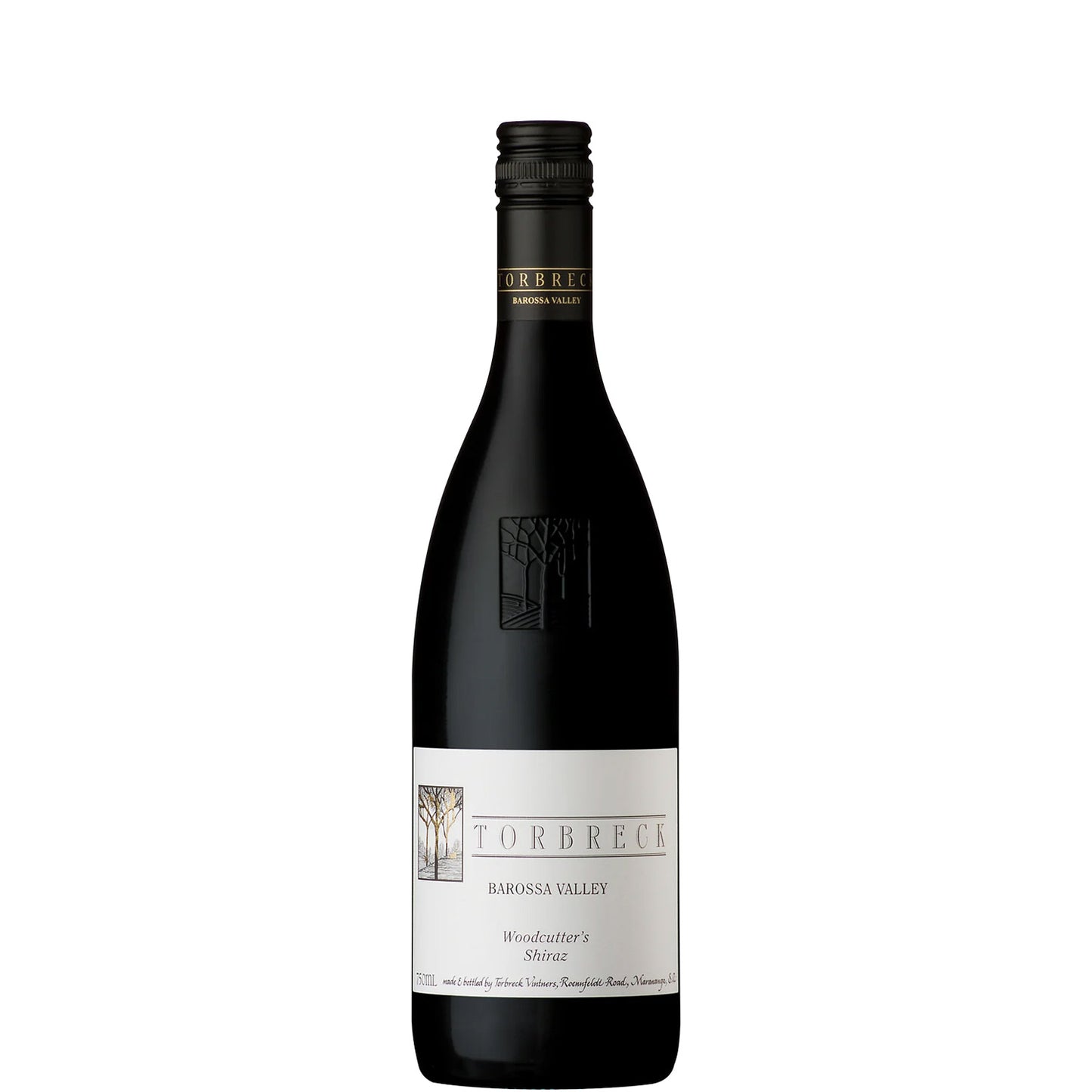
Torbreck Vintners, Woodcutter's Shiraz, 2025
Torbreck Vintners, Woodcutter's Shiraz, 2025
- 75cl
- 15%
- Red Still
- Shiraz
Couldn't load pickup availability

Optimal drinking window: 2026 - 2030
Est. delivery in July, 2027
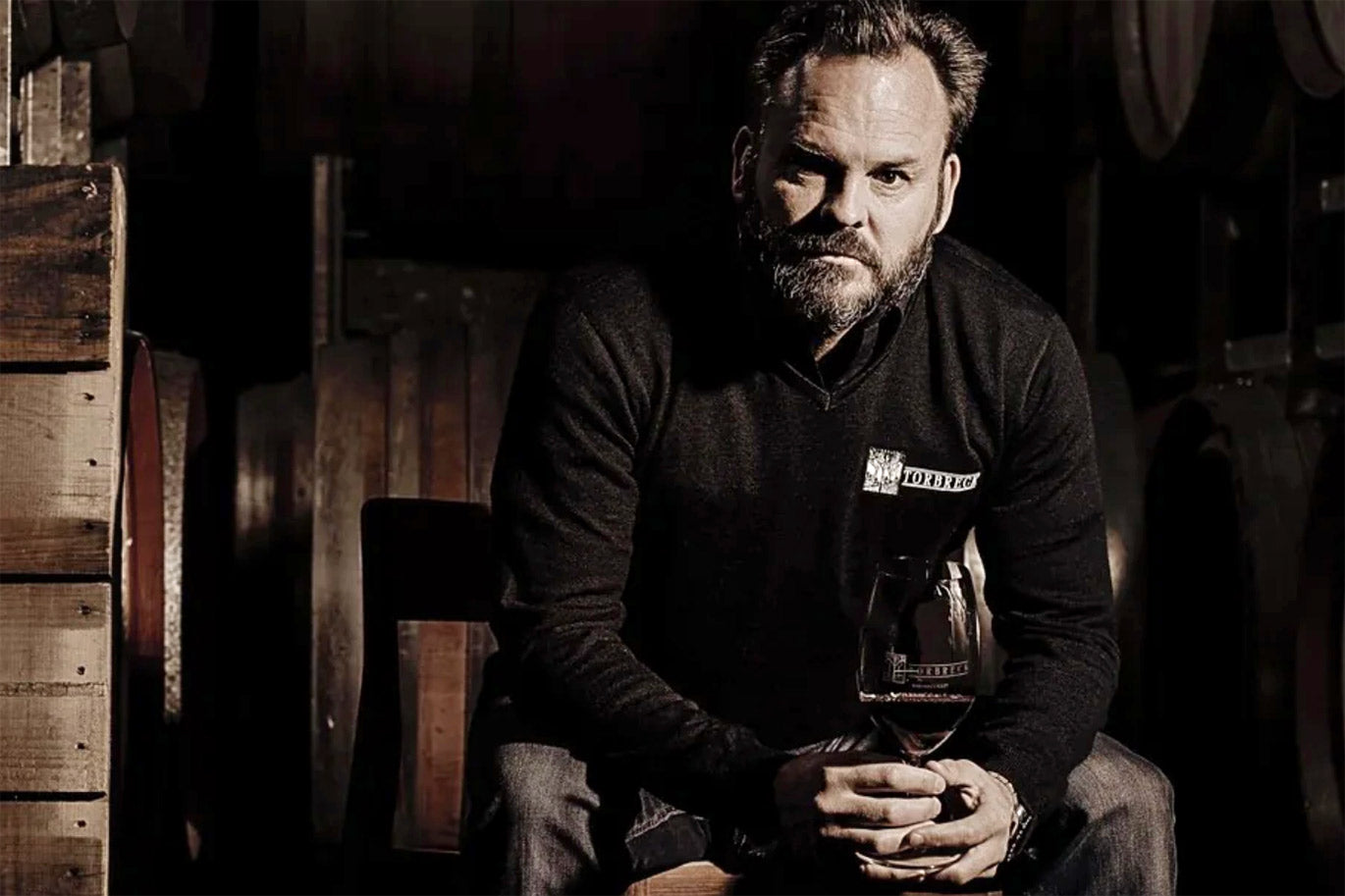
Torbreck's Woodcutter's Shiraz is the Barossa in a glass — unapologetically full-throttle, ripe, and warmly spiced. David Powell founded Torbreck in 1994 and named it after the Scottish forest where he once worked as a lumberjack, and there's something appropriately no-nonsense about this wine.
Sourced from old bush vines across the Barossa Valley, it delivers the kind of dense, sun-drenched Shiraz that put this region on the world map: dark fruit, pepper, vanilla oak, and a richness that coats every corner of the palate.
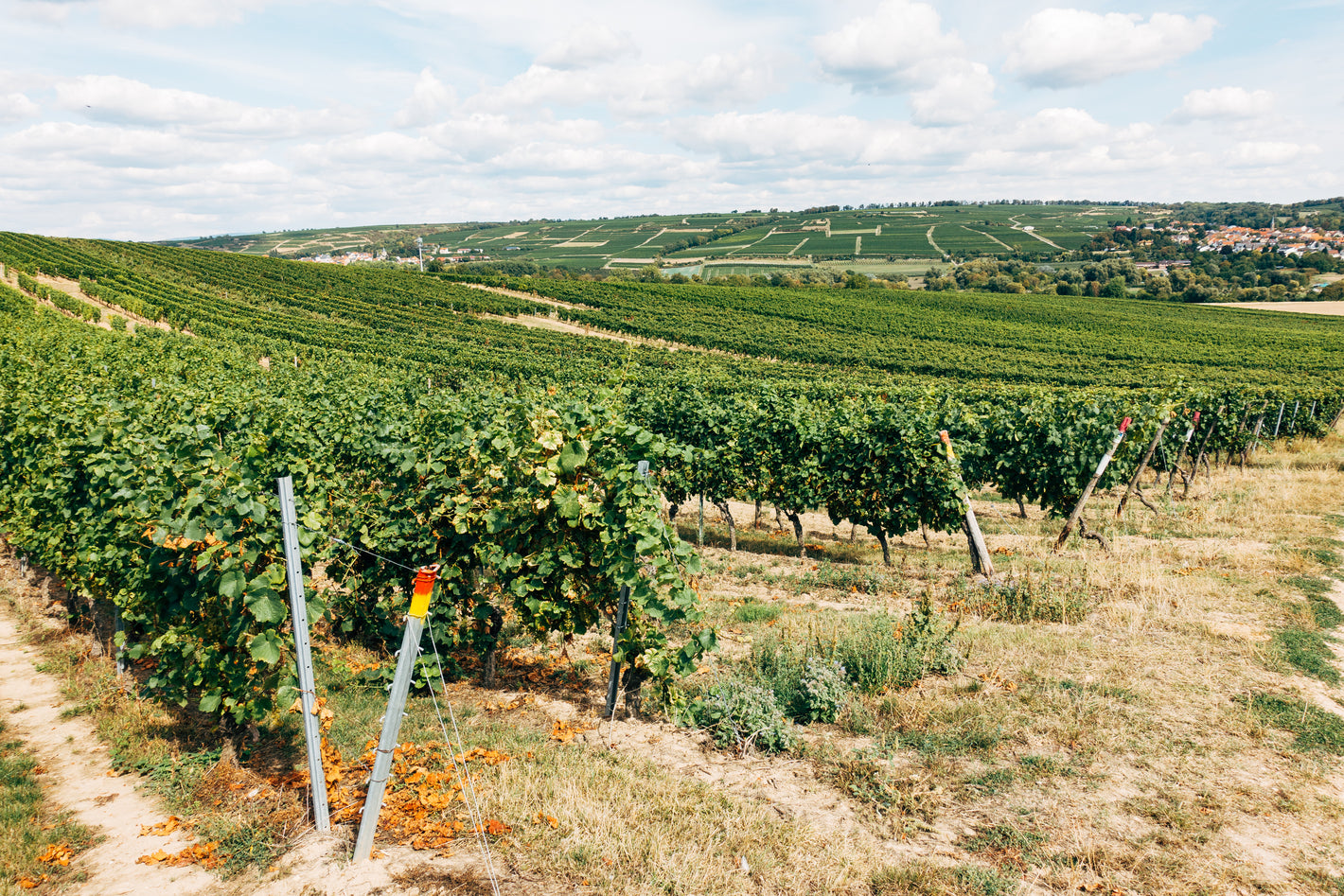
Woodcutter's Shiraz draws on vineyards across the Barossa Valley floor, where deep sandy loams over clay and ironstone retain just enough moisture to sustain old vines through the dry, continental summers. The Barossa sits at relatively low altitude — around 250 to 300 metres — which contributes to the warmth and concentration that define this style. Diurnal temperature swings help preserve aromatics and keep acidity honest despite the ripeness.
The Barossa Valley is one of Australia's most celebrated wine regions, producing Shiraz of a distinctive weight and generosity that has few parallels anywhere in the world. Unlike the cooler Eden Valley to its east, the Barossa Valley floor is warm, even baking in summer, which pushes Shiraz to full phenolic ripeness and the characteristic dark fruit, chocolate, and pepper profile. There are no strict yield or winemaking rules in the Australian GI system, but the Barossa's reputation for old vines — many planted in the 19th century — is fiercely protected by producers and the Barossa Old Vine Charter.
It's still early days for 2025 — harvest has only just concluded as we write this, and the full picture is still coming into focus. What we can say is that the Barossa experienced a season marked by warm, dry conditions through the growing period, broadly consistent with the valley's recent run of low-yielding but concentrated vintages. Growers were vigilant about water stress, particularly in the Barossa floor's older Shiraz blocks, but those old vines have a habit of finding reserves that younger plantings simply can't.
From what we're hearing, 2025 looks set to produce wines with the kind of density and structure that suit the Barossa's best material — Shiraz with real depth, Grenache with freshness and definition, Cabernet from the higher Eden Valley sites showing good line and length. These are wines to watch rather than rush. Give the reds at least three to five years before you start seriously pulling corks, and the best Shiraz will be in no hurry until the mid-2030s.
Explore related wines


-
-
Speak to one of our Wine Gurus
Speak to a Wine GuruWith years of experience, our team can help you with all your wine buying and selling needs