

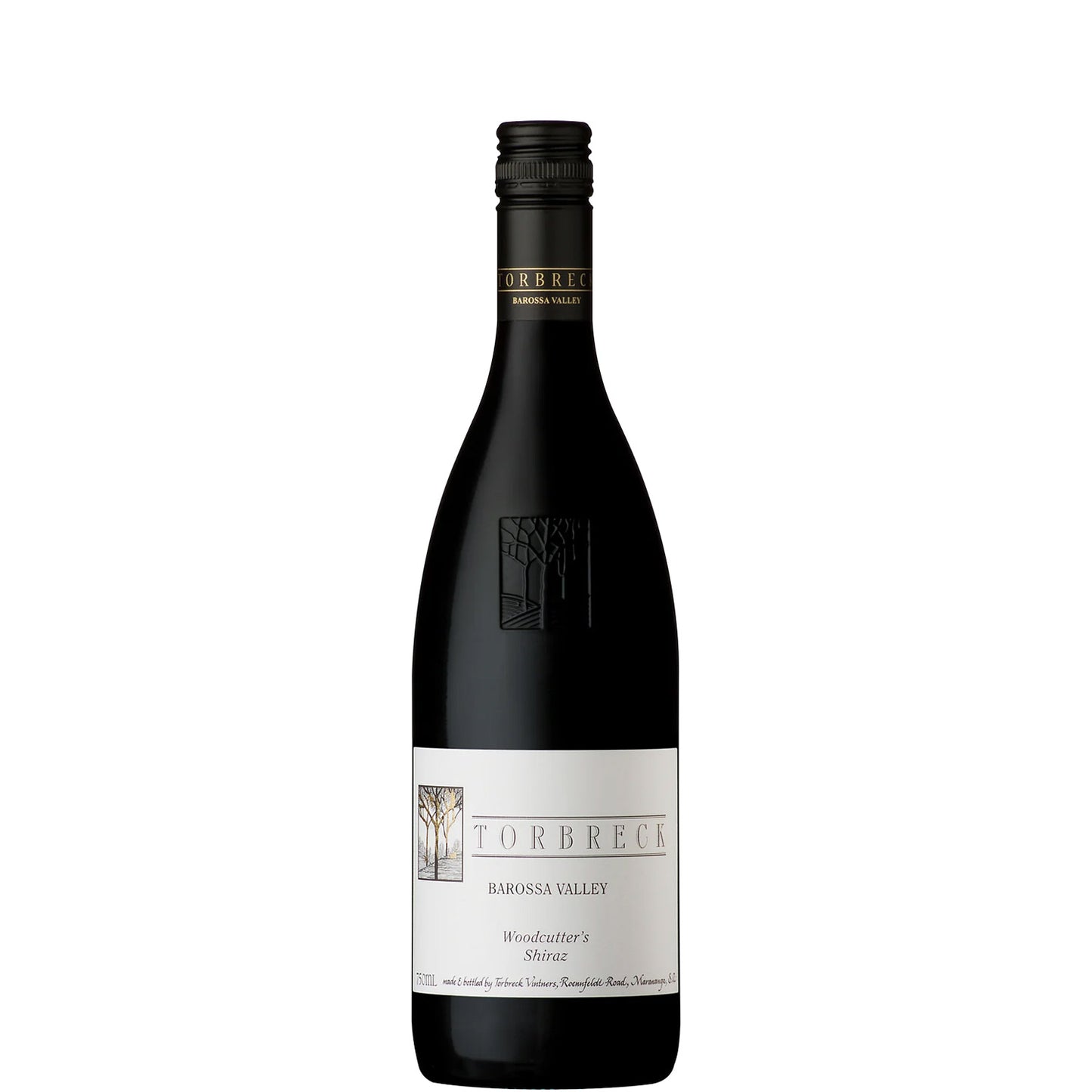
Torbreck Vintners, Woodcutter's Shiraz, 2021
Torbreck Vintners, Woodcutter's Shiraz, 2021
- 75cl
- 15%
- Red Still
- Shiraz
Couldn't load pickup availability

Optimal drinking window: Now - 2032
You’d imagine a high country Scottish woodcutter might like a fortifying red at the days end – something rich, warming, full bodied and affordable. This wine reflects the up and coming Shiraz vineyards of the Barossa, rather than the battle hardened old vines that make up the core of our other cuvées.
But like all Torbreck wines, Woodcutter’s Shiraz receives the very best viticultural and winemaking treatment. Fruit is sourced from hand-harvested and hand-tended, low-yielding vines, then open fermented and gently basket pressed before ageing on fine lees for 12 months in large format seasoned barrels and foudres.
Although this wine is constantly praised for its succulence and richness, there is also a complexity and texture which is rarely found at this price.
Currently in its primary phase with vibrant blackberry fruit dominating, though savoury complexity is already emerging. Over the next 2-3 years, the tannins will soften further while secondary characters of leather and earth develop. The wine should reach its peak around 2029-2031, when fruit and savoury elements achieve perfect integration. Beyond 2034, the fruit may begin to fade, though the wine's structure suggests graceful aging potential.
What the critics say:
"Lovely ripened blackberries and raspberries. Al dente. Full-bodied yet so refined and focused with crisp acidity and ultra-fine, creamy tannins. Succulent and crunchy but focused and structured. Bright and purposeful. Drink after 2024 but already hard to hold back. Screw cap."
"Ever the reliable wine in the Torbreck lineup (challenged only by the beauty of the Steading, but nevertheless), the Woodcutters has tightened up over time. My first introduction to it almost 10 years ago recalls a plush, full-bodied wine that delivered all the Barossa feels and flavors that one could possibly hope for. These days, and today specifically, the 2021 Woodcutter's Shiraz is tight and tense, with black brooding fruit set to a rigging of firm, savory tannins. The oak is subliminal in this wine, leaving only the tannins to shape the fruit. Really handled well. Impressive."
Tasting Notes
AppearanceDeep crimson with a vibrant purple rim suggesting youthful intensity.
NoseRipe blackberries and dark plums emerge first, followed by subtle pepper spice and a whisper of cedar. There's a savoury undertone that speaks to the wine's structural backbone. The oak remains beautifully integrated, never overwhelming the fruit expression.
PalateFull-bodied yet refined, with succulent black fruit balanced by crisp acidity and ultra-fine tannins. The texture is notably creamy yet focused, showing impressive tension for Barossa Shiraz. A savoury mineral thread runs through the mid-palate, adding complexity beyond the wine's price point.
FinishLong and structured with lingering dark fruit and a hint of white pepper spice.
Overall impressionA Barossa Shiraz that prioritises elegance over power, showing remarkable refinement and age-worthiness.
Food Pairings
In the Barossa, this would accompany a Sunday roast of lamb with rosemary and garlic, the wine's savoury tannins complementing the herb-crusted meat perfectly. German-influenced dishes like sauerbraten or kangaroo fillet with native pepper would showcase the wine's spicy, structured character. Locals might also pair it with a hearty beef and mushroom pie, the wine's acidity cutting through rich pastry while its fruit echoes the umami depth of the filling.
We think this wine would go well with
Serve at 16-17°C to showcase both fruit and structure without overwhelming the palate. While approachable now, a 30-minute decant will help integrate the tannins and allow the savoury elements to emerge. Use a large Bordeaux glass to concentrate the aromatics while providing enough bowl space for the wine to breathe.
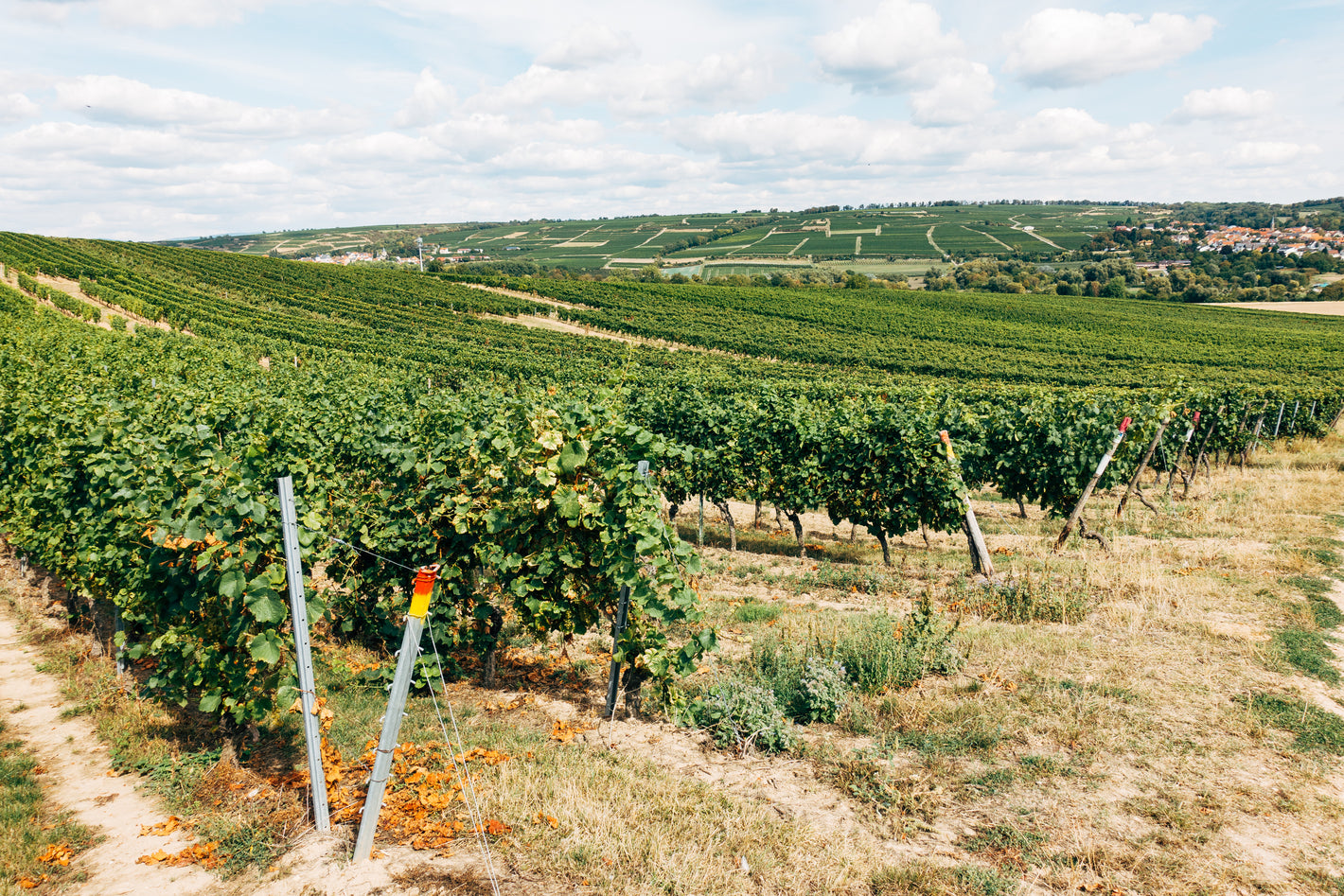
The Woodcutter's Shiraz sources fruit from younger Barossa Valley vineyards, typically planted on red clay and sandy loam soils over limestone. The continental climate brings hot, dry summers moderated by cool nights, allowing for extended hang time and flavour development. These emerging vineyards may lack the concentration of century-old vines but offer bright fruit expression and natural acidity.
The Barossa Valley sits 60km northeast of Adelaide and remains Australia's most famous wine region. Established by German settlers in the 1840s, it's renowned for ancient Shiraz vines, some over 150 years old. The warm, dry climate and varied soils produce powerful, full-bodied reds with distinctive chocolate and spice characters. While traditional Barossa wines emphasise richness and power, modern producers increasingly seek balance and elegance.
The 2021 vintage in Barossa played out as a tale of two halves, starting with a soggy winter and spring that had growers fretting about disease pressure, then pivoting to a remarkably benign harvest period. La Niña delivered the rain early, filling dams and giving vines the deep drink they needed, but by February the weather gods had seemingly sobered up and delivered one of the most stress-free picking seasons in recent memory. Cool nights, warm days, and crucially, no late heat spikes meant fruit could hang longer without the usual panic about sugar accumulation racing ahead of flavour development.
What emerged from the cellars shows a vintage with both power and poise, the extended hang time delivering Shiraz with real depth of flavour rather than just alcoholic grunt, whilst Grenache and old-vine Mourvèdre show a spiciness that feels vibrant rather than brooding. The Cabernets have a lovely freshness that we rarely see in this warm valley, and even the Rieslings from Eden Valley's cooler sites have more tension than usual. Most 2021s are drinking beautifully now, offering immediate pleasure whilst having the structure to cellar until 2035 for the serious stuff.
FAQs
What does this wine taste like?
Ripe blackberries with fine, creamy tannins and bright acidity. It's more structured and elegant than typical Barossa Shiraz, with savoury complexity alongside the fruit.
When should I drink this wine?
Ready to drink now but will improve with cellaring until 2034. The wine shows impressive age-worthiness despite being the entry-level Torbreck bottling.
What food pairs well with this wine?
Roast lamb with herbs, grilled steak, or hearty stews. The wine's structure and spice work beautifully with red meat and robust flavours.
Should I decant this wine?
A 30-minute decant will help soften the tannins and integrate the flavours, though it's approachable straight from the bottle.
How does this compare to other Barossa Shiraz?
More restrained and structured than traditional Barossa styles, showing elegance over power while maintaining the region's characteristic fruit intensity.
Is this wine worth cellaring?
Absolutely. Despite being Torbreck's entry-level wine, it shows genuine aging potential and will develop greater complexity over the next 5-8 years.

Explore related wines


What are you looking for tonight? Tell me the occasion, a grape, a region — or just try a suggestion below.
Your recommendations will appear here.
-
-
Speak to one of our Wine Gurus
Speak to a Wine GuruWith years of experience, our team can help you with all your wine buying and selling needs