

Torbreck Vintners, The Factor, 2016 - 3L
Torbreck Vintners, The Factor, 2016 - 3L
- 300cl
- 15%
- Red Still
- Shiraz
Couldn't load pickup availability

Optimal drinking window: Now - 2045
Torbreck was established in 1994 from the resurrection of old vines vineyards that had fallen into disrepair on selected sites in The Barossa Valley. Twenty five years later Torbreck makes 19 different cuvées to continued acclaim, sourcing fruit from a number of old, some might say ancient, dry-farmed vines in vineyards.
The manager on a highland estate is referred to as The Factor, and Torbreck's The Factor is a tribute to what makes the Barossa truly special - those incredible old Shiraz vines and the dedicated growers who care for them vintage after vintage.
Right now, in 2026, The Factor 2016 in a 3-litre format is still in its relative youth — the tannins are polished but the wine is pulled tight, and the primary dark fruit is only beginning to integrate with the oak and mineral elements. The 3-litre format slows everything down compared to a standard bottle, so expect the first signs of secondary complexity — earthy, meaty, and more savourously mineral characters — to start emerging from around 2028 to 2030. The plateau, where fruit, structure, and secondary development all find equilibrium, is likely to stretch from the early 2030s through to the mid-2040s. Given the ironstone backbone and the density of fruit, this wine has the architecture to age for thirty or more years from vintage, so decline is a very distant concern. Patience here is not a compromise — it is genuinely the point.
What the critics say:
"Dark fruit with iodine, muscle shell and hints of coal on the palate. Full-bodied, very tight and structured with steely tannins that give incredible length and poise. The greatest Factor I have ever tasted. Driven and brilliant. Better after 2021."
"Torbreck's 2016 The Factor incorporates what winemaker Ian Hongell calls their "most structured Shiraz, from a lot of ironstone soils." It spends two years in French oak barriques, half of which were new, so it shows hints of cedar pencil shavings and toasted coconut layered over ripe blackberries and spice. Full-bodied, rich and velvety, it finishes long, with terrific energy and drive. It should prove to be one of the longest-lived wines from this lineup."
Tasting Notes
AppearanceInky, near-opaque purple-black with a deep ruby rim that gives little away.
NoseDark and brooding: blackberry, crushed ironstone, and a mineral edge that recalls a struck flint. Cedar and a faint whiff of toasted coconut from the French oak sit behind the fruit, neither dominating nor hiding. There is intensity here that demands time in the glass.
PalateFull-bodied and firmly structured, with steely tannins that are polished rather than aggressive and a core of ripe dark fruit underpinned by that distinctive ironstone mineral quality. The oak is present but integrated, adding spice and a cedar dimension without softening the wine's essential drive. Everything is pulled tight, with real energy running through to the finish.
FinishExceptionally long, mineral, and persistent — the kind of finish that keeps evolving in the glass long after the wine has left the palate.
Overall impressionThe Barossa at its most serious and age-worthy — this is not a wine for instant gratification but for those prepared to wait.
Food Pairings
In the Barossa, a wine like this would traditionally sit alongside a slow-roasted leg of lamb, the kind cooked for hours with garlic and rosemary until the meat falls from the bone — the richness meeting the wine's structure in the best possible way. Grilled kangaroo fillet with a bush-pepper crust is another natural companion, the leanness of the meat and the bold spice both holding their own against The Factor's intensity. A dry-aged ribeye, properly rested and simply seasoned, would be equally at home. If you're going cheese, go hard and aged — an old cheddar or a Barossa shiraz-soaked variety stands up where younger, creamier styles would be overwhelmed.
We think this wine would go well with
Serve at 17-18°C — any warmer and the alcohol begins to dominate what is a wine built on structure and precision. This needs decanting, and generously so: pour it two to three hours before serving if you're drinking it in the near term. The 3-litre format will evolve more slowly than a standard bottle, so if anything, err on the side of more time in the decanter rather than less. A large-bowled Shiraz or Bordeaux-style glass gives the wine room to open and lets that ironstone mineral quality come forward properly.
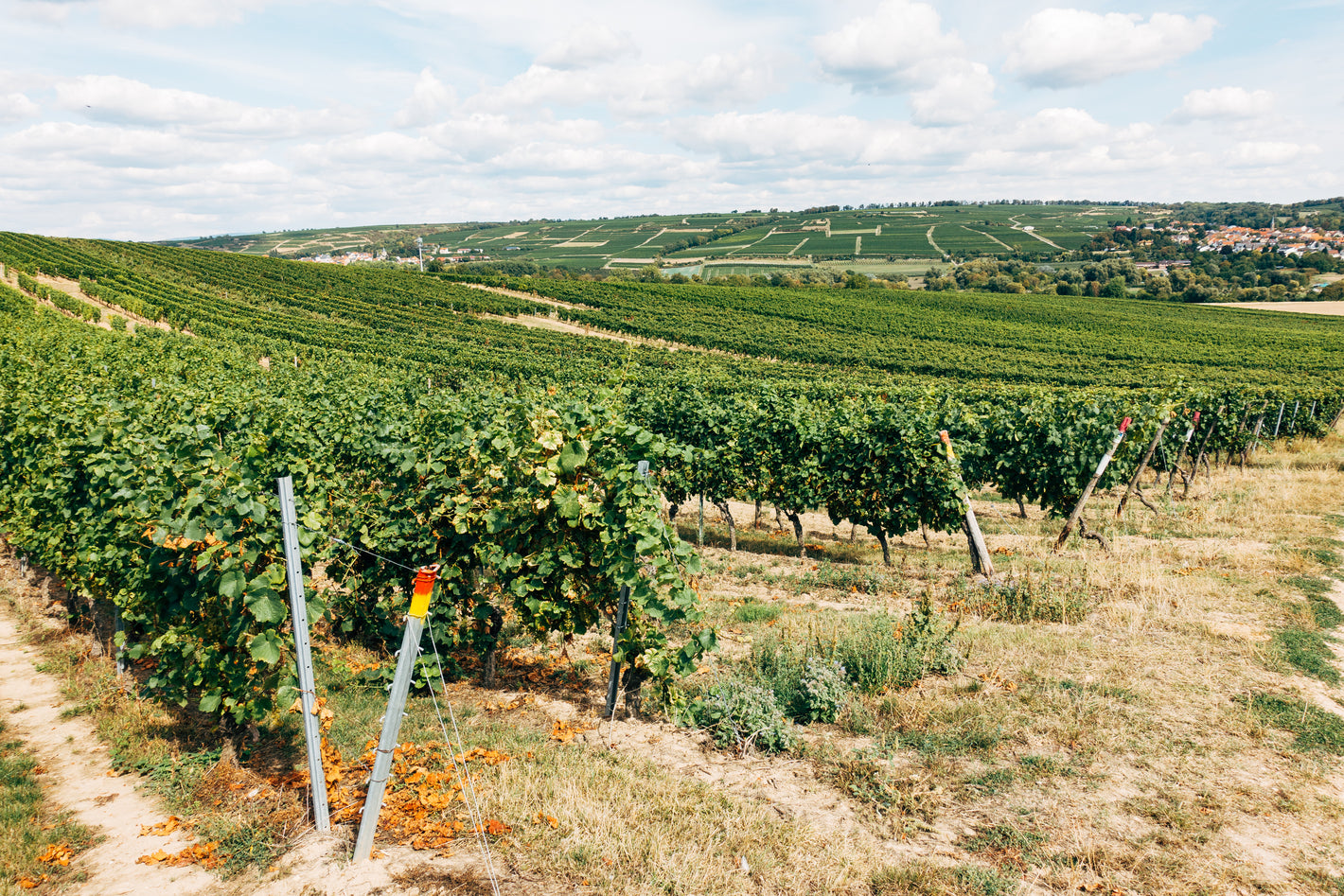
The Factor draws fruit from Barossa vineyards planted on ironstone soils — the kind of ancient, iron-rich ground that gives Shiraz a mineral backbone you simply don't find on sandier sites. The vines are dry-farmed, meaning no irrigation, which forces roots deep and concentrates everything the vine produces into a small yield of intensely flavoured fruit. The Barossa's warm, dry Mediterranean-style climate delivers the ripeness; the ironstone keeps the wine honest and structured rather than opulent and soft.
The Barossa Valley is arguably Australia's most celebrated red wine region, built on the backs of old Shiraz and Grenache vines planted by Silesian settlers from the 1840s onwards. Unlike many New World regions, the Barossa carries genuine vine age as a cultural institution — some blocks date back over a century, and that age translates into concentration and complexity that younger vines simply cannot replicate. There are no restrictive appellation rules in the way Burgundy or Bordeaux operates, but the best Barossa producers treat their old-vine heritage with a seriousness that amounts to the same thing.
The 2016 growing season in the Barossa was, by most accounts, a well-behaved one — warm and relatively dry without the savage heat spikes that can push the valley's big reds into jammy, overworked territory. Moderate temperatures during the critical ripening window allowed growers to hold on for longer, picking at genuine physiological maturity rather than racing against the heat. The result was fruit that arrived in the winery with balance intact, and that balance shows in the wines.
Shiraz, as ever, is the story here, and 2016 delivered wines with real structural integrity — the tannins are ripe but present, the fruit concentrated without being blowsy, and there's an acidity that keeps everything moving. Grenache and Mourvèdre also performed well, producing wines with more precision than the vintage before it. These are not wines to rush: the better examples have been building quietly and are now entering their prime drinking window, with the most serious bottles happy to sit until 2028 or beyond.
FAQs
What does The Factor taste like?
Dense and structured, with dark blackberry fruit, an ironstone mineral quality, cedar from French oak, and steely tannins that give the wine remarkable length and drive. It is full-bodied and serious rather than immediately opulent — this is Barossa Shiraz at its most precise.
When should I drink this wine?
The 2016 in a 3-litre format is still tightly wound in 2026. We would suggest waiting until at least 2028, with the sweet spot likely falling between 2030 and 2045. The wine has the structure to hold comfortably until 2050 and beyond. If you open it now, decant for at least three hours.
What food pairs well with The Factor?
Slow-roasted lamb, dry-aged ribeye, or grilled kangaroo with bold spice are all ideal. The wine has enough structure to handle heavily seasoned red meats and aged hard cheeses — it needs food with genuine flavour and weight to match its intensity.
How should I serve this wine?
Serve at 17-18°C and decant generously — two to three hours minimum, more if the wine is young. The 3-litre format evolves more slowly than a standard bottle, so a longer decant is almost always the right call. Use a large-bowled glass to give the wine room to open properly.
Is the 3-litre format worth buying for cellaring?
Yes — large formats slow the ageing process, which for a wine of this age-worthiness is a genuine advantage. The Factor 2016 is already an exceptional wine in a standard bottle; in a 3-litre format it has even more potential to develop over decades. It also makes an extraordinary gift or centrepiece for a significant occasion.
How does The Factor compare to other Torbreck wines?
The Factor is Torbreck's most structured and mineral Shiraz, distinguished by its ironstone soil fruit sources and its two years in French oak barriques. Where RunRig leans into richness and Grenache-influenced generosity, The Factor is more austere and precise — it is the wine in the Torbreck range that demands the most patience and rewards it most generously.

Explore related wines


What are you looking for tonight? Tell me the occasion, a grape, a region — or just try a suggestion below.
Your recommendations will appear here.
-
-
Speak to one of our Wine Gurus
Speak to a Wine GuruWith years of experience, our team can help you with all your wine buying and selling needs