

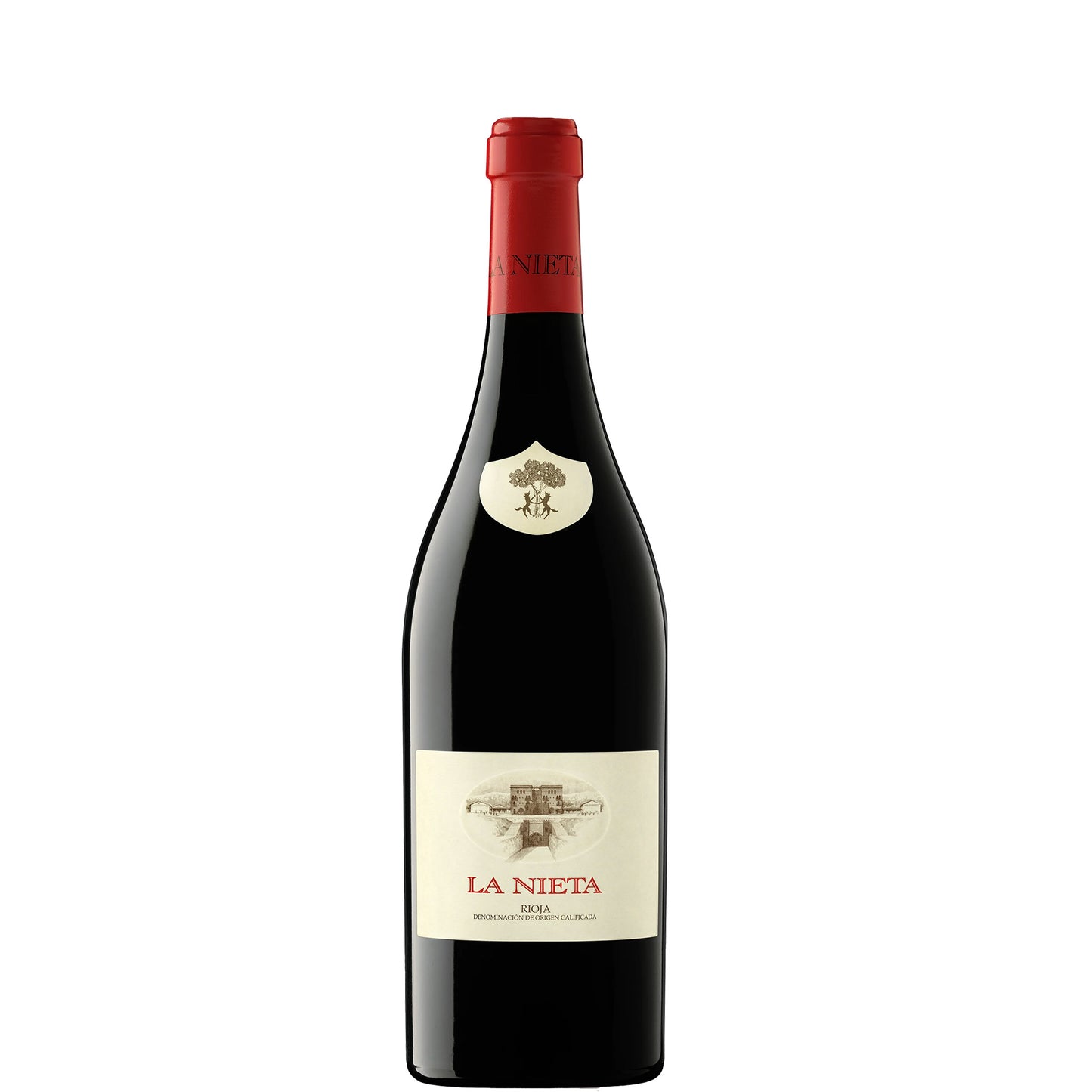
Sierra Cantabria, Viñedos De Páganos La Nieta, 2021
Sierra Cantabria, Viñedos De Páganos La Nieta, 2021
- 75cl
- 14.5%
- Red Still
- Tempranillo
- Organic
- Biodynamic
Couldn't load pickup availability

Optimal drinking window: Now - 2045
The Sierra Cantabria Viñedos de Páganos La Nieta 2021 is one of Rioja Alavesa’s great single-vineyard wines, from a tiny 1.75-hectare plot in Páganos. Aromas of ripe blackberry, blueberry, and black cherry mingle with violets, graphite, spice, and a touch of cocoa. On the palate it’s plush and concentrated, with polished tannins and a long, mineral-driven finish.
The Eguren family, one of Spain’s most respected winemaking dynasties, farms organically and biodynamically. La Nieta is their crown jewel – a modern Rioja that balances intensity with elegance.
Right now, La Nieta 2021 is a wine in its early stages — the fruit is vivid and the florals are starting to emerge, but the structure is still tightly wound. By around 2028 to 2030, the primary dark fruit will begin to integrate properly with the oak, and the first secondary complexity — dried flowers, leather, earthy spice — should start to show. The mid-decade window, roughly 2030 to 2038, is likely where this wine will be at its most eloquent, with all its components in harmony. A bottle held until 2040 will be a different proposition entirely: less fruit-driven, more savoury and mineral, the kind of wine that makes a room go quiet. Decline before 2045 seems unlikely given the structure here.
What the critics say:
"The 2021 La Nieta is among the finest wines in its powerful, ripe and generously oaked, modern style of red Rioja. It's a single-vineyard Tempranillo with 14.05% alcohol, a pH of 3.63 and 5.8 grams of acidity. It comes from the 1.75-hectare vineyard that named the wine. It was planted in 1975 on silt, clay and sandstone soils in Páganos (Laguardia) at 525 meters above sea level and worked biodynamically (but not certified). The hand-destemmed grapes fermented in small 2,000-liter oak vats with yeasts selected from their vineyards and matured in new French oak barrels for 15 months. It felt very balanced, a little shy and undeveloped, elegant and fresh in this slightly cooler year. The grapes ripened slowly and had a full development of aromas and flavors, making the wine more nuanced and complex, while the palate kept very good balance with its freshness. The tannins are very complete and elegant. It opened up with time in the glass to more floral aromas, making it the most perfumed of the wines from the Eguren family that I tasted this time."
"A naturally concentrated red with a lifted chalky touch to its extremely healthy fruit. Blackberries, blueberries, fine spices, blue flowers, violets, dark olives and minerals. So fresh, juicy and sophisticated, with filigreed tannins that support and melt. Long, subtle and bright. Very linear and elegant in quality. Drink or hold."
Tasting Notes
AppearanceDeep, vivid ruby with a violet rim and excellent clarity.
NoseIt opens a little reserved — this is a wine that rewards patience in the glass. Give it twenty minutes and dark cherry, blueberry, and blackberry lift with violet florals and a cool graphite mineral thread running beneath. The new French oak is present but integrated, adding cocoa and spice rather than dominating.
PalateConcentrated and plush without being heavy — the 2021 vintage's cooler, slower ripening keeps everything taut and fresh. Polished, finely grained tannins frame the fruit elegantly, and there's a linearity to the structure that feels more Burgundian than broadly Spanish. The oak is well-judged: supportive rather than showy.
FinishLong, mineral, and precise, with the florals lingering well after everything else has settled.
Overall impressionA shy, serious wine with the architecture for a long future — but already compelling if you're willing to wait in the glass.
Food Pairings
In Rioja Alavesa, a wine this serious would most naturally find its way to the table alongside a slow-roasted lechazo — milk-fed lamb from Castilla — or a chuleta de buey, a thick-cut aged beef chop grilled over charcoal, as they do at the famous asadores of nearby Laguardia and Logroño. Chistorra, the thin, fast-cured Basque chorizo, works well in a more casual setting, its paprika richness cut clean by the wine's freshness. Aged Idiazábal cheese, smoky and firm from the Basque hills, is another fine match. This is a region that takes both its food and its wine extremely seriously, and the two have been in quiet, confident conversation for centuries.
We think this wine would go well with
Serve at around 17°C — any warmer and the fruit starts to feel heavy, any cooler and the nose stays shut. Decanting is strongly recommended: at least an hour, ideally two, as the wine is still relatively young and takes time to open properly. A large-bowled Burgundy-style glass will give those violet and floral aromas the space to develop. If you're drinking this before 2028, treat it as a wine that needs room to breathe rather than one that's ready on the pour.
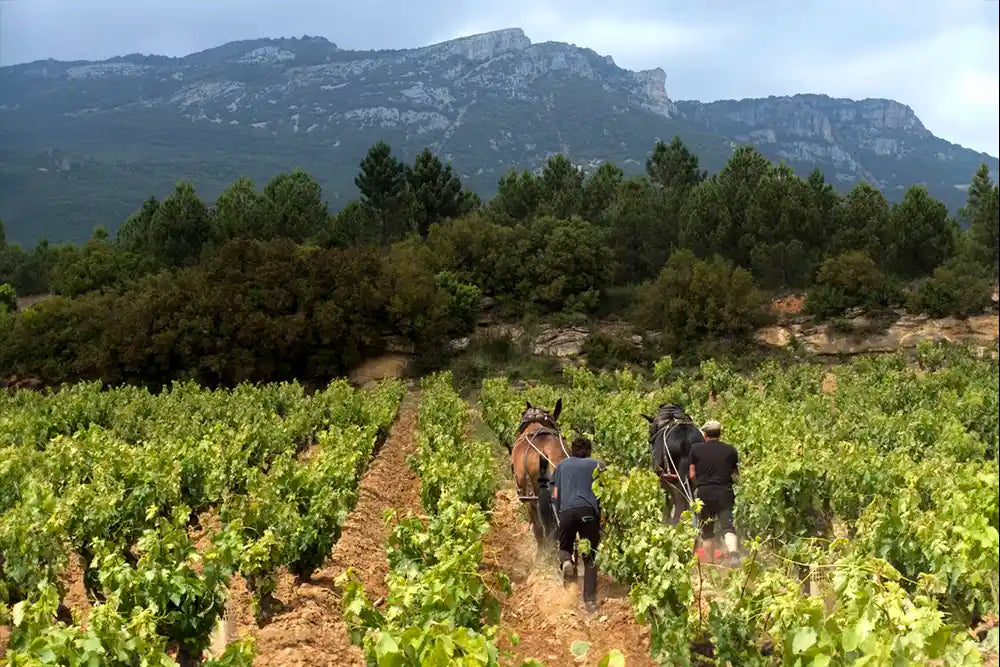
La Nieta comes from a single 1.75-hectare plot in Páganos, in the heart of Rioja Alavesa, planted in 1975 at 525 metres above sea level. The soils are a mix of silt, clay, and sandstone — a combination that drains well, encourages deep root systems, and gives the wine its distinctive mineral backbone. The altitude brings cooler nights and a longer growing season, which in a year like 2021 meant slow, even ripening and the kind of aromatic precision that's hard to engineer. It's a small, carefully farmed place, worked biodynamically, and the wine tastes exactly like it.
Rioja Alavesa is the northernmost and arguably most distinctive of Rioja's three sub-zones, sitting within the Basque Country on the southern slopes of the Sierra de Cantabria. The soils here tend to be more calcareous clay than in Rioja Alta or Rioja Baja, and the Atlantic influence keeps temperatures cooler and acidity fresher. Wines from Alavesa are often more structured and lifted than those from the warmer Baja, with greater ageing potential. The broader Rioja DOCa permits single-vineyard designations — Viñedo Singular — which La Nieta qualifies for, allowing the Eguens to put the focus firmly on place rather than blend.
The 2021 vintage arrived after a particularly challenging growing season that kept Rioja's winemakers on their toes. Spring brought late frosts that nipped at the early budbreak, followed by a summer that swung between dry spells and sudden downpours. The saving grace came with a long, steady autumn that allowed patient growers to wait for proper ripeness, though harvest dates varied dramatically depending on how each producer navigated the season's curveballs.
What emerged from this unpredictable year is a vintage of genuine character rather than easy charm. The Tempranillo shows more structure and grip than we've seen in recent warmer years, with fruit that feels focused rather than generous. Garnacha fared particularly well in the higher altitude sites, producing wines with lovely freshness and spice. These aren't wines for immediate gratification – we'd suggest cellaring the better examples until 2026, though the more accessible styles are drinking nicely now with some breathing room.
FAQs
What does La Nieta taste like?
Dark cherry, blueberry, and blackberry with violet florals, graphite, and cocoa from well-integrated French oak. The 2021 is particularly fresh and linear — more precise and aromatic than some previous vintages, with polished tannins and a long mineral finish. It needs time in the glass to show its full character.
When should I drink the 2021 La Nieta?
It's approachable now with a good long decant, but this is really a wine built for patience. We'd suggest waiting until at least 2028, and the sweet spot is likely 2030 to 2038. It should remain excellent until 2045 and possibly beyond.
Is La Nieta worth cellaring?
Absolutely — this is one of the most compelling arguments for cellaring a modern Spanish red. The structure, acidity, and depth of fruit in the 2021 all point to a wine with a long, rewarding future. With 97+ points from Wine Advocate and a track record from previous vintages, it belongs in a serious cellar.
What food pairs well with La Nieta?
Slow-roasted lamb or an aged beef chop grilled over charcoal are the natural regional pairings. More broadly, anything with richness and some char will work — venison, duck, or a well-aged hard cheese like Idiazábal. It's a wine that wants food with some weight and depth to it.
How should I serve La Nieta?
Serve at around 17°C in a large-bowled glass. Decant for at least one to two hours — the wine is young and needs the air. If you're opening a bottle before 2028, treat that decanting time as non-negotiable rather than optional.
How is La Nieta made?
The grapes are hand-harvested from a single 1.75-hectare plot in Páganos, planted in 1975, and fermented in small 2,000-litre oak vats using yeasts selected from the vineyard itself. The wine matures for 15 months in new French oak barrels. The Eguren family farms biodynamically, and the 2021's slightly cooler vintage conditions meant a slower, more even ripening that makes this one of the most nuanced releases in the wine's history.
Explore related wines


What are you looking for tonight? Tell me the occasion, a grape, a region — or just try a suggestion below.
Your recommendations will appear here.
-
-
Speak to one of our Wine Gurus
Speak to a Wine GuruWith years of experience, our team can help you with all your wine buying and selling needs