

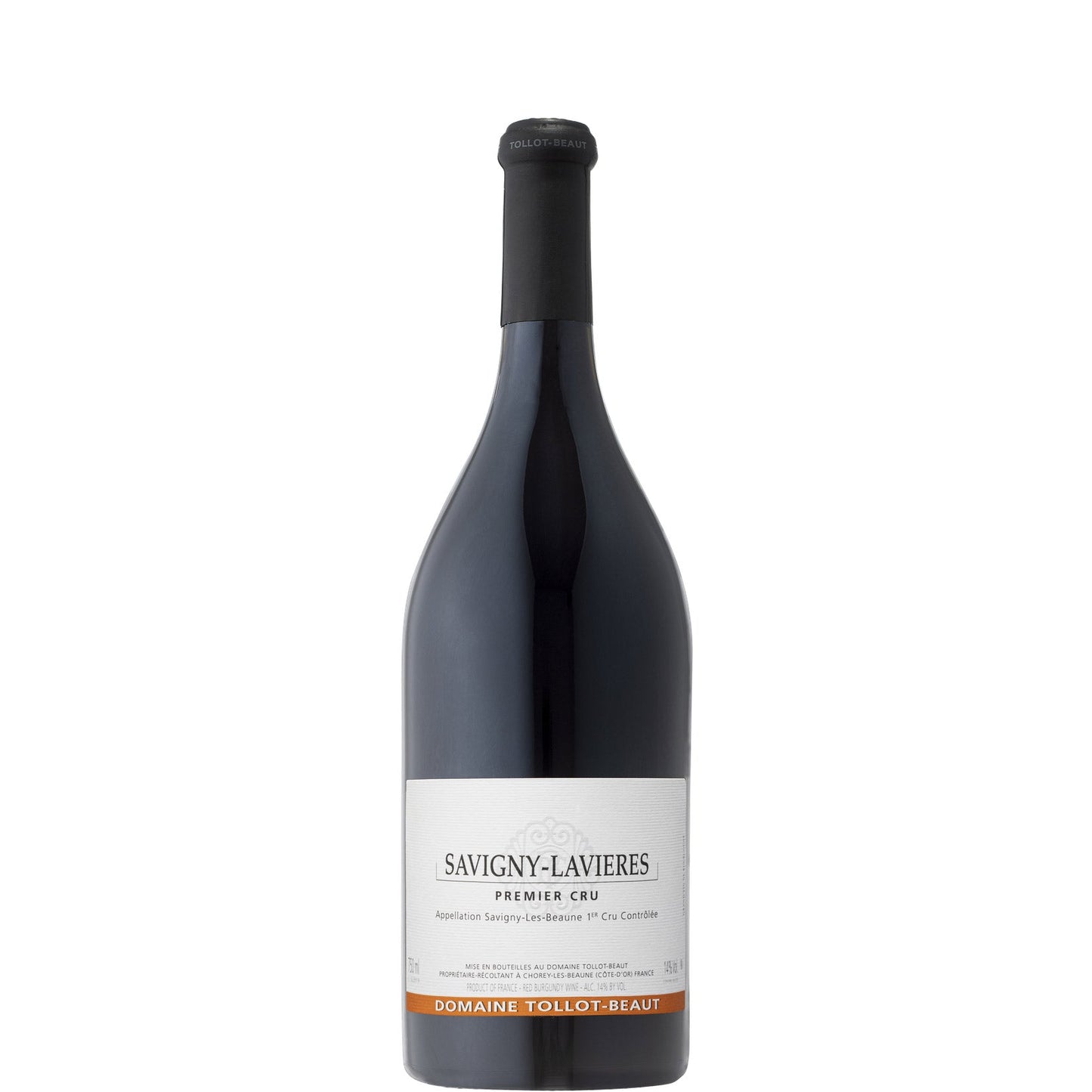
Savigny-lès-Beaune Premier Cru 'Les Lavières', Domaine Tollot-Beaut, 2023
Savigny-lès-Beaune Premier Cru 'Les Lavières', Domaine Tollot-Beaut, 2023
- 75cl
- 13.5%
- Red Still
- Pinot Noir
Couldn't load pickup availability

Optimal drinking window: 2028 - 2036
Savigny-lès-Beaune Premier Cru Les Lavières from Domaine Tollot-Beaut is bright, lifted and beautifully judged. It’s packed with wild strawberry, red cherry and a flicker of cranberry, with soft floral notes, a hint of earth and a touch of spice adding depth. Fresh acidity and fine, supple tannins give it energy and precision, carrying the wine cleanly through the finish.
Savigny sits between Beaune and the grand cru slopes of Corton, and can sometimes be overshadowed by its famous neighbours. That’s good news for anyone willing to look a little closer — the wines deliver serious quality for the price.
‘Les Lavières’ is one of two Premier Crus the estate bottles in Savigny, and it’s typically the more open and expressive of the pair, showing its charm and finesse a little earlier while still retaining the structure to age gracefully.
Currently showing its youthful exuberance with bright primary fruit taking centre stage, this wine will begin to integrate and settle within the next two years. From 2028 onwards, expect the strawberry and cherry notes to deepen whilst earthy, undergrowth characteristics develop alongside subtle spice. The wine should reach its plateau around 2030-2031, maintaining excellent drinking through 2036 before the fruit begins to fade. Les Lavières' reputation for being the more expressive of Tollot-Beaut's Savigny Premier Crus means it will show its secondary complexity relatively early whilst retaining enough structure for graceful ageing.
What the critics say:
"Another fine deep purple. Here the bouquet is noticeably less solar. Even so, there is a slight peachiness on the nose, but it is pure red fruit on the palate with weight and an attractive warmth. Excellent length, mostly on the raspberry. Succulent and satisfying. Drink from 2028-2033. Tasted Oct 2024. *4/5*"
"Intense crimson. Bright, sweet fruit, and lots of interest and charm. *Good Value*"
Tasting Notes
AppearanceBright crimson with purple highlights, showing the vibrancy of young Burgundy.
NoseWild strawberry and red cherry leap from the glass, followed by cranberry brightness and soft floral notes. There's an earthy undertone that grounds the fruit, with a delicate spice adding complexity without overwhelming the wine's inherent elegance.
PalatePure red fruit dominates with excellent weight and attractive warmth. Fresh acidity provides energy and precision, whilst fine, supple tannins give structure without heaviness. The wine shows raspberry intensity with that slight peachiness that marks the 2023 vintage.
FinishClean and lengthy, carried by the wine's natural acidity with lingering raspberry and a touch of warming spice.
Overall impressionA succulent and satisfying Premier Cru that balances immediate charm with genuine structure for ageing.
Food Pairings
In Burgundy, this style of Pinot Noir would traditionally accompany coq au vin made with the same red wine, or perhaps côte de boeuf grilled over vine cuttings. Local charcuterie features heavily, particularly jambon persillé, the parsley-flecked ham terrine that's a Burgundian classic. Game birds like pigeon or partridge, simply roasted and served with wild mushrooms foraged from the nearby forests, make perfect partners. Époisses cheese, washed with marc de Bourgogne and produced just down the road, creates one of those magical regional pairings where wine and cheese have evolved together over centuries.
We think this wine would go well with
Serve at 15-16°C to preserve the wine's bright fruit character whilst allowing its complexity to emerge. No need to decant for current drinking, though a brief aeration of 30 minutes will help integrate the wine's components. Use a classic Burgundy bowl glass to concentrate the delicate aromatics whilst providing enough surface area for the wine to breathe. If cellaring for a few years, decanting for an hour before serving will help more mature bottles show their full potential.
Les Lavières sits on the mid-slope of Savigny-lès-Beaune, facing southeast on limestone-rich soils with a scattering of clay. The vineyard benefits from excellent sun exposure whilst maintaining the cooler microclimate that keeps Savigny's wines elegant rather than powerful. This terroir produces Pinot Noir with bright fruit character and natural acidity, allowing the wine to express both charm in youth and the structure to develop complexity over time.
Savigny-lès-Beaune sits strategically between Beaune and the grand cru slopes of Corton, often overshadowed by its illustrious neighbours but offering serious quality for those willing to look closer. The appellation produces both red and white wines, with the reds typically showing more finesse than power compared to other Côte de Beaune villages. Premier Cru vineyards like Les Lavières represent the appellation's finest sites, capable of producing wines with both immediate appeal and genuine ageing potential at prices that remain relatively accessible within the Burgundy hierarchy.
The 2023 growing season in Burgundy unfolded like a cautionary tale about climate change, then pulled off a last-minute redemption that left everyone rather stunned. After a warm, early spring pushed budbreak ahead of schedule, the vines endured a thoroughly miserable summer of persistent rain and cool temperatures that had growers muttering darkly about rot and dilution. Just when things looked dire, September arrived with glorious sunshine and dry winds that concentrated the fruit and saved the harvest—though not without some frantic sorting in the cellars.
What emerged from this meteorological rollercoaster are wines that wear their vintage on their sleeve: Pinot Noirs with bright, singing acidity and red fruit that feels almost crystalline in its purity, whilst the Chardonnays show remarkable tension and mineral drive. The reds are drinking beautifully now if you fancy immediate pleasure, but we suspect the better villages and premiers crus will reward patience over the next decade. It's not a powerhouse vintage, but there's something genuinely charming about these wines—they remind us why we fell for Burgundy in the first place.
FAQs
What does this wine taste like?
Bright and lifted with wild strawberry, red cherry, and cranberry, plus soft floral notes and a touch of earth and spice. It's fresh and elegant rather than powerful.
When should I drink this wine?
It's approachable now for those who enjoy youthful Burgundy, but will reward patience from 2028 onwards when it develops more complexity. Drink until 2036.
What food pairs well with this wine?
Classic Burgundian dishes like coq au vin or roast game birds work beautifully, as does quality charcuterie. The wine's elegance also suits duck breast or lamb with herbs.
How should I serve this wine?
Serve at 15-16°C in a proper Burgundy glass. No need to decant for current drinking, though 30 minutes of breathing helps integrate the flavours.
Is this wine worth cellaring?
Absolutely. While charming now, it will develop greater complexity and secondary flavours from 2028-2033. Les Lavières has the structure to age gracefully whilst showing its charm relatively early.
How does this compare to other Burgundy villages?
Savigny-lès-Beaune offers excellent value compared to famous neighbours like Beaune and Pommard, delivering serious Premier Cru quality at more accessible prices whilst maintaining Burgundian elegance.

Explore related wines


What are you looking for tonight? Tell me the occasion, a grape, a region — or just try a suggestion below.
Your recommendations will appear here.
-
-
Speak to one of our Wine Gurus
Speak to a Wine GuruWith years of experience, our team can help you with all your wine buying and selling needs