

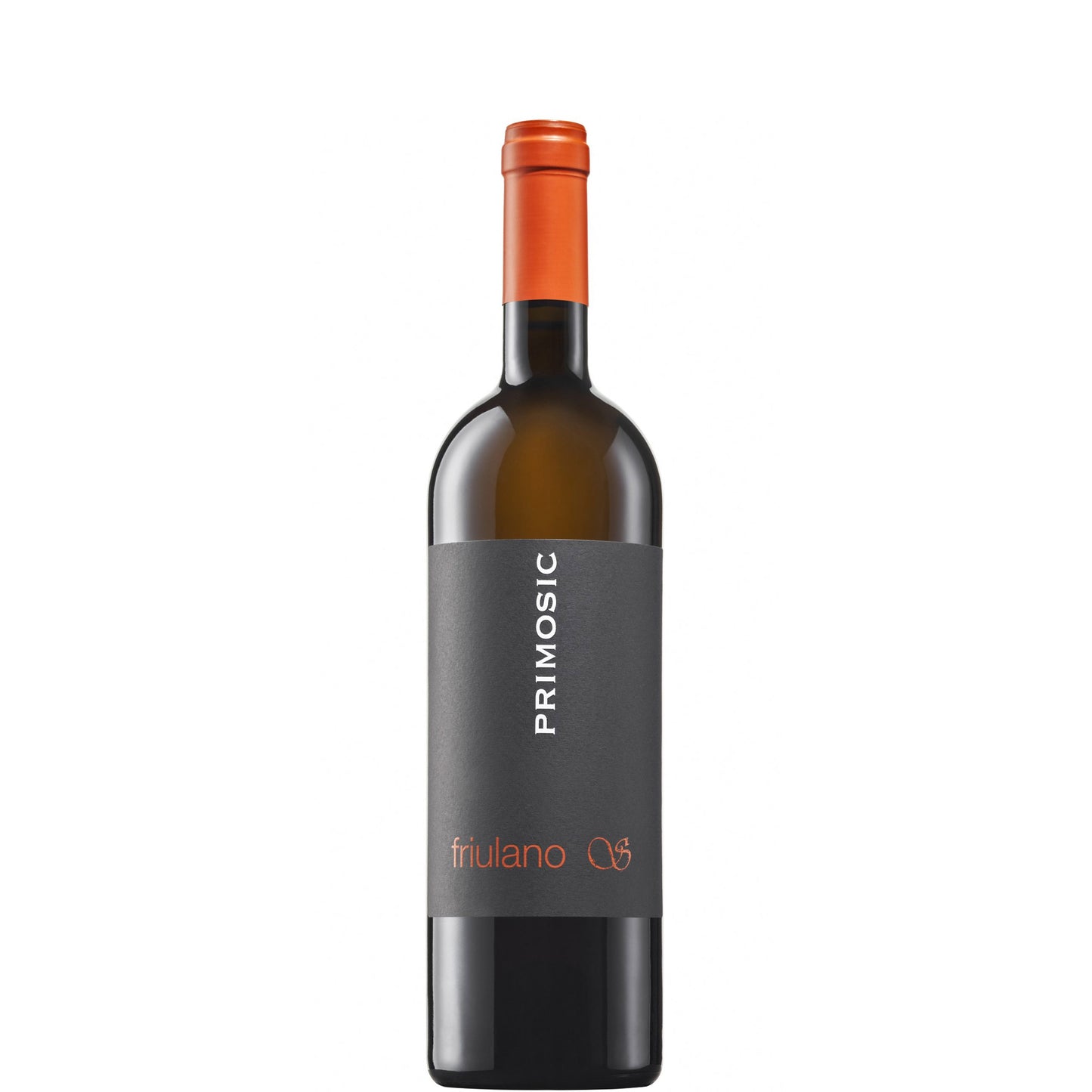
Primosic, Friulano Orange Wine, Collio, 2020
Primosic, Friulano Orange Wine, Collio, 2020
- 75cl
- 13%
- White Still
- Friulano
Couldn't load pickup availability

Optimal drinking window: 2026 - 2032
Est. delivery in June, 2026
Primosic has been making wines in Collio since 1969, and their orange Friulano shows exactly why this corner of Friuli produces some of Italy's most compelling skin-contact whites. The grapes spend extended time on their skins, creating a wine that bridges white and red with honeyed fruit, herbal complexity, and that distinctive orange wine grip.
We find this 2020 drinking beautifully now, offering orange peel, dried chamomile, and a waxy texture that's both substantial and refreshing. It's Friulano reimagined—familiar varietal character given new depth and structure through patient winemaking. Drink until 2032.
This 2020 is drinking well now, showing good integration between the skin contact tannins and fruit character. Over the next 2-3 years, expect the herbal complexity to become more pronounced while the primary orange fruit flavours evolve into dried citrus peel and honey. The wine should hold its freshness until around 2030, though the fruit will gradually give way to more savoury, nutty characteristics. Unlike conventional white wines, the tannin structure will help preserve this wine's character longer than typical Friulano.
Tasting Notes
AppearanceDeep golden amber with copper highlights.
NoseHoneyed orange peel dominates initially, followed by dried chamomile, hay, and subtle spice. There's an herbal complexity that builds in the glass, with hints of rosemary and sage emerging. The aromatics feel both concentrated and fresh.
PalateWaxy and substantial with grippy tannins from extended skin contact. Orange zest and honey flavours are balanced by dried herbs and mineral acidity. The texture is remarkably full yet never heavy, with that characteristic orange wine grip providing structure. Mid-palate weight gives way to surprising freshness.
FinishLong and mineral with persistent orange peel and a saline edge.
Overall impressionA successful marriage of Friulano's inherent elegance with the depth that skin contact provides.
Food Pairings
In Friuli, this style of wine would accompany the region's distinctive cuisine that blends Italian and Central European influences. Think San Daniele prosciutto with fresh figs, or the local specialty frico—a crispy cheese and potato pancake. The wine's texture and tannins make it perfect with aged Montasio cheese, while its herbal character complements dishes featuring local wild herbs and mushrooms. Collio producers often serve orange wines with roasted guinea fowl or game birds, where the wine's structure matches the richness of the meat.
We think this wine would go well with
Serve slightly cooler than most reds at 14-16°C to highlight the freshness alongside the texture. No need to decant, but the wine benefits from being opened 30 minutes before serving to let the aromatics develop. Use a large bowl glass rather than a traditional white wine glass—the bigger surface area helps express the complex aromatics. The substantial texture can handle larger, Burgundy-style glasses that you might use for Pinot Noir.
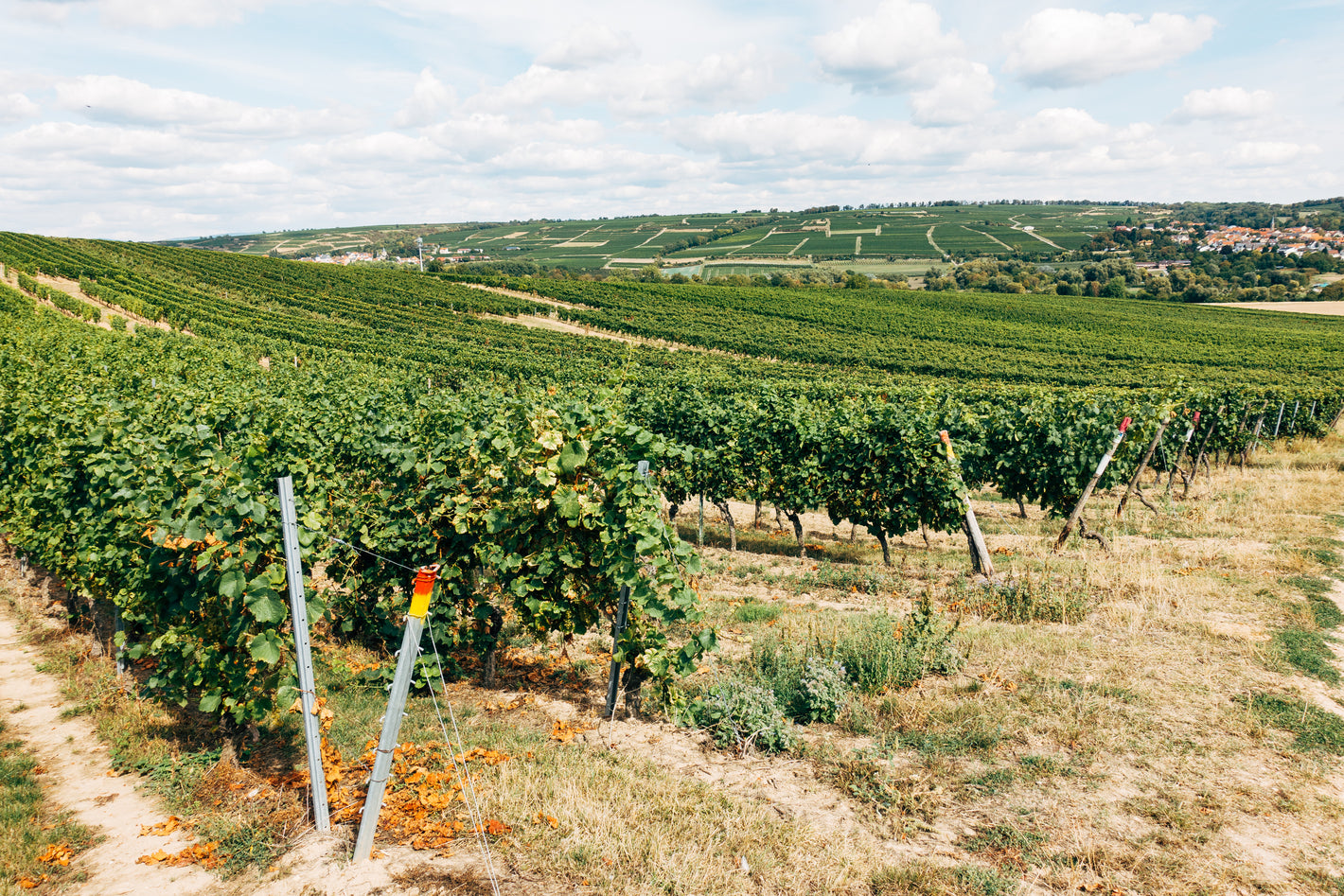
The vineyards sit on Collio's famous ponca soils—a mix of marl and sandstone that provides excellent drainage and mineral complexity. Located on steep hillsides near the Slovenian border, the vines benefit from a continental climate with warm days and cool nights. These conditions, combined with the mineral-rich ponca, give the wines their characteristic tension between richness and freshness.
Collio is one of Friuli's most prestigious appellations, straddling the Italian-Slovenian border in the hills north of Gorizia. The DOC is famous for its white wines made from both international and local varieties, with ponca soils providing distinctive minerality. Collio pioneered modern Italian white winemaking in the 1970s and remains a benchmark for varietal purity and elegance, though producers like Primosic now explore traditional techniques like skin contact.
The 2020 vintage in Friuli arrived with a peculiar rhythm that kept producers on their toes. A warm, dry summer gave way to timely September rains that refreshed the vines just when they needed it most, allowing for extended hang time without the stress. The harvest stretched longer than usual, with growers able to pick each variety at optimal ripeness rather than racing against the clock.
What emerged was a vintage of surprising precision and energy. The whites show remarkable freshness alongside their concentration—Friulano with its characteristic almond bite intact, Pinot Grigio that actually tastes of something, and Sauvignon Blanc that manages to be both vibrant and substantial. The reds, particularly Refosco and the Bordeaux varieties in Grave del Friuli, display lovely fruit purity without the jammy heaviness that can plague warm years. Most are drinking beautifully now and should continue to reward patience until 2028.
FAQs
What is orange wine and how does this taste?
Orange wine is white wine made like red wine, with extended skin contact that creates colour, tannins, and texture. This tastes like honeyed orange peel with herbs and a grippy, substantial mouthfeel that's more like a light red wine.
When should I drink this wine?
It's drinking beautifully now and will continue to develop complexity until around 2032. The tannin structure means it ages differently from conventional white wine.
What food pairs well with orange wine?
The substantial texture works brilliantly with charcuterie, aged cheeses, roasted poultry, and dishes with wild mushrooms. Think of pairing it like you would a light red wine rather than a traditional white.
How should I serve this wine?
Serve at 14-16°C in a large bowl glass to showcase the aromatics. Open 30 minutes before serving but no need to decant.
Is this wine worth cellaring?
Yes, orange wines often age better than conventional whites due to their tannin structure. This will develop more savoury complexity over the next 4-6 years.
How is this different from regular Friulano?
Extended skin contact gives this wine amber colour, tannins, and much more texture than conventional Friulano, while preserving the grape's characteristic herbal character and elegance.

OUR GROWERS
Primosic


-
-
Speak to one of our Wine Gurus
Speak to a Wine GuruWith years of experience, our team can help you with all your wine buying and selling needs