

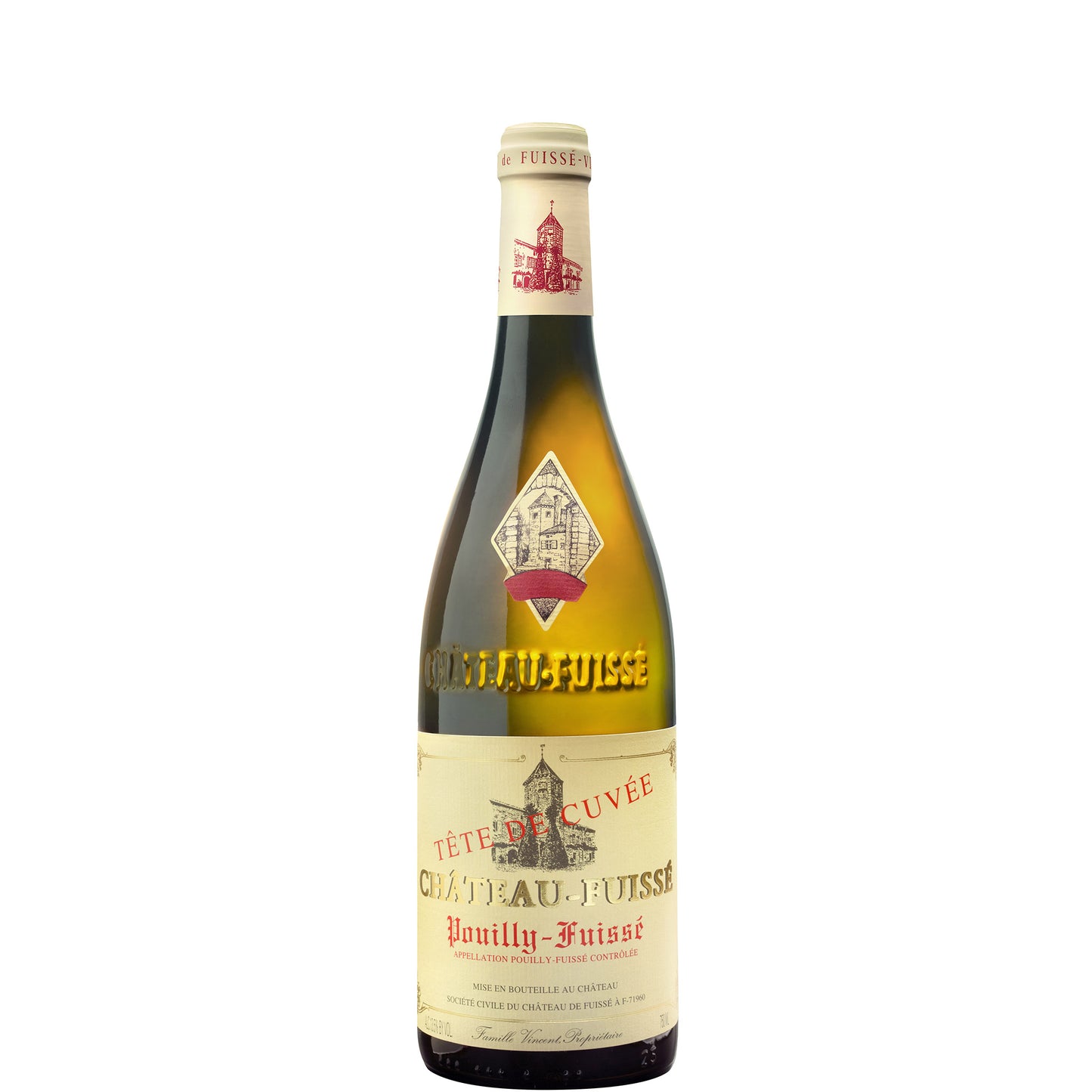
Pouilly-Fuissé, Tête de Cuvée, Château-Fuissé, 2024
Pouilly-Fuissé, Tête de Cuvée, Château-Fuissé, 2024
- 75cl
- White Still
- Chardonnay
Couldn't load pickup availability

Optimal drinking window: 2026 - 2032
Château-Fuissé’s Tête de Cuvée is a very good example of why Pouilly-Fuissé deserves to be taken seriously. It’s a Chardonnay made from a blend of parcels across the appellation, bringing together different soils and exposures rather than relying on one site. The 2024 is particularly fresh and precise, with the vintage giving the wine plenty of natural tension.
"From tank, with a total production of 850–900hl, this is a blend of parcels across the entire appellation and two-thirds is barrel-fermented, with just 20% new oak. The wine is bright and expressive, showing succulent, ripe Amalfi lemon character, balanced by crisp freshness and a clean, precise finish."
17+/20, Stewart Pryce, Honest Grapes Wine Club Manager
A smart bottle of Burgundy- think roast chicken, scallops, lobster or simply a good piece of fish with butter and lemon.
Château-Fuissé is one of Tim Atkin's 2024 Top 15 Mâconnais Producers.
At two years old, the 2024 is already drinking with real confidence — the oak is well-integrated and the fruit is generous without being overblown. Over the next two to three years, the primary stone fruit will knit further with the texture from the barrel-aged portion, and a more honeyed, nutty secondary character should begin to emerge. Peak drinking is probably somewhere between 2027 and 2030, when the balance between freshness and richness will be at its most compelling.
What the critics say:
"A prominent petrol character is present on moderately reduced nose. More interesting are the delicious, rich and generously proportioned flavors that flash both good power and minerality on the clean, dry and markedly more complex finale. Fine development potential here. *Outstanding* *Top value*"
"A blend of different plots, 60% matured in oak with 20% new wood, the 2024 Pouilly-Fuissé Téte de Cuvée has a straightforward yet well-defined bouquet that unfolds nicely in the glass, though it does not quite have the amplitude of the 2022. The palate is well balanced with a citrus-fresh opening, hints of brioche and almond in the background with fine tension on the finish. This will gain weight over the-last six months of its barrel maturation and my score is based on that."
Tasting Notes
AppearancePale gold with a bright, slightly green-tinged rim.
NoseFragrant and inviting, with ripe pear, white peach, and a gentle waft of warm pastry and praline. A restrained oak presence adds texture rather than weight, and there's a subtle floral lift that keeps it from feeling heavy.
PalateFresh and focused, with the acidity doing exactly what it should — keeping the ripe fruit honest. A lick of honey and a whisper of spice sit alongside that saline, stony quality that lifts the whole thing and stops it from going soft. The 20% stainless-steel component keeps the purity sharp.
FinishClean, mineral, and persistent — longer than you'd expect at this price.
Overall impressionA genuinely accomplished Pouilly-Fuissé that delivers Côte de Beaune character without the Côte de Beaune bill.
Food Pairings
In the Mâconnais, this kind of wine is inseparable from the local table — think quenelles de brochet with sauce Nantua, the pike and crayfish combination that is a Burgundian obsession. Gratin dauphinois, volaille de Bresse roasted simply with butter and tarragon, or a warm salad of lardons and poached egg on frisée would all be natural companions. A plateau of local cheeses — Époisses at the runnier end if you're feeling bold, or a younger Mâconnais chèvre for something more delicate — works brilliantly too. Keep it regional and unfussy: this is a wine that rewards the table, not the cheffy flourish.
We think this wine would go well with
Serve at around 11-12°C — cold enough to keep the acidity lively, warm enough to let the oak-aged complexity open up. No need to decant, though giving it 15 minutes in the glass makes a real difference as the nose opens. A wider-bowled white Burgundy glass is ideal; something too narrow will close the wine down and you'll miss that saline, mineral lift on the finish.
The Tête de Cuvée is drawn from 40 parcels across the Pouilly-Fuissé appellation, blending sites on limestone-rich soils — which give the wine its freshness and precision — with heavier clay plots around Fuissé that add weight and depth. This interplay between soil types is what gives the blend its range: the lift of a more northerly Burgundy alongside the generosity you associate with the Mâconnais. Altitude and aspect vary parcel to parcel, and it is that patchwork of conditions, carefully managed over decades, that keeps the wine feeling more complex than its appellation price tag might suggest.
Pouilly-Fuissé is the Mâconnais's most celebrated appellation, producing white Burgundy exclusively from Chardonnay on limestone and clay soils at the foot of the dramatic Solutré and Vergisson rocks. Long considered the poor cousin of the Côte de Beaune, it received its own Premier Cru classifications in 2020 — a belated acknowledgement that the best sites here genuinely rival Puligny and Meursault. The wines tend to be rounder and more generously fruited than those from the Côte d'Or, with good natural weight balanced by a stony, almost chalky freshness. At their best, they offer serious quality at a price point that still feels like a secret.
The 2024 growing season in Burgundy was, frankly, a test of nerve. A wet spring brought significant mildew pressure, and vignerons who stayed sharp in the vineyard — working fast, keeping canopies open, reducing yields where necessary — came out the other side with something worth talking about. Summer brought warmer, drier conditions that helped the fruit recover composure, and harvest arrived broadly on the later side, with growers picking carefully to find phenolic ripeness without sacrificing freshness. Quantity was down across much of the Côte, which concentrates minds as much as it concentrates wine.
What emerged is a vintage that rewards those who put the work in. The Pinots we have tasted carry real precision and translucency — not because they are light, but because the acidity is lively and the fruit unforced. Chardonnays from the Côte de Beaune look particularly promising: taut, mineral, with genuine length. This is not a vintage to panic-open. Most village and premier cru reds want three to five years at minimum, with the better appellations drinking well until 2035 and beyond. The whites are more approachable now, though the best will reward patience too.
FAQs
What does this wine taste like?
Ripe orchard fruit — pear, white peach — with a touch of honey and praline from the oak ageing, balanced by crisp acidity and a saline, stony freshness that keeps it lively and focused. It's generous without being heavy.
When is the best time to drink the 2024?
It's drinking well now and will continue to improve until around 2028-2030, when the fruit and oak complexity should be at their most integrated.
How does this compare to white Burgundy from the Côte de Beaune?
Honestly, closer than the price gap would suggest. The Tête de Cuvée has the weight and texture of a good Meursault village and the stony freshness you associate with Puligny, without the premium those appellations now command. It's one of the more convincing arguments for looking south of the Côte d'Or.
What food should I serve this with?
Roast chicken, gratin dauphinois, fresh pasta with cream and mushrooms, or simply grilled fish with a knob of butter. It's versatile enough for the table and substantial enough to hold its own against richer dishes. A young goat's cheese from the region is a natural match too.
How should I serve it?
Around 11-12°C in a wider-bowled white Burgundy glass. No need to decant, but give it 15 minutes in the glass to open up — the nose in particular rewards a little patience.
Is Château-Fuissé a reliable producer?
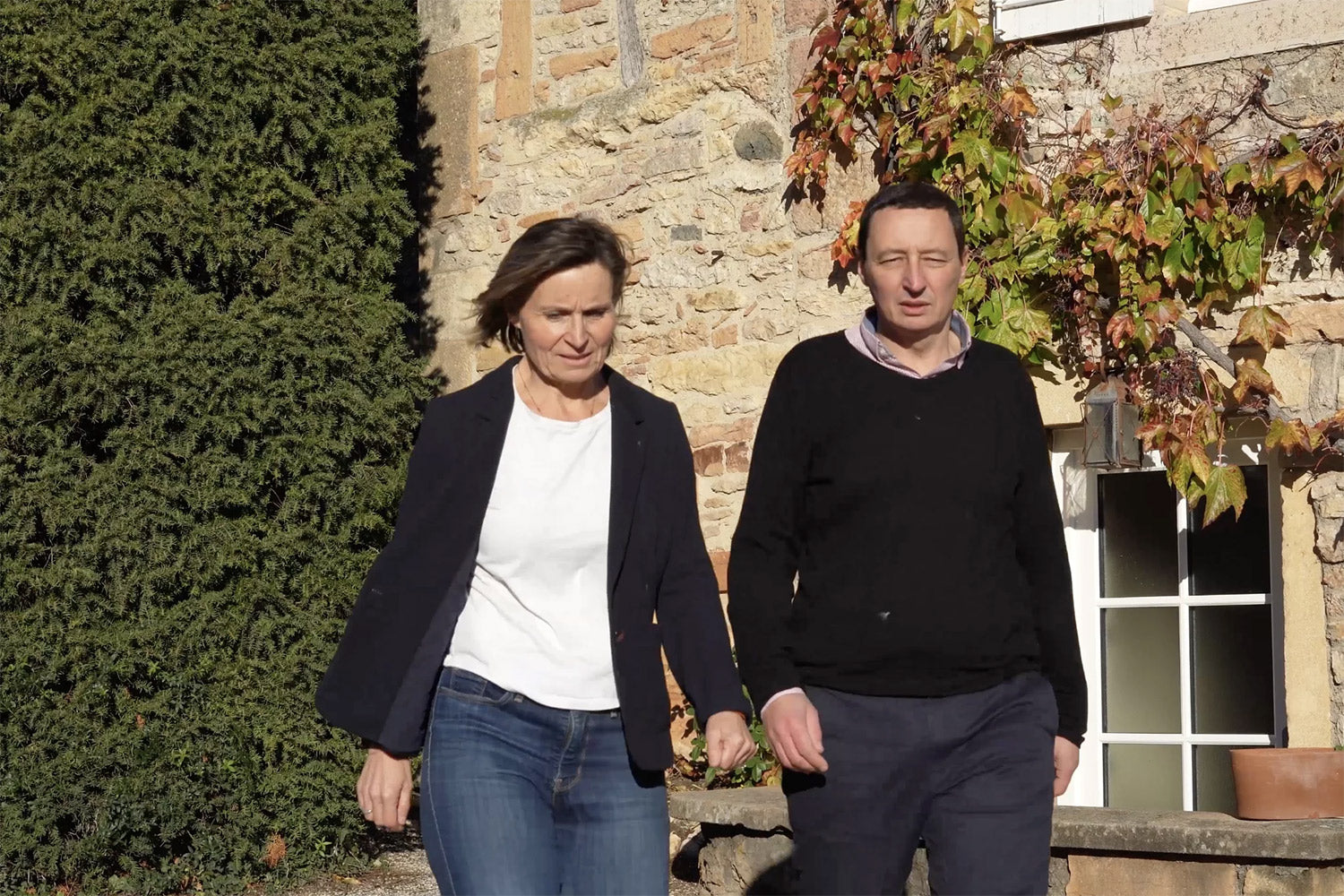
One of the most reliable in the Mâconnais. The Vincent family have been farming in Pouilly-Fuissé for generations and we've been working with them for over 20 years — the quality has never wavered. The Tête de Cuvée in particular is a perennial overachiever at its price point.
Explore related wines


What are you looking for tonight? Tell me the occasion, a grape, a region — or just try a suggestion below.
Your recommendations will appear here.
-
-
Speak to one of our Wine Gurus
Speak to a Wine GuruWith years of experience, our team can help you with all your wine buying and selling needs