


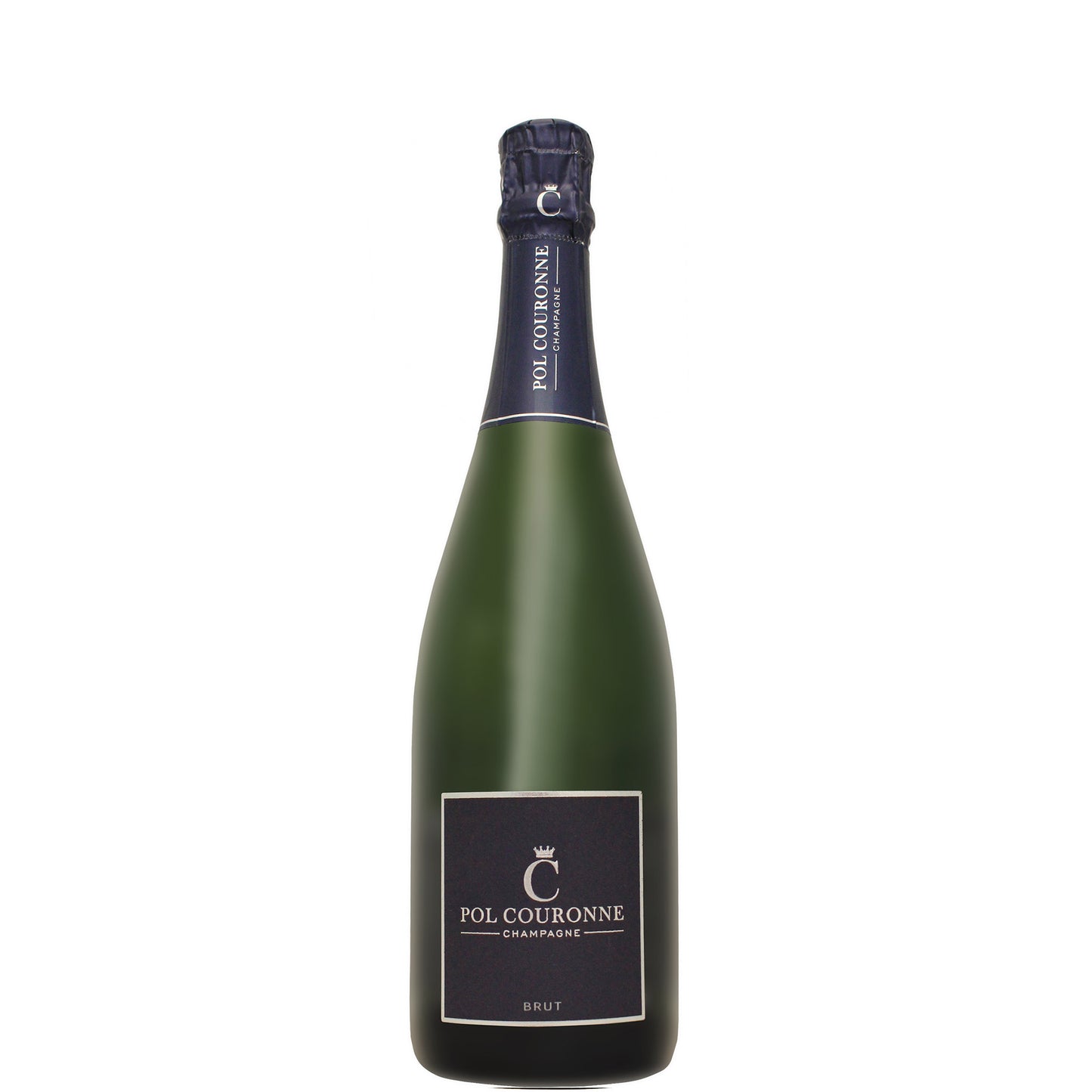
Pol Couronne, Brut, Nv
Pol Couronne, Brut, Nv
- 75cl
- 12%
- White Sparkling
- Chardonnay, Pinot Meunier, Pinot Noir
Couldn't load pickup availability

Optimal drinking window: Now - 2028
A classy champagne that ticks all the boxes. Perfectly poised, with notes of fresh apples, citrus and brioche, Pol Couronne gives most Grande Marque sparklers a run for their money, and has deservedly become our much-loved House Champagne.
Pol Couronne boasts a perfect balance between the crispness of the Chardonnay, structure of the Pinot Noir and roundness of the Pinot Meunier. The use of 40% reserve wines and 42 months of lees ageing adds an interesting complexity and richness to the wine.
"Impressive complexity and balance… a sophisticated and accessible champagne"
Head Wine Guru Tom
This is drinking beautifully right now and will continue to please for the next 2-3 years, though don't expect dramatic development. The 42 months on lees and reserve wines have already given it the complexity it's going to show. Over time, the citrus fruits will mellow slightly and the brioche characters may become more pronounced, but this style is built for immediate pleasure rather than cellar contemplation. The acidity will keep it fresh, but the fruit will gradually fade rather than develop tertiary complexity.
What the critics say:
"A Champagne to pop open for a weekend brunch, this is refreshing and lively with a chiselled limestone structure and grapefruit acidity. Made from almost equal parts chardonnay, pinot meunier and pinot noir, the flavours are well-balanced, while the use of 40 per cent reserve wines and 42 months on the lees gives a nice rounded complexity. It’s great quality and with change from £30, you certainly won’t feel like a muggins."
Tasting Notes
AppearancePale gold with persistent, fine bubbles forming elegant streams.
NoseFresh green apples and citrus zest open immediately, followed by brioche and baking spices from the lees ageing. There's a mineral backbone underneath, like wet limestone after rain. The 40% reserve wines add depth without overwhelming the primary fruit.
PalateCrisp and well-structured with grapefruit acidity cutting through creamy mousse. The three grape blend shows beautifully - Chardonnay provides the backbone, Pinot Noir the structure, and Pinot Meunier rounds everything out. Toasted bread and honey emerge mid-palate, whilst the limestone minerality keeps everything precise.
FinishClean and persistent with lingering citrus and a chalky, refreshing aftertaste.
Overall impressionThis is proper Champagne at a price that doesn't require a second mortgage.
Food Pairings
In Champagne, locals pair their wines with the region's rich culinary traditions - think Chaource cheese with its creamy interior and bloomy rind, or the local specialty of boudin blanc sausages. Freshwater fish from the Marne, particularly pike and trout, are classic matches, often served simply grilled or in cream sauces. The region's famous Reims ham, cured in the chalk caves, provides a perfect salty counterpoint to the wine's crisp acidity. For special occasions, oysters from nearby Normandy or escargots swimming in garlic butter show how Champagne's minerality complements both sea and land.
We think this wine would go well with
Serve well chilled at 6-8°C in proper flutes or tulip glasses to preserve the mousse and concentrate the aromatics. No need to decant - this wants to keep its bubbles intact. Open just before serving and avoid those sabrage party tricks unless you fancy sweeping up glass. If you're feeling fancy, chill the glasses in the fridge beforehand, but skip the freezer as overly cold glasses can dull the flavours.
Champagne's chalky soils and cool continental climate create the perfect conditions for slow ripening and natural acidity retention. The limestone bedrock provides excellent drainage whilst retaining enough moisture for steady vine growth, whilst the region's northerly latitude preserves the crisp freshness that defines great Champagne. These geological foundations, combined with centuries of viticultural expertise, produce grapes with the ideal balance of sugar and acidity for the traditional method.
Champagne remains the gold standard for sparkling wine, with strict regulations governing everything from permitted grape varieties to riddling techniques. Only Chardonnay, Pinot Noir, and Pinot Meunier may be used, and the traditional method with secondary fermentation in bottle is mandatory. The appellation's reputation for excellence means that even smaller producers benefit from the prestige, though they must compete with the marketing budgets of the grandes marques. What sets Champagne apart isn't just the method, but the unique terroir and generations of accumulated knowledge.
FAQs
What does this Champagne taste like?
Fresh and lively with green apple, citrus, and brioche flavours, balanced by a crisp, limestone-driven finish.
Is this as good as the famous Champagne houses?
We think it gives most grande marque Champagnes a serious run for their money, without the premium price tag.
What food pairs well with this wine?
Brilliant with seafood like prawn ravioli or oysters, but also lovely with creamy risottos or simply as an aperitif.
How should I serve this Champagne?
Serve well chilled at 6-8°C in proper flutes, and open just before serving to preserve the bubbles.
How long will this wine keep?
Best enjoyed within 2-3 years whilst the fruit is still bright and lively, though the acidity will keep it fresh longer.
What makes this different from Prosecco or Cava?
It's made using the traditional Champagne method with secondary fermentation in bottle, plus 42 months on lees for extra complexity - that's proper Champagne craftsmanship.

Explore related wines


What are you looking for tonight? Tell me the occasion, a grape, a region — or just try a suggestion below.
Your recommendations will appear here.
-
-
Speak to one of our Wine Gurus
Speak to a Wine GuruWith years of experience, our team can help you with all your wine buying and selling needs