


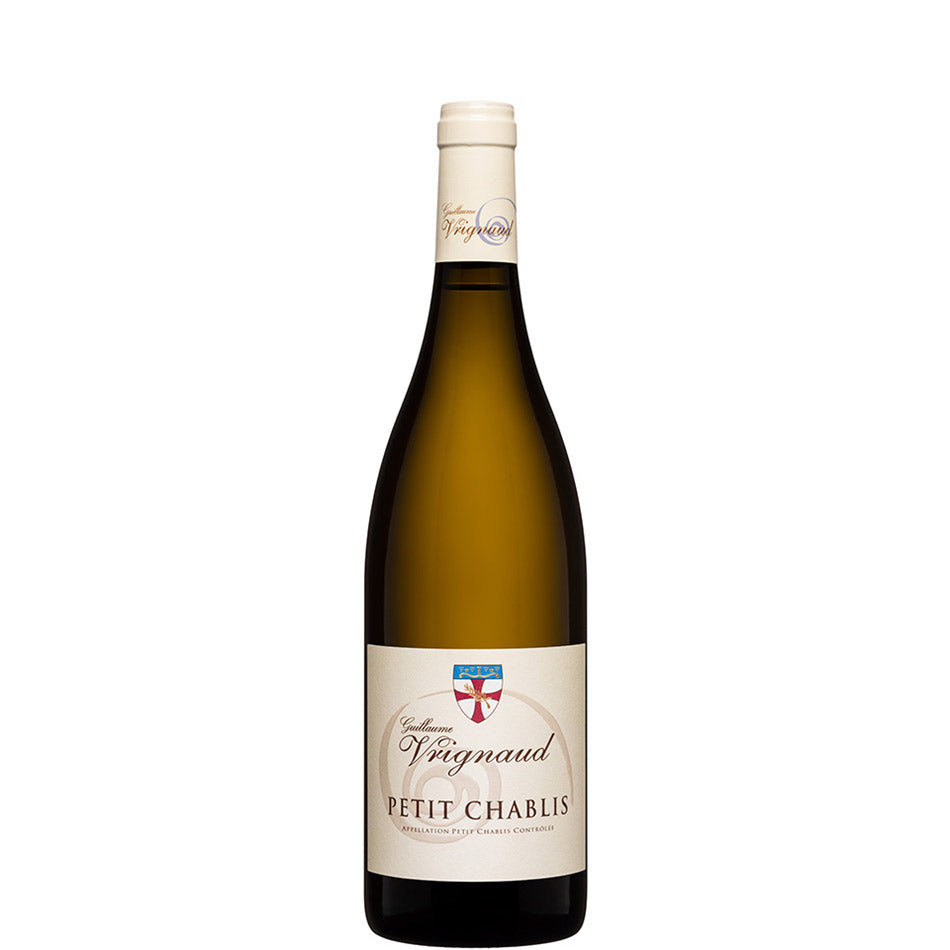
Petit Chablis, Domaine Vrignaud, 2022
Petit Chablis, Domaine Vrignaud, 2022
- 75cl
- 12%
- White Still
- Chardonnay
- Organic
Couldn't load pickup availability

Optimal drinking window: Now - 2029
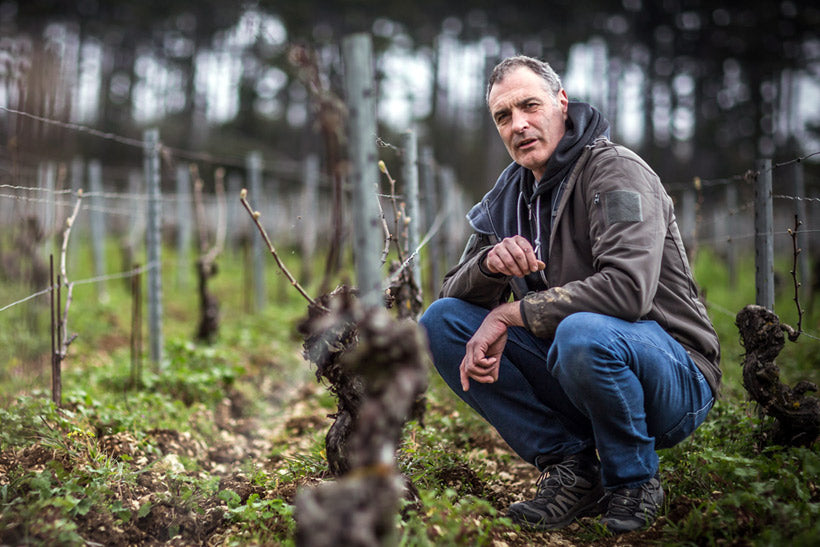
Domaine Vrignaud, spanning 29 hectares near Fontenay-près-Chablis, embraces a distinct Terroir approach, rooted in a deep appreciation for its heritage.
Recognising that every individual envisions Chablis uniquely, the estate's ethos revolves around safeguarding its legacy. This commitment extends to meticulously tending vines on both Portlandian and Kimmeridgian strata, including clones and selections from mass propagation, all under the umbrella of Organic Agriculture.
This 2022 is drinking beautifully now in its primary fruit phase, showing bright apple and citrus with clean mineral expression. Over the next year, expect the fruit to integrate further with the mineral backbone, developing subtle hints of honey and hazelnuts. By 2028, it will reach its plateau with more complex secondary flavours whilst retaining essential freshness. Start drinking soon as Petit Chablis is designed for pleasure rather than profound evolution.
Tasting Notes
AppearancePale gold with green highlights, crystal clear and bright.
NoseFresh green apple and lemon zest lead, followed by subtle wet stones and white flowers. There's a clean, almost saline quality that speaks to the limestone soils. No oak influence, just pure Chardonnay fruit and mineral backbone.
PalateLean and precise, with crisp green apple and citrus pith driving the flavour. The acidity is bright and cleansing, while subtle mineral notes add complexity without weight. There's a lovely tension between the fruit and the stony character that defines good Chablis.
FinishClean and mineral-driven, with lingering citrus zest and a distinctive oyster-shell salinity.
Overall impressionThis is textbook Petit Chablis: refreshing, mineral, and built for immediate pleasure rather than contemplation.
Food Pairings
In Burgundy, this would be the natural partner for escargots de Bourgogne, the garlic and parsley butter finding perfect balance with the wine's bright acidity and mineral backbone. Locals would also reach for it with andouillette de Troyes, the rich sausage needing Chablis's cleansing salinity, or simply with fresh Chaource cheese from nearby Champagne. Oysters from Belon or Marennes are the classic match, the wine's fossilised shell origins creating a perfect marriage with the briny shellfish.
We think this wine would go well with
Serve well-chilled at 8-10°C to emphasise the crisp acidity and mineral precision. No need to decant, though the wine benefits from a few minutes in the glass to open up. Use a traditional white Burgundy glass or a smaller bowl Chardonnay glass to concentrate the delicate aromatics. Don't over-chill as the minerality becomes muted below 8°C.
The vineyards sit on the classic Chablis geology of Portlandian and Kimmeridgian limestone, though at the less elevated sites typical of Petit Chablis. These ancient marine soils, rich in fossilised oyster shells, impart the characteristic mineral backbone and saline edge that defines authentic Chablis. The slightly warmer, more protected sites of Petit Chablis produce wines with immediate appeal whilst retaining that essential chalky precision.
Petit Chablis represents the entry point to authentic Chablis, grown on slightly warmer, less elevated sites than the grand crus and premiers crus that crown the hillsides. The appellation requires 100% Chardonnay and delivers the essential Chablis character of bright acidity and mineral precision, just with more immediate accessibility. Often dismissed unfairly, good Petit Chablis from committed producers like Vrignaud offers genuine Chablis DNA at a fraction of the cost of its more prestigious neighbours.
The 2022 growing season in Burgundy began with a worryingly dry spring that had vignerons checking soil moisture levels weekly, followed by a summer that alternated between intense heat and welcome rainfall. The vines handled the stress remarkably well, producing smaller berries with concentrated flavours, though yields dropped significantly across both the Côte d'Or and Chablis. Harvest began earlier than usual, with many producers picking in late August under bright skies.
What emerged from the cellars shows a vintage of surprising finesse given the challenging conditions. The Pinot Noirs display vivid fruit and firm tannins without the jammy weight you might expect from a hot year, whilst the Chardonnays retained their mineral backbone alongside ripe stone fruit flavours. We're finding the village-level wines particularly compelling right now, drinking beautifully with just a year or two of bottle age, though the premier and grand crus will reward patience until the late 2020s.
FAQs
What does this Petit Chablis taste like?
Crisp and mineral with green apple, citrus, and that classic Chablis chalky backbone. It's clean, bright, and refreshingly saline.
When should I drink this wine?
Perfect now until 2029. Petit Chablis is made for immediate pleasure rather than long cellaring.
What food pairs best with this wine?
Oysters are the classic match, but it's brilliant with goat's cheese, grilled fish, or anything that needs bright acidity to cut through richness.
How should I serve this wine?
Well-chilled at 8-10°C in a white Burgundy glass. No need to decant, just pour and enjoy.
Is this worth cellaring?
Not really. Petit Chablis shows best within 3-4 years of vintage, offering immediate charm rather than profound development.
How does this compare to regular Chablis?
It has the same mineral DNA but from slightly warmer sites, making it more immediately accessible with perhaps less intensity than premier or grand cru bottlings.
Explore related wines


-
-
Speak to one of our Wine Gurus
Speak to a Wine GuruWith years of experience, our team can help you with all your wine buying and selling needs