

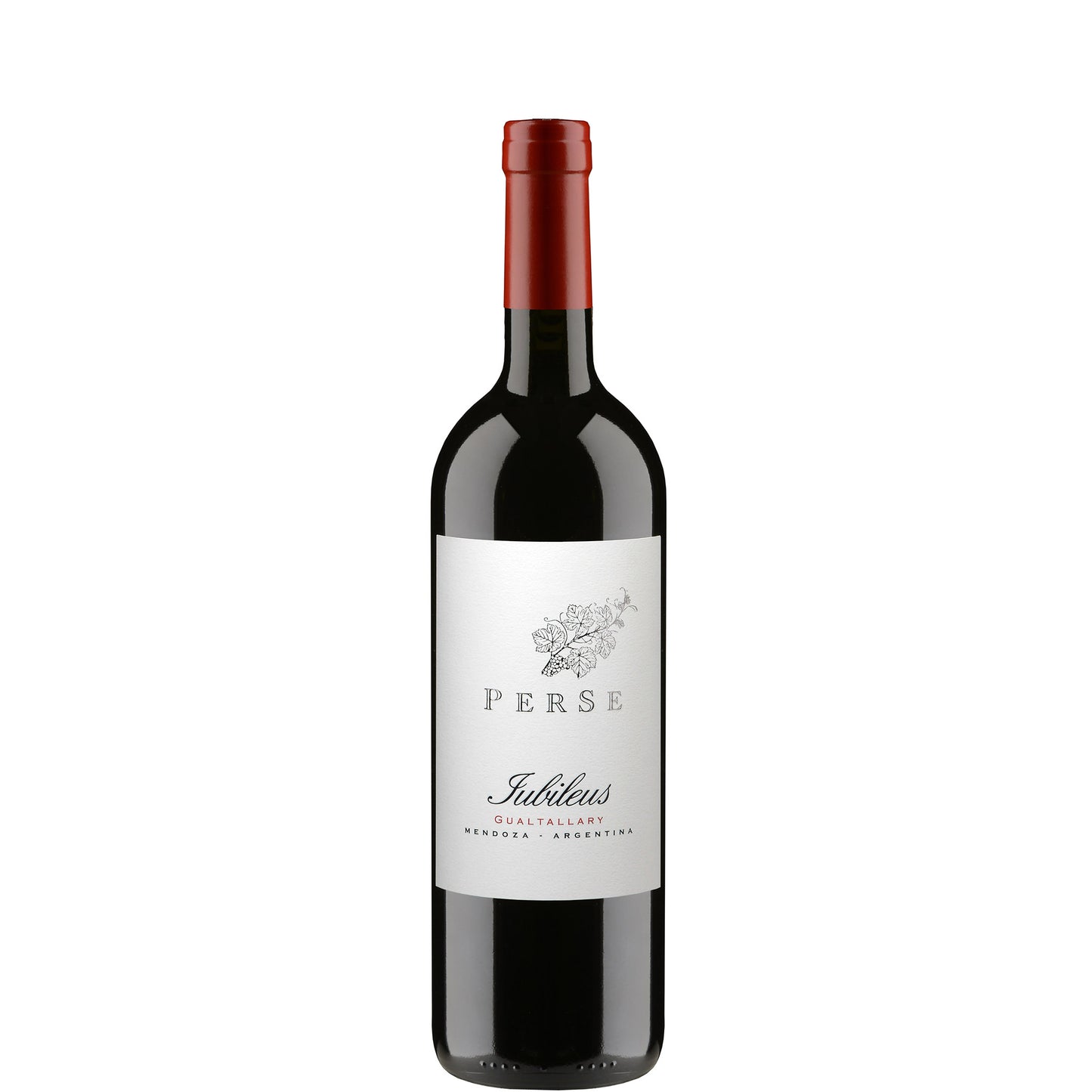
Perse Iubileus, 2016
Perse Iubileus, 2016
- 75cl
- 13%
- Red Still
- Malbec
- Organic
Couldn't load pickup availability

Optimal drinking window: Now - 2028
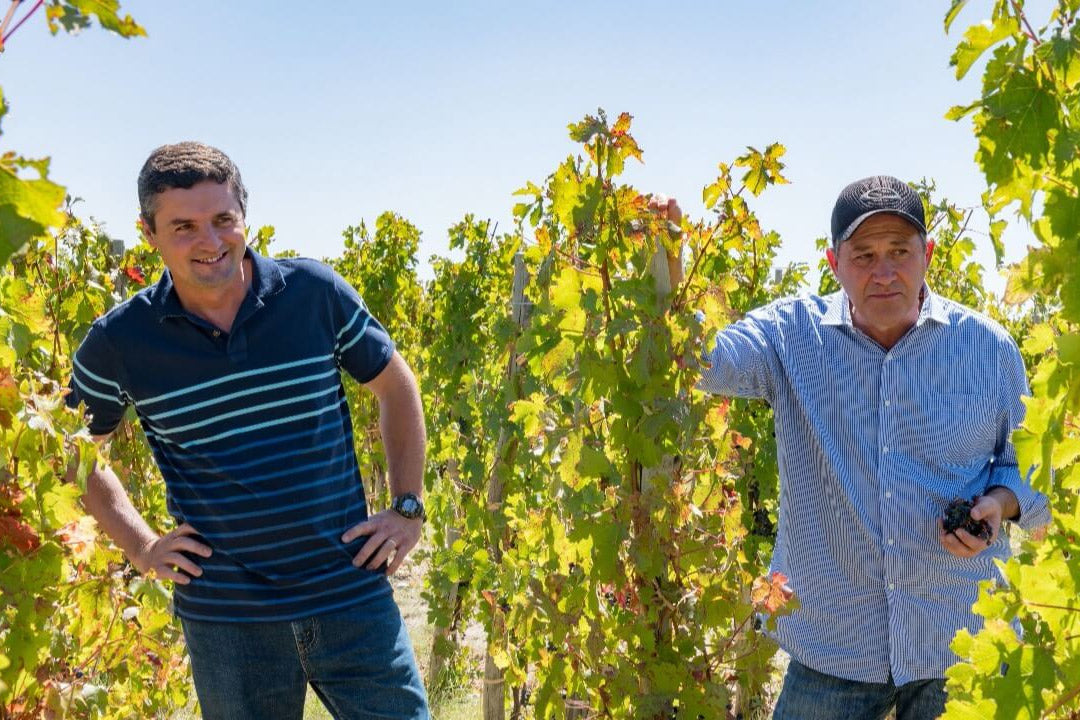
PerSe is the personal project of Edgardo (Edy) del Popolo and David Bonomi, two pioneers in the Argentine wine industry. The two met in 1995 while working together at a local winery and have since become leading figures in Argentina’s wine scene. David is one of the most knowledgeable oenologists in the Uco Valley, with extensive experience across the region, from Altamira in the south to Gualtallary in the north. Edy, who grew up in Mendoza’s vineyards, studied oenology and agronomy and has worked with some of Argentina’s most renowned estates.
Their vineyards are in Gualtallary, a high-altitude region in Tupungato, Uco Valley, where they cultivate small plots of just 0.2-0.5 hectares at around 1,300 meters above sea level. The high altitude creates cooler day and night temperatures, averaging 3-6°C lower than in Mendoza city, which allows only certain plots to produce the exceptional quality of grapes they seek.
At ten years old, Iubileus 2016 is still very much a wine in progress — the tannins are fine but present, and the fruit is precise rather than fully integrated. Between now and 2030 it will begin to show more of the secondary complexity it is clearly capable of: dried flowers, iron, dark olive, a touch of leather. The plateau, we suspect, sits somewhere between 2028 and 2035, when everything will have knitted together into something genuinely compelling. Beyond 2035 there is a question mark — the relatively modest alcohol and the cooler vintage character mean it may not have quite the structural reserves of the 2015, so patience is warranted but patience with a deadline is wiser still.
What the critics say:
"Cropped from a cooler and wetter year, the 2016 Iubileus saw an even smaller crop than the 2015 vintage and resulted in only 750 bottles produced. This wine is always produced in a similar fashion, with the Malbec and Cabernet Franc fermented separately (Malbec represents the majority of the blend) and aged in used French oak barrels for some 16 months before being bottled unfiltered. It's fresher, lighter and more ethereal than the 2015. It feels young, tender and more delicate, with a super elegant texture, finer tannins and a sensation of higher freshness and more acidity. It was bottled in October 2017. 2016 shows the elegance and subtleness of Malbec."
Tasting Notes
AppearanceDeep ruby with a translucent, fine-boned edge — lighter than the vintage might suggest, and all the more intriguing for it.
NoseDark cherry, dried violet, and a cool iron-and-graphite thread that immediately tells you this is Gualtallary at altitude. There is nothing blowsy here — the fruit is precise and a little restrained, like a word whispered rather than spoken aloud. A faint cedar note from the used French oak sits quietly in the background, adding texture without announcing itself.
PalateSilky, fine-grained tannins carry the wine with a lightness that is genuinely striking for Malbec at this level. The Cabernet Franc adds a lifted, almost floral backbone and a cool herbal thread that keeps everything fresh. Acidity is live and well-defined — this does not rely on weight to make its point.
FinishLong, mineral, and persistent, with a cool stony quality that lingers well after the fruit has faded.
Overall impressionA genuinely ethereal Argentine red — this is the antithesis of the blockbuster style, and better for it.
Food Pairings
In Mendoza, a wine like this would sit perfectly alongside a slow-roasted kid goat — cabrito al horno — where the lean, herb-scented meat mirrors the wine's own cool herbal thread. Empanadas tucumanas, filled with spiced beef and hard-boiled egg, are a Friday-night staple in Argentine households and would make an excellent, unfussy partner. Locally, asado is unavoidable, but for Iubileus we would steer toward the more delicate cuts — a whole rack of lamb cooked over embers, with nothing more than salt and wood smoke, lets the wine's elegance breathe. A wedge of aged Reggianito or Sardo cheese at the end of the meal would not go amiss either.
We think this wine would go well with
Serve at around 16-17°C — any warmer and you risk softening the precision that makes this wine special. It rewards decanting, but an hour is plenty; this is not a wine that needs to be coaxed open, more gently woken up. Use a medium-to-large Burgundy-style bowl, which will coax out the floral and mineral detail without diffusing the structure. Given the 750-bottle production, handle the bottle carefully before opening to avoid disturbing any sediment.
PerSe's vineyards sit in Gualtallary, the highest and most northerly subzone of the Uco Valley, at around 1,300 metres above sea level. The altitude brings a significant diurnal temperature swing — days are warm and intense, nights are cold enough to lock in acidity and push the vines toward concentration without heaviness. Soils here are predominantly limestone-rich and alluvial, giving the wines a mineral edge that separates Gualtallary Malbec from the rounder, plusher styles made lower down the valley. It is this combination of cold nights, lean soils, and altitude that produces grapes with real structural tension rather than sheer weight.
Gualtallary sits within Tupungato, in the northern Uco Valley of Mendoza, and has become Argentina's most talked-about high-altitude wine zone over the past two decades. There is no formal AOC or DO system in Argentina beyond the broad GI of Mendoza, but Gualtallary has earned an informal reputation akin to a premier cru address — growers here include Zuccardi, Achaval Ferrer, and Clos de los Siete, all chasing the same cool-climate precision the altitude affords. What distinguishes it from neighbours like Altamira to the south is a cooler, windier character and soils with more limestone influence, producing Malbec that leans into elegance rather than opulence. The 2016 vintage brought cooler, wetter conditions than average, which made Gualtallary's natural freshness even more pronounced.
The 2016 vintage in Mendoza caught many producers off guard with its unpredictable rhythm. After a notably warm December that had everyone fretting about early ripening, January brought cooler temperatures and much-needed rain that reset the clock beautifully. The harvest stretched longer than usual, with Malbec picked well into April under ideal conditions. What looked like it might be a challenging vintage turned into something rather special once winemakers adjusted their expectations.
We find 2016 Mendoza wines showing remarkable freshness for what was initially expected to be a warm year vintage. The Malbecs have lovely lifted aromatics and genuine minerality, whilst the Cabernet Sauvignon shows impressive structure without the heaviness that can plague hot vintages. Most bottles are drinking superbly now, having shed their initial tannins, and the best examples should cellar happily until 2028. This vintage rewards patience in the cellar but doesn't demand it.
FAQs
What does Iubileus 2016 taste like?
This is Malbec at its most precise and restrained. Dark cherry, dried violet, iron, and graphite dominate, with a silky texture and live acidity that keeps the wine feeling fresh and lifted. The Cabernet Franc in the blend adds a cool herbal thread and floral backbone. It is the opposite of the big, plush Argentine Malbec stereotype.
When should I drink this wine?
It is approachable now if handled carefully, but it is still finding itself. We would suggest waiting until 2028 for a first serious bottle, with the sweet spot running until around 2035. The 2016 vintage was cooler and fresher than 2015, so do not push it much beyond that window.
How should I serve it?
Serve at 16-17°C in a medium Burgundy-style bowl. Decant for an hour before serving — it does not need much encouragement, but a little air lifts the floral and mineral detail considerably.
What food works best with this wine?
Lean, herb-scented roasted meats are ideal — lamb, kid goat, or a fine cut from the asado. The wine is too precise and structured for heavy, sauce-rich dishes. Aged hard cheese at the end of a meal is also a very good match.
Is this wine worth cellaring?
Absolutely, with caveats. Only 750 bottles were produced, so every one matters. The wine has the structure and acidity to develop, and it will reward patience between 2028 and 2035. Beyond that, the relatively cool vintage character means it may not outlast the more powerful 2015 Iubileus, so plan accordingly.
How does this compare to the 2015 Iubileus?
The 2016 is the more ethereal, delicate of the two. A cooler, wetter growing season produced an even smaller crop and a wine that is lighter, fresher, and more nervy than the 2015. Think of it as the more introspective sibling — less immediate power, more quiet intensity.


What are you looking for tonight? Tell me the occasion, a grape, a region — or just try a suggestion below.
Your recommendations will appear here.
-
-
Speak to one of our Wine Gurus
Speak to a Wine GuruWith years of experience, our team can help you with all your wine buying and selling needs