

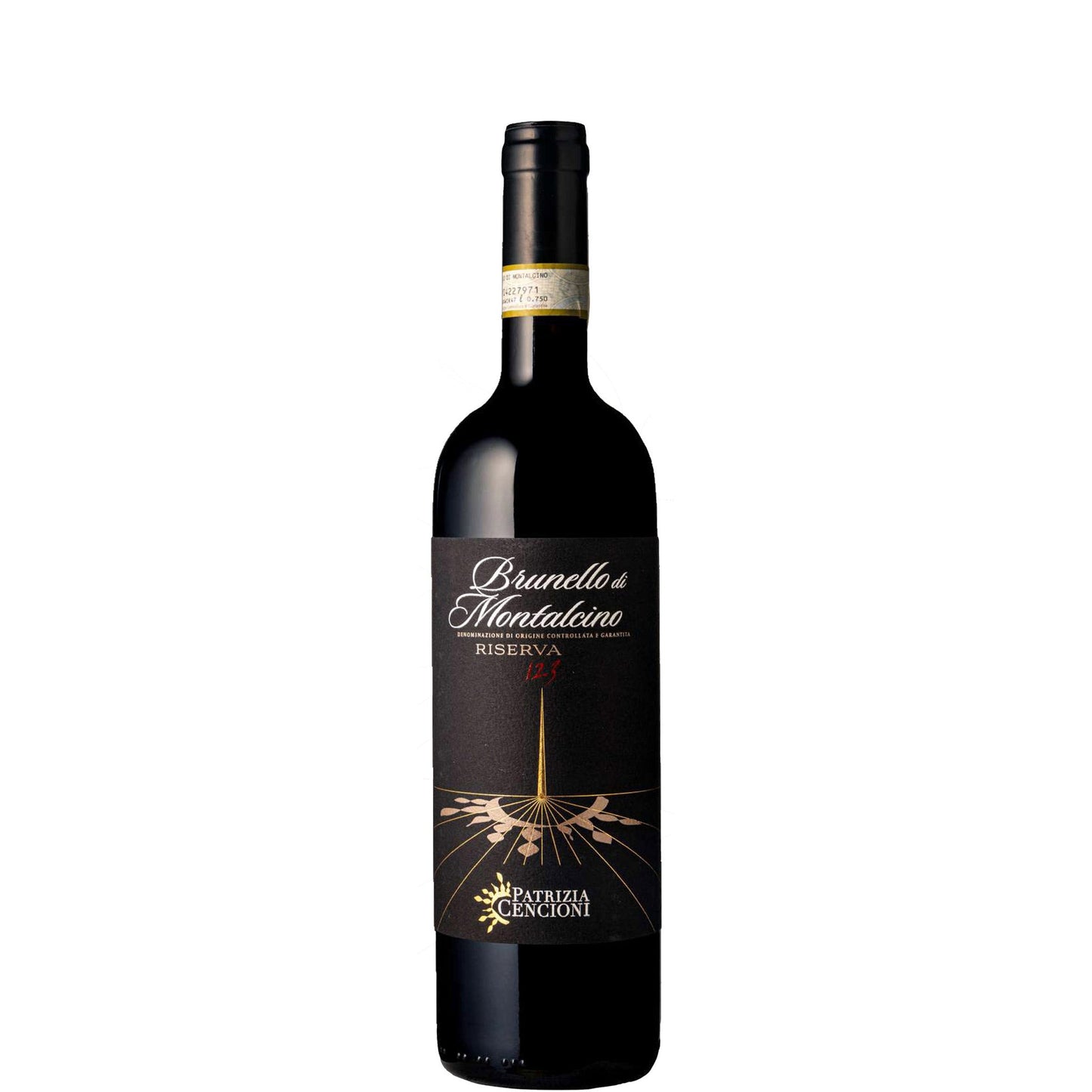
Patrizia Cencioni, Solaria 123 Brunello di Montalcino Riserva, 2016
Patrizia Cencioni, Solaria 123 Brunello di Montalcino Riserva, 2016
- 75cl
- 14.5%
- Red Still
- Sangiovese
Couldn't load pickup availability

Optimal drinking window: Now - 2035
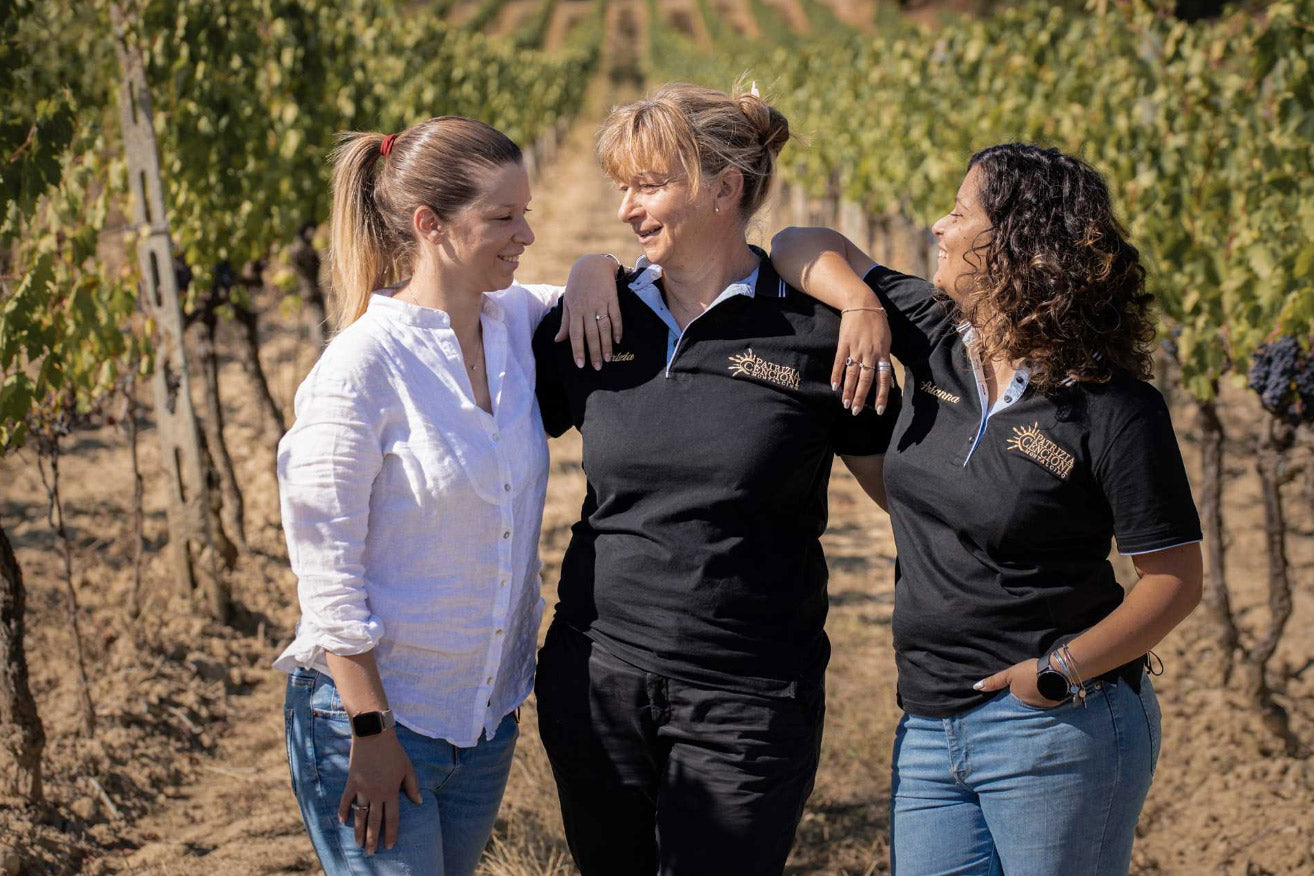
This female star-studded cast of winemakers is an admirable family-run operation that dates back to 1989 when life force of the estate, Patrizia, decided she wanted to make Brunello.
What was once a deteriorating property is now a winery buzzing with life and passion. Beyond the hectares of land freckled with olive groves are Sangiovese vines dedicated to producing Brunello di Montalcino. They aim for the highest quality, with all vineyards meant for Brunello production, whilst they also produce a hidden gem Rosso here that is effectively a "baby Brunello" for early drinking.
The vineyards can be found in the southeast at a high altitude with soil composed of volcanic rock and compacted clay (or Galestro). They are harvested by hand and then fermented with indigenous yeasts.
What the critics say:
"The 2016 Brunello di Montalcino Riserva Selection 123 is darkly alluring yet youthfully backward and reserved, presenting a smoky yet nuanced mix of sour cherries offset by dried citrus peels, lavender and rose. This is savory and salty in character, with silky textures that wash dark fruits across the palate, as a mix of saline-minerals and tart currant adds tension toward the close. Its tannins are rounded yet make an impact, as residual acids help to enliven the wild berry fruits and purple-tinged inner florals that resonate on. The 2016 needs time in the cellar to fully unwind, but it will be worth waiting for."
"A solid and rather big 2016 with a full body, dense yet polished tannins and a long, flavorful finish. Plenty of cherry, berry and black-walnut flavors. Better in 2024."
Tasting Notes
AppearanceDeep ruby with a garnet heart and a rim that hints at the wine's composure rather than its age.
NoseSour cherry, dried citrus peel, and a whisper of smoke open things up, then lavender and dried rose petals drift through. There is something almost meaty and saline underneath — brooding, restrained, and clearly still coiled.
PalateSilky in texture but serious in intent: dark fruits wash across the palate before a saline, mineral edge pulls everything taut. The tannins are rounded but present, and the acidity is alive enough to carry wild berry fruit and those purple floral notes well past the mid-palate.
FinishLong, tart, and mineral, with currant and dried flowers resonating well after the glass is set down.
Overall impressionA wine that is clearly exceptional but not yet fully itself — patience here is not a suggestion, it is the whole point.
Food Pairings
Around Montalcino, a Brunello Riserva like this would sit across the table from a thick-cut Florentine T-bone — bistecca alla Fiorentina — cooked over wood and finished with nothing more than salt and olive oil. The locals also pair it with wild boar slow-braised in red wine, cinghiale in umido, which matches the wine's savouriness perfectly. Pici al ragù, the hand-rolled thick pasta typical of southern Tuscany, with a slow-cooked meat sauce, is another natural companion. Aged Pecorino di Pienza, firm and slightly sharp, works surprisingly well if you want to take it in a different direction.
We think this wine would go well with
Serve at 17 to 18°C — any warmer and the alcohol starts to dominate. Decant for at least two hours; this wine is still quite closed and needs the air to begin opening up. A large-bowled Burgundy-style glass will help coax the aromatics out. If you are drinking it before 2030, be prepared to meet it halfway.
Solaria's vineyards sit in the southeast of Montalcino at relatively high altitude, where volcanic rock meets compacted Galestro clay. That combination of heat-retaining rock and well-draining clay is a big part of why these wines carry such mineral tension alongside their ripe fruit. The altitude brings cool nights that preserve acidity and keep the aromatics lifted. Hand-harvesting and indigenous yeast fermentation allow the site to speak without interference.
Brunello di Montalcino is Tuscany's most age-worthy appellation, built entirely on Sangiovese Grosso — locally called Brunello — and subject to some of Italy's strictest production rules. Riserva wines must spend at least six years in total before release, including extended oak ageing, which is why bottles like this are only now arriving on shelves nearly a decade after harvest. The appellation sits on a hill south of Siena, where microclimates vary dramatically between north and south slopes, producing wines of genuine diversity under a single name. It is a world apart from its neighbour Rosso di Montalcino, which draws on the same grape but is built for earlier pleasure.
The 2016 growing season in Tuscany delivered exactly what winemakers dream about: a long, dry summer that allowed grapes to ripen slowly and steadily without the usual late-season rainfall dramas. We saw relatively mild temperatures throughout the harvest period, which stretched into October for many producers, giving them the luxury of picking each parcel at perfect ripeness. The result was healthy fruit with excellent concentration but without the jammy overripeness that can plague hotter vintages.
What emerged from the cellars shows Tuscany at its most balanced and food-friendly. The Sangiovese has that brilliant combination of bright cherry fruit and earthy backbone that makes Chianti so irresistible at table, while the international varieties like Cabernet Sauvignon and Merlot in the Super Tuscans show remarkable freshness alongside their power. These wines are drinking beautifully now—we find them more immediately approachable than some of the more structured vintages—but the best examples have the structure to age gracefully for another decade or more.
FAQs
What does this wine taste like?
Dark cherry and dried citrus peel lead, with lavender, dried rose, and a smoky, saline edge that gives it real tension. The texture is silky but the structure is serious — this is Brunello at its more brooding end, built as much on mineral precision as on fruit.
When should I drink this wine?
It is approachable now with a good two-hour decant, but if you can bear to wait, the wine is still unwinding, and it will be more expressive from around 2027. It should hold comfortably until 2035.
Is it worth cellaring?
Absolutely. This is a Riserva from one of Brunello's most consistent small producers, from the excellent 2016 vintage — a year widely regarded as one of the finest of the decade. The structure and acidity are both intact and built for the long haul.
What food should I pair it with?
Bistecca alla Fiorentina is the classic match — big flavours need big wines. Slow-braised wild boar, rich meat ragù over pici pasta, or aged Pecorino are all equally at home here. Avoid anything too delicate; this wine will simply overwhelm it.
How should I serve it?
Serve at 17 to 18°C in a large-bowled glass, and decant for at least two hours. If you are opening it before 2029, give it every advantage you can — it needs the air and the space to open up properly.
What makes the 2016 vintage special?
2016 is widely considered one of the great recent vintages in Montalcino: a warm, dry growing season with well-timed rainfall produced wines of exceptional concentration and freshness. The acidity is intact, the tannins are ripe and structured, and the best bottles have the architecture to age for decades.
Explore related wines


What are you looking for tonight? Tell me the occasion, a grape, a region — or just try a suggestion below.
Your recommendations will appear here.
-
-
Speak to one of our Wine Gurus
Speak to a Wine GuruWith years of experience, our team can help you with all your wine buying and selling needs