

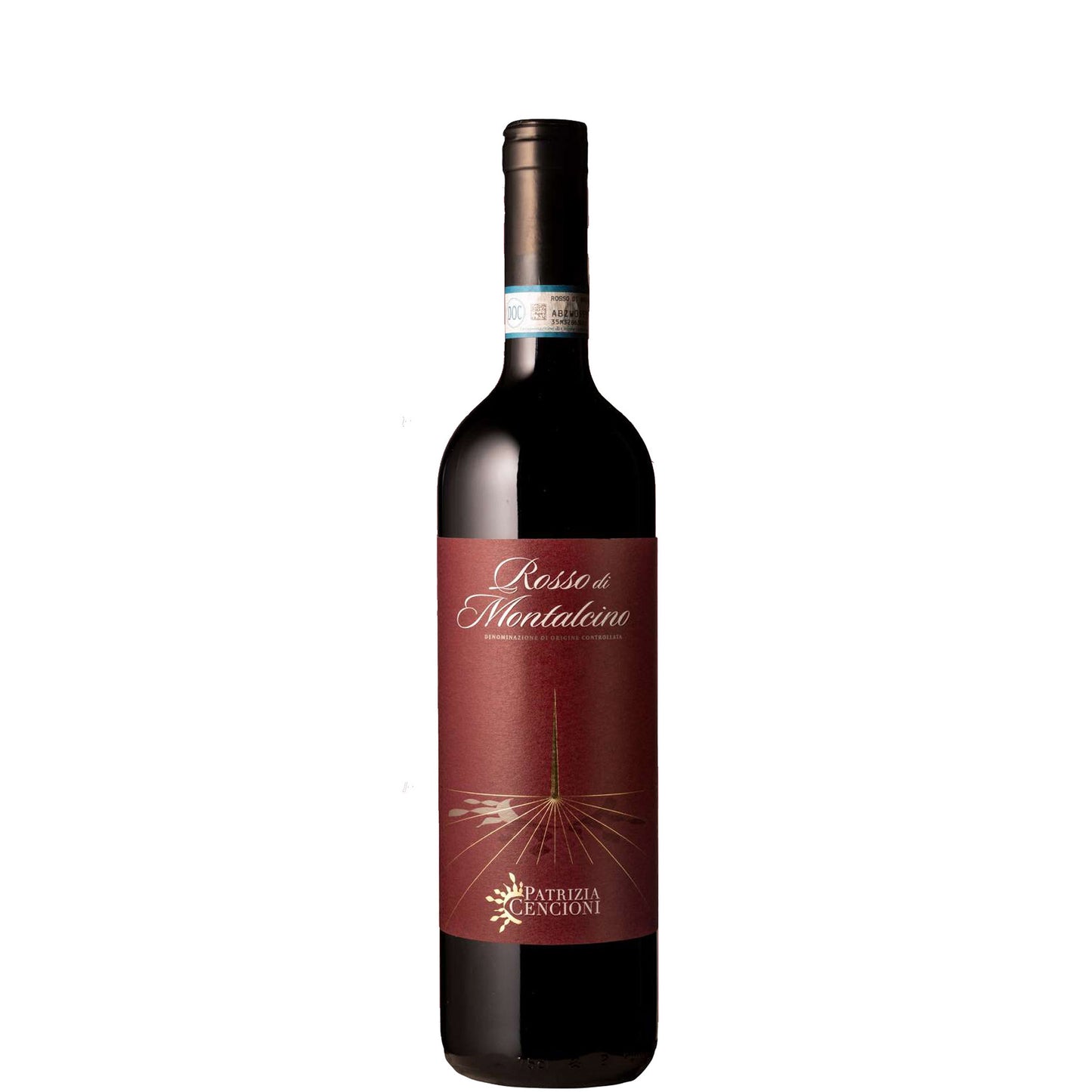
Patrizia Cencioni, Rosso Di Montalcino, 2021
Patrizia Cencioni, Rosso Di Montalcino, 2021
- 75cl
- 13.5%
- Red Still
- Sangiovese
Couldn't load pickup availability

Optimal drinking window: Now - 2028
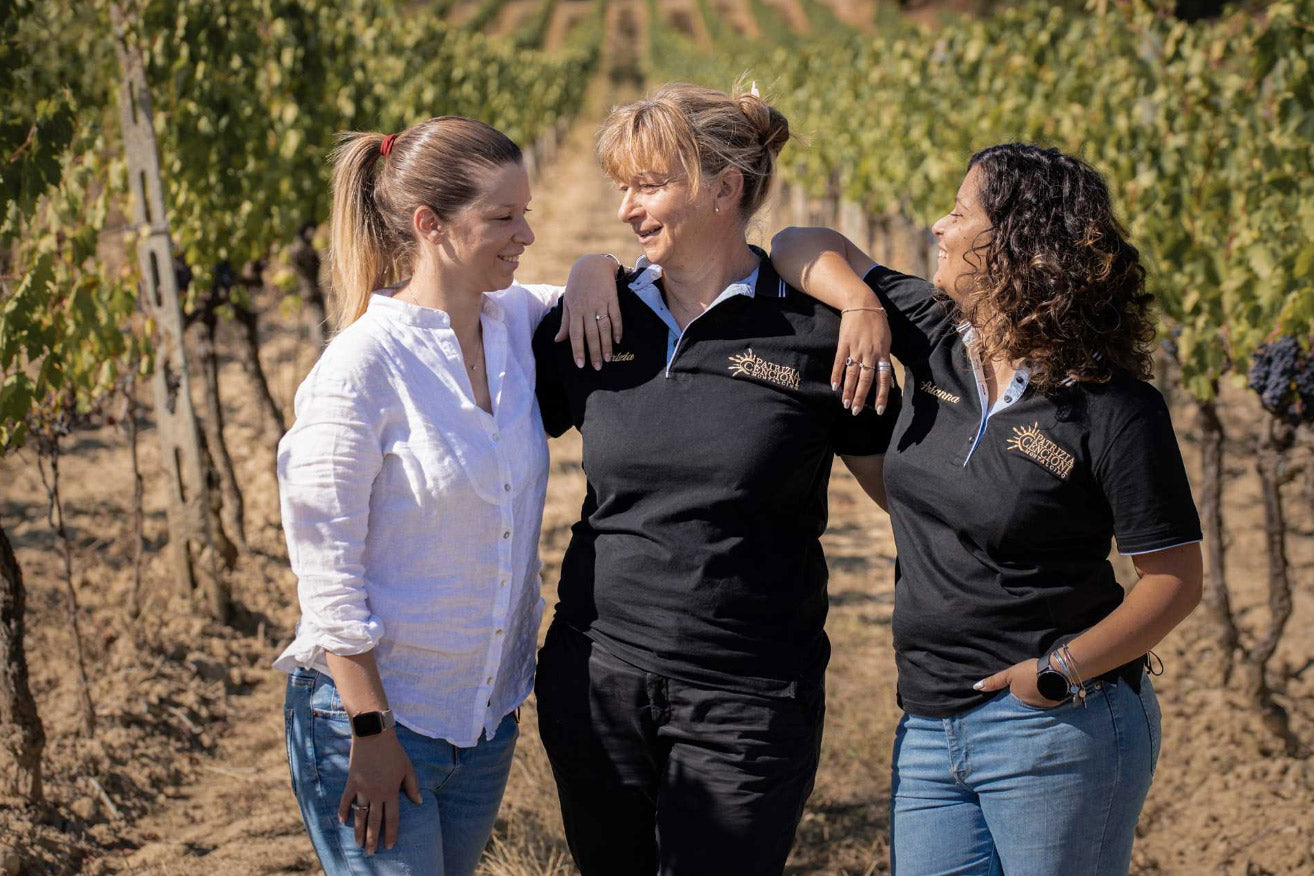
This female star-studded cast of winemakers is an admirable family-run operation that dates back to 1989 when life force of the estate, Patrizia, decided she wanted to make Brunello. What was once a deteriorating property is now a winery buzzing with life and passion. Beyond the hectares of land freckled with olive groves are Sangiovese vines dedicated to producing Brunello di Montalcino.
They aim for the highest quality, with all vineyards meant for Brunello production, whilst they also produce a hidden gem Rosso here that is effectively a "baby Brunello" for early drinking. The vineyards can be found in the southeast at a high altitude with soil composed of volcanic rock and compacted clay (or Galestro). They are harvested by hand and then fermented with indigenous yeasts.
The 2021 is drinking beautifully now with its primary raspberry and cherry fruit at their most expressive. Secondary complexity will have started emerging – dried herbs, leather, and forest floor – as the wine reaches its peak drinking window. Beyond 2028, the fruit will begin to fade whilst the earthy, mineral components dominate, though it will remain pleasant rather than decline sharply.
What the critics say:
"The 2021 Rosso Di Montalcino is a gorgeous wine with supple perfume, raspberry liqueur, sweet herbs, and pressed flowers. It is ripe with cherry candy and dusty earth as well as fine tannins and a clean finish. It remains fresh without any harsh edges and offers fine-grained tannins and a silky mouthfeel. This is a highly pleasurable and easy-drinking style to enjoy over the next 5-6 years."
Tasting Notes
AppearanceMedium ruby with garnet hints at the rim, showing the wine's elegant intensity.
NoseSupple perfume of raspberry liqueur and pressed flowers opens to reveal sweet herbs and a touch of cherry candy. There's an underlying dusty earthiness that speaks to the volcanic terroir, with subtle spice notes adding complexity.
PalateThe mouthfeel is gloriously silky with fine-grained tannins that coat rather than grip. Fresh cherry and raspberry flavours mingle with dusty earth and dried herbs, maintaining freshness without any harsh edges. The texture is both supple and structured.
FinishClean and persistent with lingering cherry fruit and a whisper of mineral dust.
Overall impressionA highly pleasurable wine that captures Montalcino's character in an immediately approachable style.
Food Pairings
In Montalcino, this would naturally accompany wild boar ragu with pici pasta, the hand-rolled local specialty that perfectly catches the rich sauce. Grilled Chianina beef, raised on the rolling hills nearby, makes an ideal match for the wine's earthy tannins and cherry fruit. Local pecorino cheese aged in the region's caves would complement the wine's mineral backbone, whilst panzanella made with day-old Tuscan bread celebrates the pairing of rustic simplicity with refined winemaking. Even something as humble as ribollita, the twice-cooked vegetable soup, finds harmony with this wine's generous yet structured character.
We think this wine would go well with
Serve at 16-17°C – cool enough to preserve freshness but warm enough to express the fruit and earth complexity. No need to decant unless you want to show off; this wine is ready to pour and enjoy immediately. Use a medium-sized Burgundy glass to concentrate the aromatics whilst allowing the wine to breathe naturally in the glass. If you do choose to decant, 30 minutes is plenty – any longer risks losing the wine's youthful charm.
The vineyards sit in southeast Montalcino at high altitude, planted on a distinctive mix of volcanic rock and compacted clay called galestro. This combination provides excellent drainage while retaining enough moisture for the vines, creating ideal conditions for Sangiovese. The elevation brings diurnal temperature variation that preserves acidity and develops complex aromatics, whilst the volcanic soils contribute mineral backbone and the galestro adds structure and longevity.
Rosso di Montalcino is effectively Brunello's younger sibling – made from the same Sangiovese grapes in the same territory, but with more relaxed aging requirements. Where Brunello must age for at least two years in oak and three years total before release, Rosso can be released after just one year. This makes it more approachable in youth whilst still capturing Montalcino's distinctive character. Many producers use it as an early-drinking expression of their house style, or declassify parcels that don't quite make the Brunello cut.
Tuscany's 2021 growing season began with a soggy spring that had growers muttering into their espressos, followed by a summer that swung between scorching heat and welcome August rains. The real drama came at harvest time when many producers had to pick fast and choose wisely, dancing around September downpours that separated the meticulous from the merely hopeful. Those who waited too long paid the price, but the estates that timed it right caught fruit with lovely ripeness and crucially intact acidity.
What emerged feels like Tuscany with its shirt sleeves rolled up — wines that are more approachable and less brooding than the powerhouse vintages we've grown used to. The Sangiovese shows bright red fruit and genuine charm rather than the dense, muscular character of recent years, whilst the international varieties like Cabernet Sauvignon and Merlot retained surprising freshness despite the heat. We're finding these wines drink beautifully now with a few years of bottle age, though the best Chiantis and Super Tuscans will happily cellar for another decade if you can resist them that long.
FAQs
What does this wine taste like?
Raspberry liqueur and cherry candy with dusty earth, wrapped in silky tannins. Think of it as baby Brunello – all the character but ready to drink now.
When should I drink this wine?
It's perfect now until 2032. No need to cellar – this is designed for immediate pleasure whilst retaining enough structure to age gracefully.
What food pairs well with this wine?
Wild boar ragu, grilled beef, aged pecorino, or even hearty vegetable soups. It's versatile enough for both rustic and refined dishes.
Should I decant this wine?
Not necessary, though 30 minutes in a decanter won't hurt if you want to show it off. It's ready to pour and enjoy straight from the bottle.
How does this compare to Brunello?
Same grapes, same region, but aged for less time making it more approachable. Think of it as Brunello's charming younger sibling – less serious but equally authentic.
What temperature should I serve this?
16-17°C is ideal – cool enough to stay fresh but warm enough to express all those lovely earth and fruit flavours that make Montalcino special.
Explore related wines


What are you looking for tonight? Tell me the occasion, a grape, a region — or just try a suggestion below.
Your recommendations will appear here.
-
-
Speak to one of our Wine Gurus
Speak to a Wine GuruWith years of experience, our team can help you with all your wine buying and selling needs