

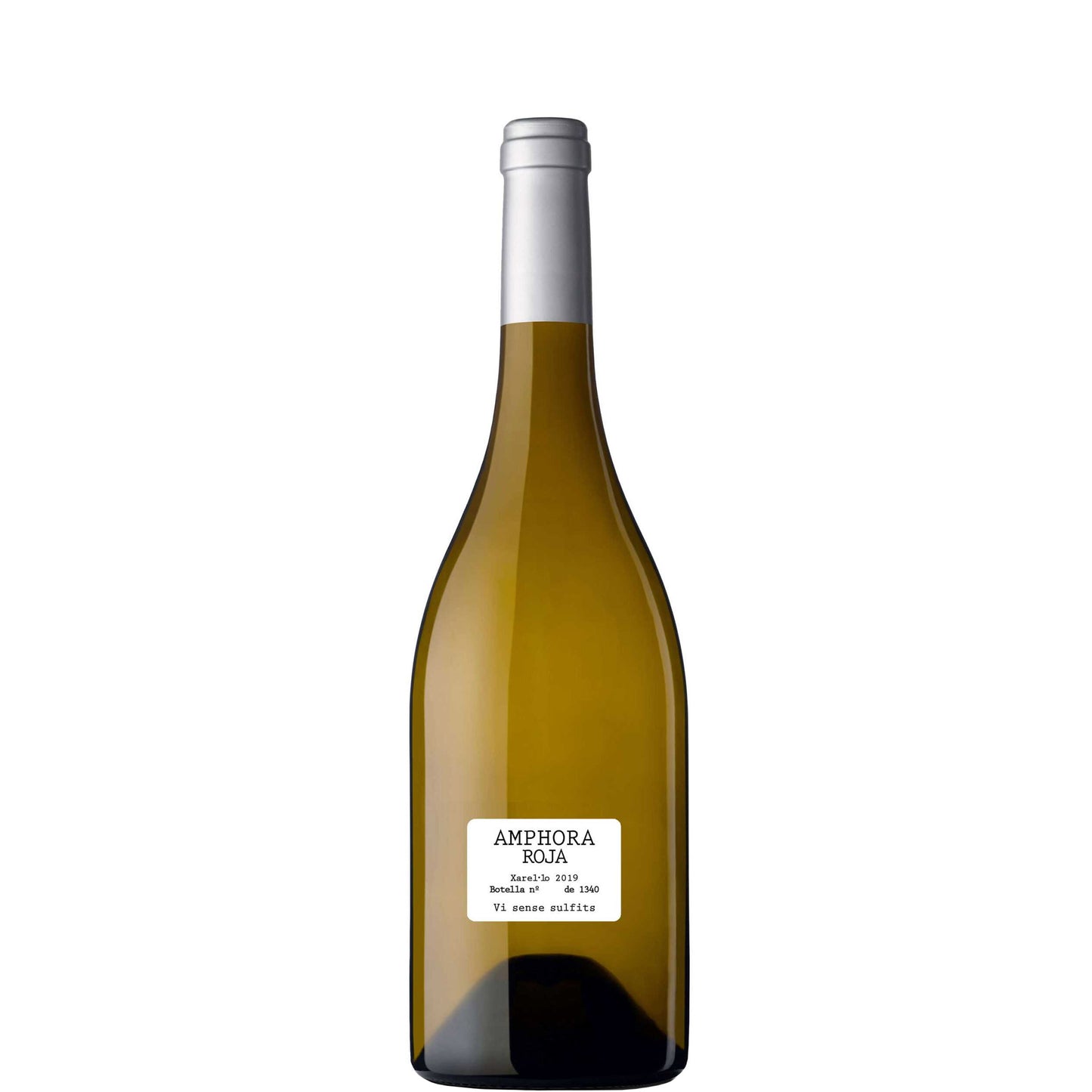
Parés Baltà, Amphora, 2022
Parés Baltà, Amphora, 2022
- 75cl
- 12%
- White Still
- Xarel-lo
- Organic
- Biodynamic
- Vegetarian
- Vegan
Couldn't load pickup availability

Optimal drinking window: 2026 - 2030
The organic and biodynamic Amphora offers a rich and textured experience with layers of white fruit, honey, and a touch of minerality. Pair it with roasted vegetables and seafood dishes to complement the wine's minerality and acidity.
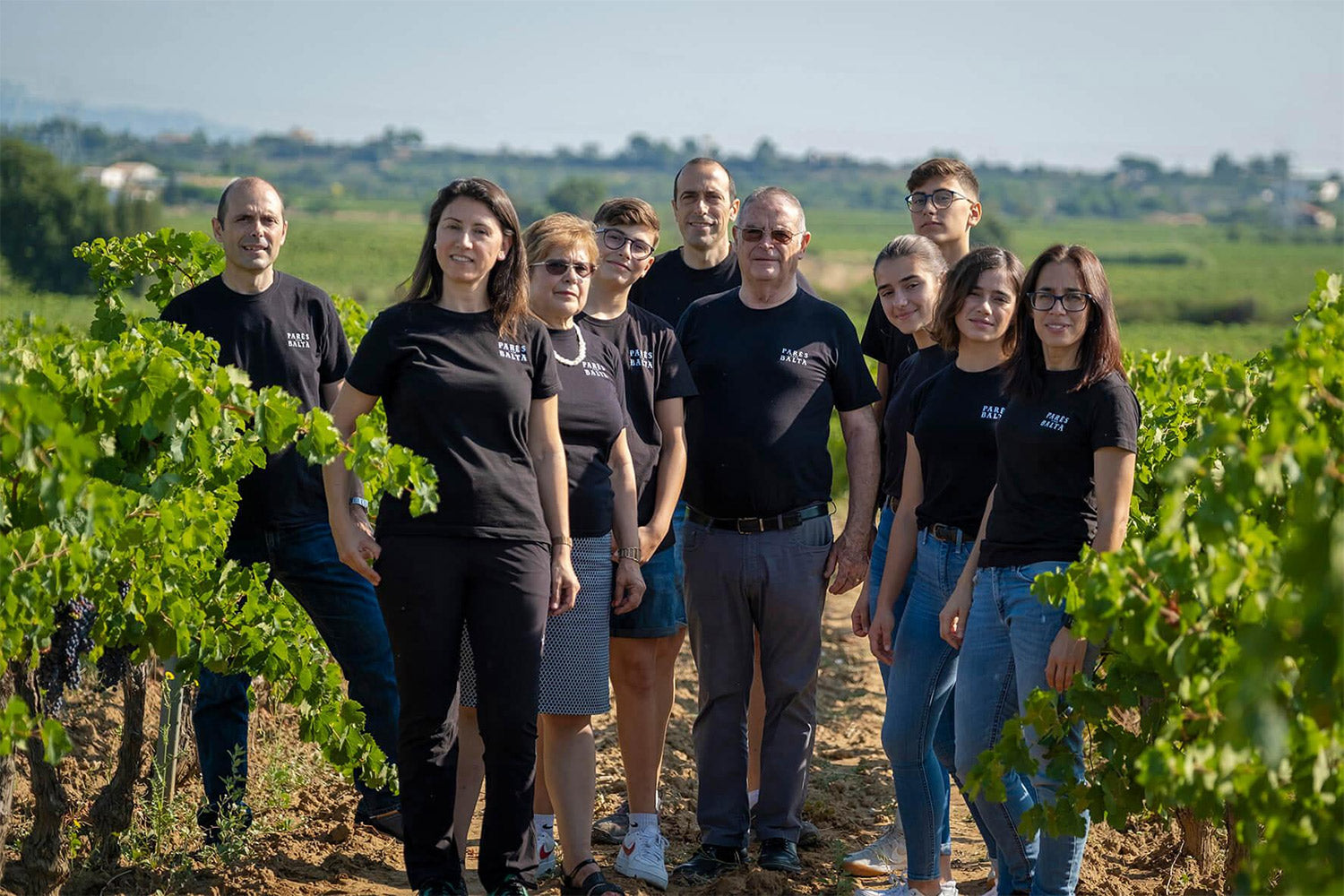
Parés Baltà's rich history dates back to 1790, when its first vineyards were planted in Penedès, Catalonia. These historic vineyards, which still surround the estate's manor house, have been managed by the Cusiné family for three generations. María Elena and Marta, the wives of Joan and Josep Cusiné, have overseen the estate’s winemaking for more than 20 years.
This 2022 is drinking beautifully now, with the primary fruit still vibrant but well-integrated with the amphora influence. Over the next two years, expect the honey and mineral characters to become even more pronounced whilst maintaining that lovely freshness. The wine should hold its peak until 2030, after which the fruit may start to fade whilst the earthy, mineral qualities become more dominant.
Tasting Notes
AppearancePale gold with a slight amber tinge from the amphora influence.
NoseWhite peach and pear emerge first, followed by acacia honey and a distinctive mineral quality. There's a subtle herbal note and the faintest whisper of orange blossom that speaks to the Mediterranean setting.
PalateThe texture is immediately apparent—rich and almost creamy, with the amphora lending weight without heaviness. Stone fruit flavours meld with honey and a saline minerality that builds through the mid-palate. The acidity keeps everything fresh and focused.
FinishLong and mineral-driven with a gentle honeyed warmth that lingers.
Overall impressionA fascinating marriage of ancient technique and modern precision that showcases Xarel·lo's potential beyond sparkling wine.
Food Pairings
In Catalonia, this style of textured white would traditionally accompany the region's wonderful seafood—grilled langostinos, salt cod fritters, or the classic suquet de peix. The locals would also pair it with escalivada, those smoky roasted vegetables that echo the wine's earthy amphora character. During festivals, you might find it alongside pa amb tomàquet and jamón ibérico, the wine's minerality cutting through the rich, salty flavours beautifully.
We think this wine would go well with
Serve slightly warmer than most whites—around 12-14°C—to let that honeyed texture really show. No need to decant, but do give it time to open in the glass. A larger bowl glass will help the complex aromatics develop, and don't be afraid to let it warm up as you drink.
The estate's vineyards sit in the heart of Penedès at moderate altitude, benefiting from Mediterranean warmth tempered by cooling Atlantic influences. The calcareous clay soils provide excellent drainage whilst retaining enough moisture for the vines during hot summers. This terroir naturally produces wines with the mineral backbone that amphora ageing enhances rather than masks.
Penedès is Catalonia's most dynamic wine region, famous for Cava but increasingly recognised for still wines that blend indigenous varieties with international grapes. The DO regulations are relatively liberal, allowing winemakers like Parés Baltà to experiment with ancient techniques whilst maintaining the region's reputation for innovation. It sits between the coastal plains and inland mountains, creating diverse microclimates perfect for both sparkling and still wine production.
Catalonia's 2022 vintage delivered one of those seasons that kept growers on their toes from start to finish. The year began promisingly enough, but summer brought intense heat and drought that tested even the most experienced hands in regions like Penedès and Priorat. Harvest came early across the board, with many producers picking weeks ahead of their usual schedule to preserve freshness and avoid the relentless August sun.
What emerged from the cellars shows remarkable concentration and power, though the best producers managed to retain the brightness that makes Catalonian wines so food-friendly. The indigenous varieties particularly shone: Garnacha from the higher altitude sites in Montsant shows beautiful spice and mineral backbone, while Tempranillo-based blends from Penedès have that lovely tension between ripe fruit and savoury depth. We're finding most of the reds are drinking beautifully now, offering immediate pleasure while having the structure to reward a few more years in the cellar.
FAQs
What makes amphora wines different?
The clay vessels add texture and subtle mineral notes without the vanilla or butter flavours you get from oak. Think of it as allowing the wine to breathe whilst staying connected to the earth.
How should I serve this wine?
Serve at 12-14°C in a generous glass. It's richer than most whites, so treat it more like a light red in terms of temperature and glassware.
What food pairs best with this wine?
Roasted fish, shellfish, or Mediterranean vegetables. The mineral character loves anything with a bit of char or smokiness.
Is this wine worth cellaring?
It's lovely now but will develop more honeyed complexity over 2-3 years. After 2030, drink sooner rather than later.
What grapes are in this blend?
Primarily Xarel·lo and Macabeu, two indigenous Catalan varieties that respond beautifully to amphora ageing whilst maintaining their natural acidity.


What are you looking for tonight? Tell me the occasion, a grape, a region — or just try a suggestion below.
Your recommendations will appear here.

-
-
Speak to one of our Wine Gurus
Speak to a Wine GuruWith years of experience, our team can help you with all your wine buying and selling needs