

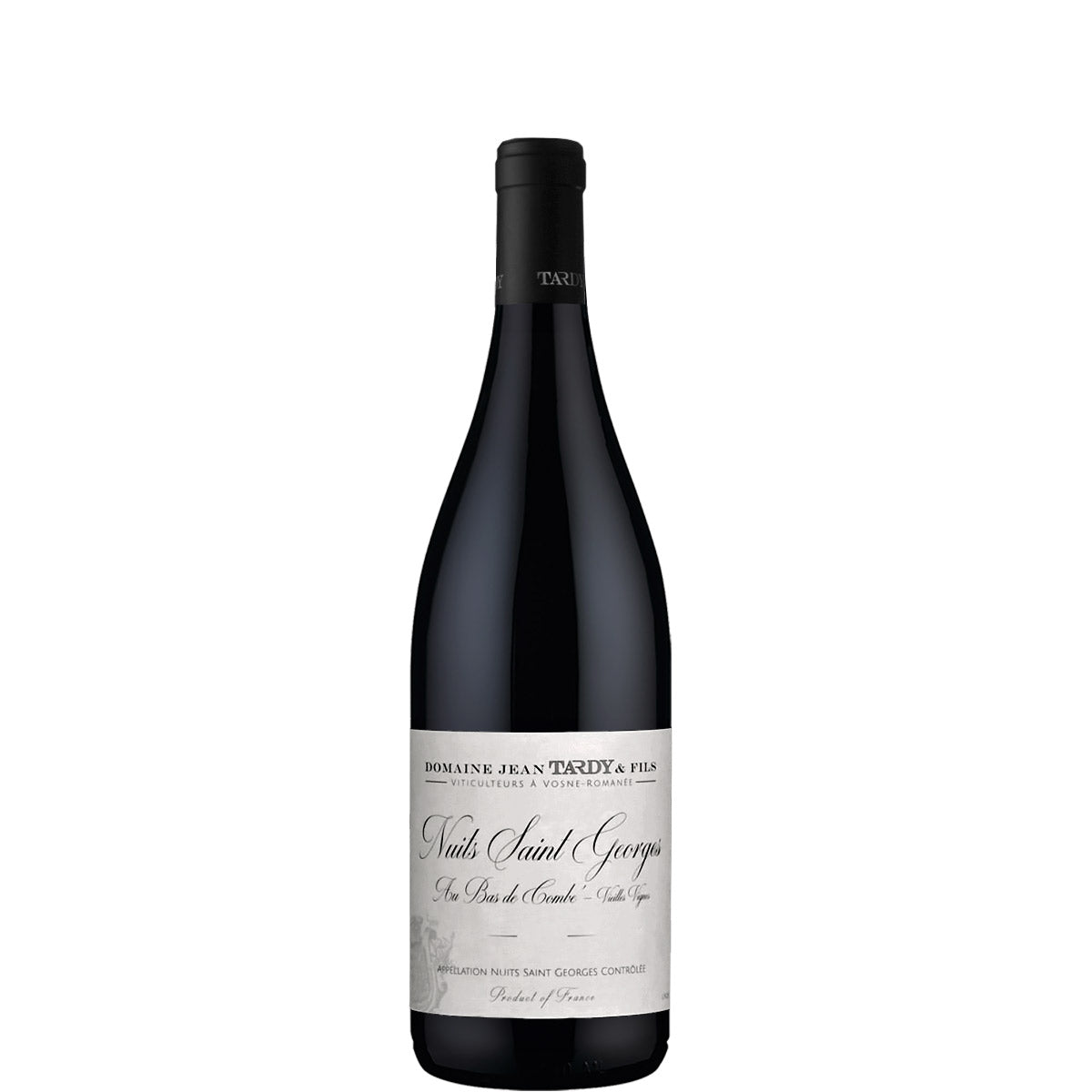
Nuits-Saint-Georges ‘Bas de Combe’, Domaine Jean Tardy et Fils, 2016
Nuits-Saint-Georges ‘Bas de Combe’, Domaine Jean Tardy et Fils, 2016
- 75cl
- 13%
- Red Still
- Pinot Noir
Couldn't load pickup availability

Optimal drinking window: Now - 2032
"'The best Nuit Saint Georges village wine – it should be a 1er Cru' is how Guillaume describes ‘Bas de Combe’ – just look at where the vineyard is situated to see why (nestled between 1er Cru ‘Aux Baudots’ and neighbouring Vosne Romanée aristocracy: 1er ‘Chaumes’, and its northern corner practically touching 1er Cru ‘Aux Malconsorts’. From eighty-five year-old vines which have a lot of millanderage."
Tom Harrow, Head Wine Guru
Tardy's 2016 Bas de Combe is all about finesse over muscle - a seductive, quietly complex NSG that’s drinking wonderfully now but still has years ahead of it.
Domaine Jean Tardy et Fils is a small, quality-focused family estate known for producing polished, supple Burgundies that lean into perfume and purity.
The 2016 vintage in Burgundy produced wines with both ripeness and structure, and Bas de Combe has been steadily rewarding patience since release. At ten years old we're now in what feels like its most expressive phase: primary fruit well integrated, secondary complexity — dried flowers, forest floor, a hint of leather — beginning to emerge with real clarity. It won't improve dramatically from here, but nor is there any rush; the fine tannins and natural acidity from those eighty-five year old vines suggest it will hold its form comfortably until 2032 or so. After that, expect a gradual softening rather than a cliff-edge decline, though the freshness that defines it may slowly fade.
What the critics say:
"A village wine it may be, but this single-parcel red comes from an 80-year-old vineyard and is as good as many premier cru bottlings. It is ripe, dense and appealingly textured, with some tannic backbone, attractive 40% new wood and a slight volatile lift."
Tasting Notes
AppearanceDeep, clear ruby with a garnet edge that speaks to a decade of quiet evolution.
NoseDark cherry, dried rose petal, and a whisper of iron filings — the kind of cool, mineral lift that old vines in the northern Côte de Nuits do so well. There's a subtle spice from the oak, but it sits in the background where it belongs, with just a faint volatile brightness adding energy rather than intrusion.
PalateSilky, fine-grained tannins carry a core of ripe dark fruit — plum, black cherry, a hint of bitter chocolate — with real density for a village wine and a texture that feels more like a premier cru than the label suggests. It's not a big wine; it's a precise one, with focus and length doing the heavy lifting.
FinishLong and savoury, with a persistent mineral thread and a final flourish of dried herbs.
Overall impressionA village wine with a premier cru soul — and at ten years old, it's right in its sweet spot.
Food Pairings
In Burgundy, this is the kind of wine that turns up alongside a Sunday coq au vin, the bird braised low and slow in something not entirely unlike what's in your glass. The locals would also reach for it with a plateau of regional cheeses — Époisses if you're feeling bold, a younger Comté if you'd rather the wine remain the star. A simple roast guinea fowl with thyme butter is perhaps the most honest pairing of all: nothing to compete, everything to complement. In autumn, anything with mushrooms — a fricassée, a risotto, a tart with Gruyère — will find a natural friend here.
We think this wine would go well with
Serve at around 16°C — cool enough to keep the fruit fresh, warm enough to let the texture unfurl. At ten years old this doesn't need a long decant, but thirty minutes in a carafe will do it good, softening any remaining structure and coaxing out the more complex secondary notes. A large-bowled Burgundy glass gives the perfume the space it deserves.
Bas de Combe sits at the northern edge of Nuits-Saint-Georges, wedged between premier cru vineyards on both sides — Aux Baudots to the east, and the Vosne-Romanée premiers crus of Les Chaumes and Aux Malconsorts within touching distance to the north. The soils here are limestone-rich with a clay subsoil that retains just enough moisture to keep the old vines unhurried, producing small, concentrated berries. That geological sandwich with its more celebrated neighbours goes a long way to explaining why this village wine punches so far above its classification.
Nuits-Saint-Georges is the southernmost major commune of the Côte de Nuits and, unusually for Burgundy, has no grand cru vineyards — a quirk of history rather than geology, and one that still rankles locally. The appellation is known for producing Pinot Noir that leans towards structure and savouriness rather than the perfumed delicacy of Chambolle or the grandeur of Gevrey: darker fruit, firmer tannins, and an earthy, almost meaty depth that takes time to open up. Its thirty-odd premier cru sites are genuinely varied in character, and a handful of village-level parcels — Bas de Combe among them — blur the line between classifications in a way that keeps things interesting.
The 2016 growing season in Burgundy started promisingly but turned tricky, with spring frosts causing real damage in some vineyards before a warm, dry summer rescued what remained. Hail struck parts of the Côte de Beaune particularly hard, reducing yields but concentrating what survived. The harvest began earlier than usual, with growers picking healthy, ripe grapes under ideal September conditions.
What emerged from the cellars shows real class: reds with genuine depth and structure that sidestep the over-ripeness trap of some warmer years, while the whites display that brilliant tension between richness and minerality that makes great white Burgundy so compelling. The Pinot Noirs have lovely fruit intensity without losing their sense of place, and the Chardonnays show beautiful balance. We find these wines drinking beautifully now but reckon the better examples will reward patience until the late 2020s, particularly the premier and grand crus which have the stuffing to go much longer.
FAQs
What does Bas de Combe taste like?
Dark cherry, dried rose, and an iron-edged minerality, with silky tannins and real density for a village-level Burgundy. It's a precise, focused wine rather than a showy one — finesse is the point here.
Is this worth buying at village level, given the price of Burgundy?
Genuinely, yes. The vineyard borders two premier cru sites on either side, the vines are eighty-five years old, and Guillaume Tardy himself describes it as the best village NSG in the appellation. The classification is a technicality; the wine doesn't know that.
When should I drink this?
It's drinking very well right now and has been since around 2022. We'd say the window is open until around 2032, with the next two or three years representing its most complete expression. No need to wait — but no need to rush either.
What food should I serve with it?
Coq au vin is the classic answer, but a roast guinea fowl, a mushroom fricassée, or a board of aged Comté will all do the job beautifully. It's a wine that suits the table rather than standing alone.
How should I serve it?
Around 16°C, with thirty minutes in a carafe. A large Burgundy glass will let the perfume open up properly. Don't serve it too warm — the freshness is part of what makes it special.
How does this compare to a premier cru Nuits-Saint-Georges?
The vineyard sits between premier cru sites and the wine makes a strong case for unofficial promotion. It has the density, the length, and the mineral character you'd expect from a premier cru. The difference in price, though, is very much official.
Explore related wines


What are you looking for tonight? Tell me the occasion, a grape, a region — or just try a suggestion below.
Your recommendations will appear here.
-
-
Speak to one of our Wine Gurus
Speak to a Wine GuruWith years of experience, our team can help you with all your wine buying and selling needs