
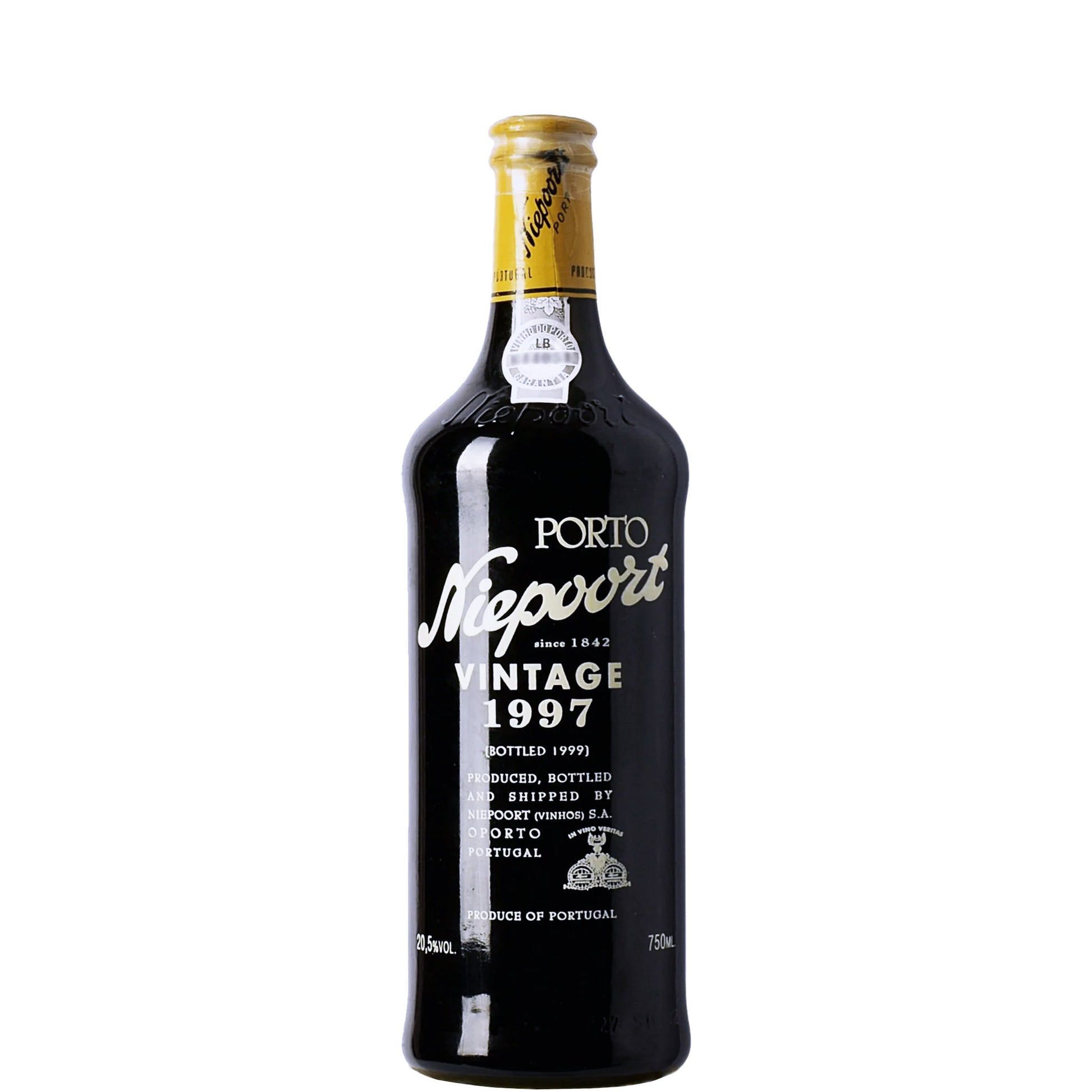
Niepoort, Vintage Port, 1997
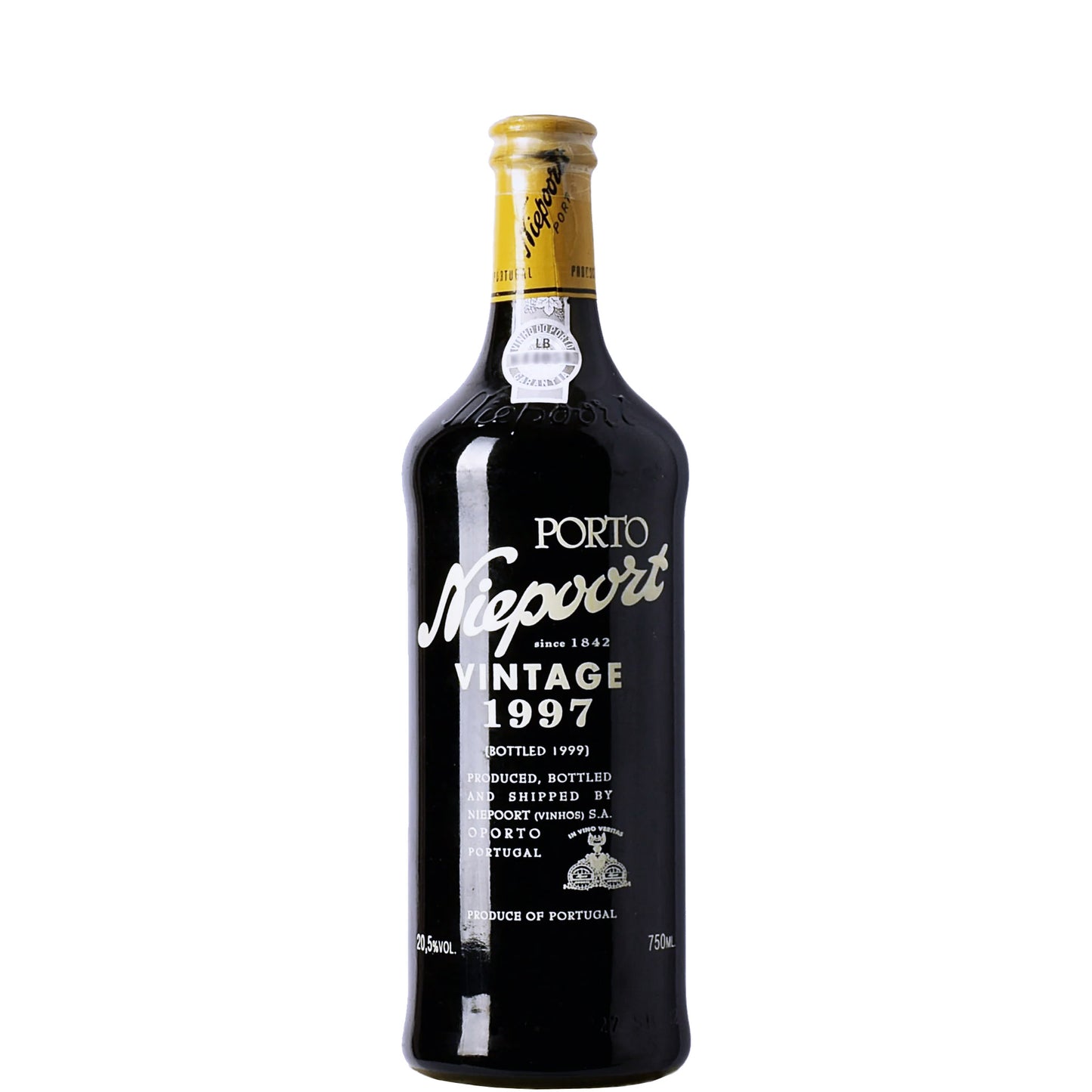
Niepoort, Vintage Port, 1997
- 75cl
- 20.5%
- Fortified
- Touriga Nacional, Touriga Franca, Tinta Roriz, Tinta Barroca, Tinto Cão
Couldn't load pickup availability

Optimal drinking window: 2026 - 2050
The 1997 Niepoort Vintage Port opens with layers of blackberry, cassis, fig and cocoa, joined by subtle notes of dried rose, tobacco leaf and spice. On the palate, it’s taut yet generous, the sweetness perfectly offset by energy and grip, finishing long, cool and savoury.
A vintage of poise and restraint rather than sheer power, 1997 is considered the best of the decade. Dirk Niepoort, ever the master of understatement and precision, produced one of the vintage’s standouts: dark, brooding fruit wrapped in fine tannins and a lifted, mineral-driven frame that speaks more of refinement than opulence.
Niepoort’s wines are renowned for their longevity, and this vintage is no exception; it’s still evolving gracefully, offering as much intellectual intrigue as sheer drinking pleasure.
The 1997 Niepoort is deep into its secondary phase but far from its peak: the primary fruit has largely given way to dried fruit, tobacco, cocoa, and mineral complexity, with the tannins integrating beautifully into the wine's structure. Over the next decade, expect further development of tertiary notes, leather, dried herbs, and what the Portuguese call ranço, a nutty, oxidative edge that the finest old Vintage Ports develop in the glass. The plateau is likely to stretch well into the 2030s, with the wine holding its form until at least 2045, and quite possibly 2050 given Niepoort's track record with longevity.
Tasting Notes
AppearanceDeep garnet with a brick-tinged rim, still showing impressive depth for a wine of nearly thirty years.
NoseBlackberry and cassis have evolved into dried fig, prune, and dark chocolate, with tobacco leaf, dried rose, and a faint trace of cedar emerging behind them. There is a cool, almost mineral quality that keeps it from feeling heavy, and the fruit is entirely absorbed into something more architectural.
PalateThe sweetness is present but restrained, offset by firm, silky tannins and a freshness that still feels alive. Dark fruit, cocoa, and spice sit alongside a savoury, almost earthy undercurrent that is very much Niepoort's signature. The balance is the thing here: nothing jostling for attention, everything in its place.
FinishLong, cool, and savoury, with mineral persistence and a final whisper of dried herbs and dark chocolate.
Overall impressionA Vintage Port that rewards thought as much as pleasure, and has decades of life still ahead of it.
Food Pairings
In the Douro and Porto, Vintage Port of this calibre is typically treated as a destination in itself rather than a food wine, served after a long meal with a wedge of aged Queijo Serra da Estrela, the raw sheep's milk cheese whose creamy, pungent character is one of the great matches for old tawny-edged Ports. Stilton is the classic British pairing and it works for a reason: the salt and funk cut through the sweetness and make both wine and cheese taste better than they would alone. Walnuts and dark chocolate, particularly 70% cacao or above, also work well, amplifying the wine's earthy, bitter-edged depth without overwhelming it. For something more substantial, the Portuguese tradition of pairing aged Vintage Port with foie gras or rich game terrine is worth exploring on a special occasion.
We think this wine would go well with
Serve at around 17-18°C, slightly cooler than you might expect for a fortified wine, as this preserves the freshness and mineral lift that define this wine's character. Decant for at least two hours, ideally three; a wine of this age and structure needs time to open up and will shed any initial reticence given the chance. Use a wide-bowled glass rather than a narrow Port glass to allow the wine to breathe and for the aromatic complexity to fully express itself. Expect some sediment, so stand the bottle upright for 24 hours before serving.
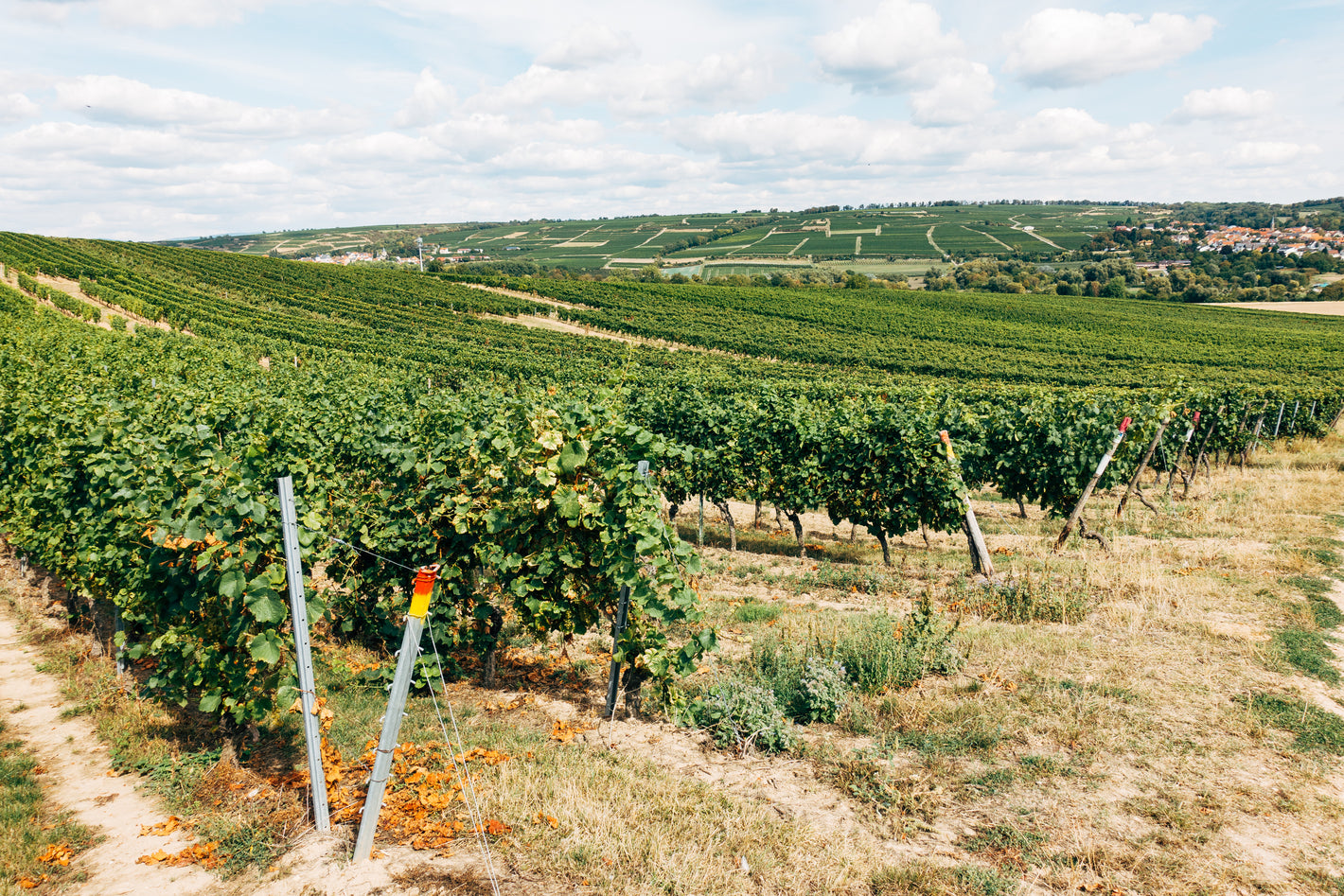
Niepoort sources fruit from old-vine vineyards scattered across the Douro Superior and Cima Corgo sub-regions, where schist dominates and the vines have to work hard through thin, fractured soils to find water. The continental climate here is extreme: scorching summers and cold winters produce grapes with concentrated flavour but also the structural acidity and grip that set great Douro wines apart. It is the schist, above all, that gives Niepoort's Ports their cool, mineral backbone.
Vintage Port is the Douro's most celebrated and demanding style, declared only in exceptional years by individual producers rather than by any collective agreement. The wine must be bottled within two years of harvest, after which all the ageing happens in bottle, making declaration a serious commitment and, often, a statement of intent. Unlike Tawny or Colheita, which are shaped by deliberate oxidation in cask, Vintage Port develops reductively, building extraordinary complexity over decades. Compared to the richer, more extracted declarations of houses like Graham's or Taylor's, Niepoort consistently errs on the side of elegance.
The 1997 Douro vintage sits in a curious middle ground — not the headline act of the decade, but far from a footnote. The growing season was warm and largely dry, which in the Douro's already punishing schist-and-sun landscape meant concentrated fruit but also real pressure on growers to pick at the right moment before the heat stripped freshness. Those who managed their timing well found themselves with exceptional raw material; those who didn't got jamminess where structure should have been.
The resulting Ports have that warm-vintage signature: ripe, generous, and plush without being blowsy, with dark fruit that has deepened and softened over nearly three decades into something genuinely rewarding. It was declared by several major shippers, though it never quite achieved the universal fanfare of 1994 or 2000. That said, 1997s from good houses are drinking beautifully — we'd say, well, rather well — right now, with most bottles sitting at or near their peak. Drink up rather than hold.
FAQs
What does the 1997 Niepoort Vintage Port taste like?
Dark and layered, with dried fig, blackberry, cocoa, tobacco leaf, and a cool mineral edge that keeps the sweetness in check. It is less about opulence than about precision, which is very much Dirk Niepoort's style.
Is this wine ready to drink now?
Yes, with a long decant of at least two to three hours. It is still evolving and has significant life ahead of it, so drinking it now means catching it mid-development rather than at its peak.
How long can I cellar this wine?
Comfortably until 2050, and possibly beyond. Niepoort's Vintage Ports are built for the long haul, and the 1997 vintage has the structure and freshness to age gracefully for decades yet.
What food should I serve with it?
Aged Serra da Estrela or Stilton are the classic matches. Walnuts, dark chocolate, foie gras, or game terrine also work well. Alternatively, drink it alone after dinner as a wine worth full attention in its own right.
How should I serve it?
Stand the bottle upright for 24 hours before opening to allow any sediment to settle. Decant for at least two to three hours and serve at around 17-18°C in a wide-bowled glass. Avoid the narrow Port glass if you want to get the most from the aromatics.
Why is the 1997 vintage considered special?
1997 is widely regarded as the best Douro vintage of the 1990s, producing wines of unusual poise and restraint rather than the sheer power of some earlier declarations. Niepoort's version is considered one of the vintage's finest, and nearly thirty years on it remains a benchmark for what elegant Vintage Port can be.
Explore related wines


What are you looking for tonight? Tell me the occasion, a grape, a region — or just try a suggestion below.
Your recommendations will appear here.
-
-
Speak to one of our Wine Gurus
Speak to a Wine GuruWith years of experience, our team can help you with all your wine buying and selling needs