
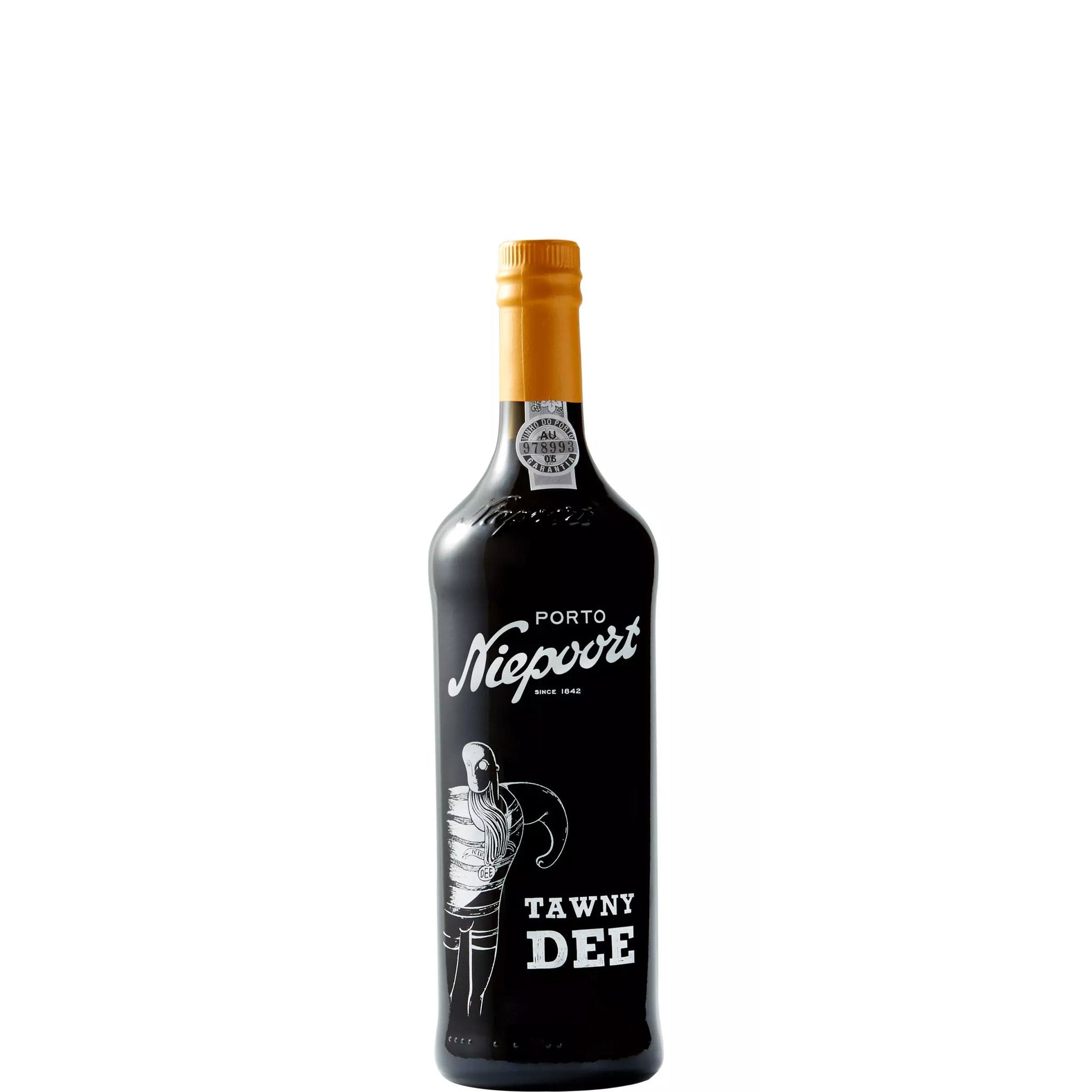
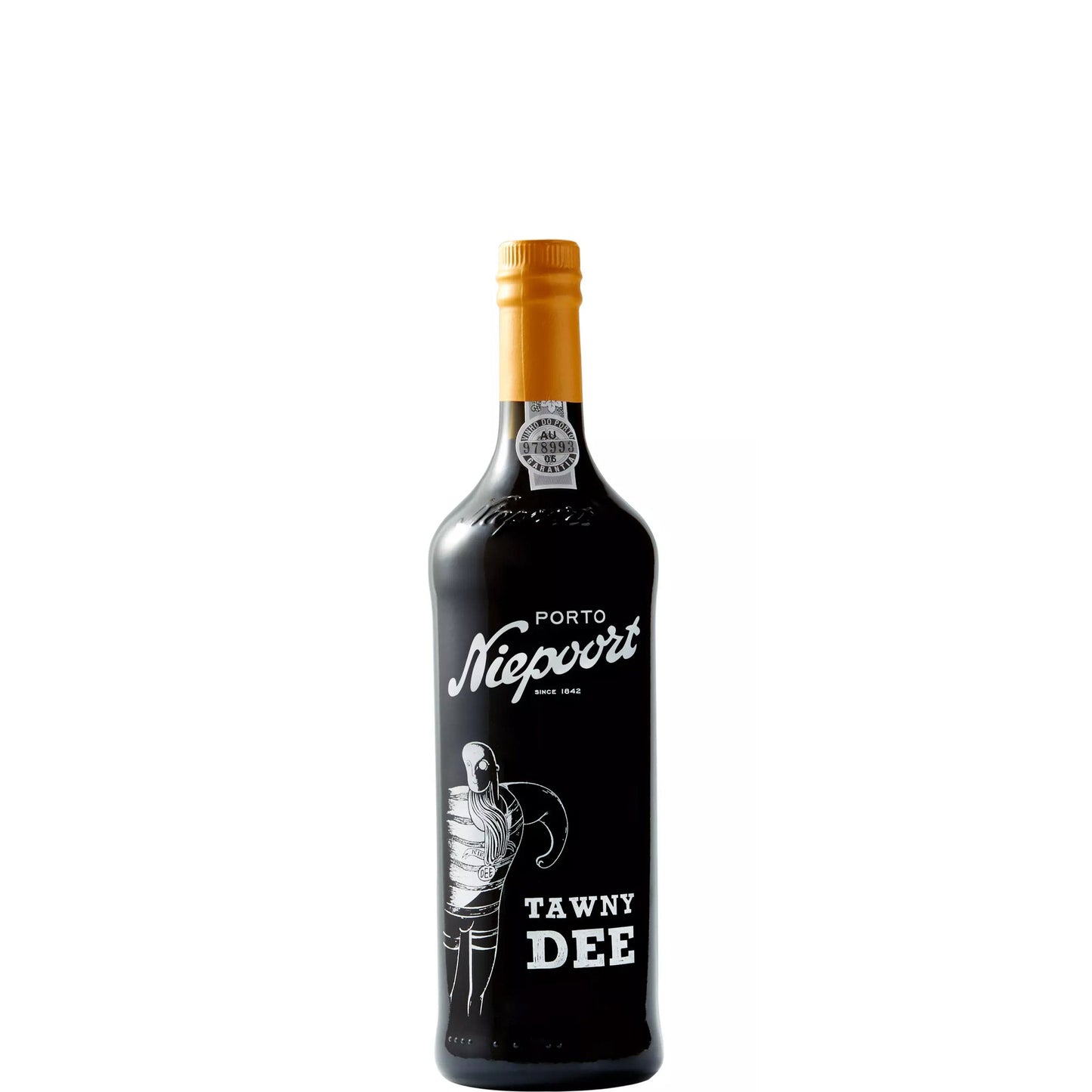
Niepoort, Tawny Dee, Nv - Half-bottle
Niepoort, Tawny Dee, Nv - Half-bottle
- 37.5cl
- 19.5%
- Fortified
- Touriga Nacional
- Organic
- Biodynamic
Couldn't load pickup availability

Optimal drinking window: 2026 - 2035
About Niepoort, Tawny Dee, Nv - Half-bottle
Niepoort Tawny Dee, with an average age of three and a half years, originates from low yielding vineyards in Cima Corgo region of Douro Valley. The grapes are predominantly trodden in lagares, prior to ageing in small old oak casks at our lodges in Vila Nova de Gaia.
"Brick red/tawny in colour, with delicate nutty aromas and a hint of dried fruits. On the palate, very well balanced with a youthful fruity, luscious character, which integrates well with a long spirity finish."
Niepoort
Food pairings: Nuts and nut-based desserts (pecan pie, fruitcake, hazelnut torte), fruit based tarts (apple pie), and burnt sugar preparations (crème brûlée, crème caramel). Non-blue cheeses (Manchego, smoked Gouda, Gruyere).
This tawny is drinking beautifully now with its youthful fruit still vibrant against the developing nutty complexity. Over the next few years, the fresh berry character will gradually integrate further, allowing the oxidative flavours to become more prominent. It should maintain its balance for another 8-9 years, though it won't dramatically improve - this style is designed for current pleasure rather than long-term development.
Food Pairings
In Porto, this would traditionally end a meal alongside queijadas de nata (custard tarts) or bolo de mel (honey cake). The locals also pair it with aged cheeses like queijo da serra, whose creamy richness complements the wine's nutty sweetness. During winter evenings, it's often enjoyed with roasted chestnuts or figos secos (dried figs) whilst sitting by the fire. The combination of aged cheese, walnuts, and a glass of tawny is practically a Portuguese institution.
We think this wine would go well with
Serve lightly chilled at around 12-14°C to showcase the delicate fruit and prevent the spirit from dominating. No need to decant, though if the bottle has been stored horizontally, let it stand for a few minutes to settle any sediment. A small port glass or even a wine glass works perfectly, allowing the aromas to concentrate without overwhelming the nose.
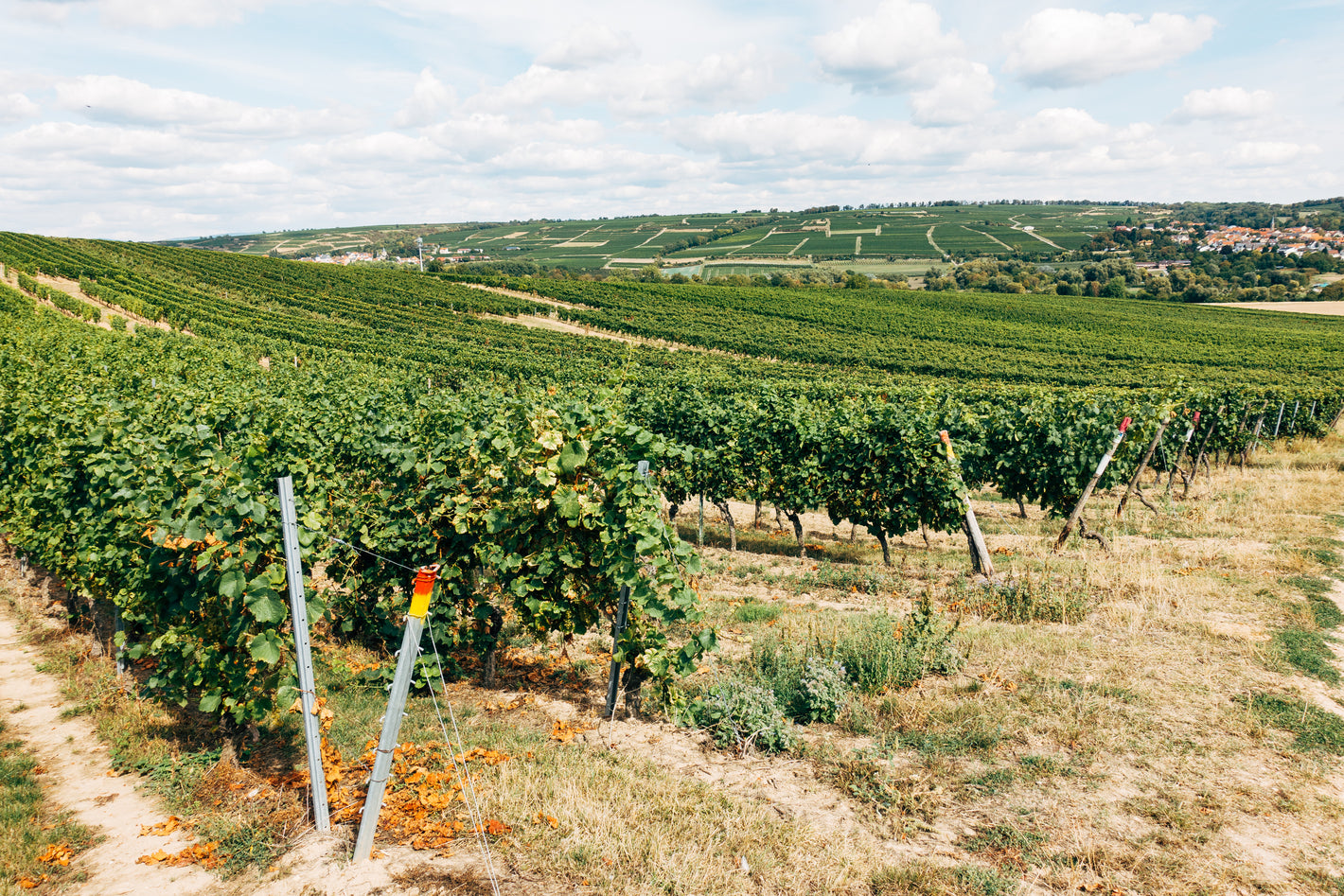
The grapes come from low-yielding vineyards in the Cima Corgo, the historic heart of port production where schist soils and steep terraced slopes create ideal conditions. The region's hot, dry summers and cold winters, combined with the poor, well-draining soils, stress the vines into producing small, concentrated berries. After fermentation, the wine ages in small old oak casks in Vila Nova de Gaia, where the Atlantic influence provides the perfect humid environment for slow, gentle oxidation.
Port is one of the world's most regulated wine regions, with strict rules governing everything from grape varieties to production methods. The Douro was actually the world's first demarcated wine region in 1756, and port must be aged in the coastal lodges of Vila Nova de Gaia. Tawny port differs from vintage port in that it's aged in smaller casks, allowing controlled oxidation that develops those characteristic nutty, caramelised flavours whilst the wine gradually takes on its tawny hue.
FAQs
What does this tawny port taste like?
It's got lovely nutty aromas with dried fruits, balanced by youthful berry character and a warming, spirity finish. Think roasted almonds meeting fresh berries with a touch of caramel sweetness.
When should I drink this wine?
Perfect for drinking now and over the next 8-10 years. Unlike vintage port, tawny doesn't need years of cellaring and is ready to enjoy straight away.
What food pairs well with this port?
Classic matches include nut-based desserts like pecan pie, fruit tarts, crème brûlée, and aged cheeses like Manchego or Gruyère. It's also lovely with roasted nuts or dried fruits.
How should I serve this port?
Serve lightly chilled at 12-14°C in a small port glass or wine glass. No need to decant, just open and pour. The half-bottle format is perfect for sharing between two people.
Is this worth cellaring?
This style is designed for current drinking pleasure rather than long-term ageing. It will hold well for several years but won't dramatically improve, so best enjoyed sooner rather than later.
How does this compare to older tawnies?
At 3.5 years old, this has more fresh fruit character than 10 or 20-year tawnies, which develop more complex caramelised and nutty flavours. It's a great introduction to the style without the premium price.
Explore related wines


What are you looking for tonight? Tell me the occasion, a grape, a region — or just try a suggestion below.
Your recommendations will appear here.
-
-
Speak to one of our Wine Gurus
Speak to a Wine GuruWith years of experience, our team can help you with all your wine buying and selling needs