

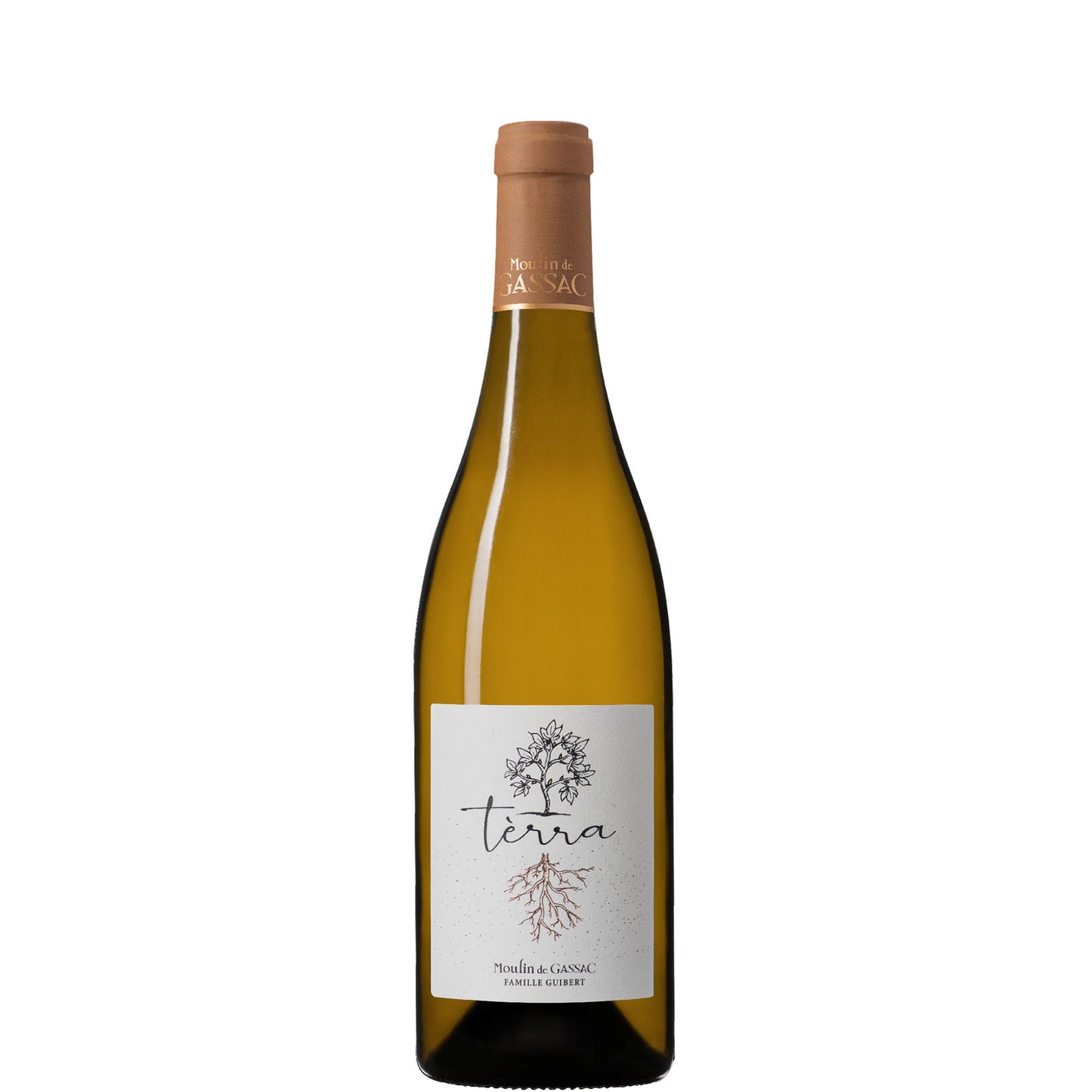
Moulin De Gassac Tèrra Blanc, 2023
Moulin De Gassac Tèrra Blanc, 2023
- 75cl
- 13%
- White Still
- Grenache Blanc, Roussanne, Vermentino
- Organic
Couldn't load pickup availability

Optimal drinking window: 2026 - 2029
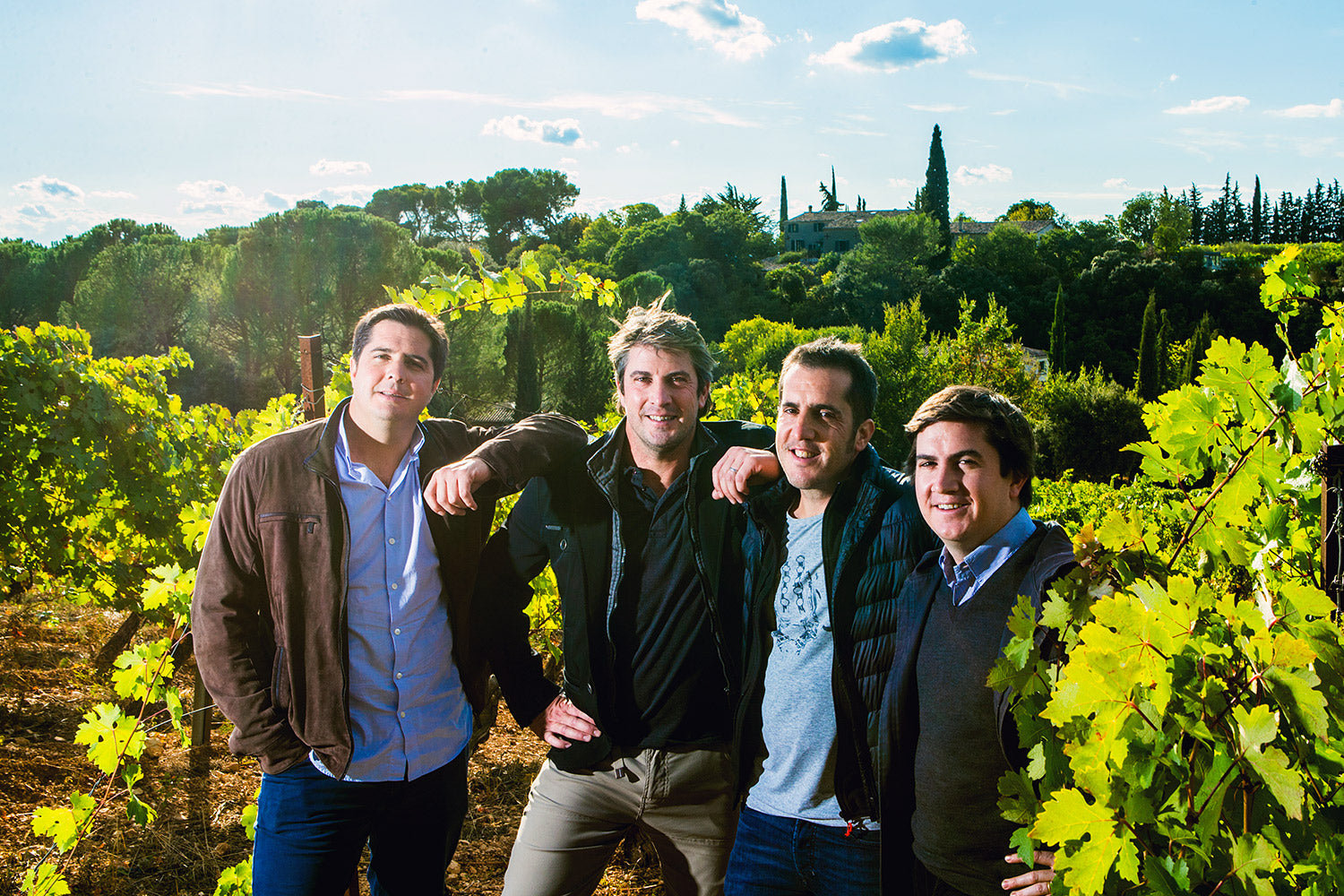
Famous for its Grands Vins, the Mas de Daumas Gassac has been a family owned vineyard for more than 40 years and belongs to the Guibert family.
The estate is set in a wild and enchanting valley, close the magnificent romanesque abbey of Saint-Guilhem-le-Désert with 50 hectares of a deep, well drained soil, free from any chemical fertilisers.
This 2023 is drinking at its peak right now, showing the fresh fruit and mineral clarity that makes it so appealing. Over the next year or two, it will develop slightly more honeyed characteristics while retaining its core freshness. We wouldn't expect dramatic secondary development, as this style is built for charm rather than complexity. By 2029, it will likely begin to lose its vibrancy, so we'd drink it sooner rather than later.
Tasting Notes
AppearancePale gold with brilliant clarity and a hint of green at the rim.
NoseOpens with fresh citrus blossom and white peach, followed by subtle Mediterranean herbs and a touch of honey. There's an underlying mineral thread that speaks to the estate's distinctive terroir. With air, hints of fennel and wild thyme emerge.
PalateMedium-bodied with excellent balance between ripe stone fruit and crisp acidity. The Grenache Blanc provides weight and texture whilst Roussanne adds spice and complexity. Marsanne contributes a creamy mouthfeel that carries the mineral finish beautifully.
FinishClean and persistent with citrus zest and a saline mineral quality that lingers.
Overall impressionA graceful expression of Languedoc white wine that balances freshness with Mediterranean character.
Food Pairings
In the Languedoc, this would accompany the region's abundant seafood: grilled loup de mer with fennel, bouillabaisse from nearby Sète, or simply prepared langoustines with aioli. Locals would also pair it with goat cheese from the Cévennes hills, herb-crusted lamb, or the classic brandade de morue. The wine's Mediterranean character makes it a natural with olive oil, garlic, and the wild herbs that grow on every hillside.
We think this wine would go well with
Serve well-chilled at 8-10°C to preserve its freshness and balance. No need to decant, just pour straight from a cold bottle. A standard white wine glass works perfectly, allowing the delicate aromatics to concentrate without overwhelming the palate. Open just before serving for maximum freshness.
The vineyards sit in an enchanting valley near the romanesque abbey of Saint-Guilhem-le-Désert, where deep, well-drained soils benefit from the Mediterranean climate without suffering its excesses. The garrigue-covered hills provide natural drainage and reflect heat during the day while cooling at night. This terroir allows international varieties to ripen fully while retaining freshness, creating wines with both southern warmth and surprising elegance.
Languedoc is France's vast southern wine region, stretching from the Rhône delta to the Spanish border. Once dismissed as a source of cheap bulk wine, it has transformed over the past few decades into a region capable of serious bottles. The appellation rules are relatively relaxed, allowing winemakers to plant international varieties alongside traditional Mediterranean grapes. This flexibility has attracted innovative producers like the Guiberts, who proved that with the right approach, Languedoc could rival more famous French regions.
The 2023 vintage in Languedoc tells the familiar story of a region learning to dance with climate extremes. Spring brought welcome relief after several parched years, with decent rainfall replenishing soils across the sprawling appellations from Corbières to Pic Saint-Loup. Summer heat arrived predictably but without the punishing intensity that has marked recent vintages, allowing the vines to ripen fruit rather than simply survive.
What emerged from the cellars feels like Languedoc finding its modern voice — wines that marry the region's sunny generosity with genuine freshness. The reds show lovely immediacy, particularly Syrah and Grenache blends that deliver spice and dark fruit without the jammy weight that can plague warmer years. We're drinking the early releases now with real pleasure, though the better cuvées will happily cellar for five to eight years. It's a vintage that reminds us why this vast region continues to punch above its weight — honest, expressive wines that don't need to shout to be heard.
FAQs
What does this wine taste like?
Fresh and medium-bodied with white flowers, citrus, and gentle mineral notes. It has enough substance for food but remains elegant and refreshing.
When should I drink this wine?
It's drinking beautifully now and will remain at its best for the next 2-3 years. This style is made for near-term enjoyment rather than long cellaring.
What food pairs well with this wine?
Seafood, goat cheese, herb-crusted meats, or Mediterranean dishes with olive oil and garlic. Its southern character loves bold flavours.
How should I serve this wine?
Well-chilled at 8-10°C in a standard white wine glass. Pour straight from the bottle without decanting for maximum freshness.
Is this wine worth cellaring?
We'd drink it within the next few years rather than cellaring long-term. It's built for charm and freshness, not extended ageing.
What makes Mas de Daumas Gassac special?
The Guibert family pioneered serious winemaking in the Languedoc over 40 years ago, proving the region could make wines of real distinction from their wild valley near Saint-Guilhem-le-Désert.
Explore related wines


What are you looking for tonight? Tell me the occasion, a grape, a region — or just try a suggestion below.
Your recommendations will appear here.
-
-
Speak to one of our Wine Gurus
Speak to a Wine GuruWith years of experience, our team can help you with all your wine buying and selling needs