
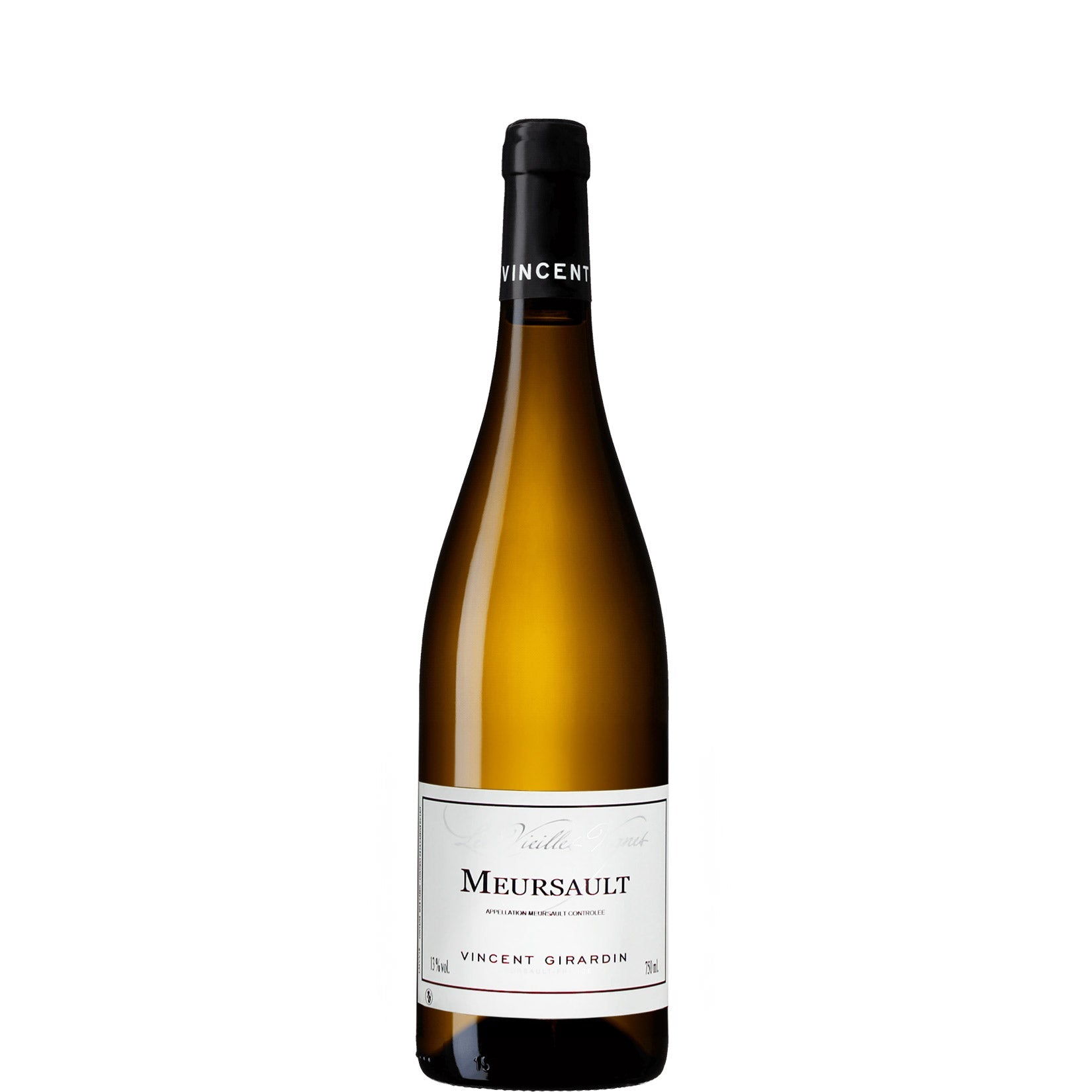
Meursault Village Vieilles Vignes, Vincent Girardin, 2021
Meursault Village Vieilles Vignes, Vincent Girardin, 2021
- 75cl
- 13%
- White Still
- Chardonnay
Couldn't load pickup availability

Optimal drinking window: Now - 2034
About Meursault Village Vieilles Vignes, Vincent Girardin, 2021
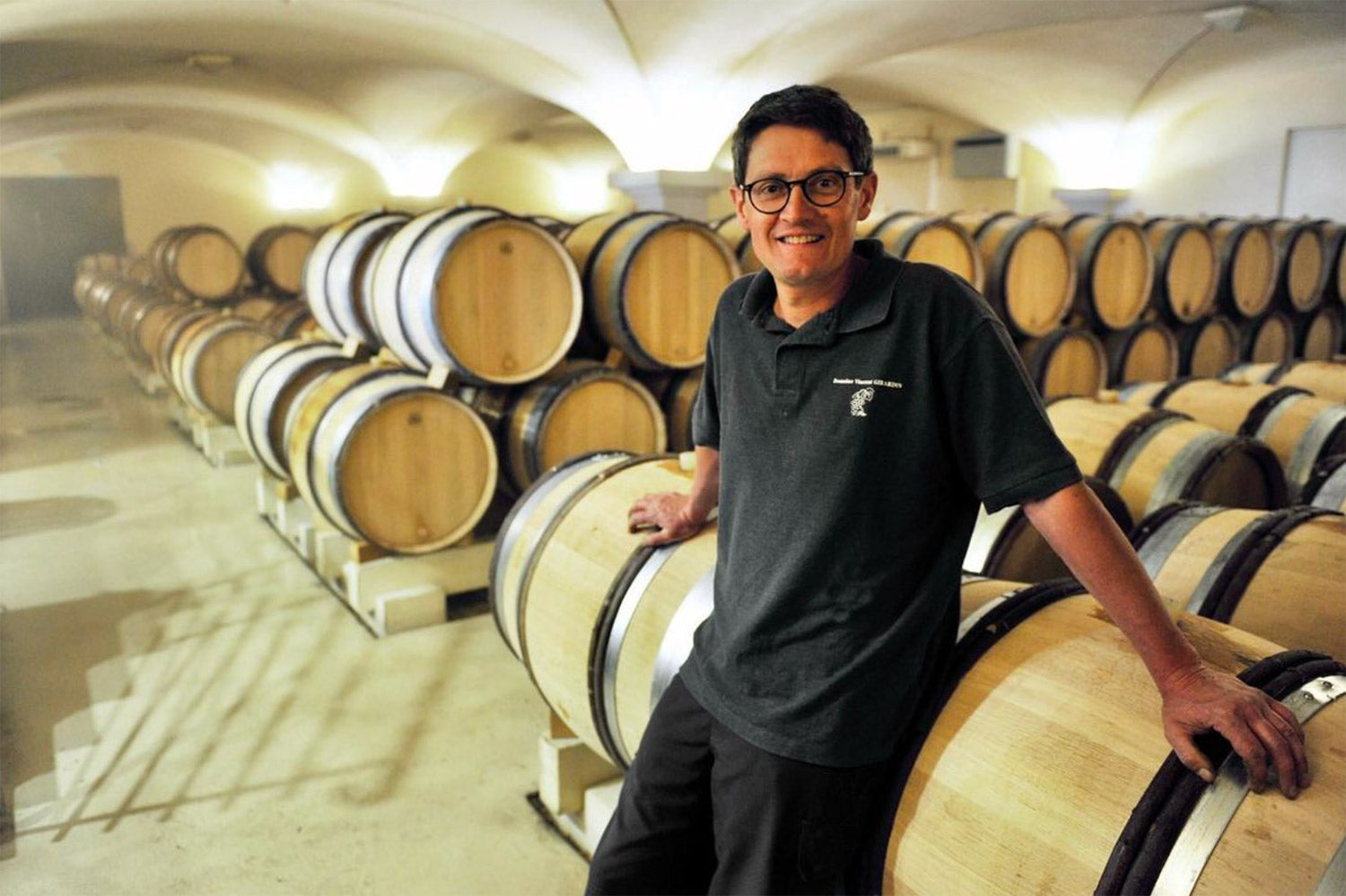
Having started with a tiny 3ha back in the 80s, Vincent Girardin now owns 14ha of enviably sited parcels, with another 19ha on lease, and this is practically the first in-house vintage for the Domaine.
Head winemaker Eric Germain's steady conversion to biodynamics, earlier picking, reduced usage of new oak and earlier racking into neutral barrels all mean the focus is on terroir expression and energy.
The 2021 vintage's natural acidity gives this wine a longer runway than the riper years. Right now it's in a slightly tight, primary phase — the fruit is fresh and the mineral edge is prominent, which makes it genuinely enjoyable drinking from 2026. Over the next two to three years, the hazelnut and toasty secondary characters typical of Meursault will begin to knit together with the fruit. Peak drinking is probably 2028 to 2032, when concentration from the old vines and the acidity from the vintage will be in proper equilibrium. After 2034 or so, expect a gentle fade rather than a dramatic decline, but there's no particular reason to push it that far.
Tasting Notes
AppearancePale gold with a faint green tinge — bright and lively in the glass.
NoseWhite peach and ripe pear open first, then a subtle hazelnut character emerges — classic Meursault, but with more lift than you might expect. The reduced new oak regime shows: there's no vanilla gloss, just clean Chardonnay fruit underscored by a flinty, almost saline edge. Give it ten minutes and a little lemon curd settles in alongside dried herbs.
PalateThe texture is the thing — a rich, almost creamy weight that the acidity keeps honest right the way through. Stone fruit, white flowers, and that characteristic Meursault nuttiness are all present, but what impresses most is the precision: this doesn't sprawl or over-deliver. The older vines give a mid-palate depth and concentration that village Meursault doesn't always achieve.
FinishLong and mineral, with a saline pull that lingers well after the fruit has faded.
Overall impressionA village wine punching meaningfully above its station, made with the kind of restraint that actually lets Meursault speak.
Food Pairings
In Burgundy, a wine like this would land on the table alongside a classic poulet à la crème — roast chicken with a cream and morel sauce that matches the richness without overwhelming the acidity. The locals also reach for it with jambon persillé, the cold pressed ham and parsley terrine that's a Sunday staple across the region. Freshwater fish from the Saône — sandre, or pike-perch, cooked in butter — is another natural partner. Comté aged 18 months or more also works brilliantly, the nutty, crystalline cheese mirroring the wine's own hazelnut character.
We think this wine would go well with
Serve at 12-13°C — too cold and you lose the texture; too warm and the alcohol starts to dominate. No need to decant, though pouring 15 minutes before you sit down doesn't hurt. A wide-bowled white Burgundy glass gives the aromas room to open up and lets the wine warm gently in the hand as you drink.
Meursault's village-level vineyards sit on a mix of Bathonian limestone and Oxfordian marl, with the clay content increasing as you move away from the slope. The vieilles vignes designation here matters: older vines push roots deeper into that rocky subsoil, pulling up a mineral tension that younger vines simply can't replicate. The village sits at roughly 250 metres, with a gentle easterly aspect that gives good morning sun without the heat stress that can flatten a white Burgundy in warm vintages. In 2021, that combination of cool nights and limestone drainage produced grapes with excellent natural acidity.
Meursault is the great workhorse of white Burgundy — the village with more appellated white wine production than anywhere else in the Côte de Beaune, and famously the only major white Burgundy commune without a Grand Cru. Village-level wines like this one draw from a broad patchwork of sites across the commune, and quality can vary enormously depending on who made it and how old the vines are. At its best, Meursault village sits just below the Premier Cru tier in price but not always in pleasure: nutty, saline, and richly textured in ways that Puligny rarely attempts. The AOC rules require 100% Chardonnay and a minimum of 11% ABV.
The 2021 growing season in Burgundy started badly and got worse before pulling off one of wine's great escapes. Spring frost in April devastated vineyards across the Côte d'Or, followed by a summer that alternated between biblical downpours and scorching heat. Many producers lost 50% or more of their crop to the frost alone, then watched hail batter what remained in some unlucky villages. By August, with rot creeping through rain-soaked vineyards, even the most optimistic vignerons were writing off the vintage.
What emerged from this chaos surprised everyone: wines with remarkable freshness and purity, if you can find them. The tiny yields meant those grapes that survived were intensely concentrated, while the September sunshine saved the day with perfect ripening conditions. We find the reds show beautiful fruit clarity without heaviness, drinking with an immediacy that makes them irresistible now but promising a decade or more of evolution. The whites are particularly stunning, with a mineral intensity that cuts through their richness. Yes, there's not much 2021 Burgundy about, and yes, it's expensive, but this is one of those vintages where disaster bred greatness.
FAQs
What does this wine taste like?
Rich and textured with white peach, ripe pear, and the characteristic Meursault nuttiness, but with more precision and lift than the village appellation often delivers. The older vines add mid-palate depth, and the finish is long and distinctly mineral. Eric Germain's lower new oak usage means there's no buttery gloss here — just clean, focused Chardonnay with real grip.
When should I drink this wine?
It's drinking well now but is still in a slightly primary phase. We'd say 2027 to 2032 is the sweet spot, when the secondary complexity typical of Meursault — toasty, nutty, saline — will have fully integrated with the fruit. The 2021 vintage's natural acidity means there's no rush, but equally no reason to cellar it for decades.
What food should I pair with it?
Classic Burgundian fare works best: roast chicken with cream and morel sauce, jambon persillé, or pike-perch cooked in butter. If you're keeping it simple, a good aged Comté is hard to beat — the nutty, crystalline character of the cheese mirrors what's in the glass.
How should I serve it?
Serve at 12-13°C in a wide-bowled white Burgundy glass. No need to decant, but pour it 15 minutes before you drink and let it come up slightly in temperature. Too cold and you'll miss the texture entirely.
Is this worth cellaring?
Yes, with some patience. The combination of old vines, the precision of the 2021 vintage, and Girardin's lighter-touch winemaking gives this more mid-term ageing potential than a standard village Meursault. Hold until 2028 for the best of what it has to offer, or until 2032 if you're the patient sort.
How does this compare to a Premier Cru Meursault?
Honestly, the gap is smaller than the price difference suggests. The vieilles vignes designation does real work here — the concentration and mineral depth from older roots bridges a lot of the distance between village and Premier Cru quality. What you give up is the site-specific character of a named Premier Cru like Perrières or Charmes, and a degree of sheer intensity. What you gain is excellent value for genuinely serious white Burgundy.
Explore related wines


What are you looking for tonight? Tell me the occasion, a grape, a region — or just try a suggestion below.
Your recommendations will appear here.
-
-
Speak to one of our Wine Gurus
Speak to a Wine GuruWith years of experience, our team can help you with all your wine buying and selling needs