
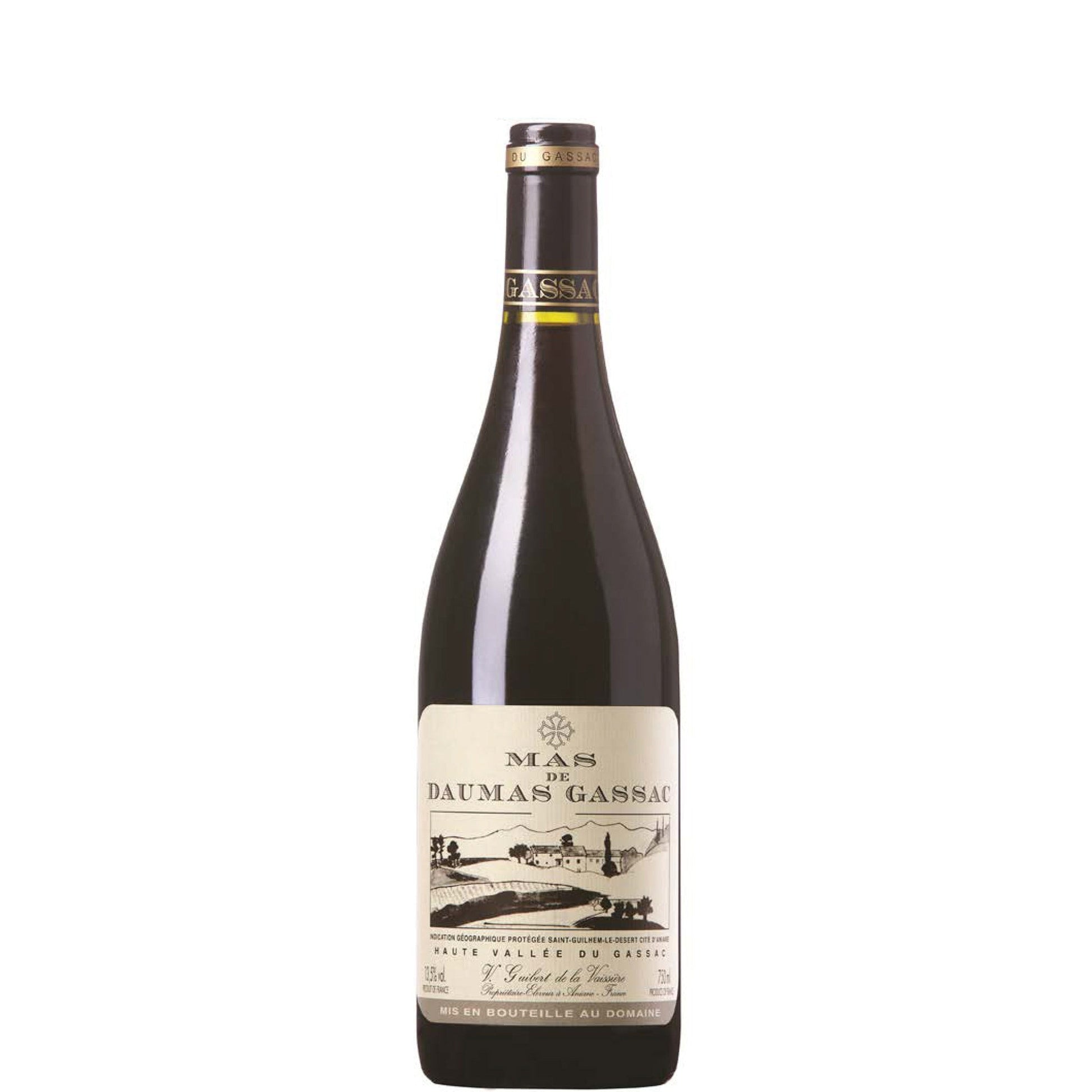
Mas de Daumas Gassac, Rouge, 2020
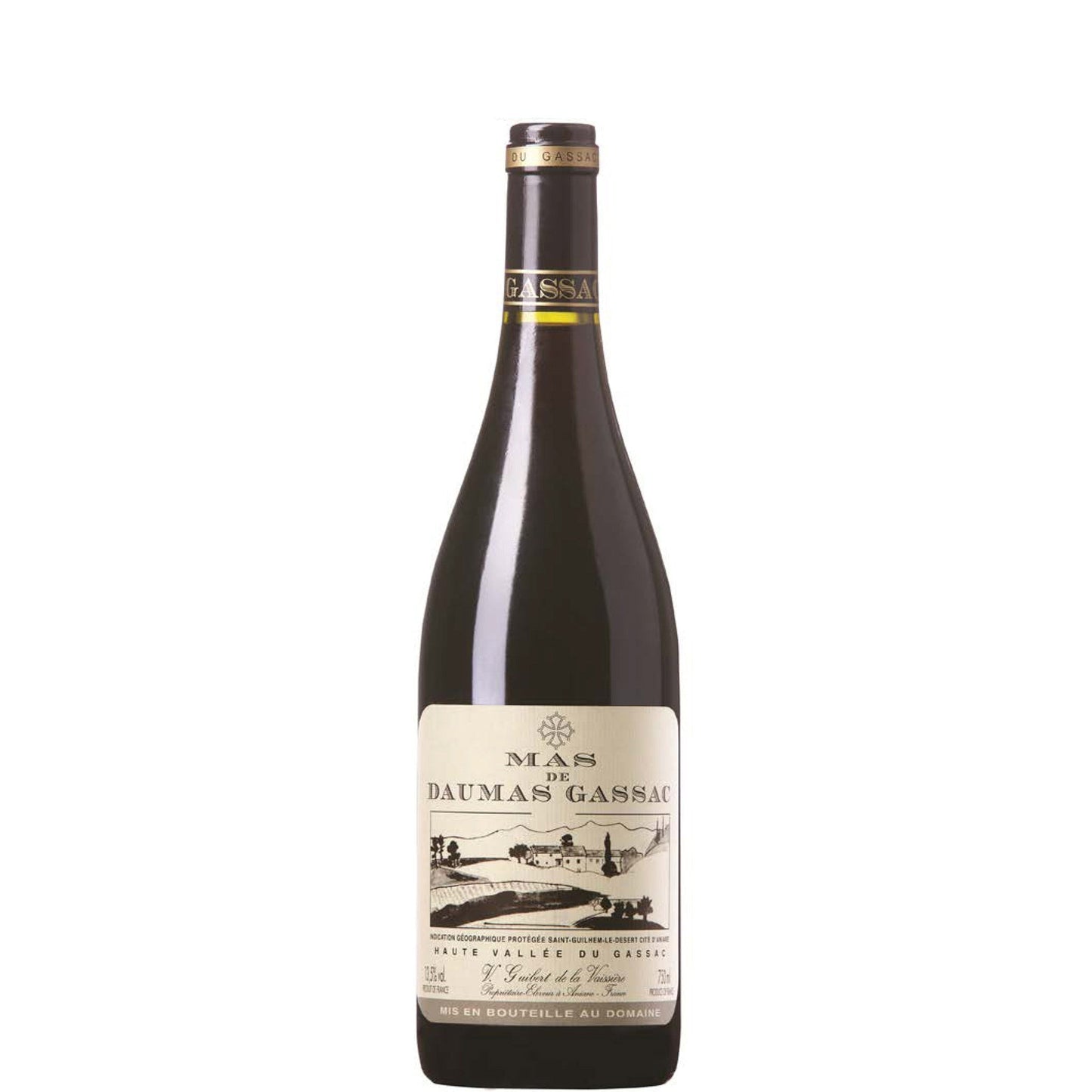
Mas de Daumas Gassac, Rouge, 2020
- 75cl
- 13.5%
- Red Still
- Cabernet Franc, Cabernet Sauvignon, Malbec, Merlot, Pinot Noir, Tannat
- Organic
Couldn't load pickup availability

Optimal drinking window: Now - 2035
About Mas de Daumas Gassac, Rouge, 2020
Mas de Daumas Gassac produces what we think of as the Languedoc's answer to Left Bank Bordeaux. This estate pioneered the idea that southern France could craft serious reds in the 1970s, long before the region found its modern voice. The 2020 Rouge leads with Cabernet Sauvignon but includes judicious amounts of four other Bordeaux varieties, creating something that feels both familiar and distinctly Languedocian.
We find this vintage particularly smooth and elegant, with cassis and black cherry fruit wrapped in subtle herbal notes and the faintest touch of cedar. A wine that proved the Languedoc could play in the premier league.
The 2020 is currently showing its primary fruit character beautifully, with fresh cassis and cherry flavours at their peak. Over the next 2-3 years, we expect the cedar and herbal notes to integrate more fully while the tannins continue to soften, creating greater harmony between fruit and structure. By 2030, secondary complexity should emerge as the wine develops more savoury, earthy characteristics alongside the core fruit. The wine should reach its plateau around 2032-2035, maintaining its elegance while showing full maturity, before beginning a gentle decline after 2035.
What the critics say:
"The 2020 Rouge is loaded with potential. Pronounced spice-box, garrigue, cassis, crushed violets and a dash of cardamom compose the complex aromatic profile. Offering a smooth mouthfeel of polished tannins, the medium to full-bodied 2020 packs excellent flavor concentration and brings it home with a long finale. It says: watch me."
"The newest vintage of this classic Languedoc red is a solid effort. The 2020 IGP Saint Guilhem le Desert is 71% Cabernet Sauvignon, with no more than 6% of any other single grape variety present. Naturally, cassis elements lead the way, backed by black cherries and herbal notes, plus a subtle, barely noticeable layer of cedar tying everything together. It's medium to full-bodied, streamlined and smooth in feel, with a long, silky, elegant finish."
Tasting Notes
AppearanceDeep ruby with purple highlights, showing good concentration and youth.
NoseCabernet Sauvignon leads with classic cassis and blackcurrant, supported by ripe black cherry and subtle herbal notes. There's a gentle cedar backdrop that adds complexity without overwhelming the fruit, alongside hints of graphite minerality.
PalateMedium to full-bodied with a streamlined, elegant structure that feels distinctly refined for the Languedoc. The fruit flavours mirror the nose, with cassis and black cherry predominating, while the tannins are smooth and well-integrated. The herbal character adds a Mediterranean touch that distinguishes it from pure Bordeaux style.
FinishLong and silky with persistent fruit and a gentle cedar note that ties everything together beautifully.
Overall impressionThis is Languedoc winemaking at its most sophisticated, balancing regional character with international grape varieties in a harmonious, age-worthy package.
Food Pairings
In the Languedoc, this style of structured red would traditionally accompany the region's hearty meat dishes like daube de boeuf, a slow-cooked beef stew with herbs and olives. Local chefs pair it with grilled lamb from the nearby Causses, often seasoned with wild thyme and rosemary that echo the wine's herbal notes. The wine's elegance also suits the area's more refined preparations of duck breast with honey and lavender, while its structure can handle the robust flavours of wild boar stewed with juniper berries. Aged sheep's cheeses from the nearby Roquefort caves make an excellent match for the wine's smooth tannins.
We think this wine would go well with
Serve at 16-17°C to show off the wine's elegance and fruit purity. While approachable upon opening, this wine benefits from 30-45 minutes of decanting to allow the Cabernet Sauvignon to express itself fully and soften any remaining tannins. Use large Bordeaux glasses to concentrate the aromatics while providing enough surface area for the wine to breathe. If cellaring, store on its side in a cool, dark place.
The vineyards sit in a protected valley near Aniane, where the estate's signature red soils are rich in iron oxide and sit over Triassic limestone bedrock. The site benefits from altitude and the cooling influence of surrounding forests, creating a microclimate that allows for slower ripening than typical Languedoc sites. These cooler conditions help preserve acidity and allow the Cabernet Sauvignon to achieve full ripeness while maintaining elegance. The iron-rich soils contribute to the wine's distinctive mineral backbone and age-worthy structure.
This wine carries the IGP Saint Guilhem le Desert designation, which covers a small area in the Hérault department of the Languedoc. The appellation allows for more flexibility than AOC rules, particularly in grape varieties and blending percentages, which suits Daumas Gassac's Bordeaux-style approach. Unlike many Languedoc appellations that favour Grenache and Syrah, this classification permits the estate to craft wines from international varieties. The area is known for producing some of the Languedoc's most structured and age-worthy reds, often compared to fine Bordeaux.
The 2020 vintage in Languedoc threw winemakers a curveball, starting with a relatively mild winter that gave way to a challenging spring marked by significant rainfall and cooler temperatures. Just when producers were beginning to worry about disease pressure and delayed flowering, the summer heat arrived with characteristic Mediterranean intensity, creating the sort of stop-start growing season that separates the wheat from the chaff. Harvest came later than the scorching years of 2017 and 2019, giving grapes crucial hang time to develop flavour whilst retaining the acidity that makes Languedoc wines so food-friendly.
What emerged was a vintage with real personality rather than brute force. The Syrahs show lovely spice and structure without the jammy overripeness that can plague hot vintages, whilst Grenache and Mourvèdre found their sweet spot between power and finesse. We find the reds drinking beautifully now, with enough backbone to cellar for another five to eight years if you fancy waiting. The whites, particularly those from higher altitude sites, captured a freshness that makes them absolute gems for current drinking.
FAQs
What does this wine taste like?
We find it tastes of cassis and black cherries with herbal notes and subtle cedar, offering a smooth, elegant style that bridges Bordeaux structure with Languedoc warmth.
When should I drink this wine?
It's drinking well now but will reward patience, evolving beautifully until around 2035 as the tannins soften and complexity develops.
What food pairs well with this wine?
Think grilled or roasted red meats, especially lamb with herbs, beef stews, and aged hard cheeses - the wine's structure handles robust flavours while its elegance suits refined preparations.
How should I serve this wine?
Serve at 16-17°C in large wine glasses, and give it 30-45 minutes to breathe in a decanter to show off its full character.
Is this wine worth cellaring?
Absolutely - this is built for medium-term ageing and will develop greater complexity over the next 8-10 years while maintaining its core elegance.
How does this compare to Bordeaux wines?
It shares Bordeaux's structure and grape varieties but adds Languedoc warmth and herbal character, offering similar quality at better value than equivalent Left Bank wines.
Explore related wines


What are you looking for tonight? Tell me the occasion, a grape, a region — or just try a suggestion below.
Your recommendations will appear here.
-
-
Speak to one of our Wine Gurus
Speak to a Wine GuruWith years of experience, our team can help you with all your wine buying and selling needs