

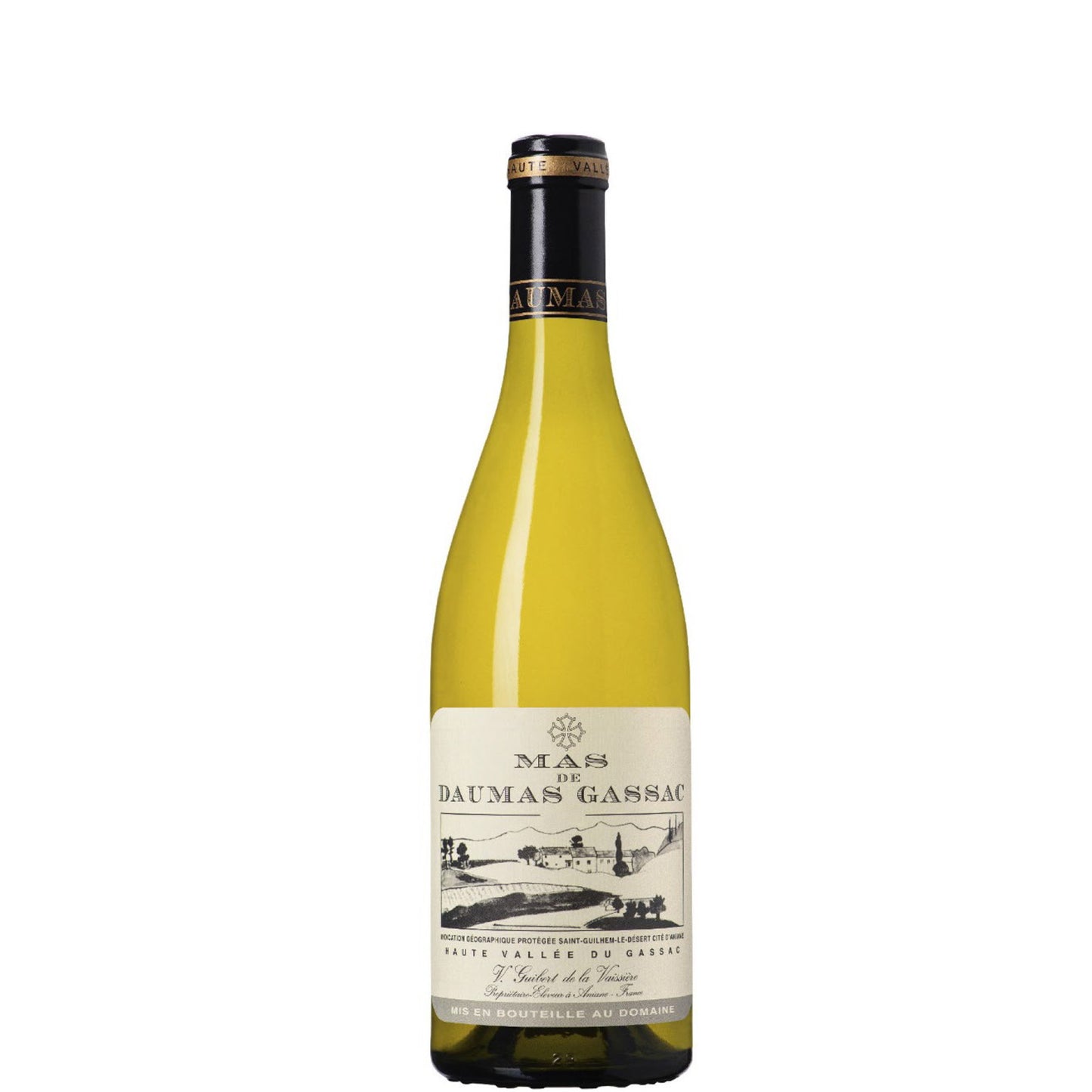
Mas de Daumas Gassac, Blanc, 2023
Mas de Daumas Gassac, Blanc, 2023
- 75cl
- 14%
- White Still
- Chardonnay, Chenin Blanc, Marsanne, Viognier
- Organic
Couldn't load pickup availability

Optimal drinking window: Now - 2035
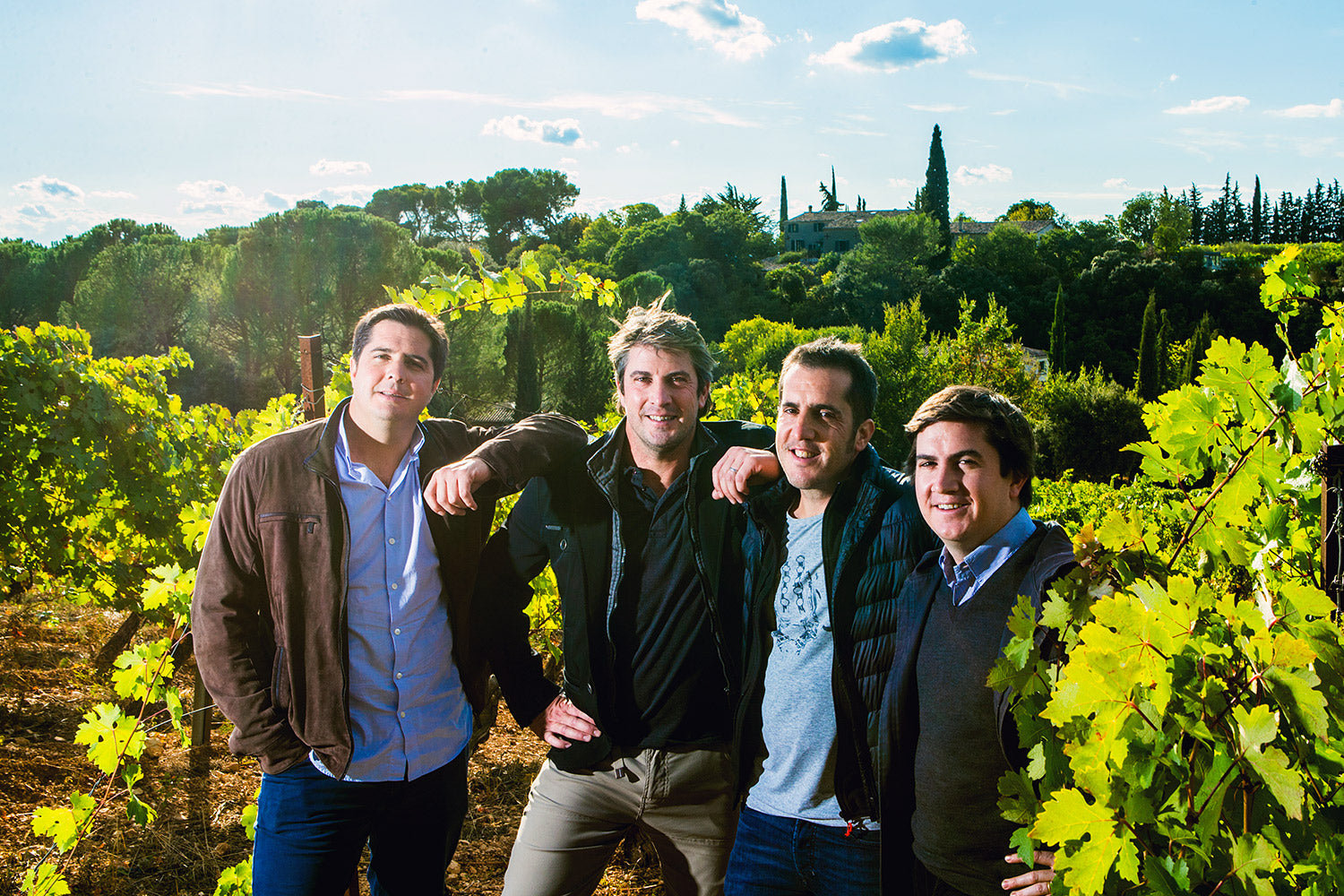
Famous for its Grands Vins, the Mas de Daumas Gassac has been a family owned vineyard for more than 40 years and belongs to the Guibert family.
With its unique blend of rare grape varieties and its expressive terroir, this white wine combines freshness, complexity, and finesse - a compelling white wine that reflects the exceptional terroir of the Gassac valley, offering both immediate enjoyment and great aging potential.
Currently showing youthful primary fruit and fresh herbal notes that will integrate beautifully over the next 2-3 years. By 2028, expect the viognier and chardonnay components to develop honeyed complexity whilst the chenin blanc adds waxy texture and the petit manseng contributes exotic spice. The wine should reach its peak drinking window between 2029-2031, when all varieties will have melded into a seamless whole. After 2033, the freshness may begin to fade, though the wine's structure suggests graceful rather than dramatic decline.
What the critics say:
"Blanched almonds, sliced white peaches, yellow plums, fresh herbs and some mild spices mingle harmoniously on the nose. It’s medium-bodied and focused. Silky texture with natural freshness at the center and an attractive finish. A layered, focused and textural white blend consisting of 39% viognier, 27% chardonnay, 13% manseng, 10% chenin blanc, 7% muscat and 4% sauvignon blanc. Drink or hold."
"Revealing a dense, complex bouquet of ripe orchard fruits, honeysuckle, confit citrus, watermelon, spices and flowers, the 2023 IGP Saint Guilhem le Desert Blanc possesses a dense, round and enveloping palate with a fleshy, sweet core of fruit and residual sugar that brings a sweet, long and somewhat ethereal finish with spicy touches. Quite singular, this seamless white wine should age gracefully over the next decade, promising continuing evolution."
Tasting Notes
AppearancePale gold with green highlights, bright and clear in the glass.
NoseBlanched almonds lead, followed by sliced white peaches and yellow plums. Fresh herbs and mild spices weave through the fruit, creating an aromatic harmony that speaks to the blend's complexity.
PalateMedium-bodied and focused with a silky texture that coats the mouth. Natural freshness runs through the centre, balancing the fruit richness with mineral precision. The six varieties integrate seamlessly, each contributing its character without overwhelming the whole.
FinishAttractive length with lingering almond and stone fruit, plus a subtle herbal note that invites the next sip.
Overall impressionA layered, textural white that combines immediate pleasure with serious structure and ageing potential.
Food Pairings
In Languedoc, this would accompany the region's famous bourride, a creamy fish soup from Sète, or grilled rouget from the Mediterranean coast. Local chefs might serve it with brandade de morue, the salt cod purée that's a Nîmes speciality, or alongside roasted John Dory with herbs de Provence. The wine's texture and complexity also work beautifully with regional goat cheeses like Pélardon, especially when served with lavender honey and toasted almonds.
We think this wine would go well with
Serve at 10-12°C to preserve the wine's natural freshness whilst allowing its complexity to unfold. No decanting required, but do allow the wine to breathe in the glass for a few minutes to fully express its aromatic layers. Use a medium-sized white wine glass with a slight tulip shape to concentrate the delicate herbal and stone fruit aromas.
The Gassac valley sits at 200-400 metres altitude in the Hérault hills, protected by surrounding forests that create a cool microclimate. The red sandstone soils, rich in iron oxide, combined with limestone deposits, provide excellent drainage whilst retaining enough moisture for the vines. This unique geological composition, rare in Languedoc, allows for slow, even ripening and contributes to the wine's distinctive mineral backbone and ageing potential.
Mas de Daumas Gassac operates under the Vin de Pays de l'Hérault designation, which allows the freedom to plant international varieties alongside indigenous grapes. This classification gives the estate flexibility to craft their distinctive blends without the restrictions of AOC Languedoc rules. The estate has become famous for proving that Languedoc can produce wines of Bordeaux-like complexity and longevity, helping to elevate the region's reputation beyond simple, rustic reds.
The 2023 vintage in Languedoc tells the familiar story of a region learning to dance with climate extremes. Spring brought welcome relief after several parched years, with decent rainfall replenishing soils across the sprawling appellations from Corbières to Pic Saint-Loup. Summer heat arrived predictably but without the punishing intensity that has marked recent vintages, allowing the vines to ripen fruit rather than simply survive.
What emerged from the cellars feels like Languedoc finding its modern voice — wines that marry the region's sunny generosity with genuine freshness. The reds show lovely immediacy, particularly Syrah and Grenache blends that deliver spice and dark fruit without the jammy weight that can plague warmer years. We're drinking the early releases now with real pleasure, though the better cuvées will happily cellar for five to eight years. It's a vintage that reminds us why this vast region continues to punch above its weight — honest, expressive wines that don't need to shout to be heard.
FAQs
What does this wine taste like?
Blanched almonds and white peach with a silky texture, natural freshness, and complex layers from six different grape varieties blended together.
When should I drink this wine?
Delicious now for its fresh fruit character, but will reward patience until 2033 when it develops deeper, honeyed complexity.
What food pairs well with this wine?
Try it with grilled fish, creamy seafood dishes, roasted chicken with herbs, or soft goat cheese. Its texture works beautifully with Mediterranean cuisine.
How should I serve this wine?
Serve chilled at 10-12°C in a medium white wine glass. Let it breathe for a few minutes to allow the complex aromatics to open up.
Is this wine worth cellaring?
Absolutely. While enjoyable now, this has the structure and complexity to age gracefully until 2033, developing honeyed notes and deeper integration.
What makes this wine special?
It's a sophisticated six-grape blend from one of Languedoc's most respected estates, combining immediate charm with serious ageing potential and 93-point critical acclaim.
Explore related wines


What are you looking for tonight? Tell me the occasion, a grape, a region — or just try a suggestion below.
Your recommendations will appear here.
-
-
Speak to one of our Wine Gurus
Speak to a Wine GuruWith years of experience, our team can help you with all your wine buying and selling needs