

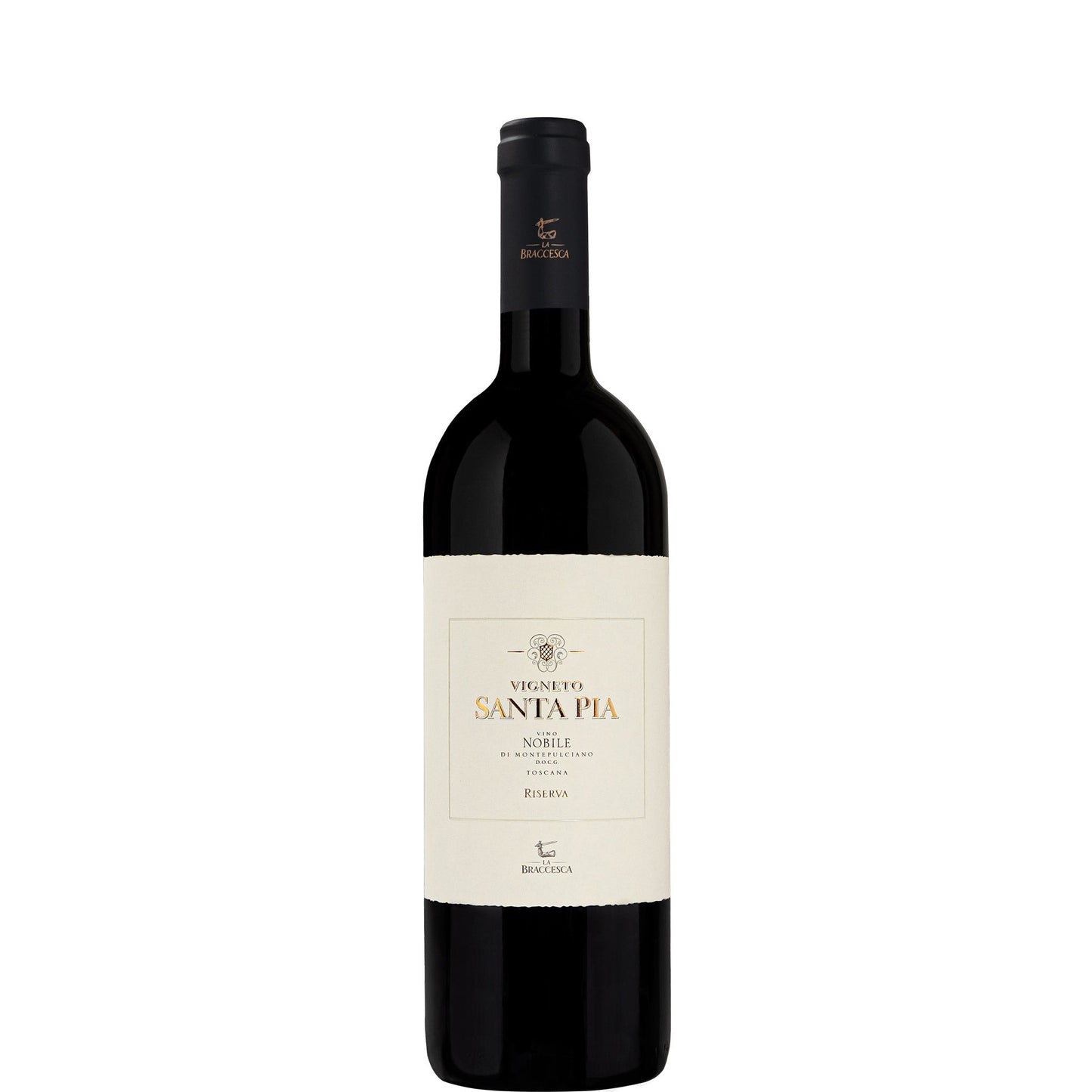
Marchesi Antinori, La Braccesca Vino Nobile Di Montepulciano Riserva Vigneto Santa Pia, 2018
Marchesi Antinori, La Braccesca Vino Nobile Di Montepulciano Riserva Vigneto Santa Pia, 2018
- 75cl
- 14.5%
- Red Still
- Sangiovese
Couldn't load pickup availability

Optimal drinking window: Now - 2034
About Marchesi Antinori, La Braccesca Vino Nobile Di Montepulciano Riserva Vigneto Santa Pia, 2018
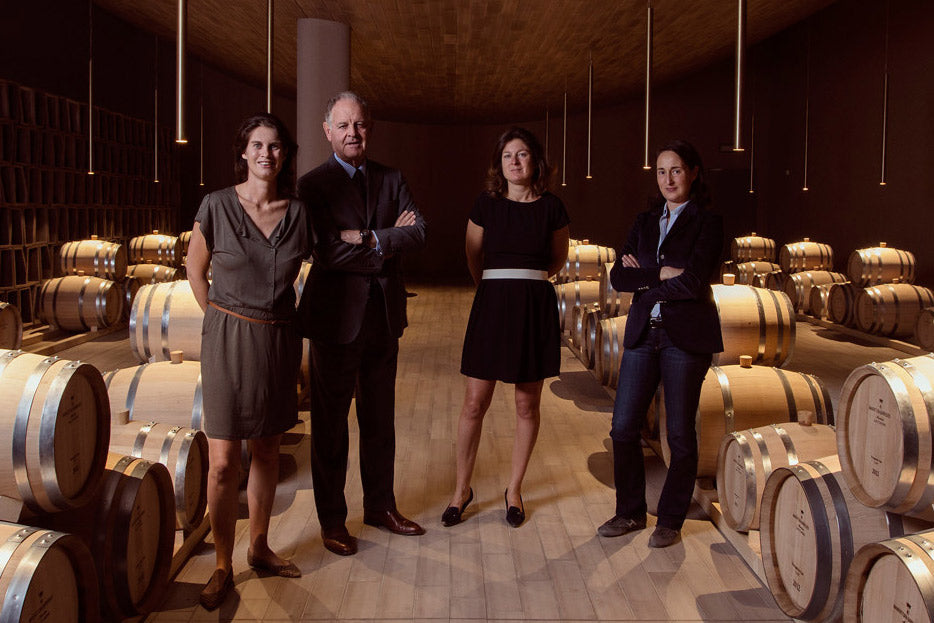
Just a mile away from the city of Montepulciano, near the border between Tuscany and neighbouring Umbria, La Braccesca, an Antinori property since 1990, is situated in two very close, but entirely different, zones: the classic and prestigious area of Vino Nobile, and Cortona, which has made a name for itself for Syrah.
Santa Pia is produced from a 15-hectare (37 acres) vineyard located on the ridges just below the town of Montepulciano. This particular area has sandy loamy soils rich in rocky deposits known as “scheletro” that allow Antinori to create an elegant yet traditional expression of the Sangiovese grape that reflects the characteristics of this historic winemaking area.
The 2018 is currently showing its primary cherry and herb character beautifully integrated with oak and tannins. Over the next 3-4 years, we expect the fruit to deepen while secondary leather and earth notes develop, reaching peak complexity around 2030. The wine should hold this plateau until the mid-2030s before the fruit begins to fade, though the mineral backbone will keep it interesting for several years beyond. The bright acidity suggests it may age more gracefully than the drinking window implies.
What the critics say:
"Currants, cherry stones and bark on the nose with some toast, olives and orange zest. Medium-bodied with firm, round tannins and bright acidity. Excellent balance. Deliciously savory. Drink or hold."
Tasting Notes
AppearanceDeep ruby red with garnet highlights showing its maturity.
NoseCherry stones and dried currants lead, followed by Mediterranean herbs, a touch of toast, and hints of orange zest. There's an underlying earthiness that speaks to the rocky soils, along with subtle olive tapenade complexity.
PalateMedium-bodied with firm, round tannins that grip without overwhelming. The bright acidity keeps everything fresh while savoury herbs and dark cherry flavours unfold. There's excellent balance between fruit concentration and mineral backbone, with just enough oak to add structure without masking the Sangiovese character.
FinishLong and savoury with lingering cherry stone and herb notes, plus a mineral persistence that invites another sip.
Overall impressionThis shows Vino Nobile at its most refined, balancing tradition with modern winemaking precision.
Food Pairings
In Montepulciano, locals would pair this with pici all'aglione, the hand-rolled pasta with garlic and tomato sauce that's the town's signature dish. Wild boar stew with herbs and red wine is another classic match, as is the local Chianina beef grilled over vine cuttings. The wine's savoury character also complements aged Pecorino di Pienza and the region's hearty ribollita soup made with yesterday's bread and seasonal vegetables.
We think this wine would go well with
Serve at 16-18°C to allow the aromatics to open fully. Decant for 30-45 minutes to soften the tannins and integrate the flavours, though it's not essential. Use Burgundy-style glasses rather than large Bordeaux bowls to concentrate the elegant aromatics, and open the bottle an hour before serving if you're not decanting.
The Santa Pia vineyard sits on ridges just below Montepulciano at around 300 metres elevation, benefiting from excellent drainage and sun exposure. The sandy loam soils are rich in rocky deposits called 'scheletro', which force the vines to dig deep and concentrate their fruit. This particular microclimate, influenced by both Tuscan and Umbrian weather patterns, creates wines with both power and elegance, combining the structure needed for ageing with the finesse that makes them approachable in youth.
Vino Nobile di Montepulciano DOCG requires a minimum 70% Sangiovese (called Prugnolo Gentile locally) and must age for at least two years before release, with Riserva wines needing three years. It was Italy's first DOCG in 1980, reflecting its historical importance dating back to the 8th century. The appellation sits between Chianti Classico to the north and Brunello di Montalcino to the south, sharing Sangiovese's noble character while maintaining its own distinctive mineral-driven personality shaped by the unique soils around this hilltop town.
The 2018 growing season in Tuscany served up drama worthy of a Renaissance plot. A wet spring had producers fretting about disease pressure, but summer heat arrived with perfect timing to dry things out and concentrate the fruit. The crucial factor proved to be autumn's extended dry spell, which allowed for leisurely harvest decisions and let each variety ripen at its own pace without the usual scramble against September storms.
What emerged from the cellars shows Tuscany at its most approachable. The Sangiovese displays that lovely balance of bright cherry fruit and earthy backbone that makes Chianti sing, whilst the international varieties found their footing beautifully in the coastal zones. These aren't the brooding, tannic monsters that demand a decade of patience, but wines with enough structure to age gracefully if you fancy waiting. Most are drinking beautifully now, though the finest examples from established producers will reward those who can resist temptation until the mid-2020s.
FAQs
What does this Vino Nobile taste like?
Expect cherry stones and currants with savoury Mediterranean herbs, firm but round tannins, and a lovely mineral backbone that keeps it fresh and food-friendly.
When should I drink this wine?
It's drinking beautifully now and will continue to develop complexity until 2038, with peak drinking likely in the early 2030s.
What food pairs well with Vino Nobile?
Classic matches include grilled meats, wild boar, aged cheeses, and Tuscan pasta dishes. The savoury character makes it particularly good with herb-crusted lamb or mushroom risotto.
Should I decant this wine?
Decanting for 30-45 minutes will help integrate the flavours and soften the tannins, though it's perfectly enjoyable without. Just open it an hour before serving if you prefer not to decant.
How does this compare to Chianti Classico?
Vino Nobile tends to be more structured and mineral-driven than Chianti Classico, with a distinctive earthiness from Montepulciano's unique soils, while often showing more elegance than the power of Brunello.
Is this wine worth cellaring?
Absolutely. This Riserva has the structure and acidity to develop beautifully over the next decade, gaining complexity while maintaining its elegant character.
Explore related wines


What are you looking for tonight? Tell me the occasion, a grape, a region — or just try a suggestion below.
Your recommendations will appear here.
-
-
Speak to one of our Wine Gurus
Speak to a Wine GuruWith years of experience, our team can help you with all your wine buying and selling needs