
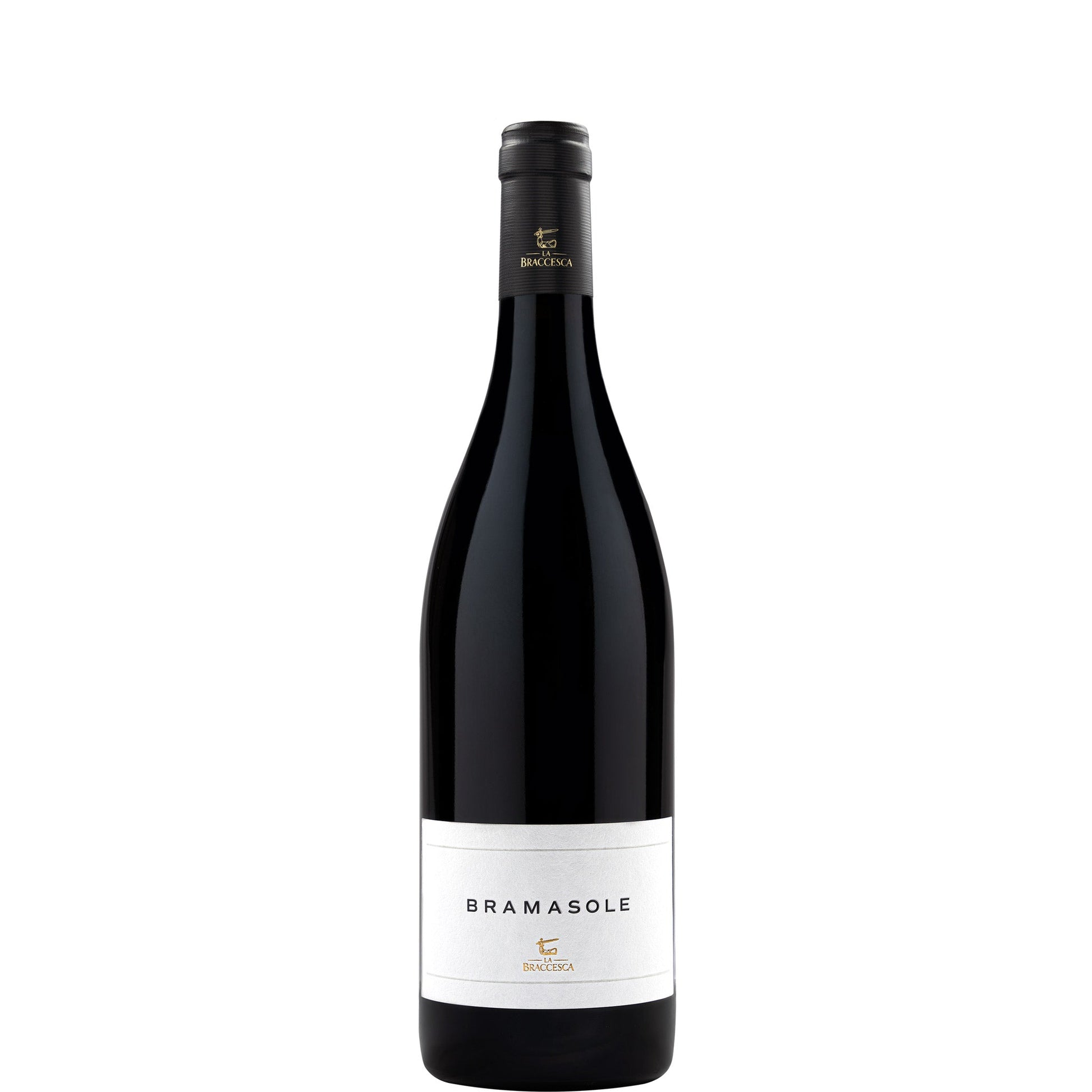
Marchesi Antinori, La Braccesca Bramasole Syrah, 2018
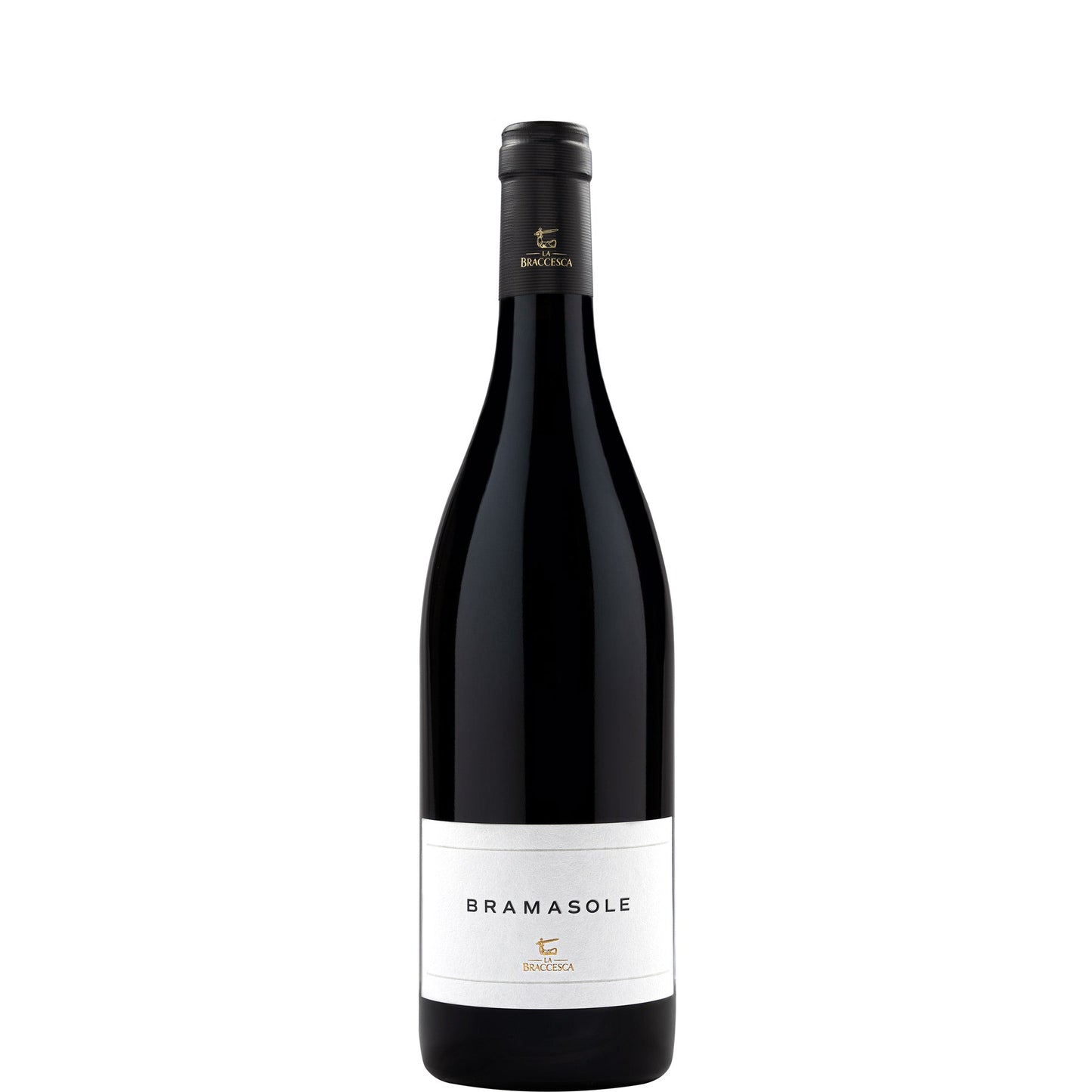
Marchesi Antinori, La Braccesca Bramasole Syrah, 2018
- 75cl
- 15%
- Red Still
- Syrah
Couldn't load pickup availability

Optimal drinking window: Now - 2031
About Marchesi Antinori, La Braccesca Bramasole Syrah, 2018
The Braccesca Bramasole Syrah, from Cortona, is a variety that works really well in Tuscany, in the right hands of course. We've enjoyed a few bottles of the 2018 recently and it's just gorgeous, reminiscent of a top Northern Rhone yet with a distinctive Tuscan accent.
James Suckling awards 95 points and whilst the 2018 is just entering into its drinking window, we can't help but think that like a great Hermitage, this has even more to give with extended cellaring. This is an absolute beauty and comes highly recommended.
Currently showing primary dark fruit and floral character with tight tannins that will gradually integrate over the next 3-5 years. Secondary complexity of leather, game, and forest floor will emerge around 2030, whilst the mineral backbone becomes more pronounced. The wine should hit its peak between 2032-2036, maintaining its fruit-mineral balance for another decade before gradually softening into tertiary development.
What the critics say:
"Rich dark fruits, spiced cookie, smoky plums and black cherries define the 2018 Syrah Bramasole. This is cool-toned, pliant and pleasantly sweet, with a fresh display of inner violets, minerals and bright acids that keep the mouth watering. Nuanced tannins and sweet spice linger as this high-energy Cortona Syrah tapers off with blue and purple-toned florals. The 2018 Bramasole is stunning and so easy to like."
"A beautiful, pure syrah with dark-cherry and lavender aromas that follow through to a full body with round, polished tannins that are tight and compact. Flavorful and racy finish. Black-licorice and tar flavors. Slightly chewy at the end. Drink after 2023."
Tasting Notes
AppearanceDeep ruby with purple highlights, showing impressive concentration and youth.
NoseSmoky plums and dark cherries lead, followed by violet florals and spiced biscuit. There's a mineral backbone reminiscent of Northern Rhône, with black liquorice and subtle tar adding complexity.
PalateFull-bodied yet elegant, with polished tannins that are tight and compact. The fruit is pure and concentrated, showing blue and purple-toned florals alongside the dark berry core. Bright acidity keeps everything fresh and mouth-watering.
FinishLong and slightly chewy, with sweet spice, liquorice, and mineral persistence that lingers beautifully.
Overall impressionA sophisticated Syrah that captures Northern Rhône elegance whilst expressing its Tuscan terroir with remarkable precision.
Food Pairings
In Tuscany, this structured Syrah would traditionally accompany wild boar ragu with pappardelle, its robust tannins cutting through the rich, gamey sauce. Locals might also pair it with bistecca alla fiorentina, the region's famous thick-cut T-bone steak grilled over olive wood, where the wine's mineral backbone complements the meat's charred exterior. Aged pecorino from nearby Pienza and rustic bread would complete the meal, the cheese's saltiness drawing out the wine's dark fruit concentration.
We think this wine would go well with
Serve at 16-18°C to showcase the wine's elegance whilst allowing its full body to express itself. Decant for 60-90 minutes to soften the compact tannins and reveal the violet florals. Use large Burgundy bowls rather than Bordeaux glasses to emphasise the wine's aromatic complexity and mineral precision over sheer power.
The La Braccesca vineyards sit at 250-400 metres elevation in Cortona's rolling hills, where ancient marine sediments create complex soils of clay, sand, and limestone. The continental climate brings warm days and cool nights, crucial for maintaining acidity in Syrah. These conditions, combined with careful site selection, allow the variety to develop the mineral precision and floral complexity that distinguish this wine from warmer-climate Syrahs.
Cortona DOC, established in 1999, covers the hills around the medieval town in eastern Tuscany near the Umbrian border. Unlike central Tuscany's Sangiovese focus, Cortona encourages international varieties like Syrah, Merlot, and Cabernet Sauvignon alongside traditional grapes. The appellation's diverse microclimates and elevations from 250-600 metres create ideal conditions for these varieties, producing wines that combine international character with distinctly Italian elegance.
The 2018 growing season in Tuscany served up drama worthy of a Renaissance plot. A wet spring had producers fretting about disease pressure, but summer heat arrived with perfect timing to dry things out and concentrate the fruit. The crucial factor proved to be autumn's extended dry spell, which allowed for leisurely harvest decisions and let each variety ripen at its own pace without the usual scramble against September storms.
What emerged from the cellars shows Tuscany at its most approachable. The Sangiovese displays that lovely balance of bright cherry fruit and earthy backbone that makes Chianti sing, whilst the international varieties found their footing beautifully in the coastal zones. These aren't the brooding, tannic monsters that demand a decade of patience, but wines with enough structure to age gracefully if you fancy waiting. Most are drinking beautifully now, though the finest examples from established producers will reward those who can resist temptation until the mid-2020s.
FAQs
What does this Syrah taste like?
Dark plums and cherries with violet florals, showing Northern Rhône sophistication with mineral precision and polished tannins that speak to both power and elegance.
When should I drink this wine?
Approachable now but built for cellaring - it will reward patience until 2038, hitting its stride around 2030-2036.
What food pairs well with this wine?
Rich Tuscan dishes like wild boar ragu, grilled bistecca alla fiorentina, or aged game. The structured tannins need substantial, flavourful food to shine.
Should I decant this wine?
Absolutely - decant for 60-90 minutes to soften the compact tannins and allow the violet florals and mineral complexity to emerge properly.
How does this compare to French Syrah?
It bridges Northern Rhône elegance with Tuscan warmth, showing similar mineral precision and floral complexity but with a distinctly Italian accent and slightly richer fruit.
Is this wine worth cellaring?
Definitely - like a serious Hermitage, this has the structure and complexity to develop beautifully over 15+ years, gaining secondary complexity whilst maintaining its fruit-mineral balance.


What are you looking for tonight? Tell me the occasion, a grape, a region — or just try a suggestion below.
Your recommendations will appear here.
-
-
Speak to one of our Wine Gurus
Speak to a Wine GuruWith years of experience, our team can help you with all your wine buying and selling needs