

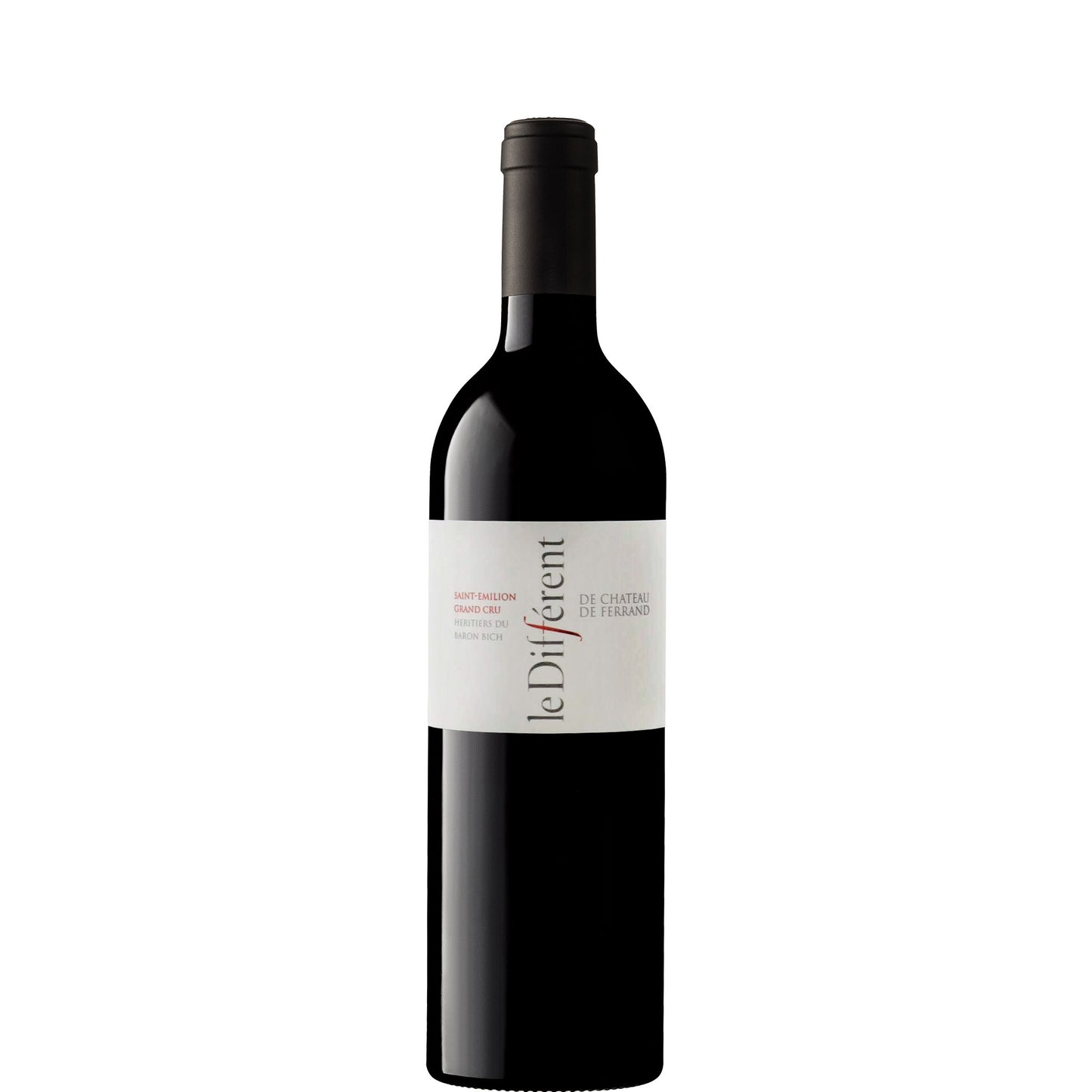
Le Différent de Château de Ferrand, Saint-Émilion Grand Cru, 2012
Le Différent de Château de Ferrand, Saint-Émilion Grand Cru, 2012
- 75cl
- 14%
- Red Still
- Merlot, Cabernet Sauvignon, Cabernet Franc
Couldn't load pickup availability

Optimal drinking window: Now - 2030
The second wine of Château de Ferrand, offering a more approachable expression of this historic Right Bank property. It shows ripe plum and blackberry fruit, with touches of spice, cedar and soft earthy notes. The palate is supple and balanced, with rounded tannins and a fresh finish.
The soft tannins, dark fruit and gentle spice make it particularly good with dishes that combine savoury richness and a touch of earthy flavour — mushrooms, slow-cooked meats and roasted vegetables all work beautifully.
Château de Ferrand sits on the limestone plateau on the eastern side of Saint‑Émilion and dates back to the early 18th century. The estate was founded in 1702 by Elie de Bétoulaud, a lawyer and poet at the court of Louis XIV. Today it is owned by the Bich family (also known for the Bic company) and has undergone extensive vineyard and cellar investment over the past two decades, helping the property secure its place among the classified Grand Cru estates of Saint-Émilion.
This 2012 is now in its optimal drinking window, where the primary fruit has integrated beautifully with secondary complexity from bottle age. The tannins have softened completely, revealing the wine's natural charm and balance. Over the next four years, expect the earthy and spice notes to become more prominent whilst the fruit gradually fades, creating a more savoury profile. Beyond 2030, the wine will likely maintain its elegance but with diminishing fruit intensity.
Tasting Notes
AppearanceDeep ruby with hints of garnet showing the wine's fourteen years of bottle age.
NoseRipe plum and blackberry fruit has mellowed into something more nuanced, with cedar and gentle spice taking centre stage. There's an earthy undertone that speaks of the limestone beneath Saint-Émilion's vines, along with whispers of dried herbs and tobacco leaf.
PalateSupple and balanced, this shows the approachable side of Right Bank Bordeaux at its most charming. The tannins have softened beautifully, carrying dark fruit flavours that feel integrated rather than primary, whilst gentle spice and earthy notes add complexity without overwhelming the wine's natural elegance.
FinishFresh and clean, with lingering fruit and a touch of mineral precision that keeps you coming back for more.
Overall impressionA second wine that's hitting its stride, offering mature Bordeaux pleasure without the price tag of the grand vin.
Food Pairings
In Saint-Émilion, this would accompany the region's famous duck dishes, particularly magret de canard with wild mushrooms, or the local speciality of lamprey cooked in red wine. The Bordelais love their beef, especially entrecôte à la bordelaise with shallots and red wine reduction, whilst the wine's earthy notes make it perfect for cèpes and other wild mushrooms gathered from the surrounding forests. Game birds like pigeon or partridge roasted with herbs would also be classic matches.
We think this wine would go well with
Serve at 16-17°C to show the wine's suppleness without muting its complexity. A brief decant of 30 minutes will help it open up, though it's perfectly approachable straight from the bottle. Use generous Bordeaux glasses to concentrate the aromatics whilst allowing the wine to breathe. At this age, it needs no special handling and will reward casual enjoyment as much as formal tasting.
The vineyards sit on the prized limestone plateau on Saint-Émilion's eastern side, where the chalky soils provide excellent drainage and mineral backbone. This elevated position catches cooling breezes that help preserve freshness during ripening, whilst the limestone reflects heat back to the vines during the day. The calcium-rich soils are particularly suited to Merlot, encouraging the grape's natural suppleness whilst adding a subtle mineral structure that defines the best Saint-Émilion wines.
Saint-Émilion Grand Cru represents the upper tier of this UNESCO World Heritage appellation, with stricter yield limits and aging requirements than basic Saint-Émilion. The appellation favours Merlot over the Cabernet Sauvignon that dominates the Left Bank, creating wines with rounder, more approachable tannins. Unlike the Médoc's rigid hierarchy, Saint-Émilion's classification is reviewed every decade, keeping producers focused on quality rather than resting on historical reputation.
The 2012 growing season in Bordeaux threw every curveball imaginable at the vignerons. Spring arrived with biblical rains that had growers reaching for their wellies more often than their secateurs, followed by a damp summer that kept everyone on edge about disease pressure. Just when despair was setting in, September delivered one of those glorious Indian summers that transforms everything—warm, dry days that allowed the late-ripening Cabernet Sauvignon to catch up and develop proper flavour concentration. The harvest stretched well into October, with only the most patient producers reaping the rewards.
What emerged was a vintage of surprises rather than superlatives. The Merlot-dominant Right Bank fared better than expected, producing wines with lovely freshness and accessible fruit that never feels forced or overextracted. The Left Bank required more careful selection, but the best châteaux crafted wines with genuine personality—less muscular than the powerhouse years, but with a kind of understated charm that grows on you. These aren't wines for the cellar conquistadors, but they're drinking beautifully now and will continue to reward patient drinkers for another decade.
FAQs
What does this wine taste like?
Ripe and approachable, with plum and blackberry fruit, gentle cedar spice, and soft, rounded tannins that make it very easy to drink.
When should I drink this wine?
It's perfect right now and will remain delicious for the next decade, though the fruit will gradually give way to more earthy, savoury flavours.
What food pairs well with this wine?
Roasted meats, mushroom dishes, and slow-cooked stews work beautifully. Think Sunday roast beef, lamb with herbs, or wild mushroom risotto.
Should I decant this wine?
A brief 30-minute decant will help it open up, but it's perfectly enjoyable straight from the bottle. Serve at cellar temperature around 16-17°C.
Is this wine worth cellaring?
While it will keep for another decade, this is really about current pleasure rather than long-term aging. Drink it whilst the fruit is still vibrant and generous.
How does this compare to the main Château de Ferrand wine?
As the second wine, it's more approachable and ready to drink now, with softer tannins and more immediate charm than the grand vin which benefits from longer aging.

OUR GROWERS
Château de Ferrand


What are you looking for tonight? Tell me the occasion, a grape, a region — or just try a suggestion below.
Your recommendations will appear here.
-
-
Speak to one of our Wine Gurus
Speak to a Wine GuruWith years of experience, our team can help you with all your wine buying and selling needs