

Langhe Barbera, Cado, Anna Maria Abbona, 2019
Langhe Barbera, Cado, Anna Maria Abbona, 2019
- 75cl
- 14%
- Red Still
- Barbera
Couldn't load pickup availability

Optimal drinking window: Now - 2031
Anna Maria Abbona's Cado represents everything we love about modern Langhe Barbera: pure, expressive fruit married to the sort of balance that makes Piemonte so compelling. This 2019 shows the grape's natural vibrancy beautifully, with cherry and plum flavours lifted by Barbera's signature acidity and grounded by subtle earthy minerality from the Langhe hills.
Ready to drink now but with enough structure to hold until 2031, this is Barbera as both everyday pleasure and proper wine. The Abbona family have been crafting wines like this for generations, understanding that the best Barbera doesn't need to shout - it simply delivers honest, food-friendly character with each glass.
This 2019 is drinking beautifully now, showing primary red fruit at its peak freshness. Over the next 2-3 years, the fruit will integrate further with the subtle earthy components, developing more complexity while maintaining its essential vibrancy. The wine will hold its character well until around 2031, though it's unlikely to improve significantly beyond its current state. Barbera's charm lies in its youthful exuberance rather than long-term development, so we'd recommend enjoying this while the fruit remains bright and lively.
Tasting Notes
AppearanceMedium ruby red with purple highlights, showing good clarity and vibrancy.
NoseFresh red cherry and plum dominate, with subtle hints of violet and dried herbs. There's an earthy minerality underneath that speaks to the Langhe terroir. A touch of spice adds complexity without overwhelming the fruit.
PalateMedium-bodied with Barbera's trademark acidity providing structure and freshness. The cherry and plum flavours carry through beautifully, supported by fine tannins that add texture without heaviness. A mineral thread runs through the wine, grounding the fruit and adding length.
FinishClean and persistent, with the acidity leaving the palate refreshed and ready for food.
Overall impressionThis is Barbera at its most food-friendly and expressive, balancing immediate pleasure with genuine character.
Food Pairings
In Piemonte, this would accompany vitello tonnato (veal with tuna sauce) as an antipasto, or the region's famous agnolotti del plin filled with roasted meats and served with butter and sage. The wine's acidity makes it perfect with tomato-based pasta dishes, particularly tajarin al pomodoro, while its medium body pairs beautifully with brasato al Barolo (beef braised in wine) or the local specialty of raw beef called carne cruda. Aged Gorgonzola from nearby Lombardy would be a classic match, as would the region's hazelnuts and autumn truffle dishes.
We think this wine would go well with
Serve at 16-17°C, slightly cooler than you might serve Barolo or Barbaresco. No need to decant - this wine is approachable immediately upon opening, though it will benefit from 30 minutes in the glass to fully express its aromatics. Use a medium-sized Burgundy glass or standard red wine glass to concentrate the fresh fruit aromas while allowing the wine to breathe.
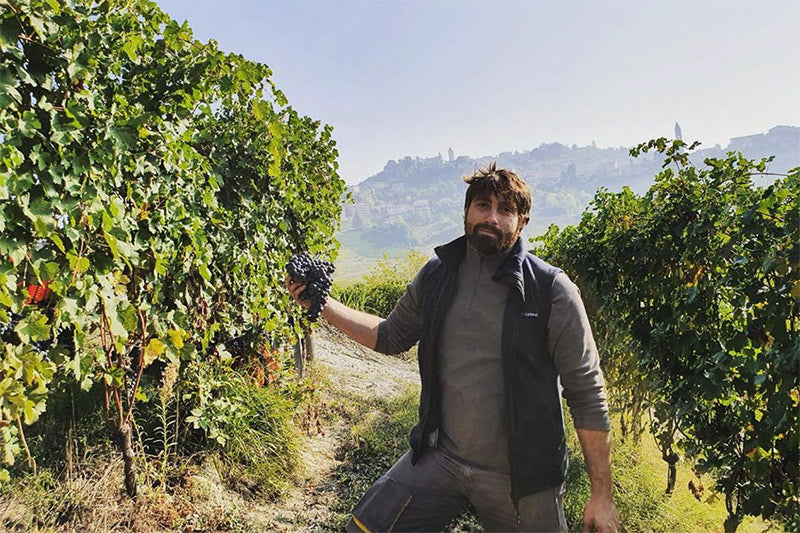
The Cado vineyard sits in the Langhe hills at around 350 metres elevation, where the soils are a mix of clay and limestone typical of the region. The maritime influence from the distant Ligurian coast moderates temperatures while the amphitheatre of hills provides protection from harsh weather. These conditions allow Barbera to ripen fully while retaining its natural acidity, creating wines with both concentration and freshness.
Langhe DOC was established in 1994 as a more flexible classification than the stricter Barolo and Barbaresco zones, allowing producers to make varietal wines from grapes grown throughout the broader Langhe hills. The appellation covers both red and white wines, with Barbera being one of the most successful expressions. Unlike Barbera d'Alba or Barbera d'Asti, Langhe Barbera offers winemakers greater freedom in vineyard sourcing and winemaking techniques.
We think 2019 in Piemonte deserves far more attention than it gets, sandwiched as it is between the raved-about 2016 and the much-hyped 2020. The growing season started with a lovely warm spring that brought early budbreak, followed by a properly hot July that had growers reaching for their hats. Then came the magic: cool nights in August and September that preserved all that lovely acidity whilst allowing the tannins to ripen beautifully. The harvest was mercifully dry and stress-free, with most producers bringing in pristine fruit between mid-September and early October.
What emerged from the cellars are wines with real backbone and elegance. The Nebbiolos have this gorgeous tension between power and finesse that we absolutely love – think 2016's structure but with a touch more approachability. The Barberas are singing with bright fruit and lovely freshness, whilst the Dolcettos are pure charm in a glass. We find the overall quality remarkably consistent across the region, from the big names in Barolo to the smaller producers tucked away in Roero.
Most 2019 Piemonte wines are drinking beautifully right now, offering that sweet spot of youthful fruit balanced with developing complexity. The Barolos and Barbarescos will happily age for another decade or two, but why wait when they're showing this well already?
FAQs
What does this Barbera taste like?
Fresh and vibrant with red cherry and plum flavours, bright acidity, and a clean mineral finish. It's the kind of wine that makes you understand why Barbera is Piemonte's everyday pleasure.
When should I drink this wine?
It's drinking beautifully now and will remain at its best until 2031. Barbera is made for relatively early consumption, so don't hold onto it too long.
What food pairs well with Langhe Barbera?
Anything with tomatoes, from pasta pomodoro to pizza. It's also excellent with roasted meats, aged cheeses, and the hearty cuisine of Piemonte like brasato or agnolotti.
How should I serve this wine?
Serve at 16-17°C in a standard red wine glass. No need to decant, though giving it 30 minutes to open up will enhance the aromatics.
Is this wine worth cellaring?
While it will keep until 2028, Barbera is best enjoyed for its fresh fruit character rather than aged complexity. We'd recommend drinking it over the next few years while it retains its youthful vibrancy.
How does this compare to other Italian reds?
Barbera offers more acidity and freshness than Sangiovese, with less tannin than Nebbiolo. It's Italy's most food-friendly red grape, combining fruit purity with excellent structure.



What are you looking for tonight? Tell me the occasion, a grape, a region — or just try a suggestion below.
Your recommendations will appear here.
-
-
Speak to one of our Wine Gurus
Speak to a Wine GuruWith years of experience, our team can help you with all your wine buying and selling needs